Barcelona, Penedès and Alella
The extensive amount and variety of delicious eateries in Barcelona will unquestionably excite any foodie. A few tips: make reservations when you can and be the first in line when you can't.
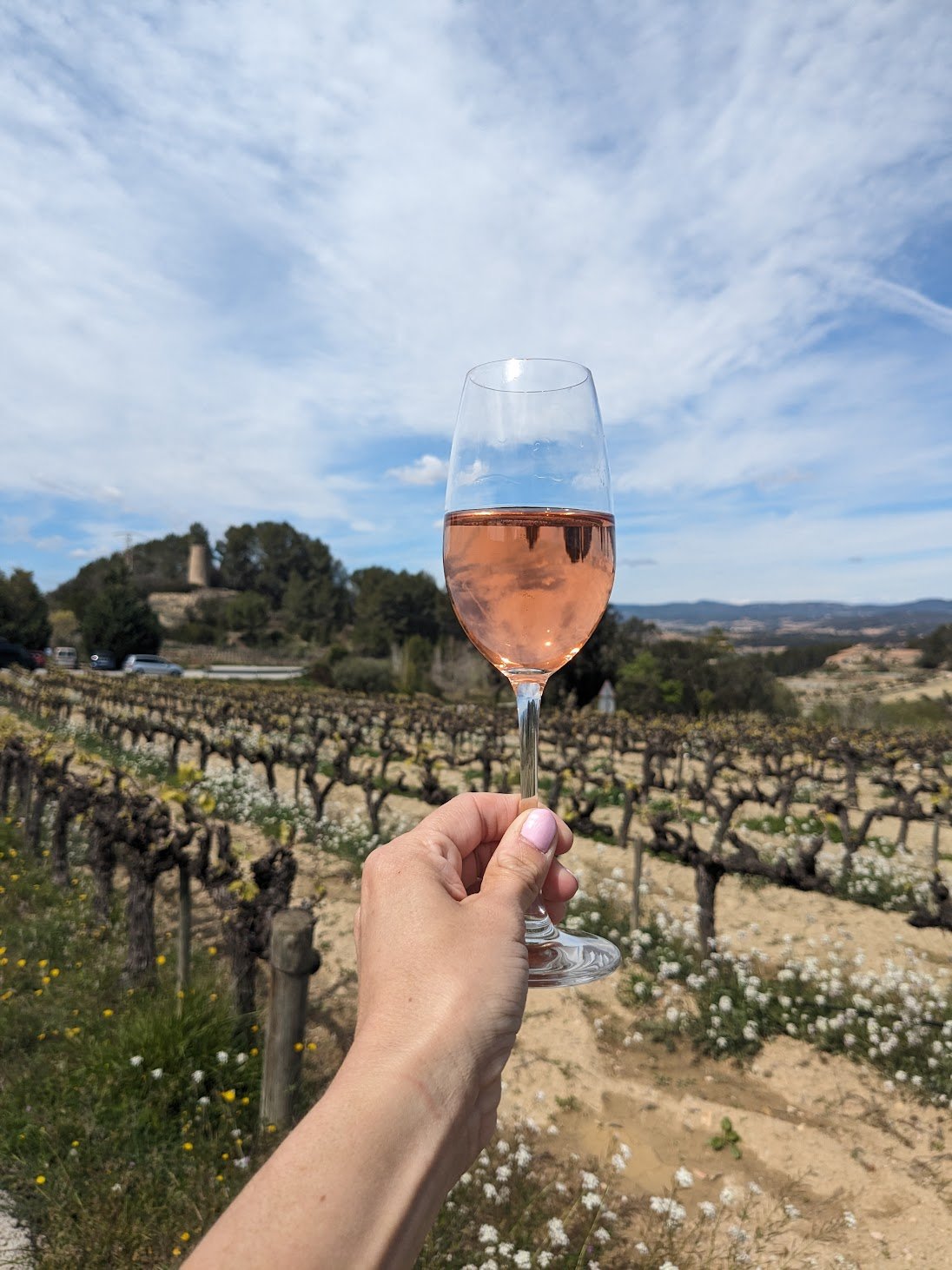
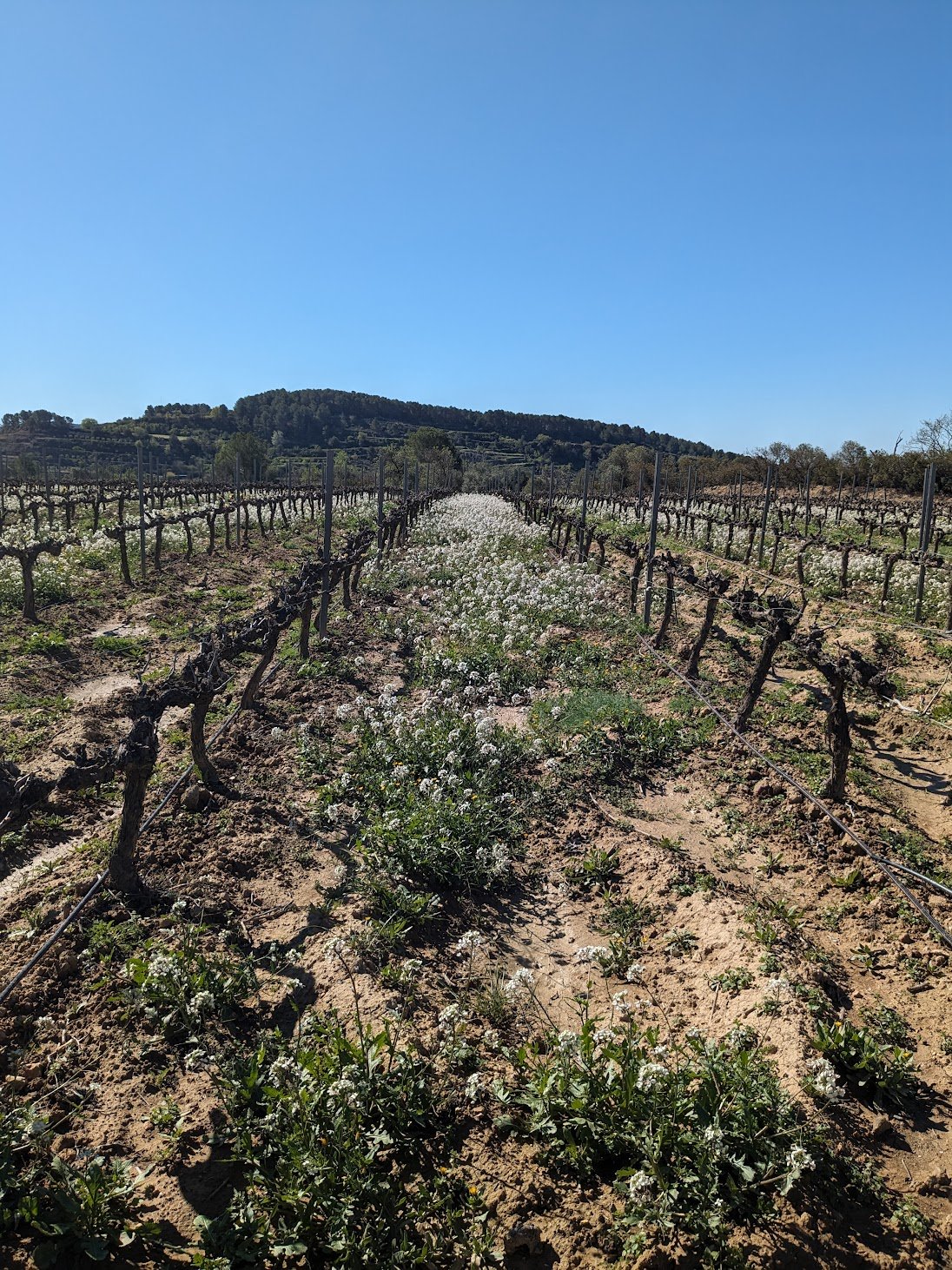
Penedès (about an hour west of Barcelona by car) is known for Cava production. I visited the inland zone of Alt Penedès, an area covered in vineyards that overlook the magnificent Montserrat Massif.
Alella (about 25 minutes up the coast from Barcelona) is known for mainly whites, but robust reds and fruit-driven rosés are also featured. Pansa Blanca (local name for Xarel-lo) was repeatedly tasted and quite often enjoyed. Same goes for Monastrell, which was showing great complexity in the reds and rosés.
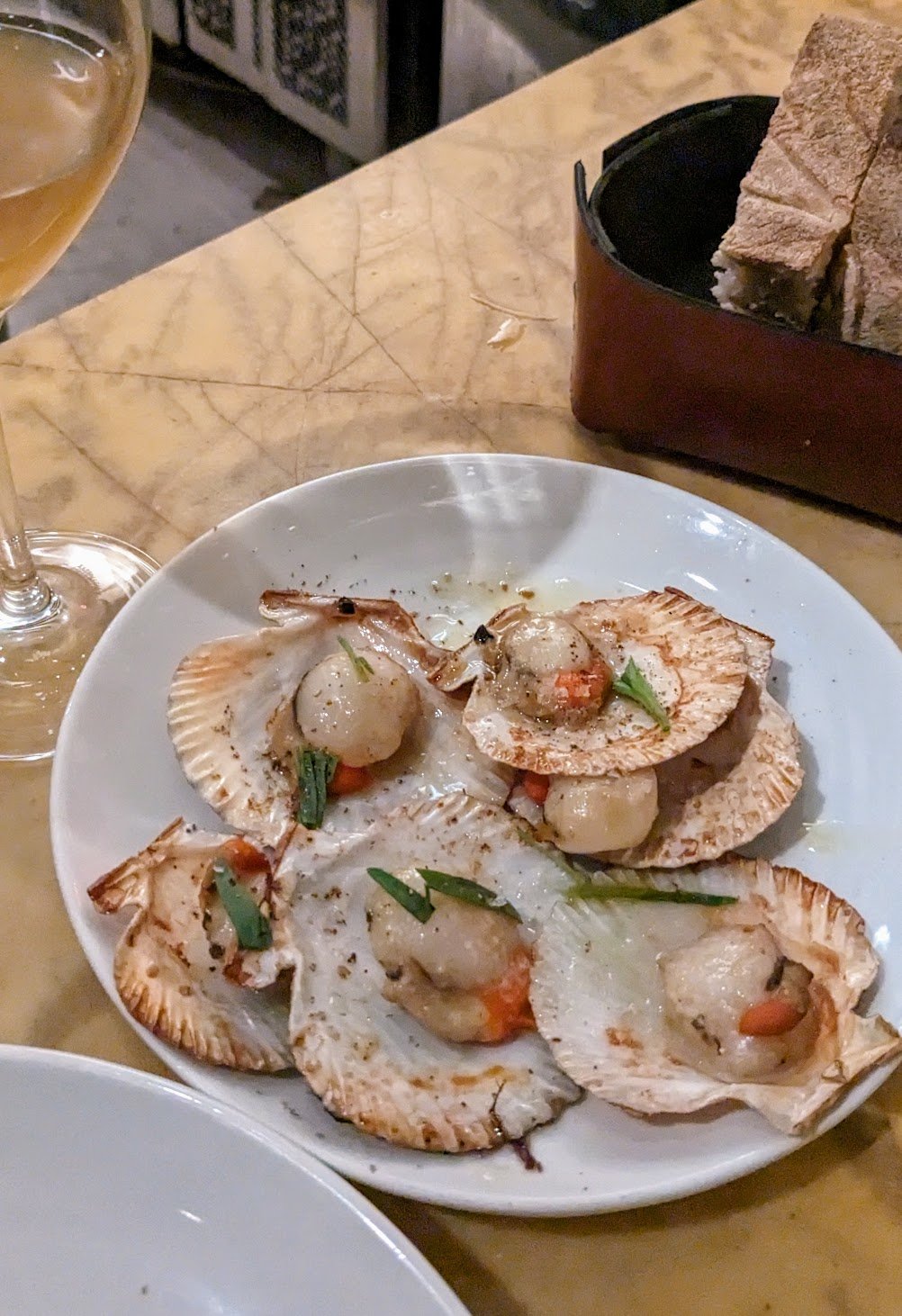
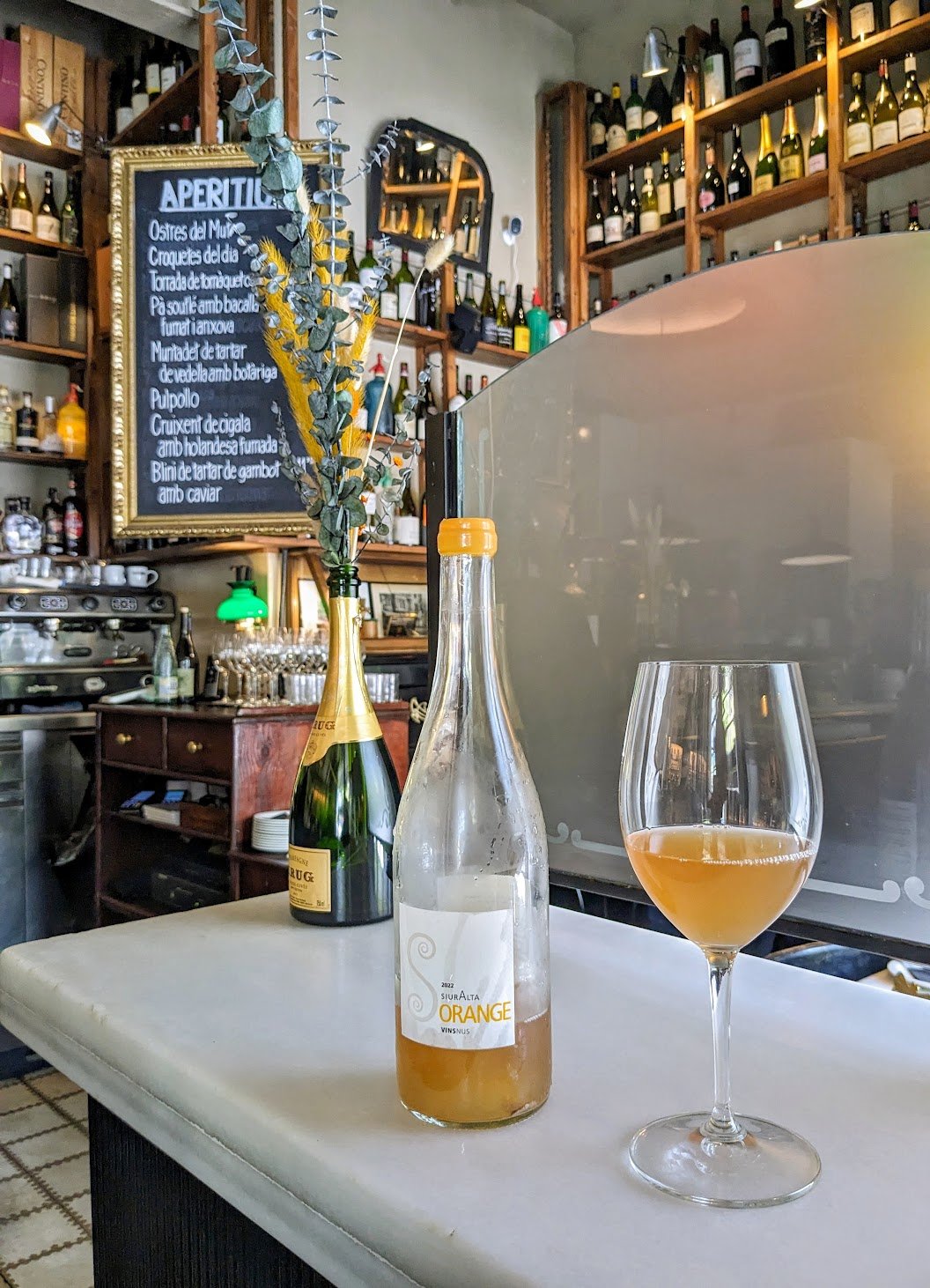
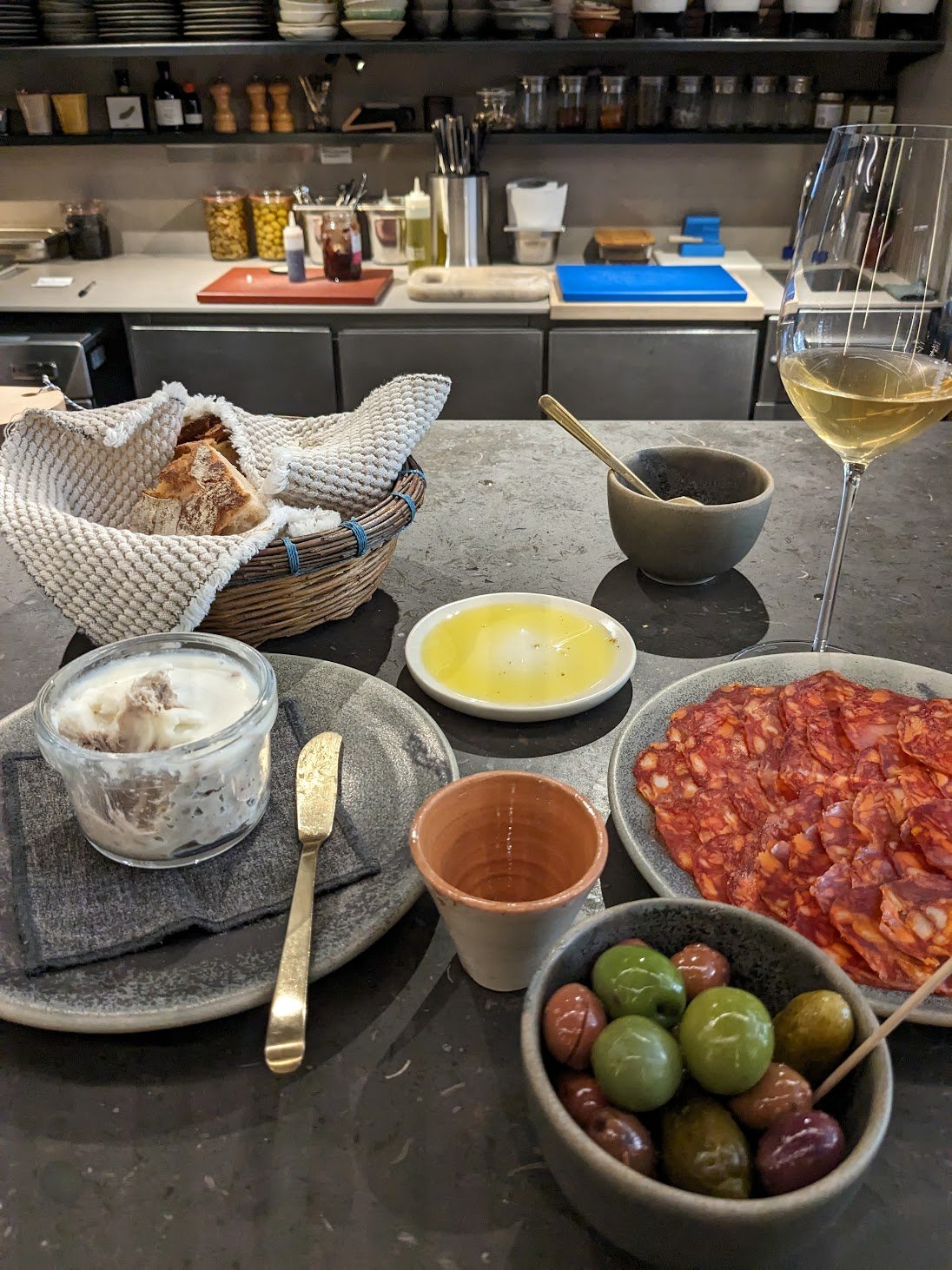
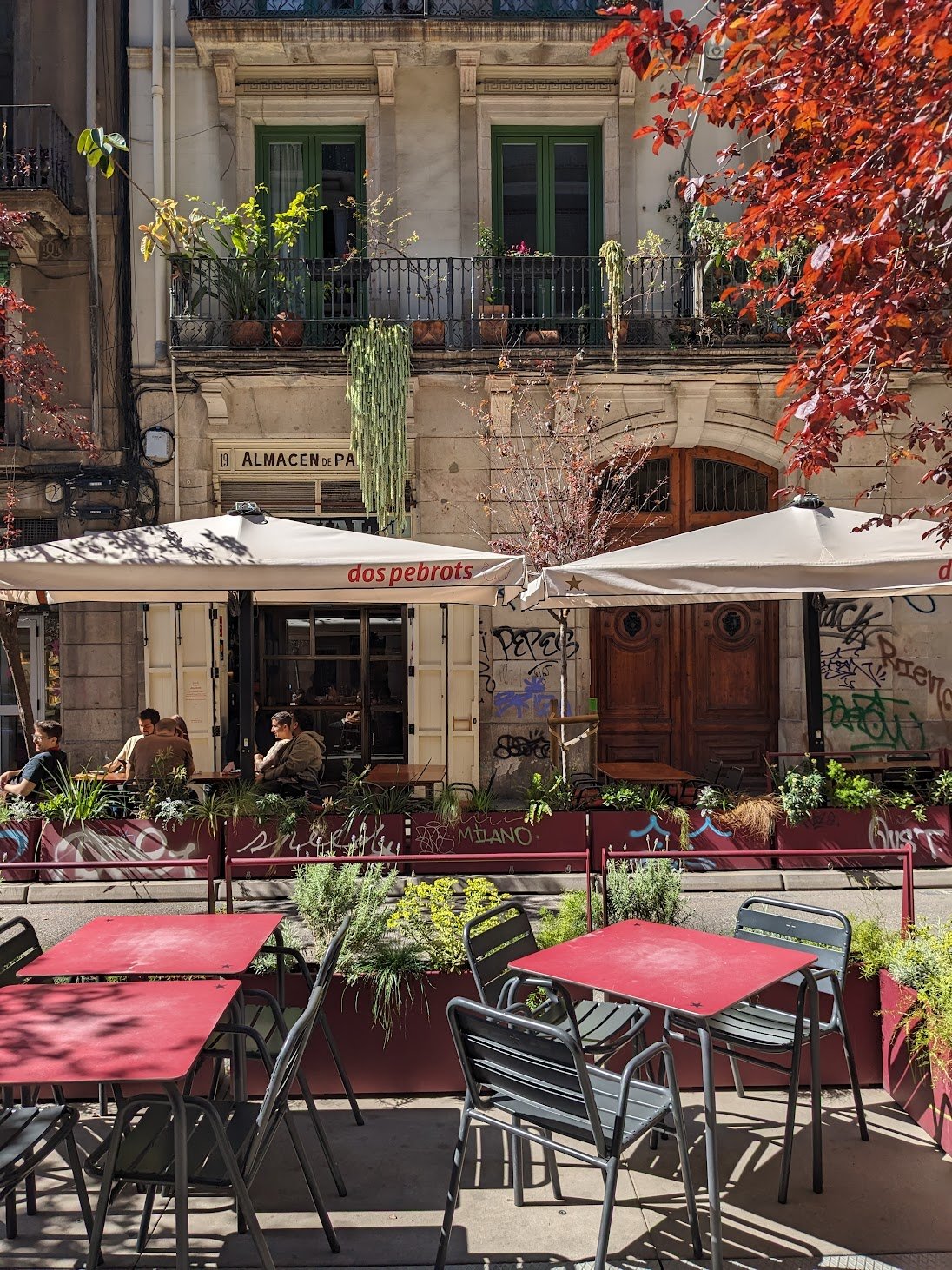
Barcelona Bars and Restaurants
Contracorrent: A natural wine bar, out of the touristy zones, with great food and hospitality.
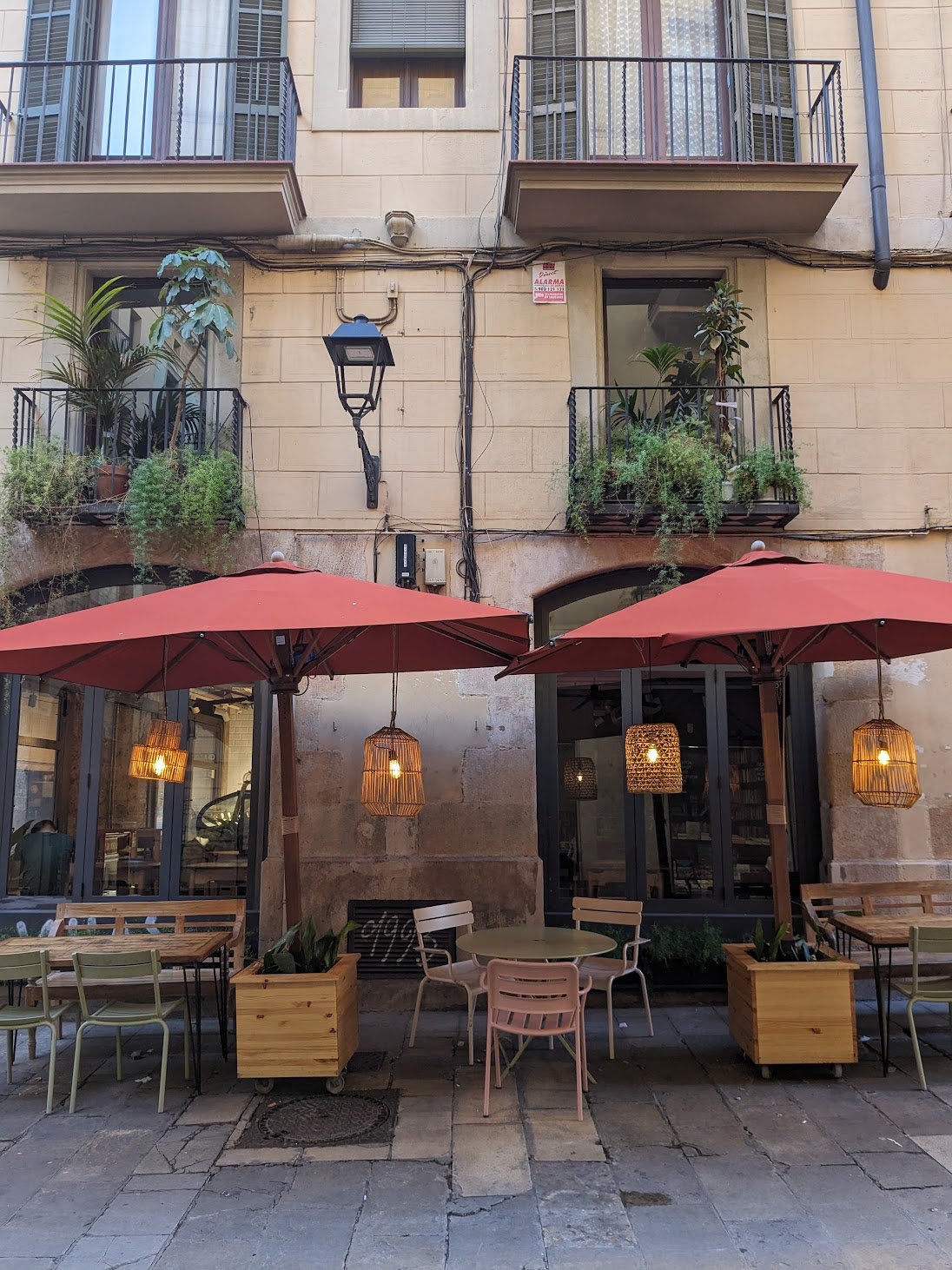
Denassus: My favorite wine and tapas bar in Poble Sec, snag a sidewalk table on this cute street.
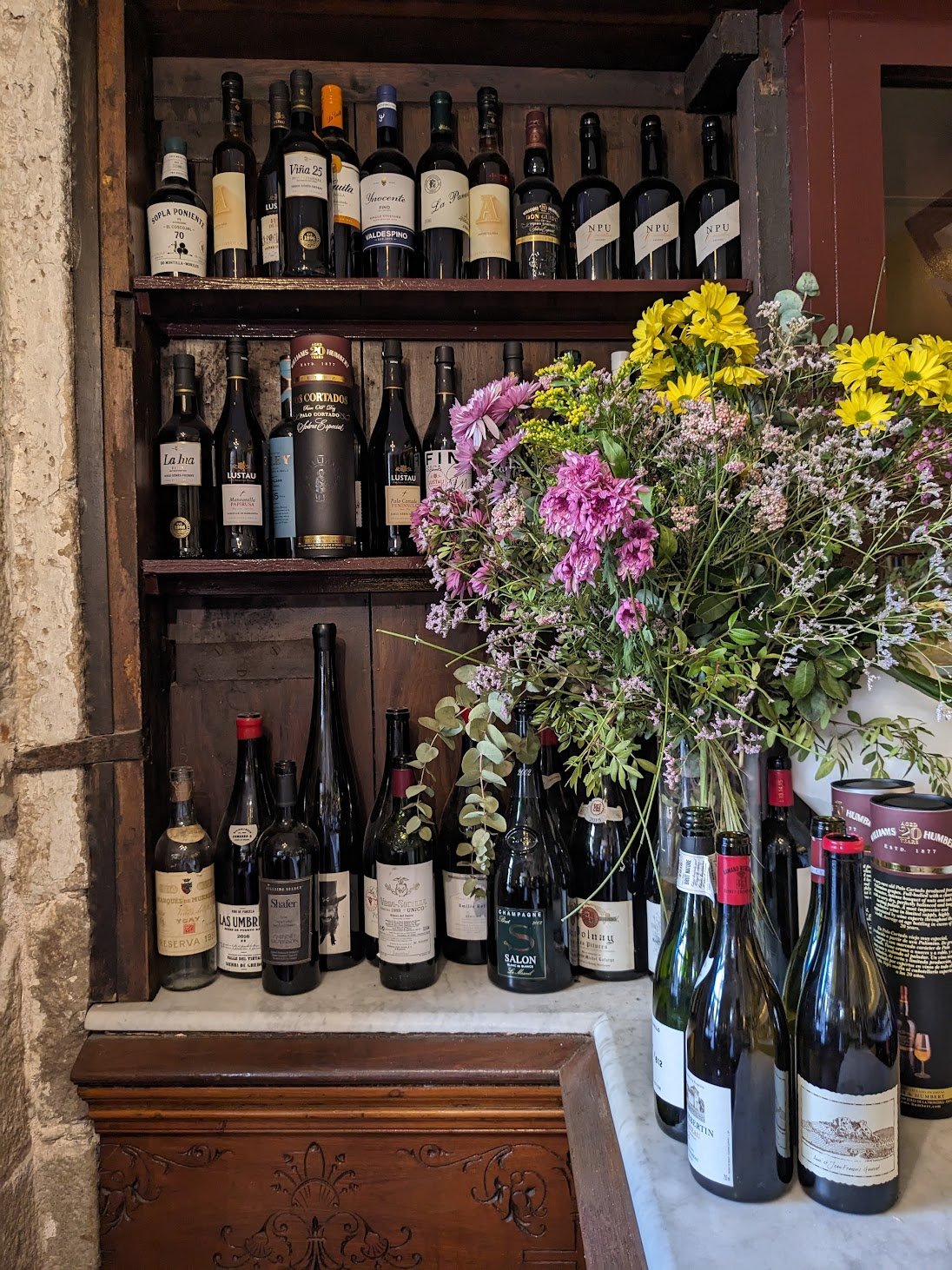
Vinya del Senyor: For the wine nerds, this place is an institution with a massive wine list.
Mehman Khanna: Excellent authentic Indian when you need a break from tapas.
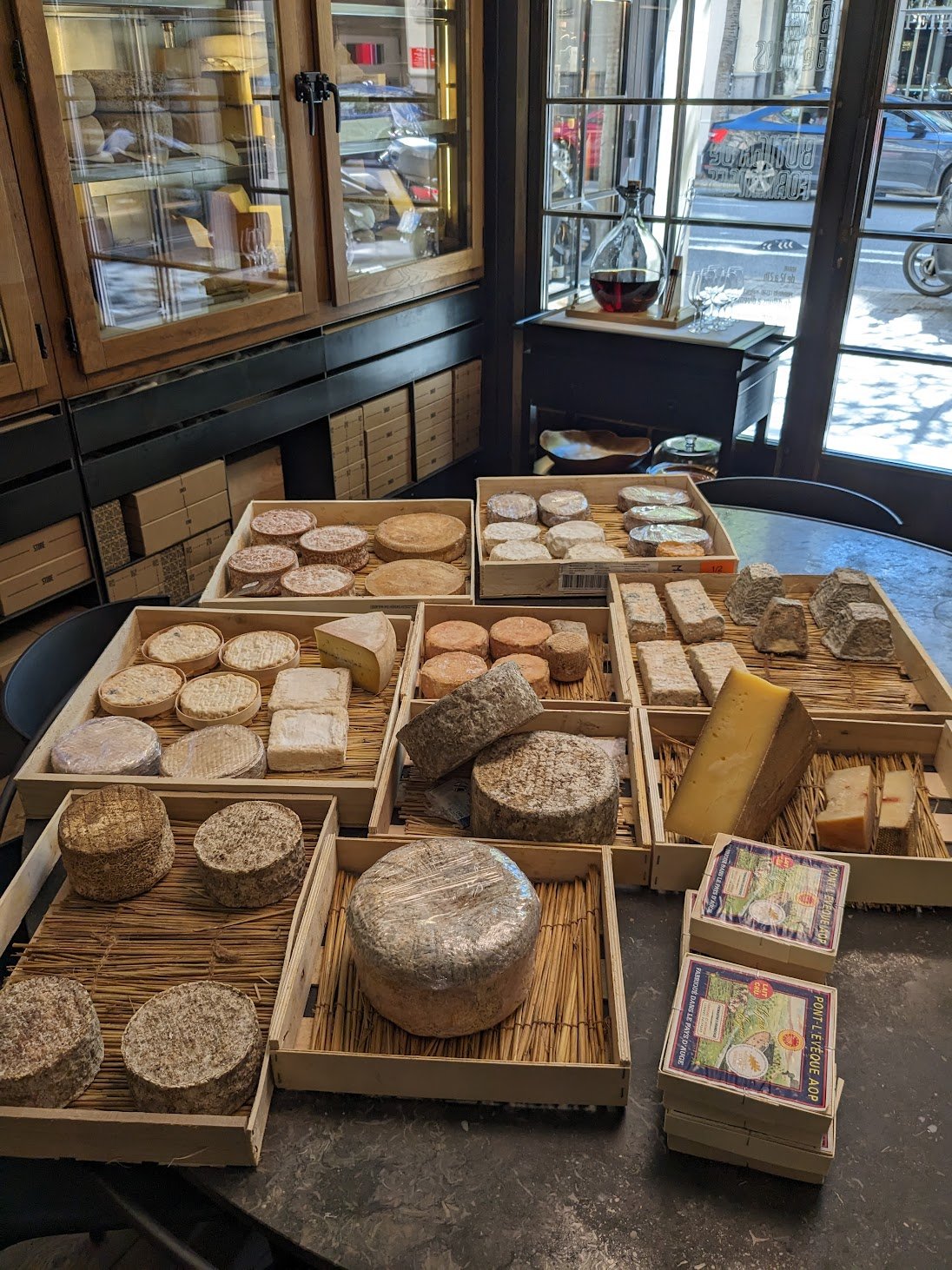
Mon Vinic: Half shop, half high end, international wine bar. Their meat and cheese cellar surrounds you and was the best of each all week.
Bar Mut: Wine and raw bar in Eixample. Great place to stop after or before Gaudi tours.
Cellarer: Another Eixample bar, more casual and features mainly Spanish wines.
Amovino: Education forward wine bar and studio space with public and private classes.
Pachuco: Spanish tacos, locals only, best Margarita I’ve had in years.
Bar Thonet: Known for roasted chicken croquettes (less common than pork), great for dining solo at the bar.
El Chigre: Casual, authentic Catalan with very impressive tapas. Get a reservation.
Orvay: New, modern wine bar in El Born with a creative and innovative menu.
Mariposa Negra: Serious cocktail bar serving creative drinks in pottery vessels.
L'Anima del Vi: Chill, unpretentious, natural wine. Very European.
Pet Nat: Super cool natural wine bar, but best to go with a group due to table arrangement.
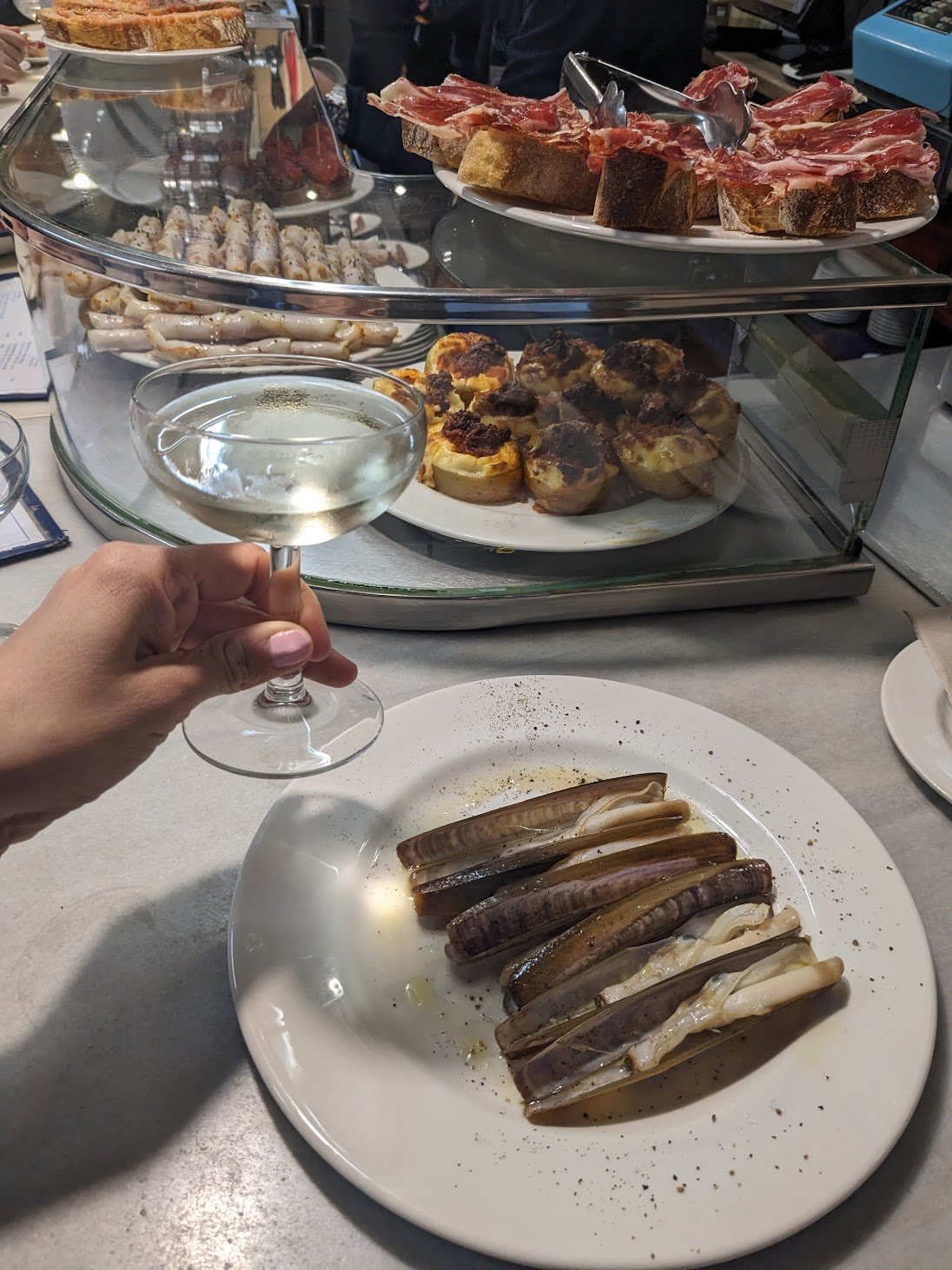
Xampanet: Traditional tapas and pintxos served by old school pros. Worth the wait.
Viblioteca: Modern wine bar with an Asian-Catalan fusion menu that paired well with the mainly natural selection.
Bar Salvatge: Super hip natural wine bar with a young local crowd and simple tapas. Felt like Brooklyn.
Tattoo artist: @Fervescentattoo (on IG) did an incredible job (oh, yes I did)
Wineries:
Bouquet d’Alella: Boutique, family-owned winery in a stunning, hillside setting near the ocean.
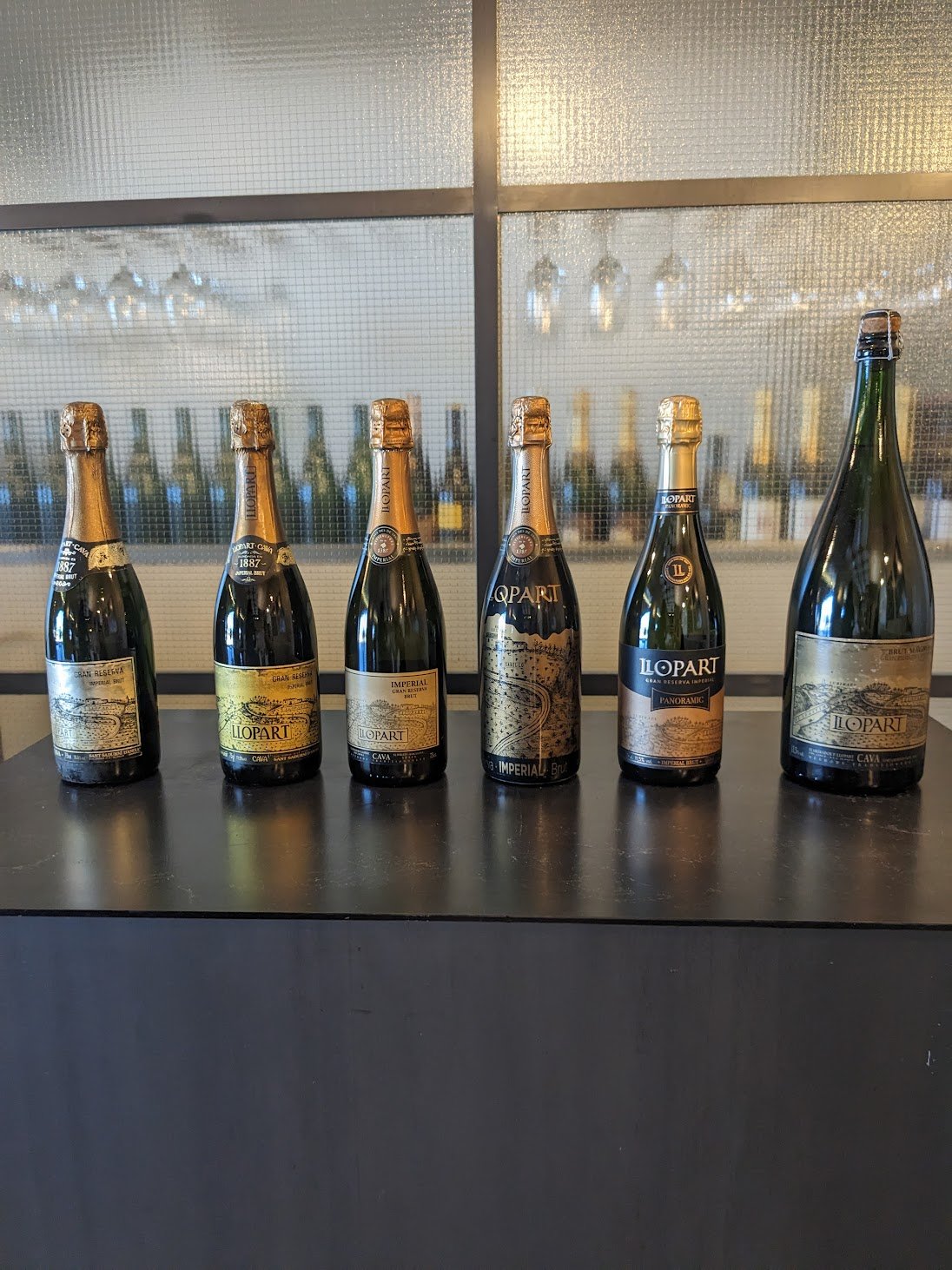
Llopart: A Corpinnat winery in Penedes. Essentially one of 12 organic producers with more production requirements than your average Cava. Mainly Sparkling, loved everything.
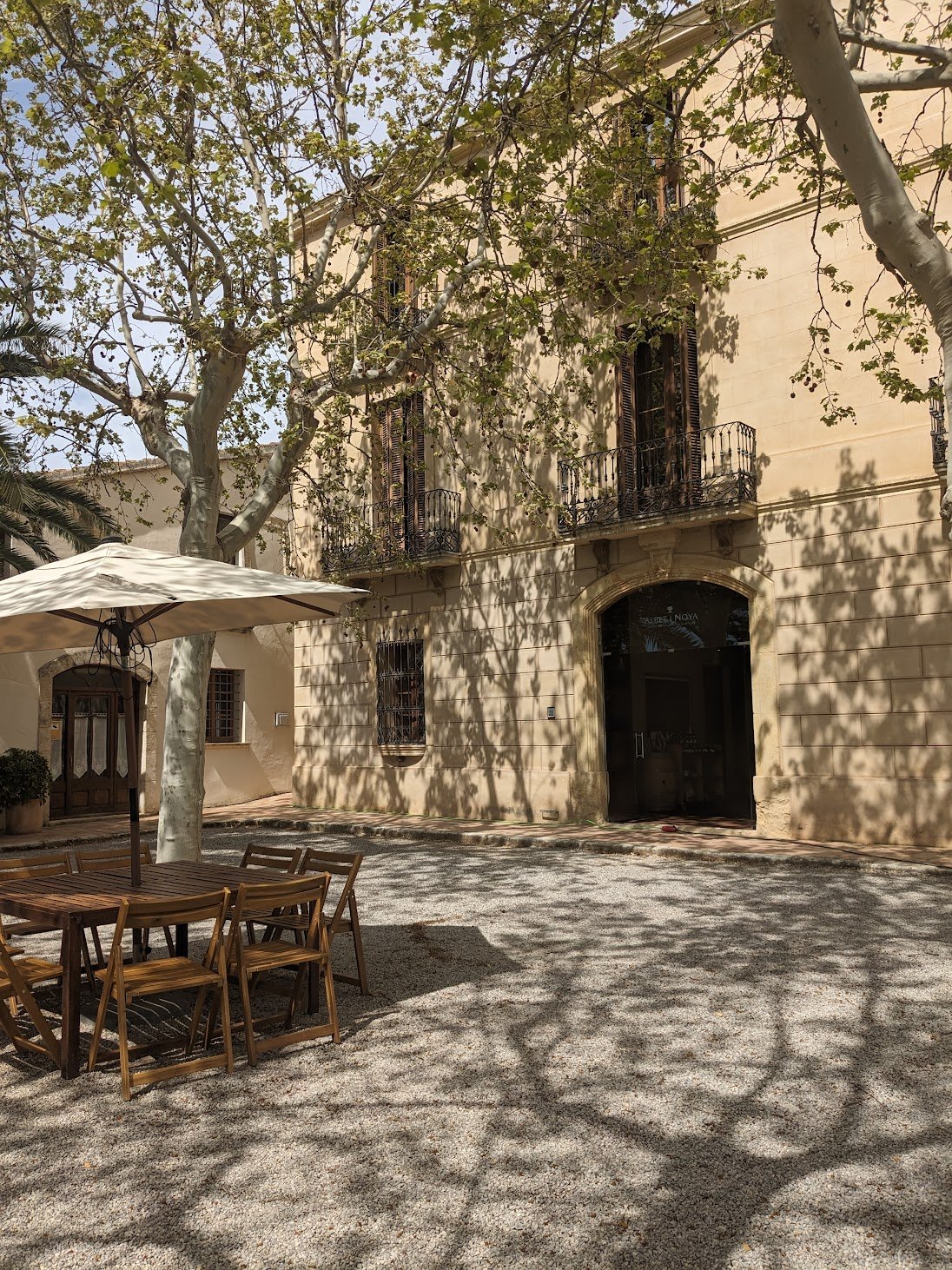
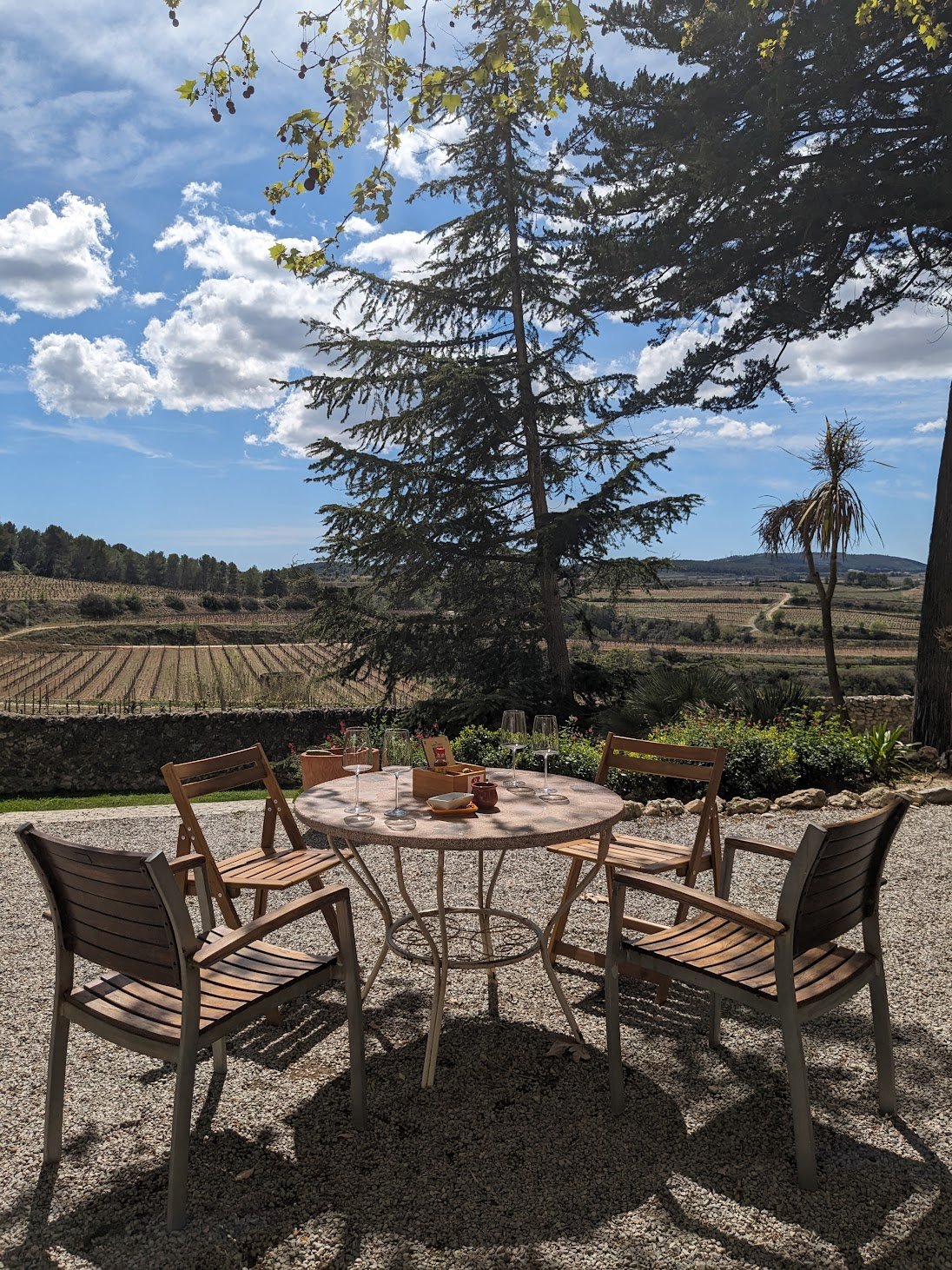
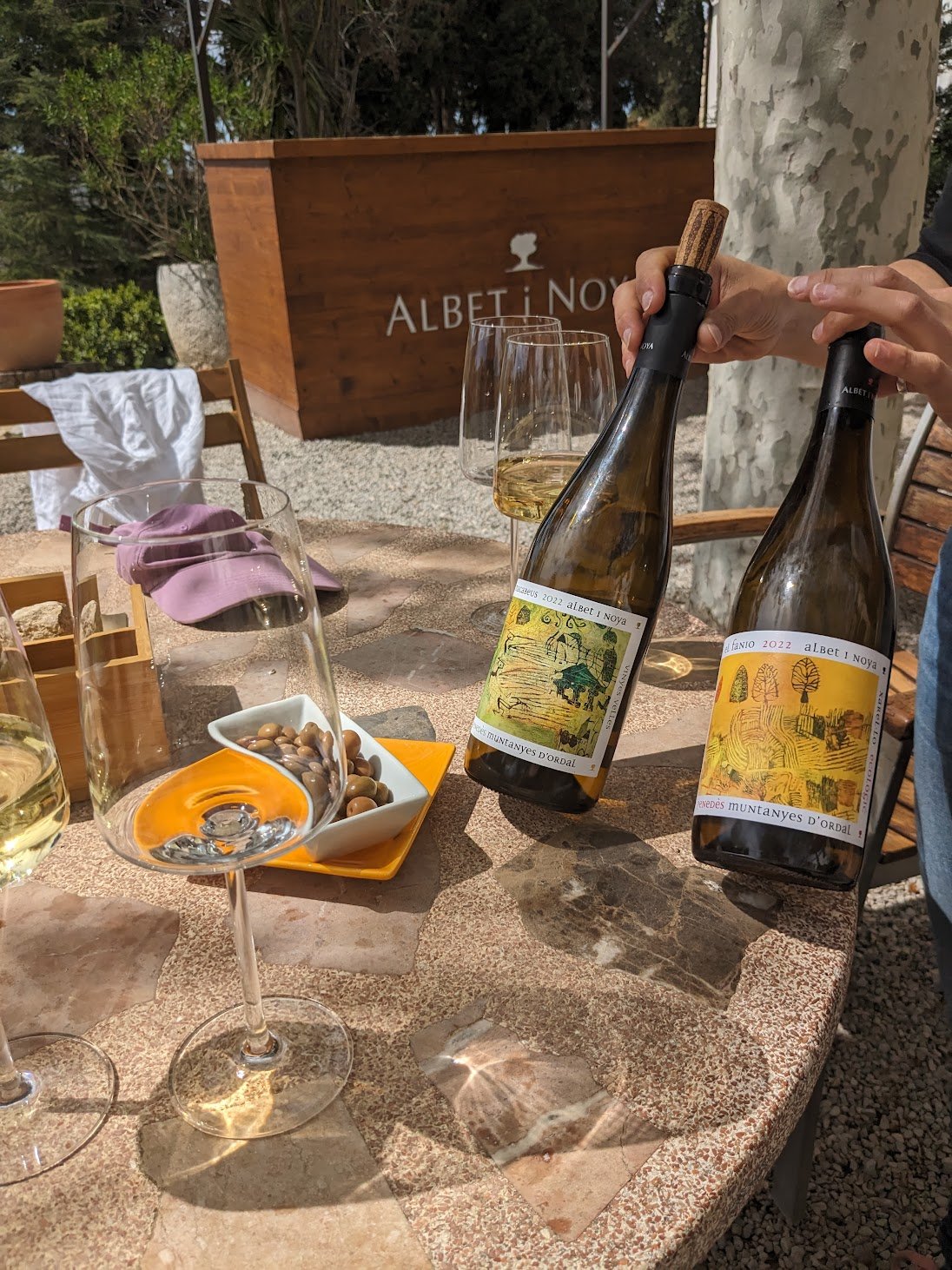
Albet I Noya: Boutique Penedes winery with a breathtaking mountain view. Several still and sparkling wines and blends, would have sat here all day.
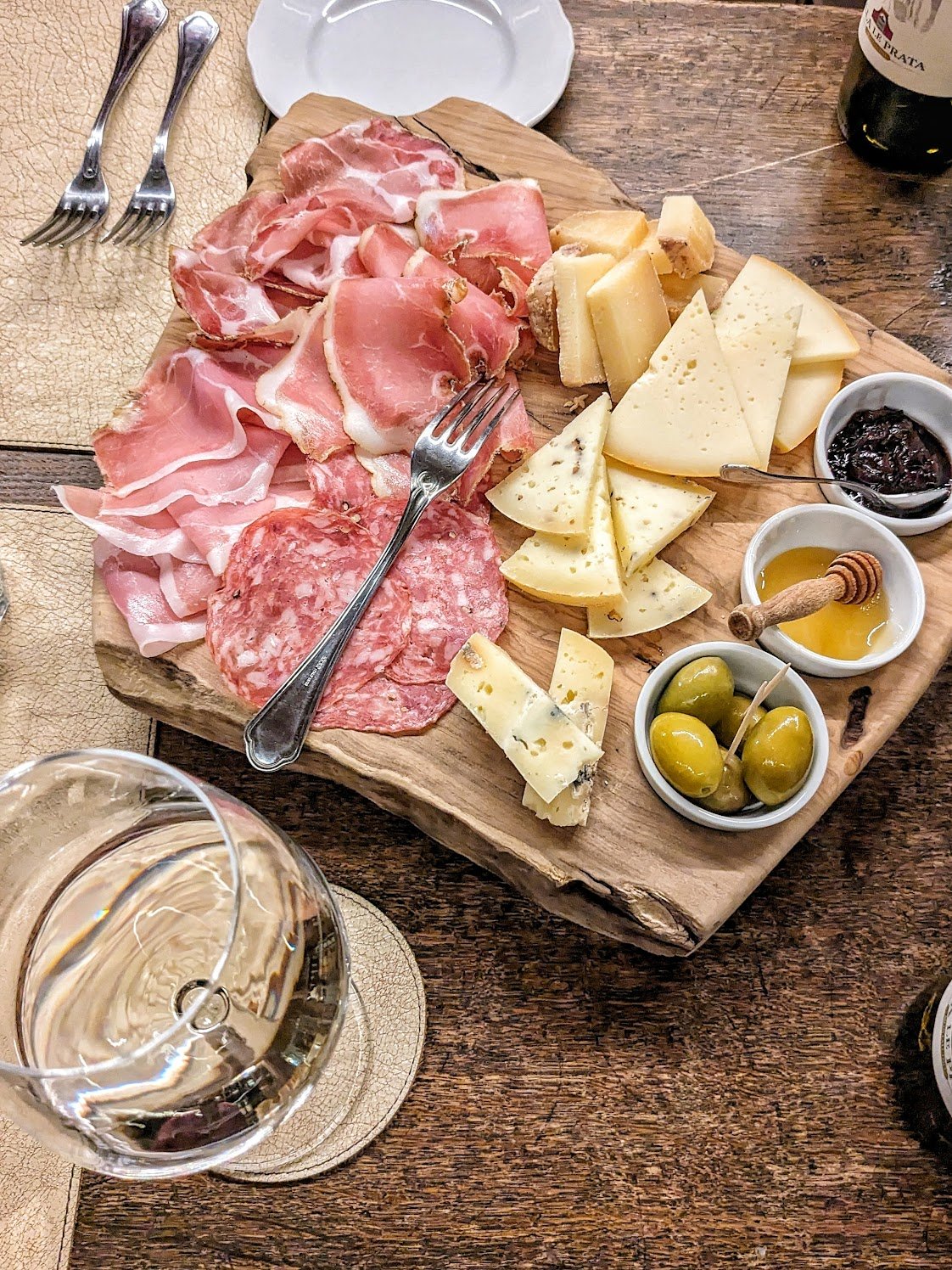
Café Jordana: This is a wine shop and tapas restaurant in Alella. Phenomenal bread, meat, truffles, cheese (a bit pricey, so worth it)
Alta Alella Winery: Closest winery to Barcelona (20 minutes) with vineyards located on the Serralada de Marina’s Natural Park. Based solely on organic farming, they have a wide range of sparkling and still wines. Unforgettable tasting experience, book well in advance.
My Weekend in Montalcino
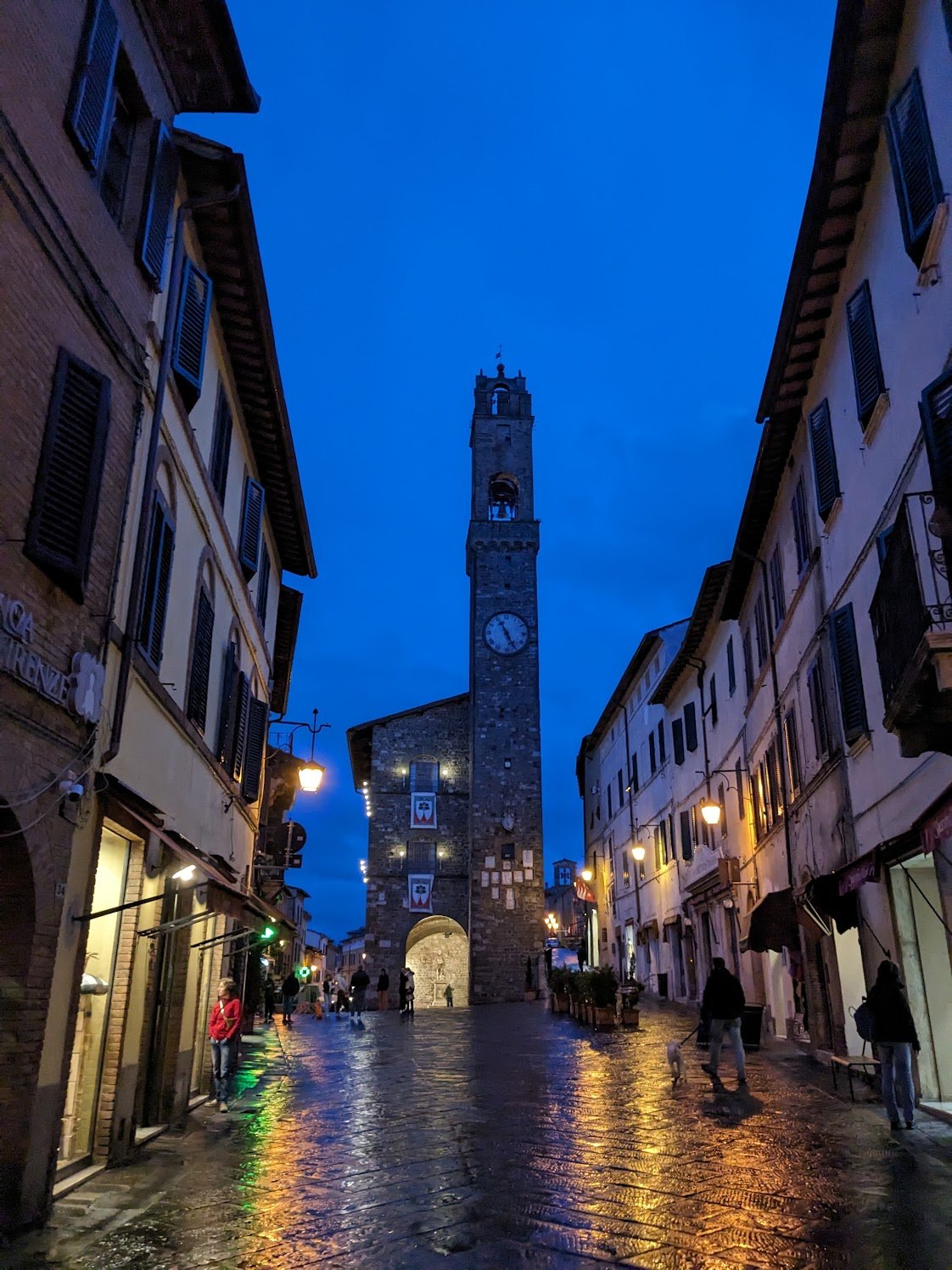
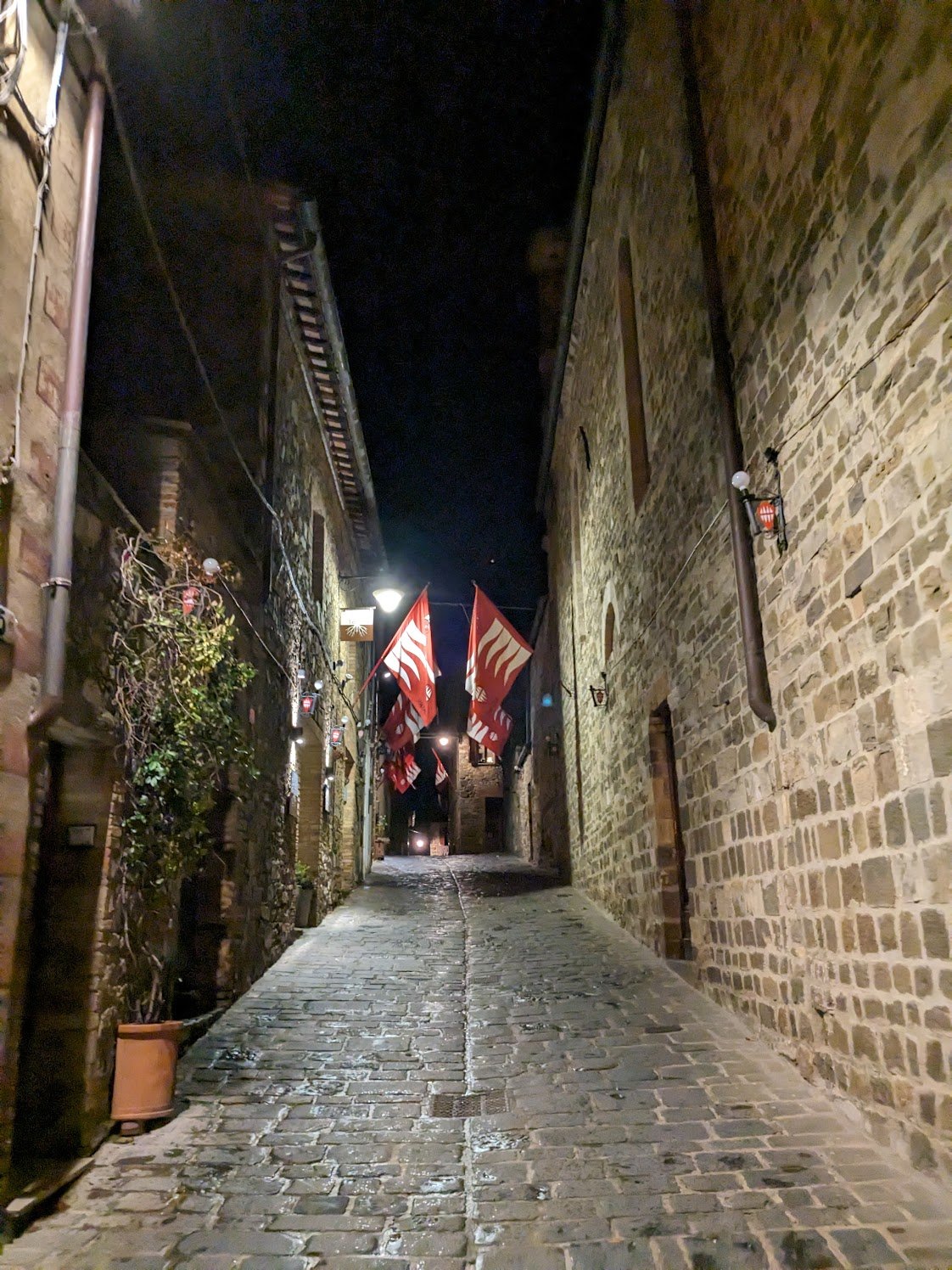
The medieval, mountain-top town of Montalcino will leave you undeniably awestruck. The scenic streets are full of charming shops and traditional Tuscan eateries, along with fortresses that date back to the 10th century BC. Panoramic views of perfectly manicured vineyards had me eager to explore Sangiovese at its best. We toured eight wineries, had some remarkable meals, and stayed at this Airbnb in town.
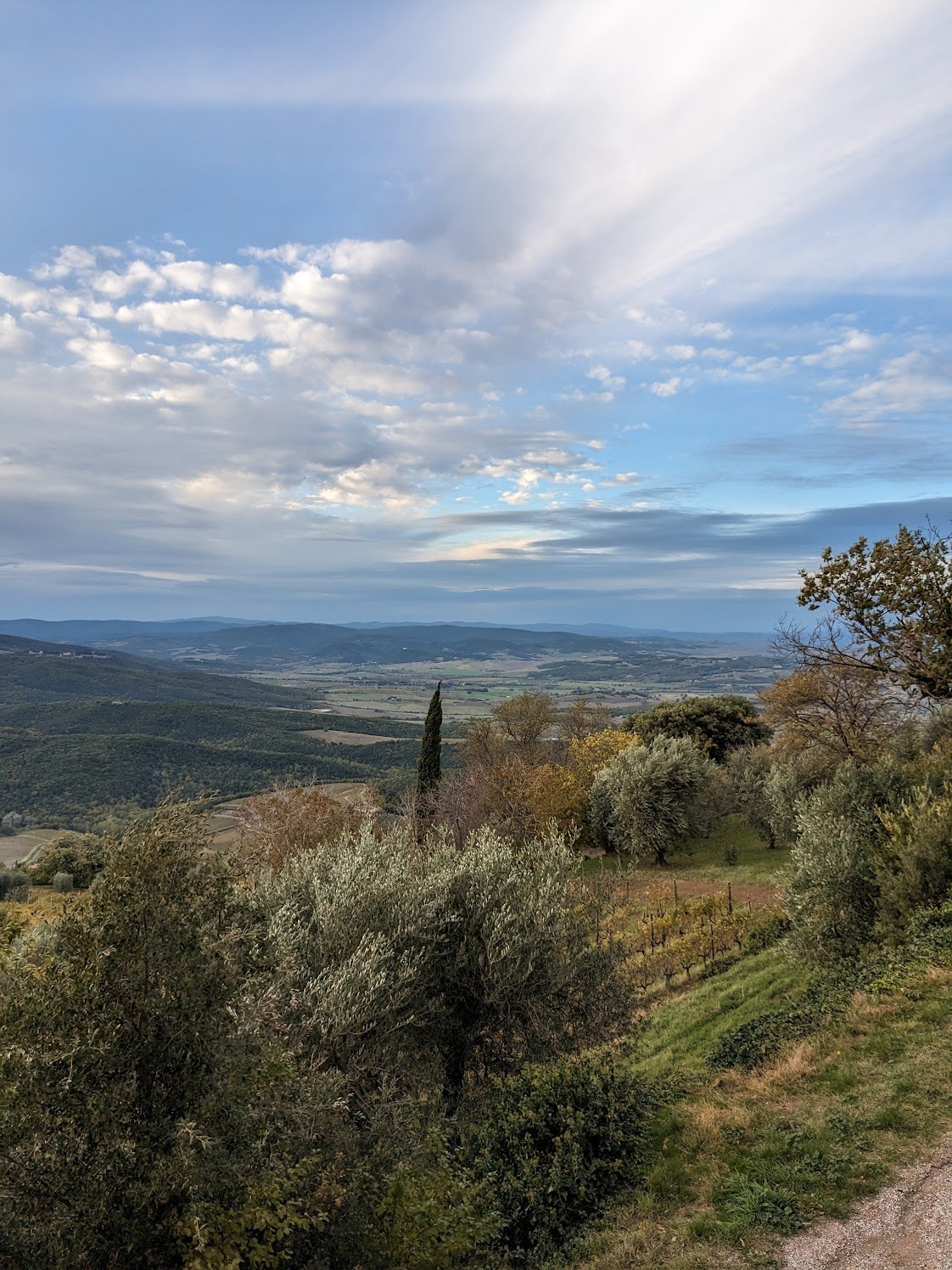
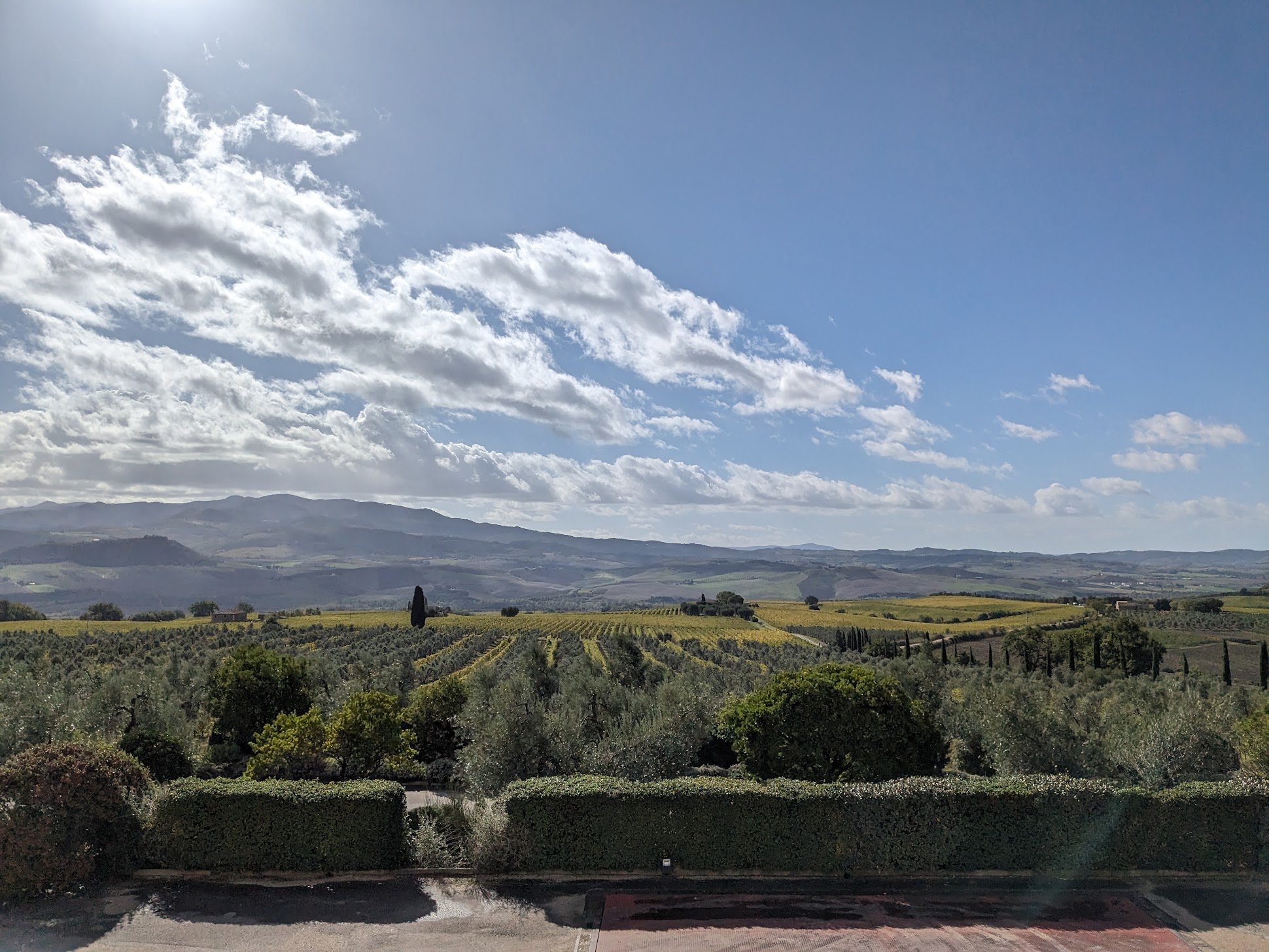
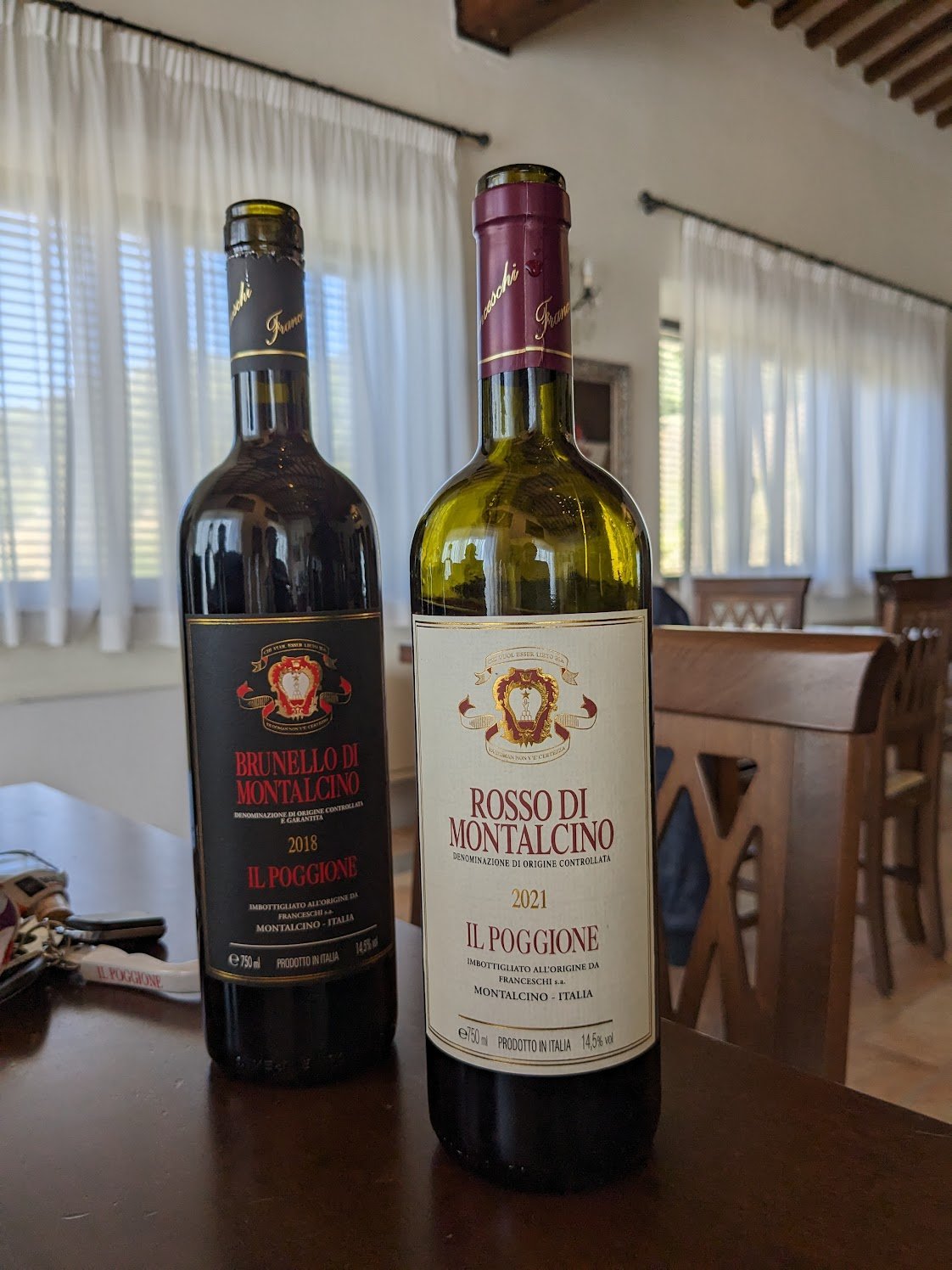
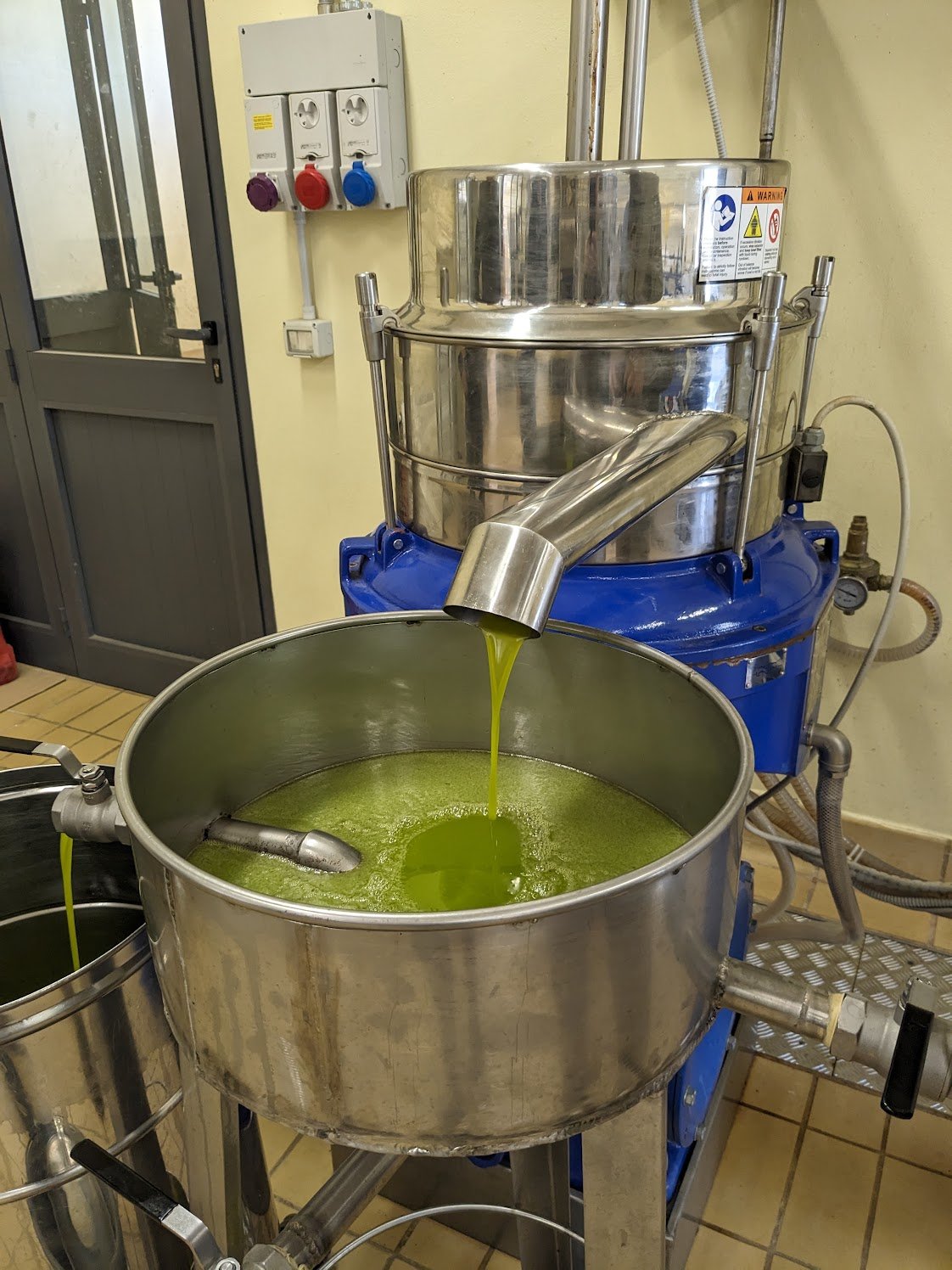
First stop was Il Poggione, one of the first wineries to market Brunello di Montalcino in the early 1900s. They own over 300 acres of vines, and the winery (built in 2004) is located 15 minutes south of Montalcino by car. Upon arrival, the team were harvesting olives, and completed the ‘23 wine vintage two weeks prior. We tasted the 2021 Rosso di Montalcino, aged in a mix of large Slavonian cask and small, French barrique. Barrique aging for Sangiovese is considered a modern winemaking style, but this was well-integrated and we did not pick up on oak-influenced tasting notes. It was pleasant and ready to drink with notes of violet, apricot and eucalyptus. The 2018 Brunello was aged 36 months in Slavonian cask, with bold flavors of tobacco smoke and cherry jam. While beautiful today, it was clear that this wine had another decade before reaching its peak.
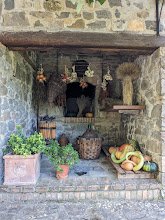
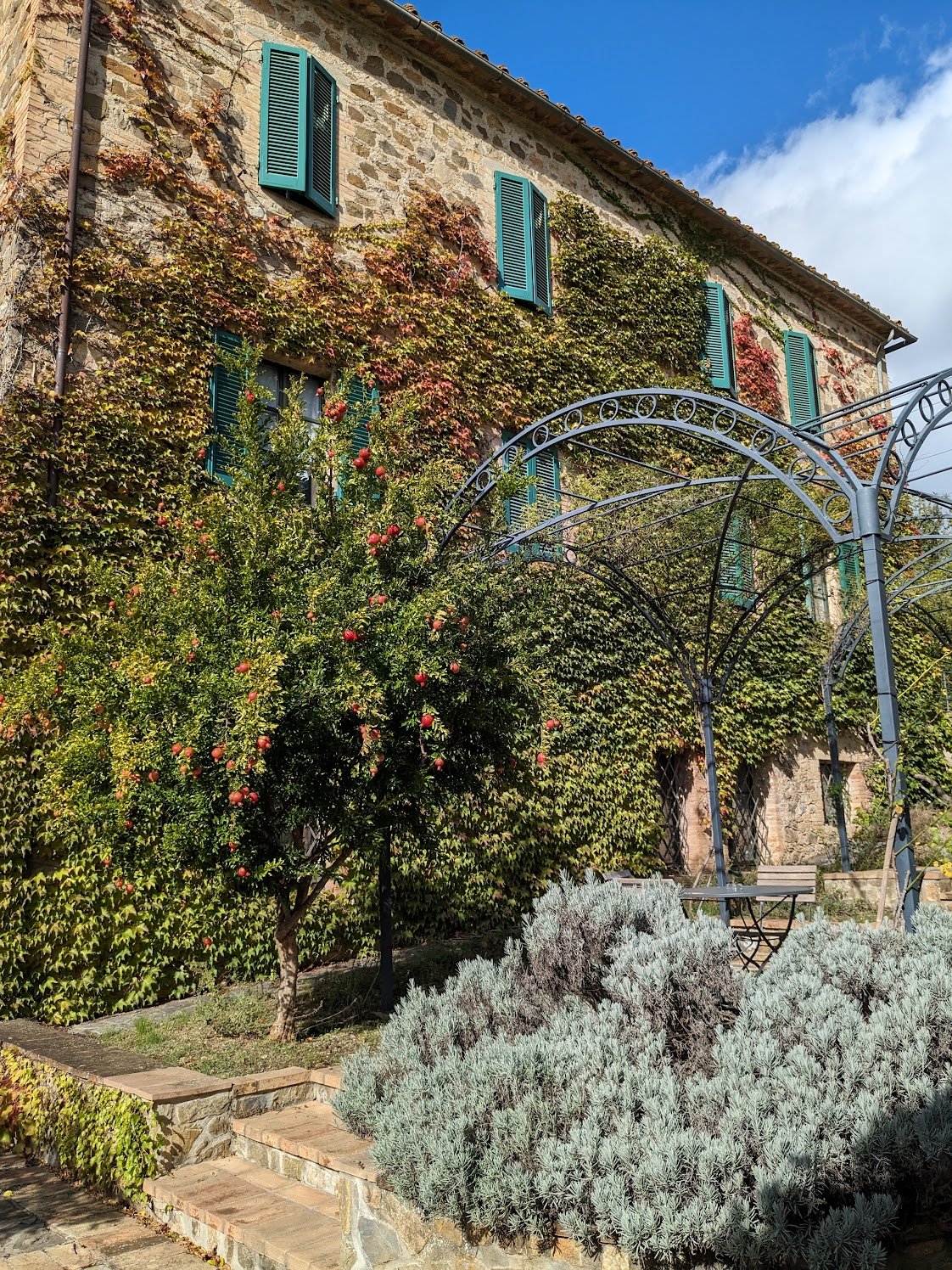
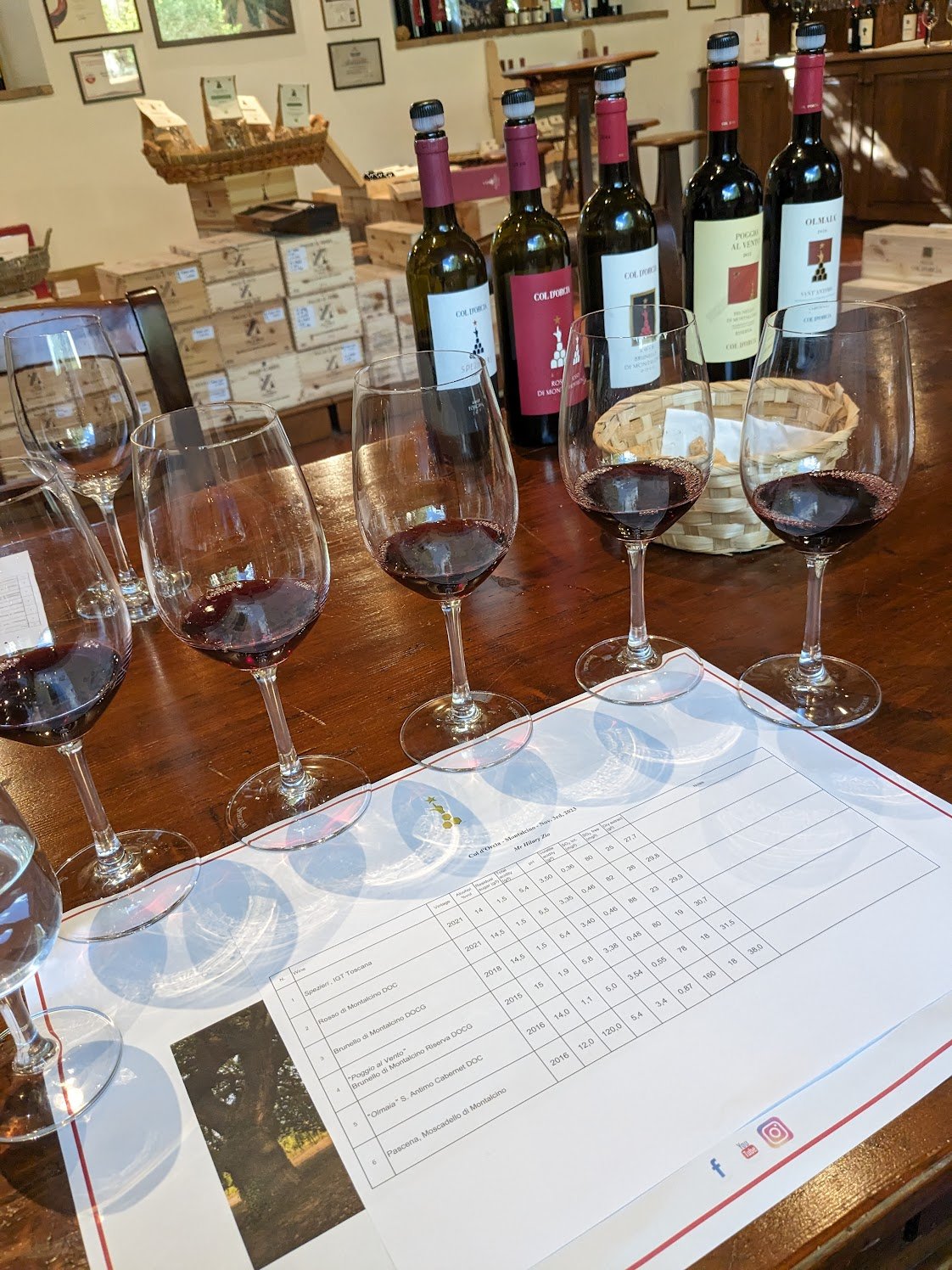
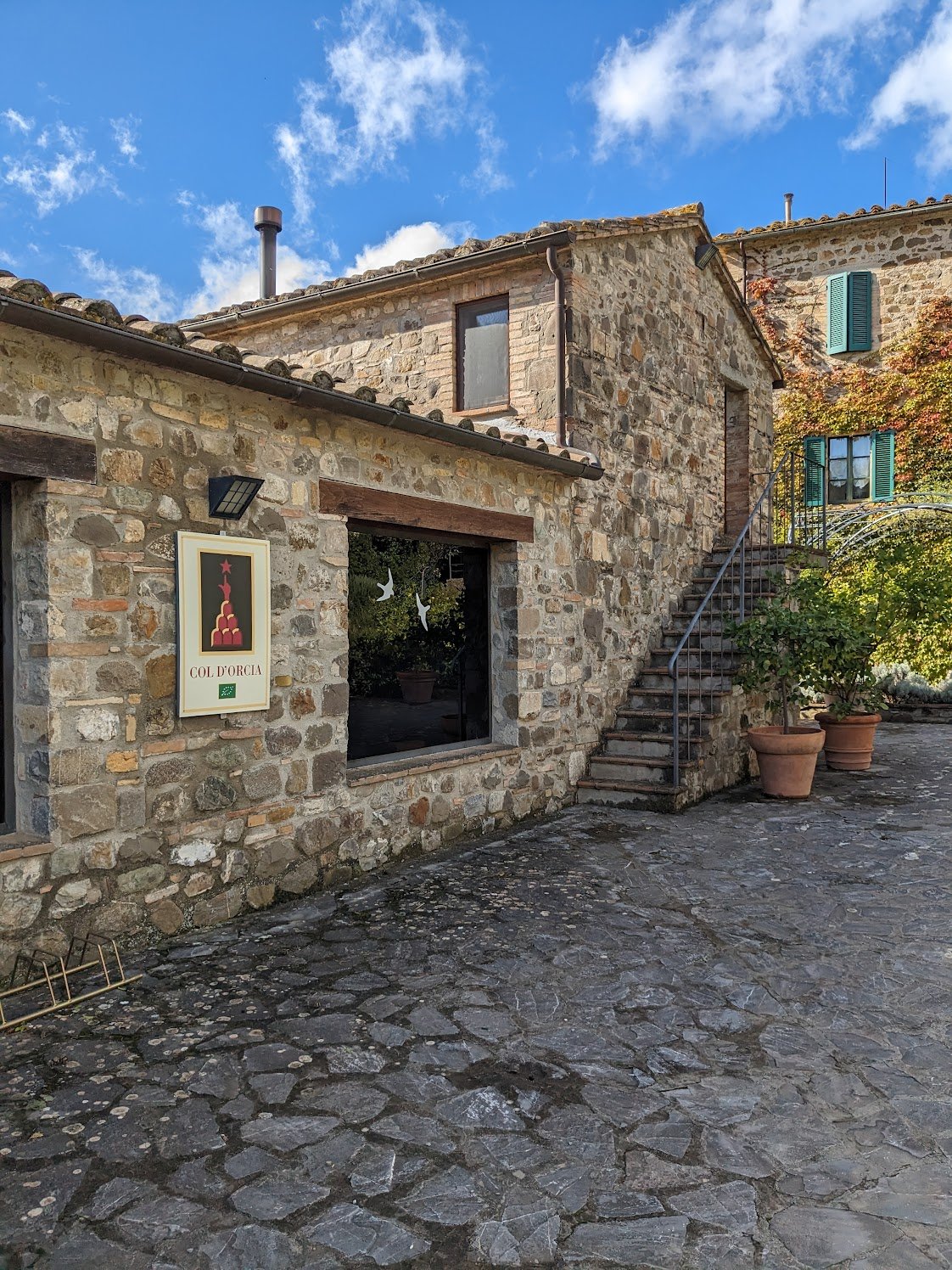
Our next stop, Col d’Orcia was just 5 minutes south of Il Poggione. In fact, the two estates were together under the name Fattoria Sant’Angelo until 1933 when Lavinio Franceschi’s grand children split land ownership. 400 of the estate’s 1350 acres are dedicated to vines, 2/3 of which are Sangiovese. The estate has been certified organic since 2013, but practicing since much longer. They are the largest organic winery in Montalcino, and 3rd in terms of Brunello production. We tried several delicious wines here, including the 2021 Rosso di Montalcino. The fruit comes from their Sant'Angelo hill, 250 meters above sea level and southern-exposed, overlooking the Orcia river. It was fermented around 10 days in temperature-controlled tanks before 9 months of aging in Slavonian cask and concrete tanks. Berries and spices fill the nose, with lifted acidity from the cool vintage to follow. Another standout was the 2015 Brunello di Montalcino Poggio al Vento. This single vineyard faces the ocean, and the fine, sandy soil is filled with fossils beneath the vines. It was aged three years in Slavonian and Allier casks before 16 months of refinement in bottle. There is an elevated tannic structure, with notes of blackberry, dried herbs and leather. I’ll be letting my bottle rest for another seven years at least.
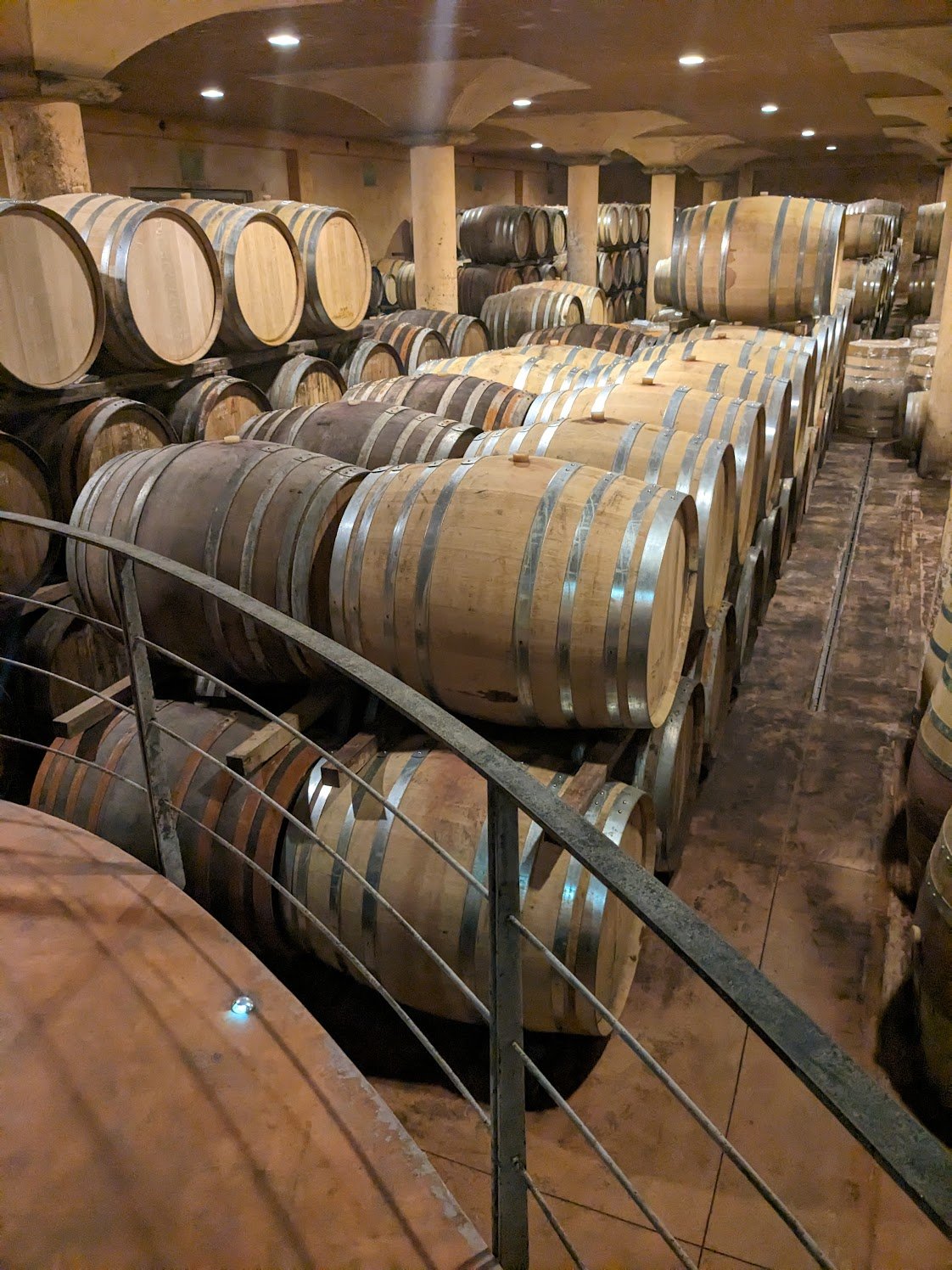
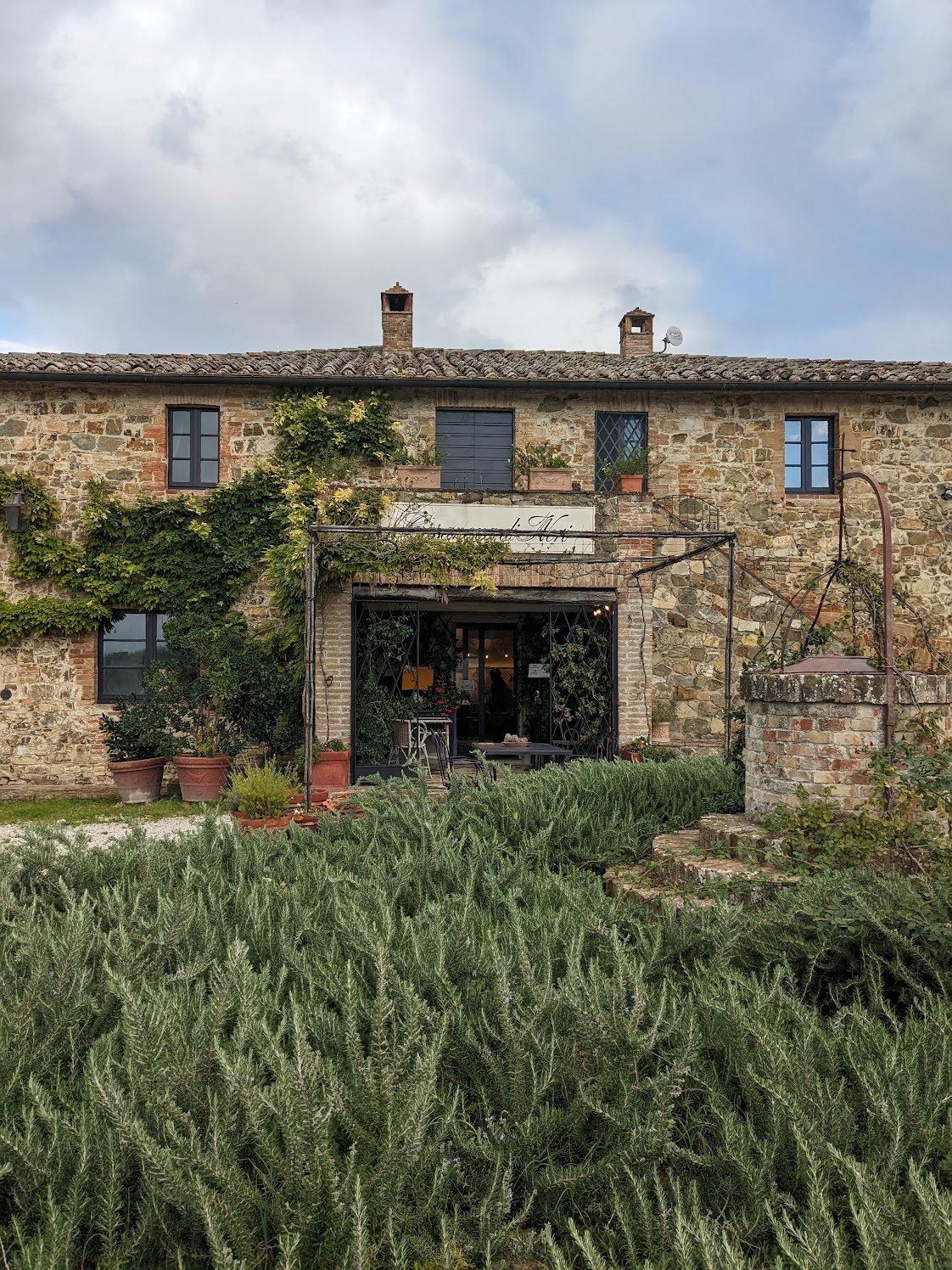
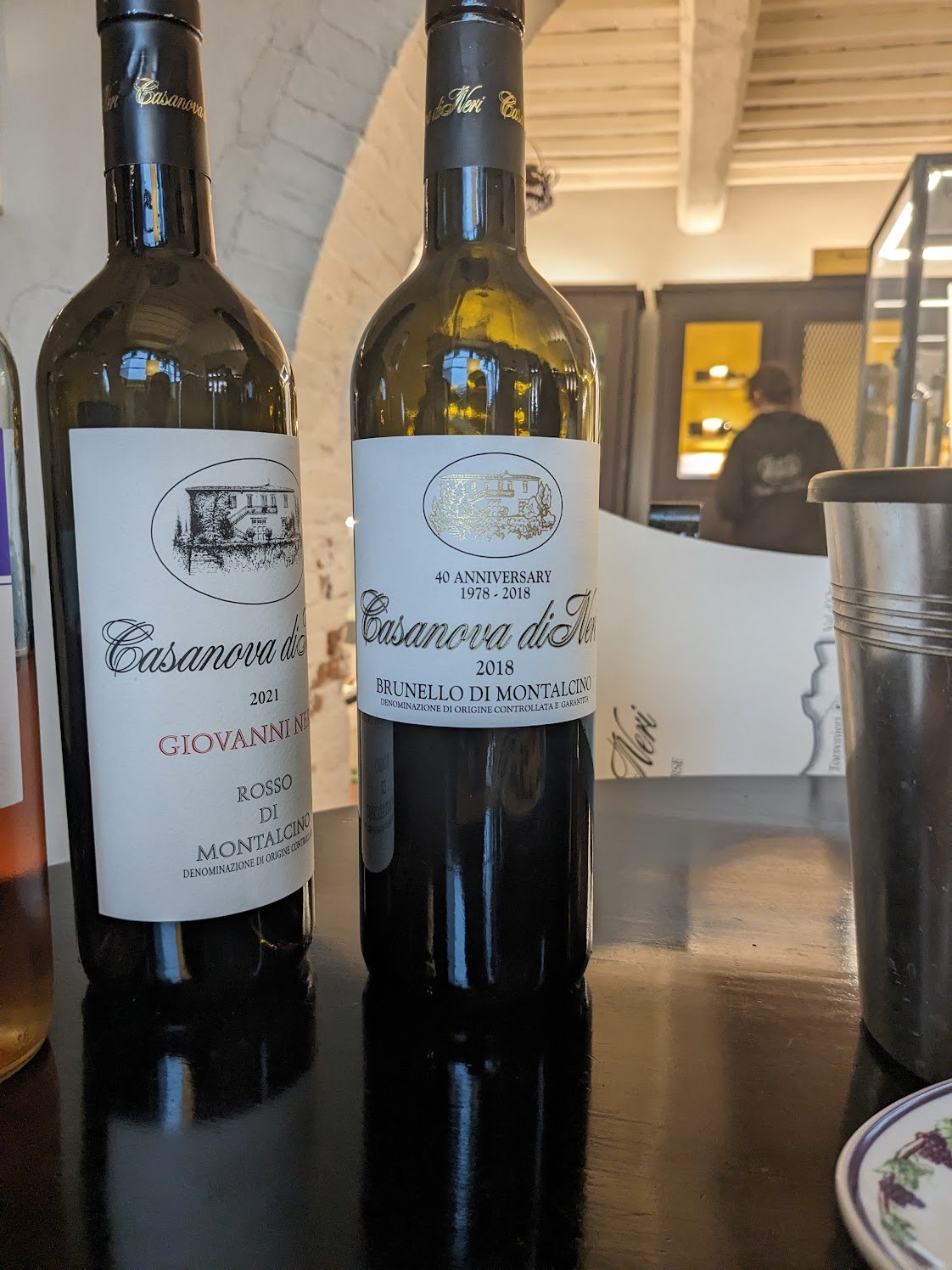
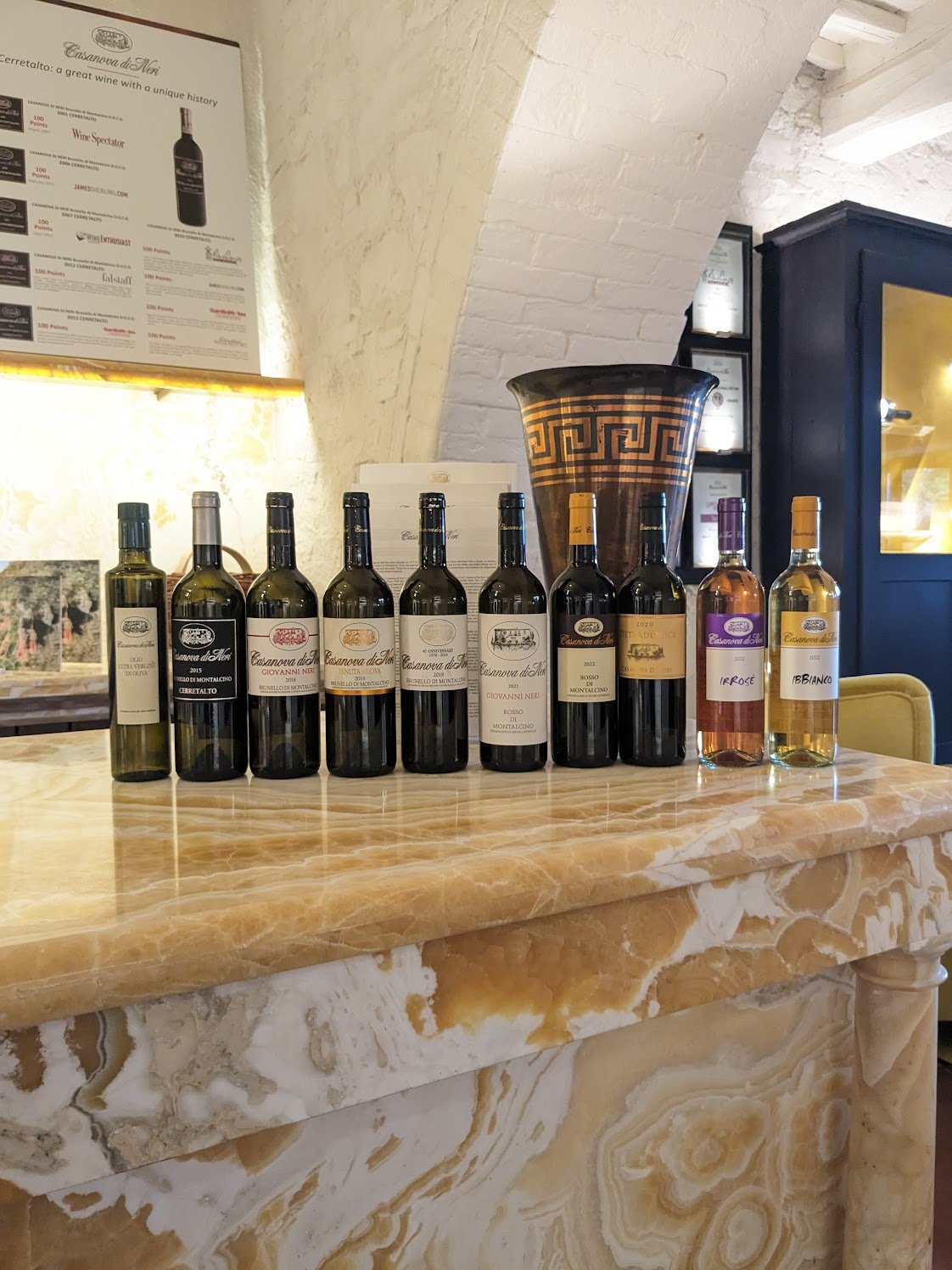
Casanova di Neri was next, just 5 minutes East of Montalcino. The notorious, Giovanni Neri founded the chemical-free winery in 1971. The estate produces ten wines from their 185 acres of seven very different plots, in terms of soil composition, exposure and microclimates. We tasted their lovely rosé of 100% Sangiovese. This saw 12 hours of skin contact before fermentation and six months in steel tank. Another memorable wine was the 2018 Tenuta Nuova from the Citrine Vineyard. Ripe raspberries, fig jam, aniseed and graphite were my notes on this lengthy Brunello, aged in tonneaux for 30 months. Firmly structured, this will be drinking best in 15 years.
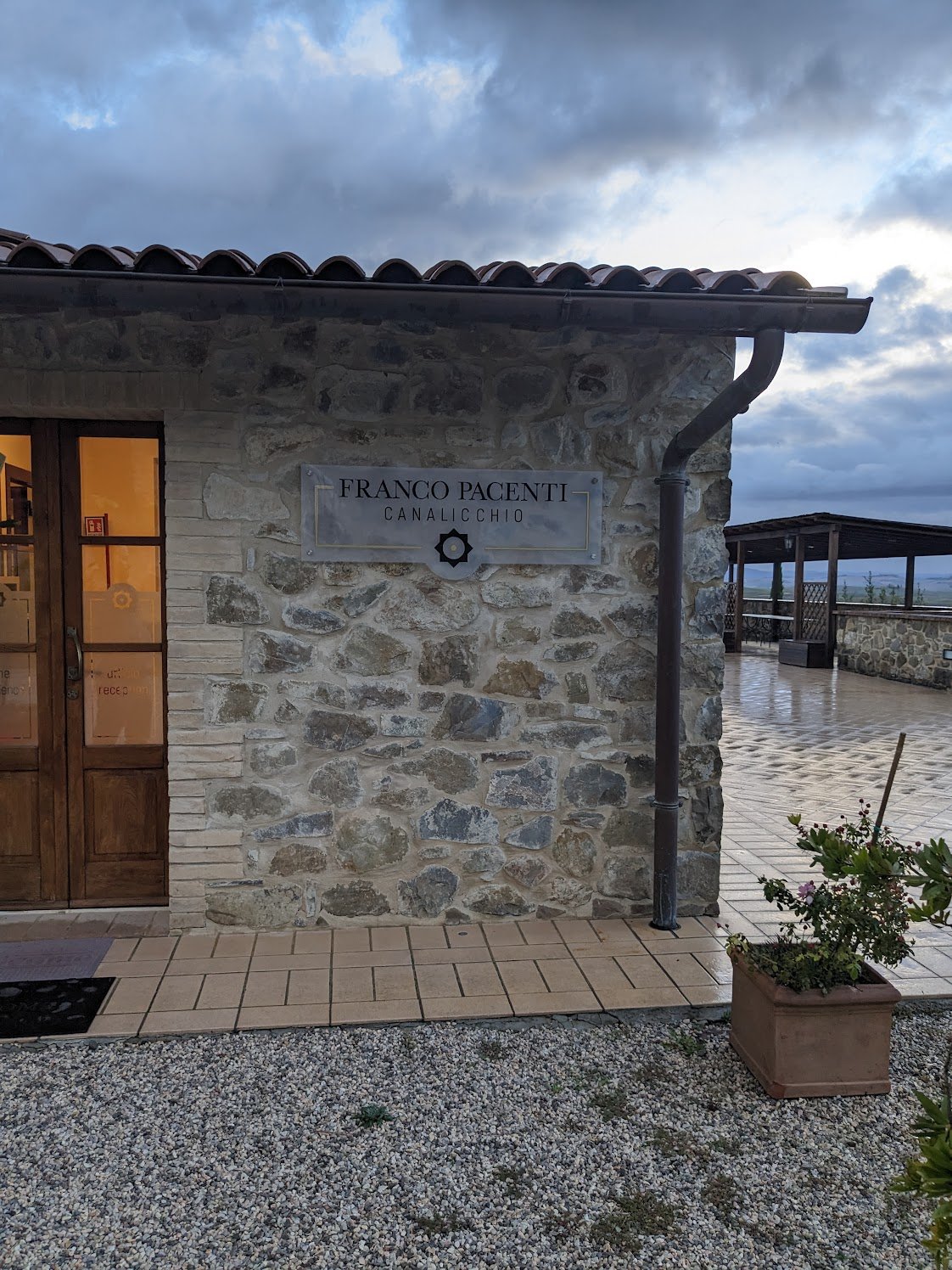
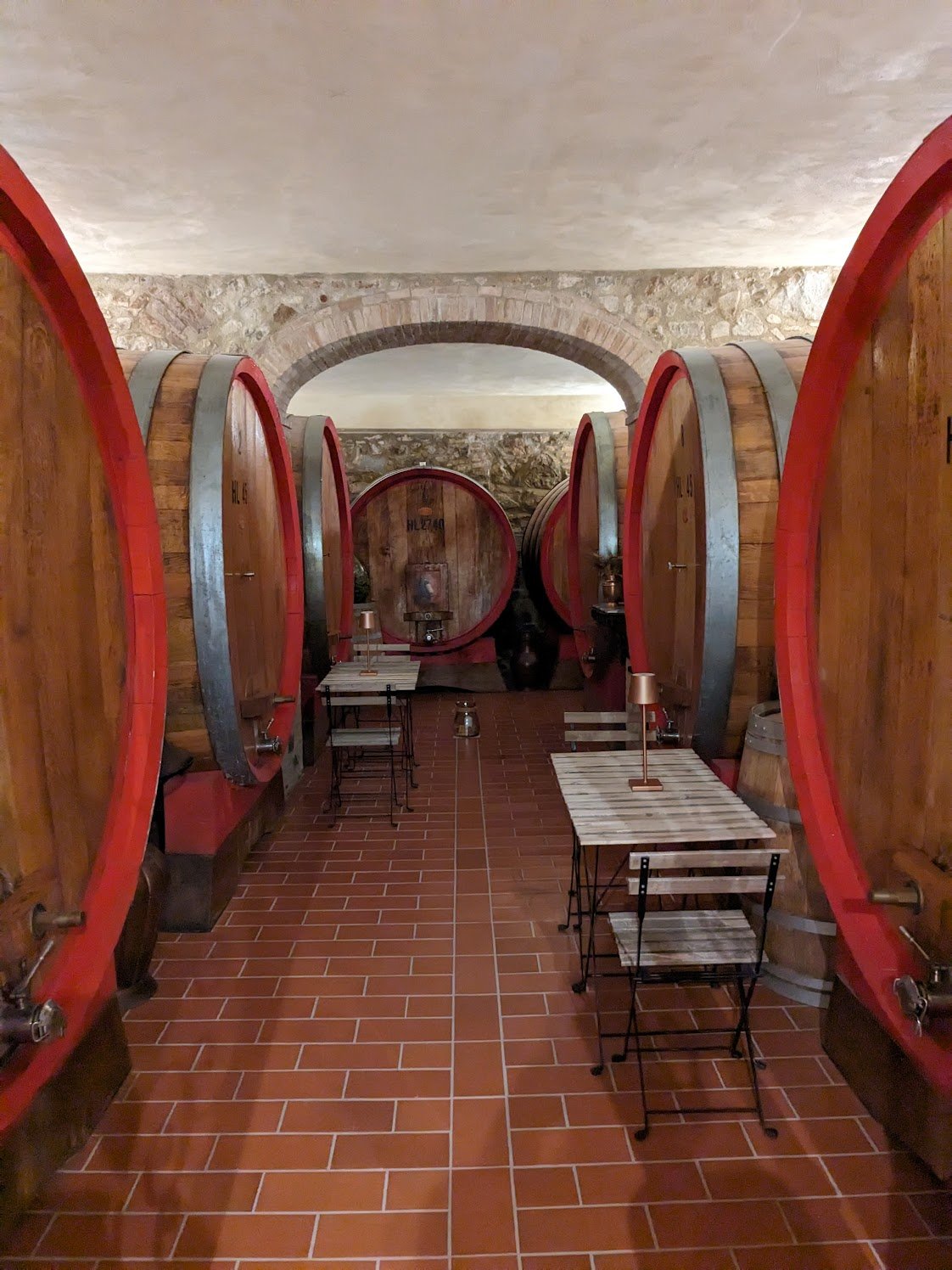
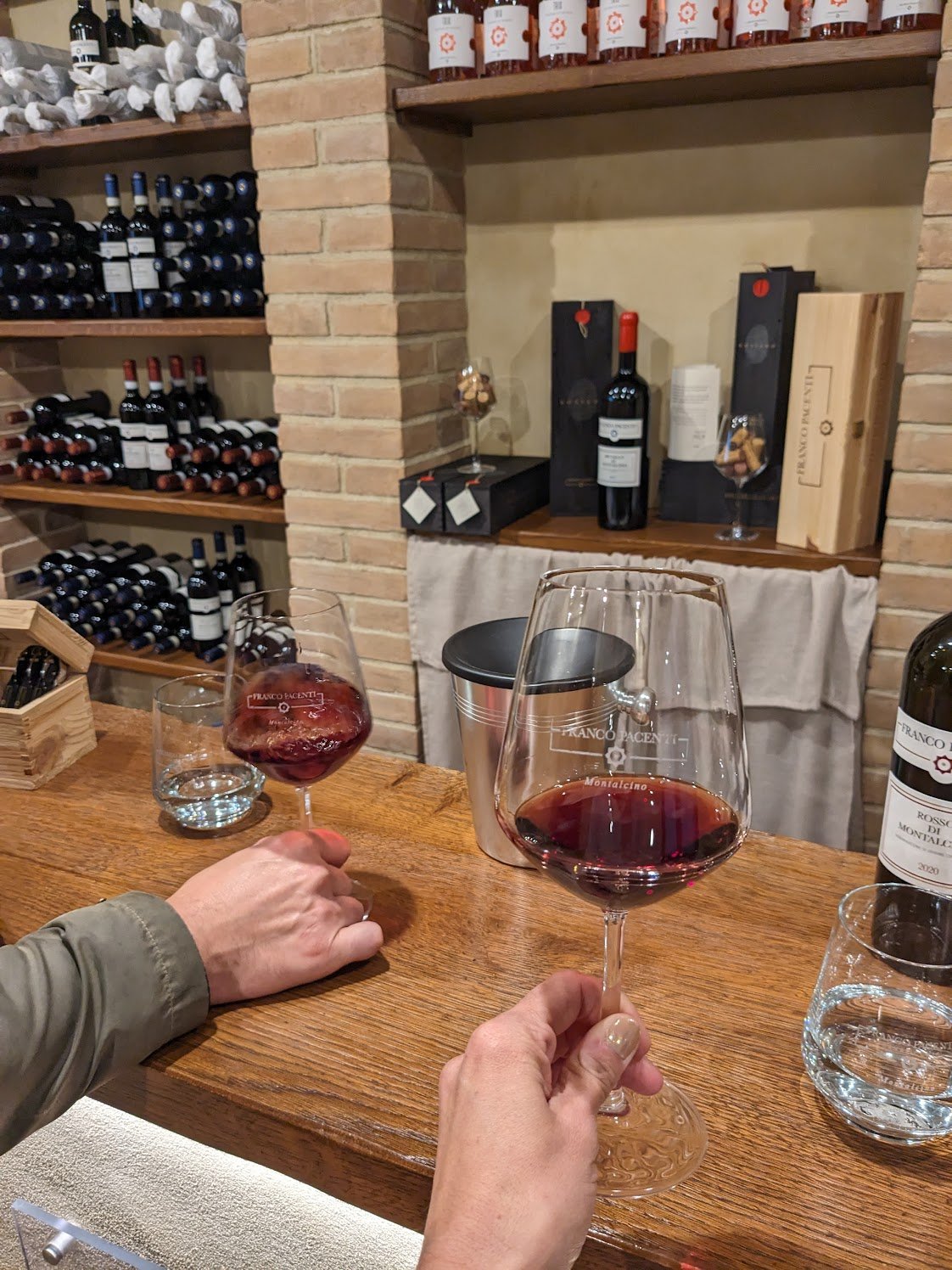
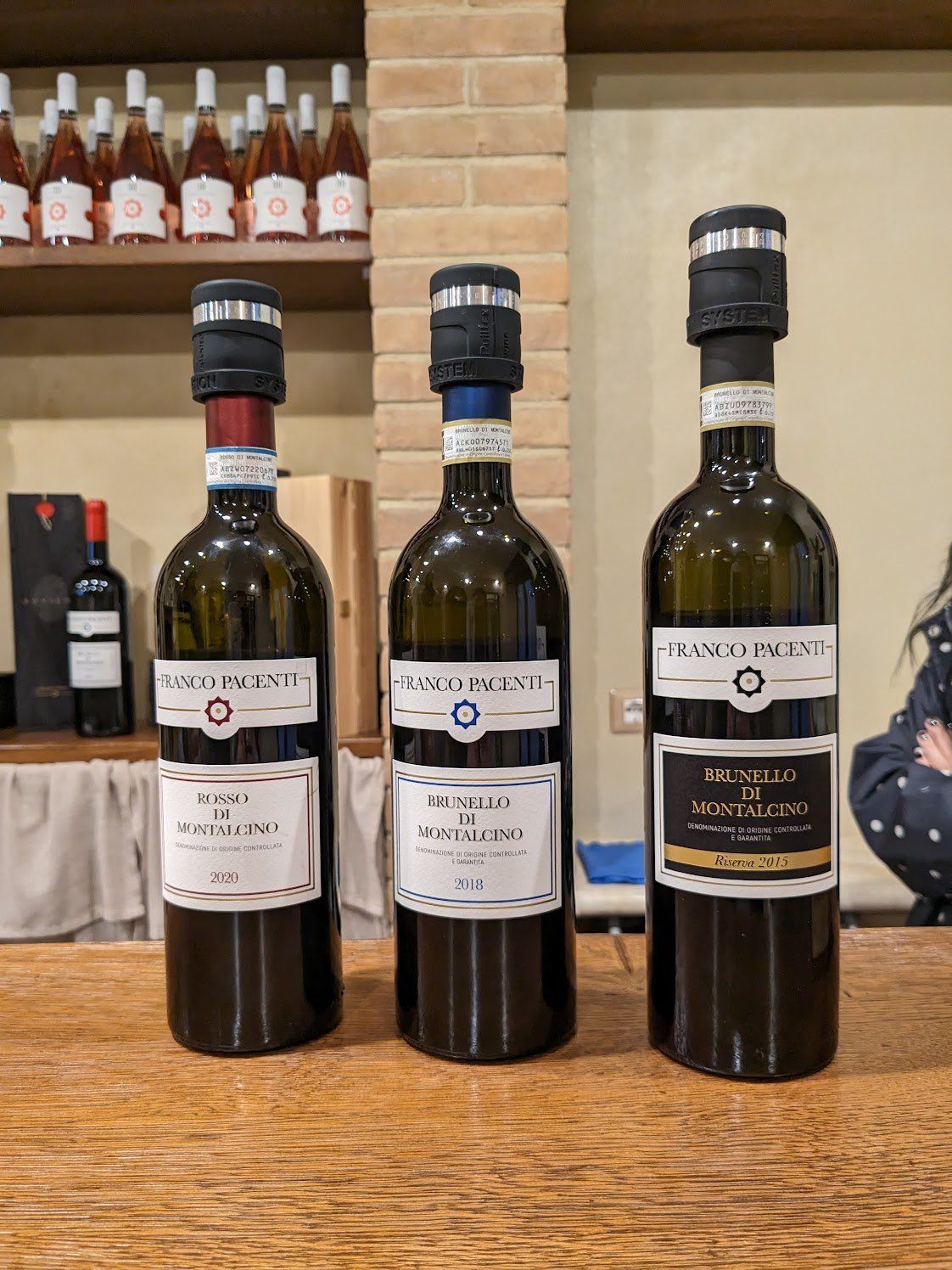
Our last stop on day one was Franco Pacenti, at the foot of the Montalcino hill, on the north-eastern side, a few minutes from Montalcino. Founded by Rosildo Pacenti in the '60s, the winery is run by the third generation of the Pacenti family today. Rosildo was the cousin of Siro Pacenti, another infamous winemaker of the area. Their 24 acres of vines are within the optimal, Canalicchio basin, a classic and historic area for winemaking. They only produce 3 wines and only have the Sangiovese grape for Rosso di Montalcino, Brunello di Montalcino, and Brunello di Montalcino Riserva. Only eight thousand bottles of the 2020 Rosso were produced, as it was a very warm vintage. Aged ten months in Slavonian and French barrels, this wine had elegant depth and ripe red fruit across the palate. The 2018 Brunello di Montalcino was characteristic of the cool vintage in the North. Harmonious and well-balanced with a lighter mouthfeel and overall approach, it was aged 30 months in medium and large Slavonia and French barrel.
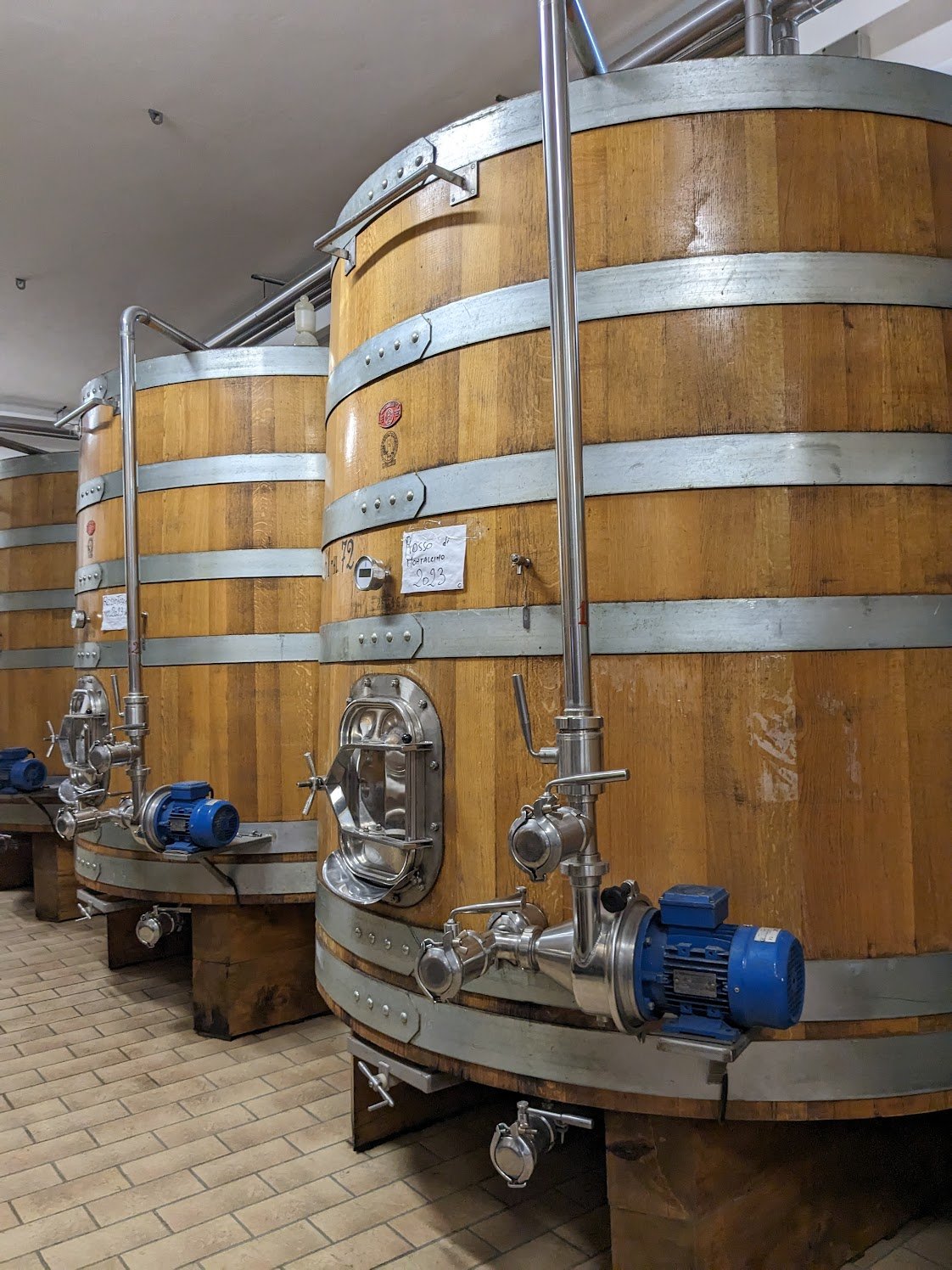
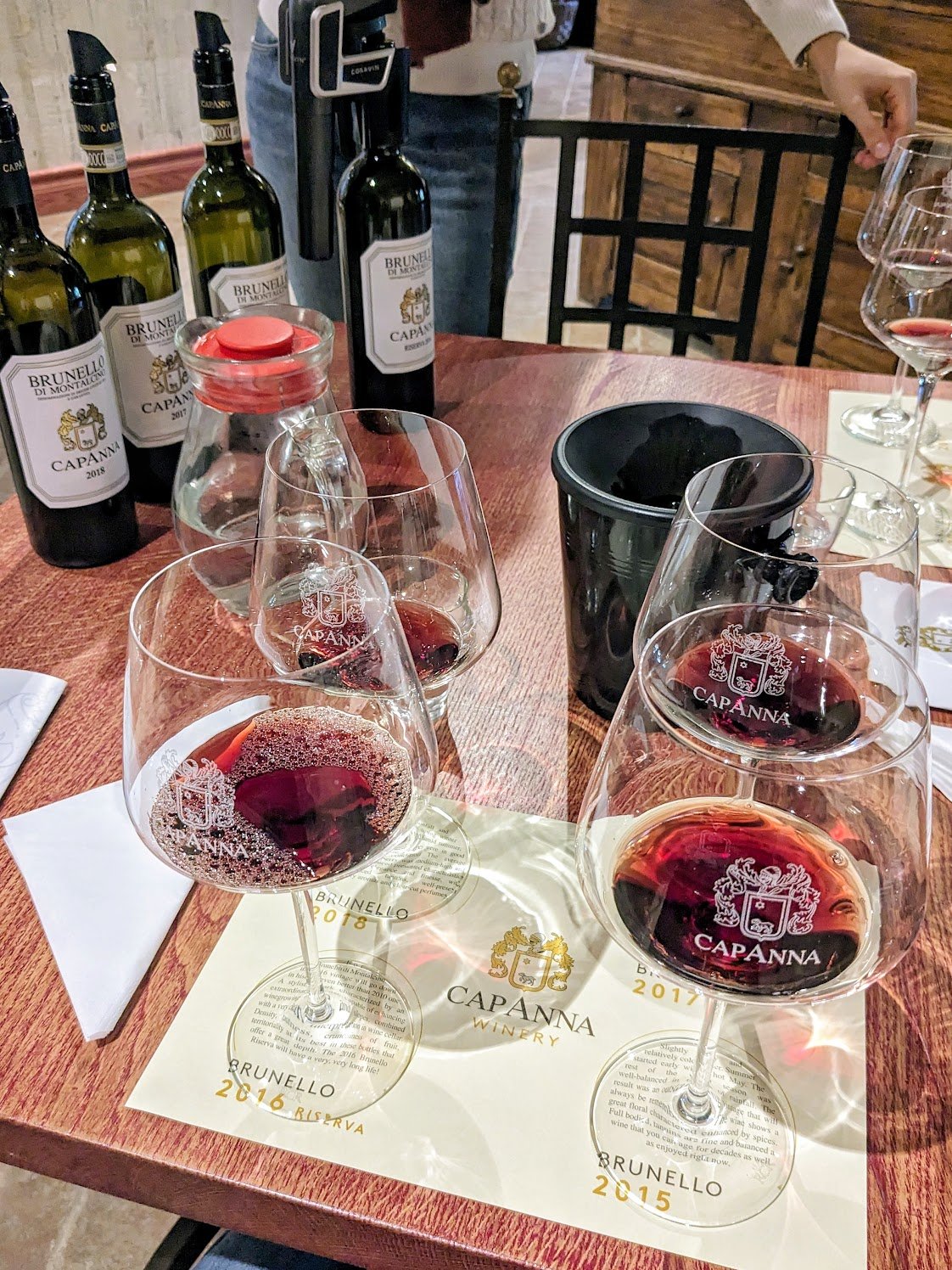
Our first stop on day two was Capanna, located 10 minutes North of Montalcino in the celebrated Montosoli area. Capanna was the 15th ever winery in Montalcino, when the Cencioni family of farmers arrived in 1957. Amadeo Cencioni, 4th generation of winemakers, is still living on the property and making wine today at age 91. Everything here is hand harvested and all the tanks used are wood. They age all wines traditionally, in large Slavonian oak. Capanna produces a few white wines from the Moscato Bianco grape, and one from Sangiovese! They make about 70,000 bottles a year, but production this year was cut in half as 2023 proved to be a very difficult and rainy vintage. The 2017 Brunello di Montalcino was a stand-out for me, complex aromas of just-ripe plum, vanilla bean and mint. The 2015 Brunello Riserva was powerful and fruit driven with 45 days of skin contact. My notes include black olives, granite and cherry jam. The 2015 and 2016 were celebrated Riserva vintages for the estate and several others we visited.
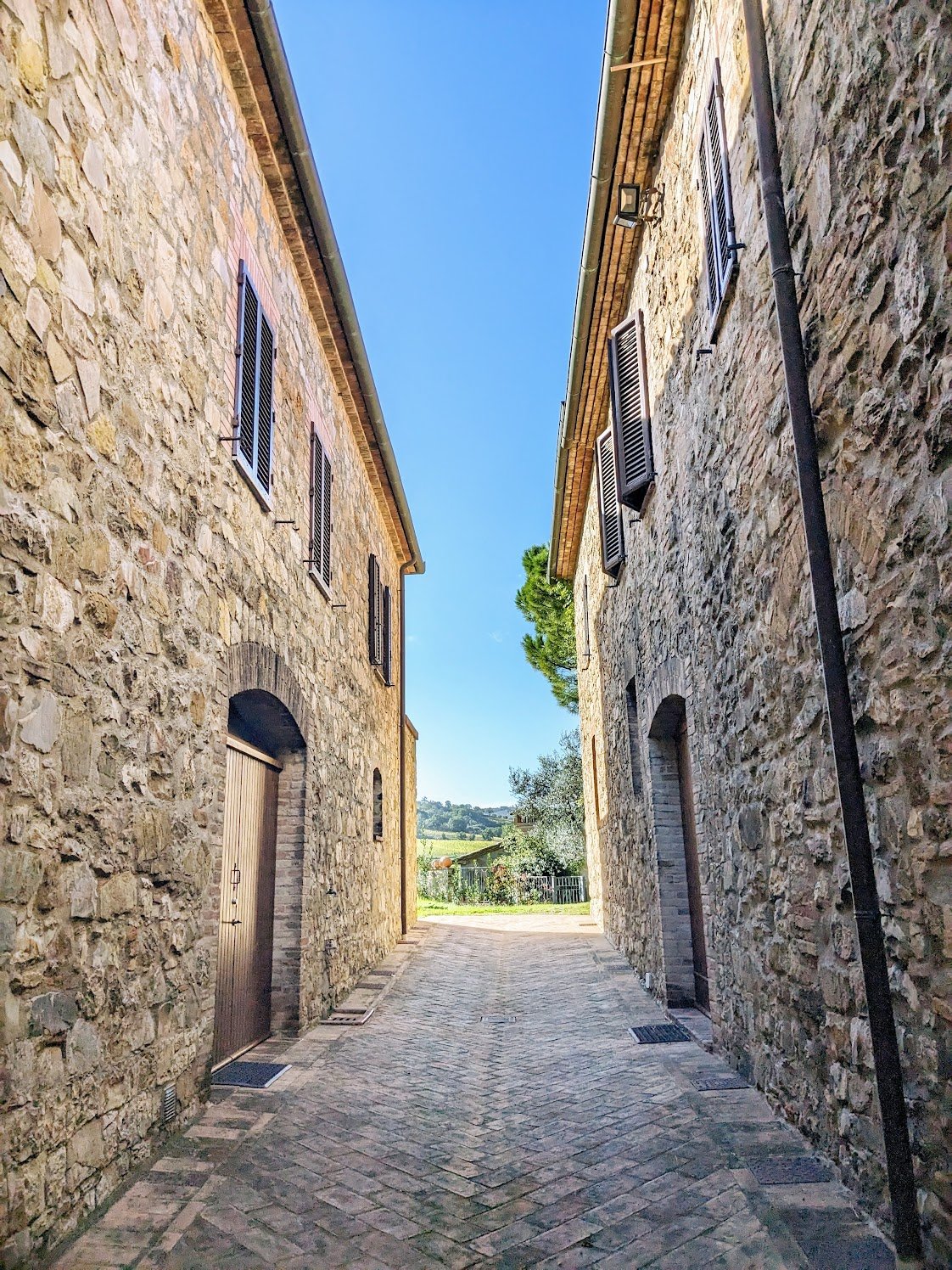
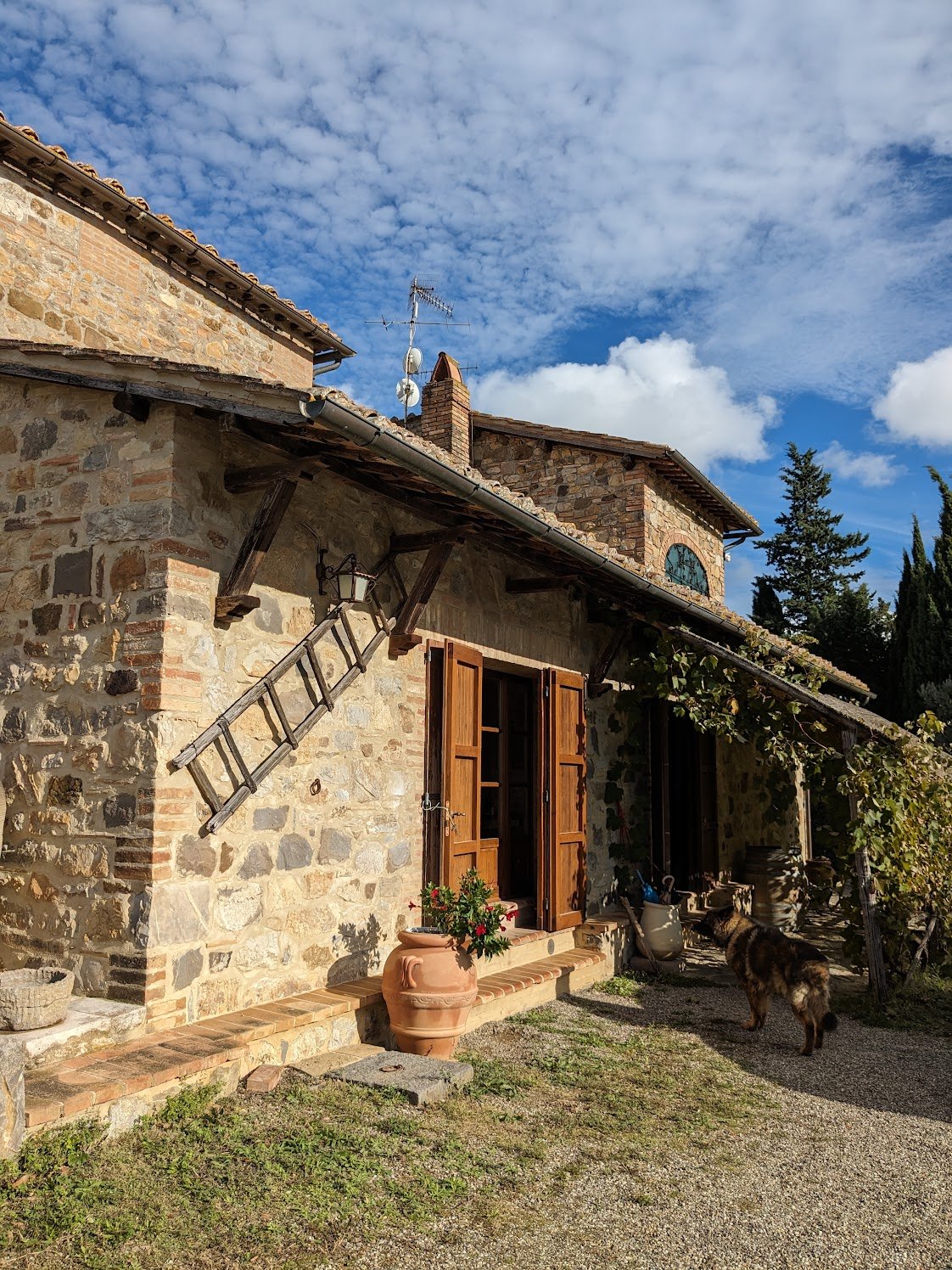
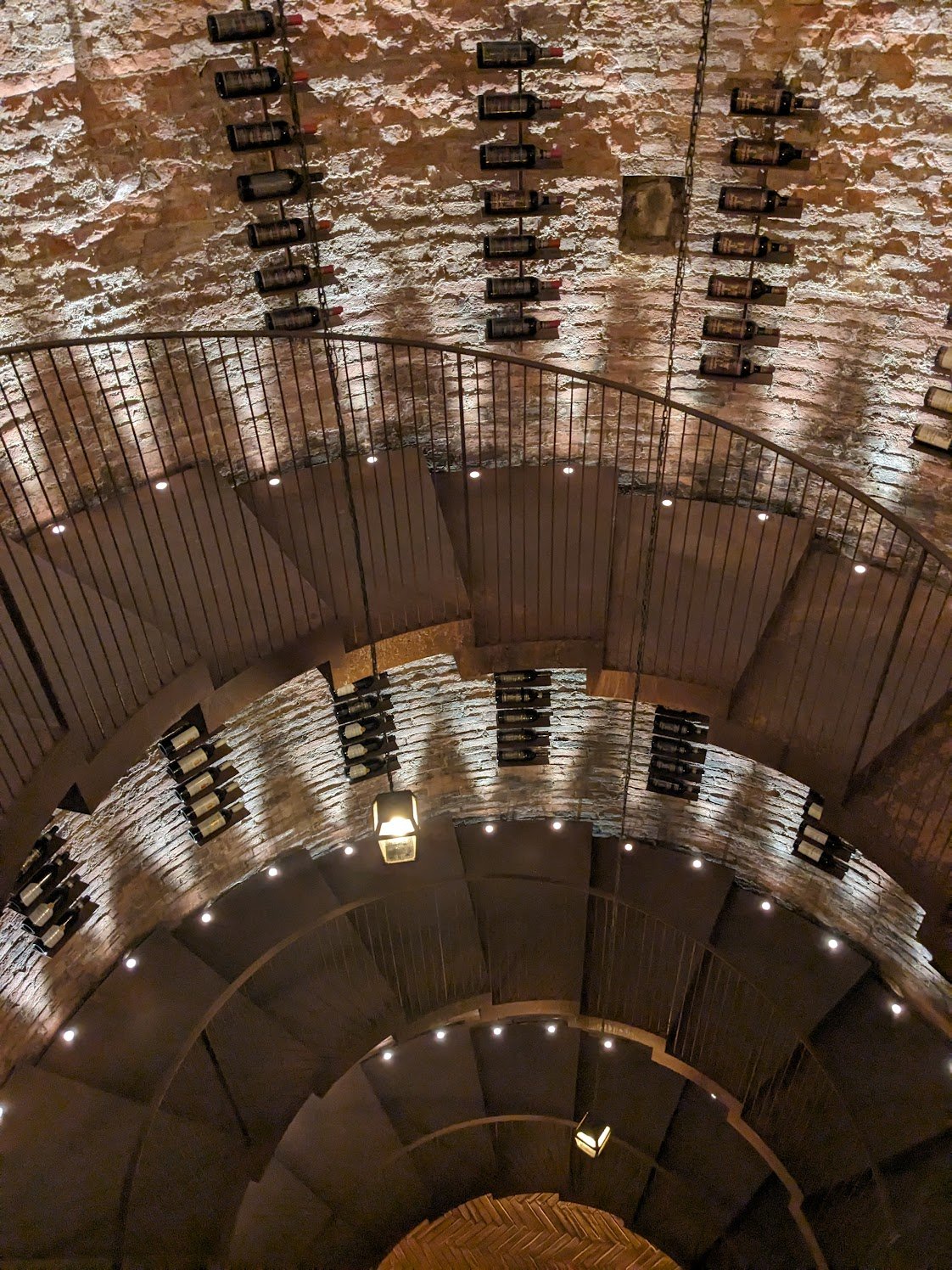
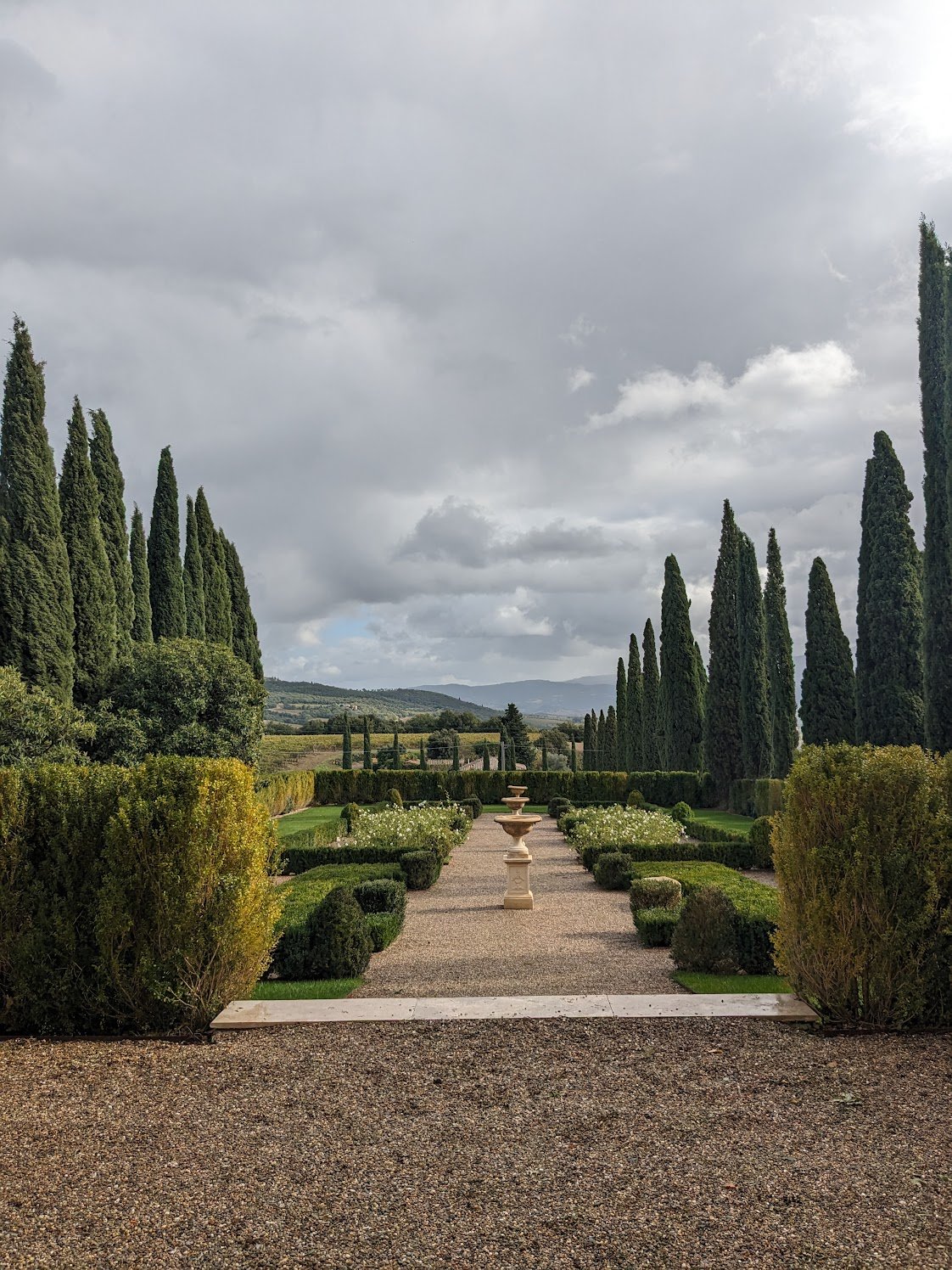
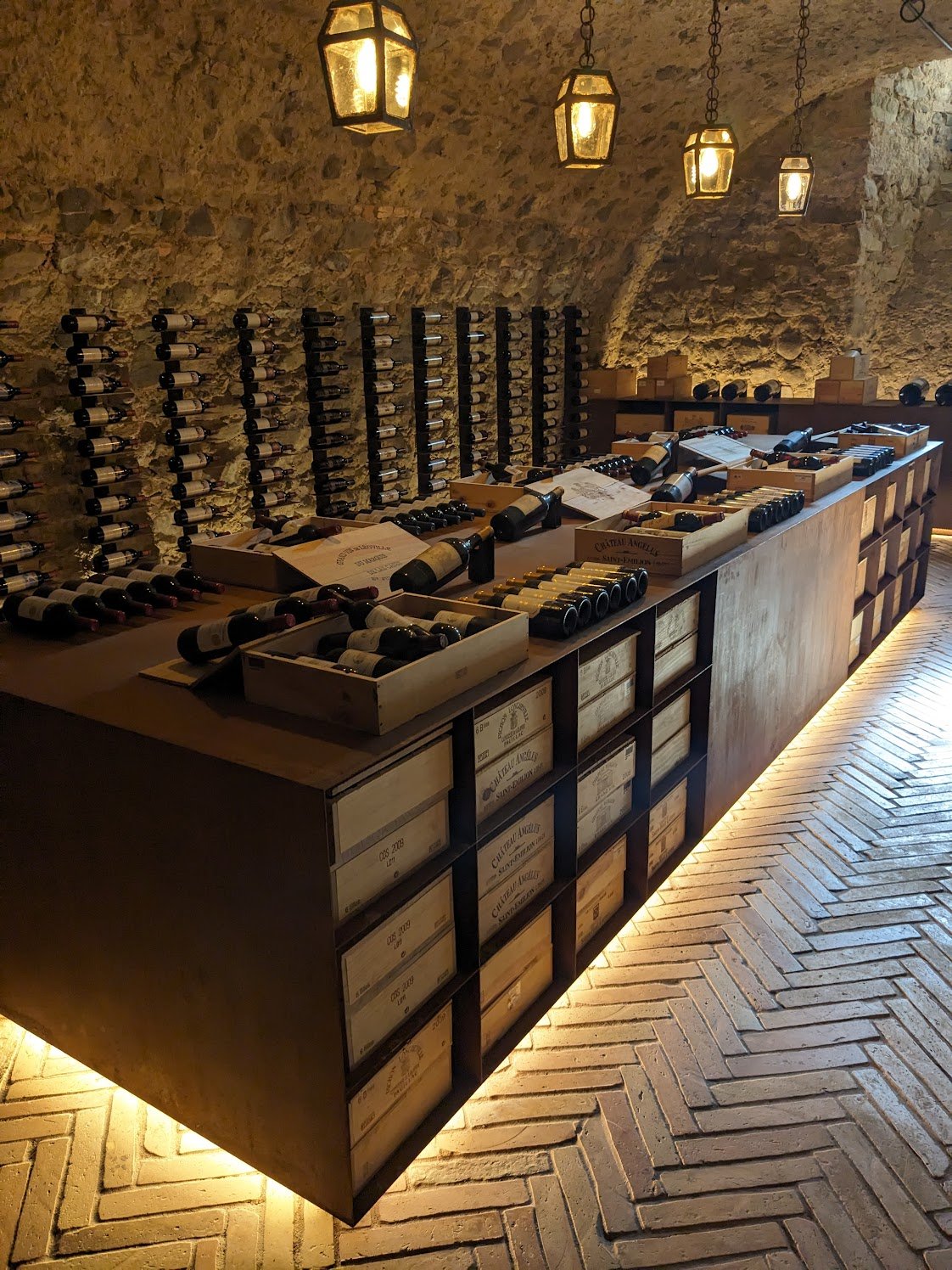
Our second stop was the jaw-dropping Argiano Estate, 25 minutes south of Montalcino. We took a stroll through the beautiful gardens before entering the chateau, built in 1580. After touring the cellar, we entered the owner’s personal collection, and were surrounded by some of the rarest wines of the world. The estate is certified organic, and considered mid-sized with 350,000 bottles produced annually. They have 16 micro-terroirs of 160 acres, all situated 300 meters above sea level, on average. We tasted a few of the Rossos and Brunellos, of which the not-yet-released 2019 vintage stood out most. The ’19 Rosso di Montalcino had ripe blackberry and basil leaves on the nose, finishing long and elegant with fine tannins. The ’19 Brunello was full of perfectly ripe fruit and powerful structure, a fantastic vintage throughout the region, I’d wait 20 years to drink this.
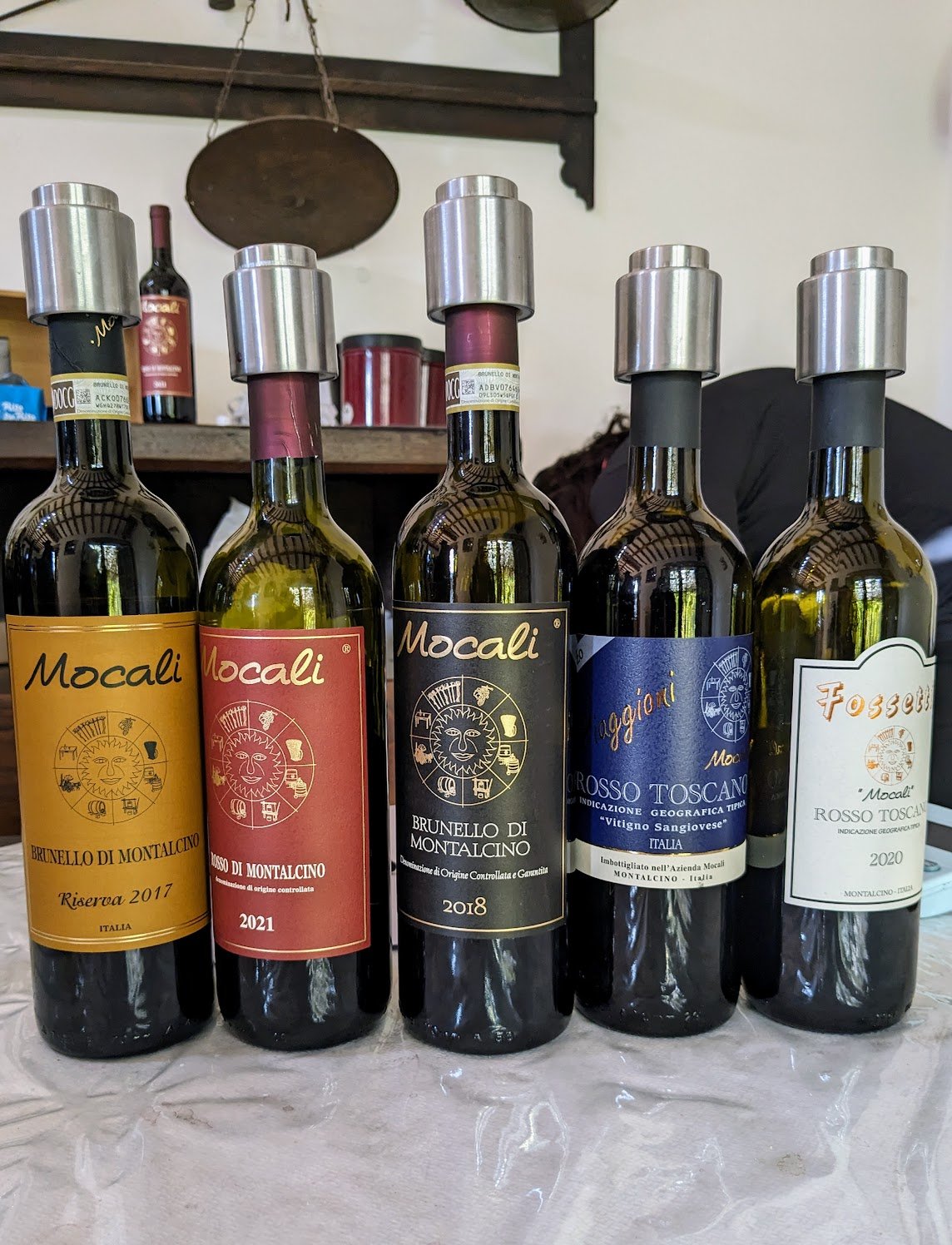
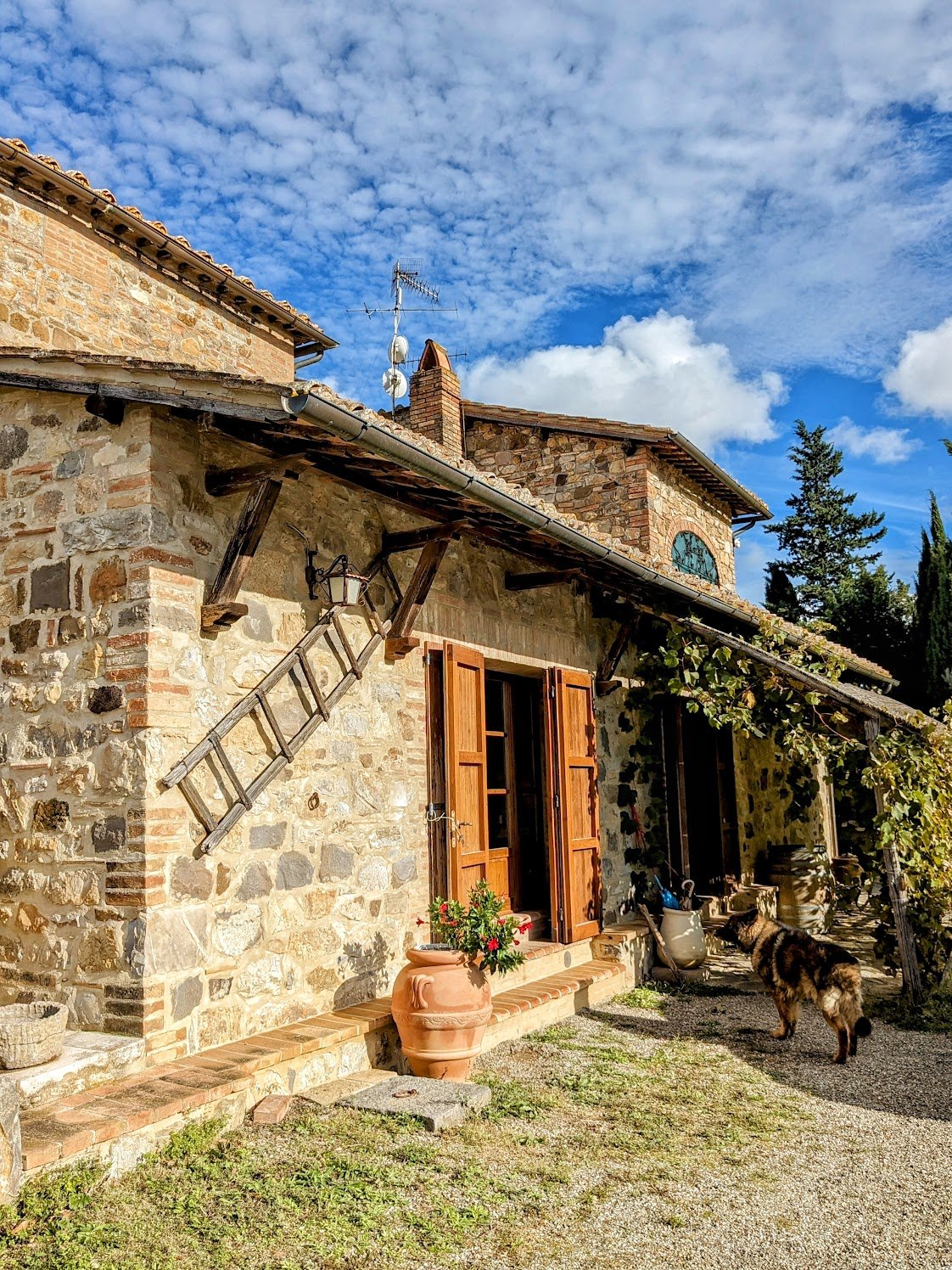
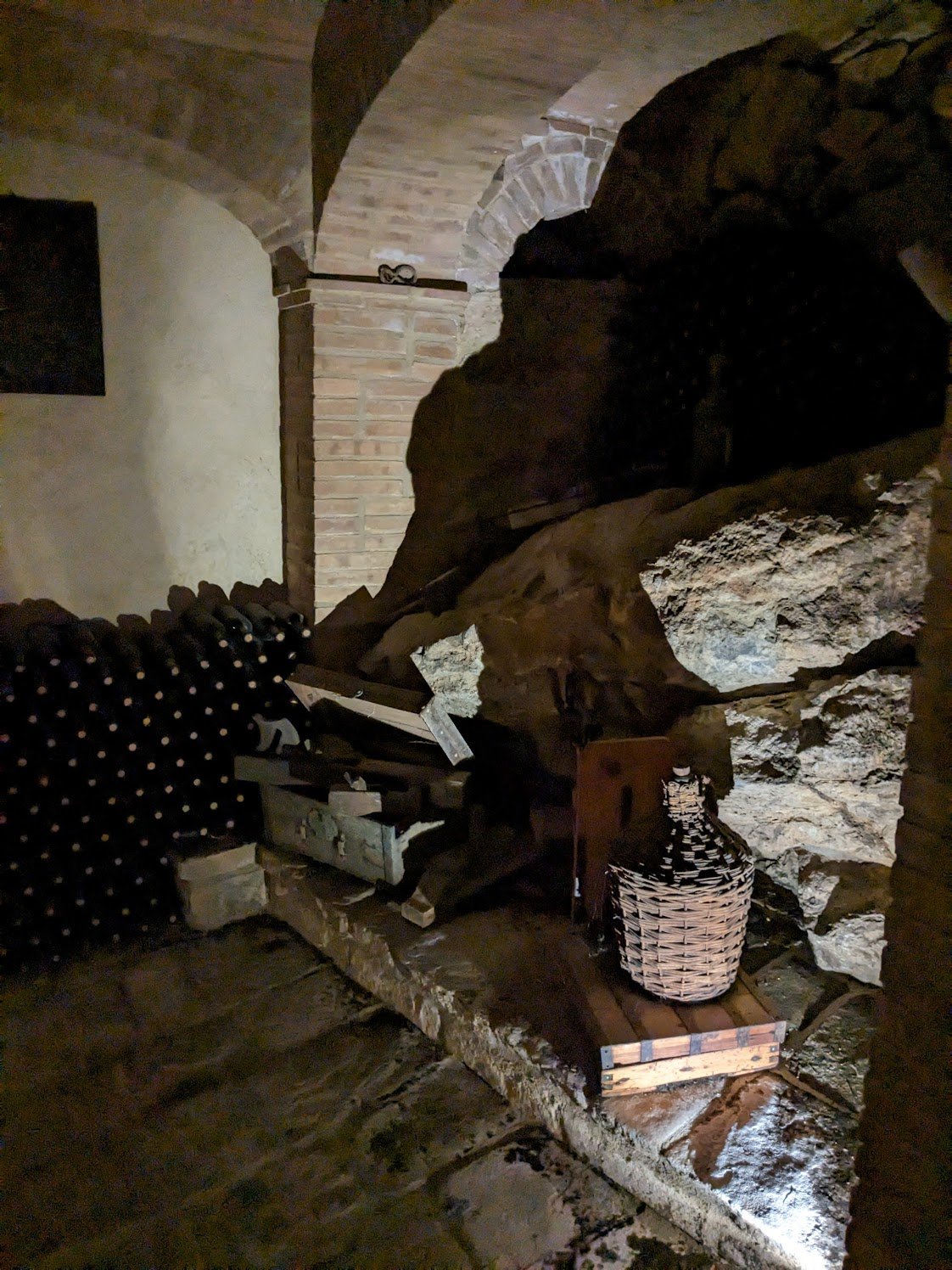
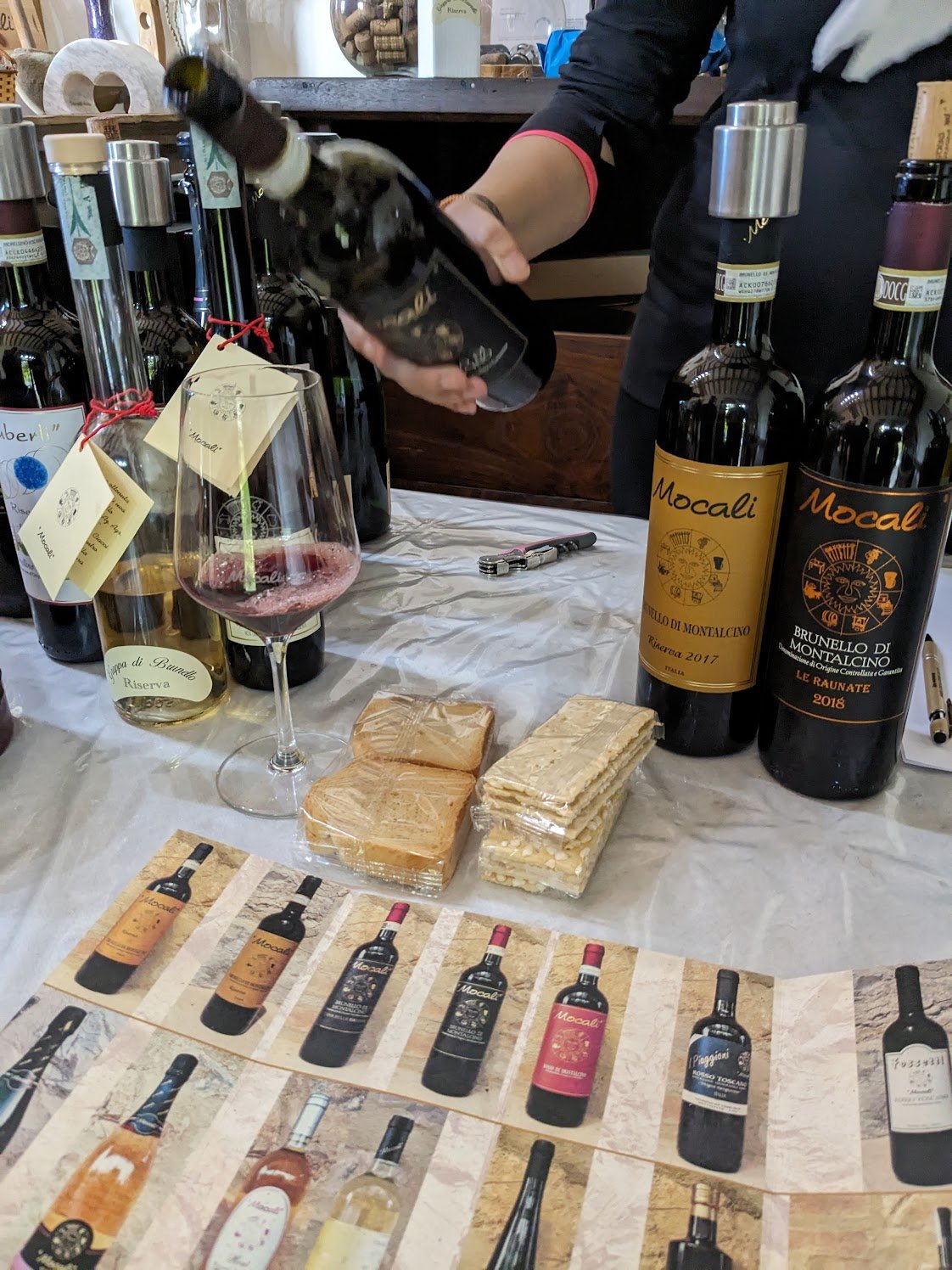
Next was the 30 acre Mocali, a family run winery since 1990 just 12 minutes Southwest of Montalcino. They produce several wines, from sparkling blends to still rose and Brunello to Super-Tuscan style blends. Their Raunate vineyard is on a small river 650 meters above sea level, with a the high percentage of Balsano stone. The 2018 Brunello di Montalcino was in part from this vineyard, and the rainy and hot vintage made this wine sturdy and full bodied. This rustic wine had spice and pepper on the nose, with ripe plums and balsamic on the finish. The 2019 Brunello di Montalcino was more restrained, since the vintage was less hot. I found it herbaceous and elegant with raspberries and thyme across the palate. I look forward to putting this away for a decade once released this January.
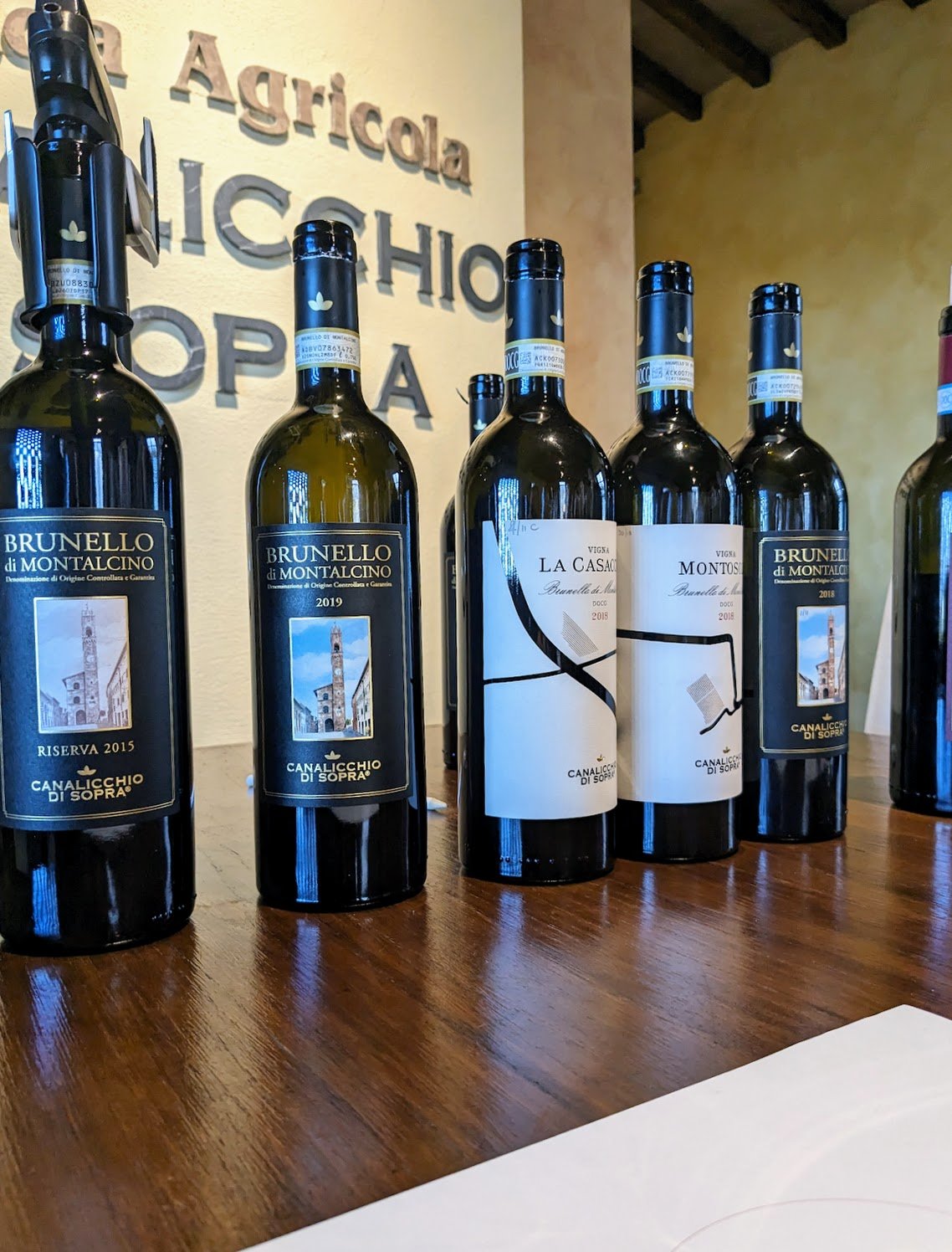
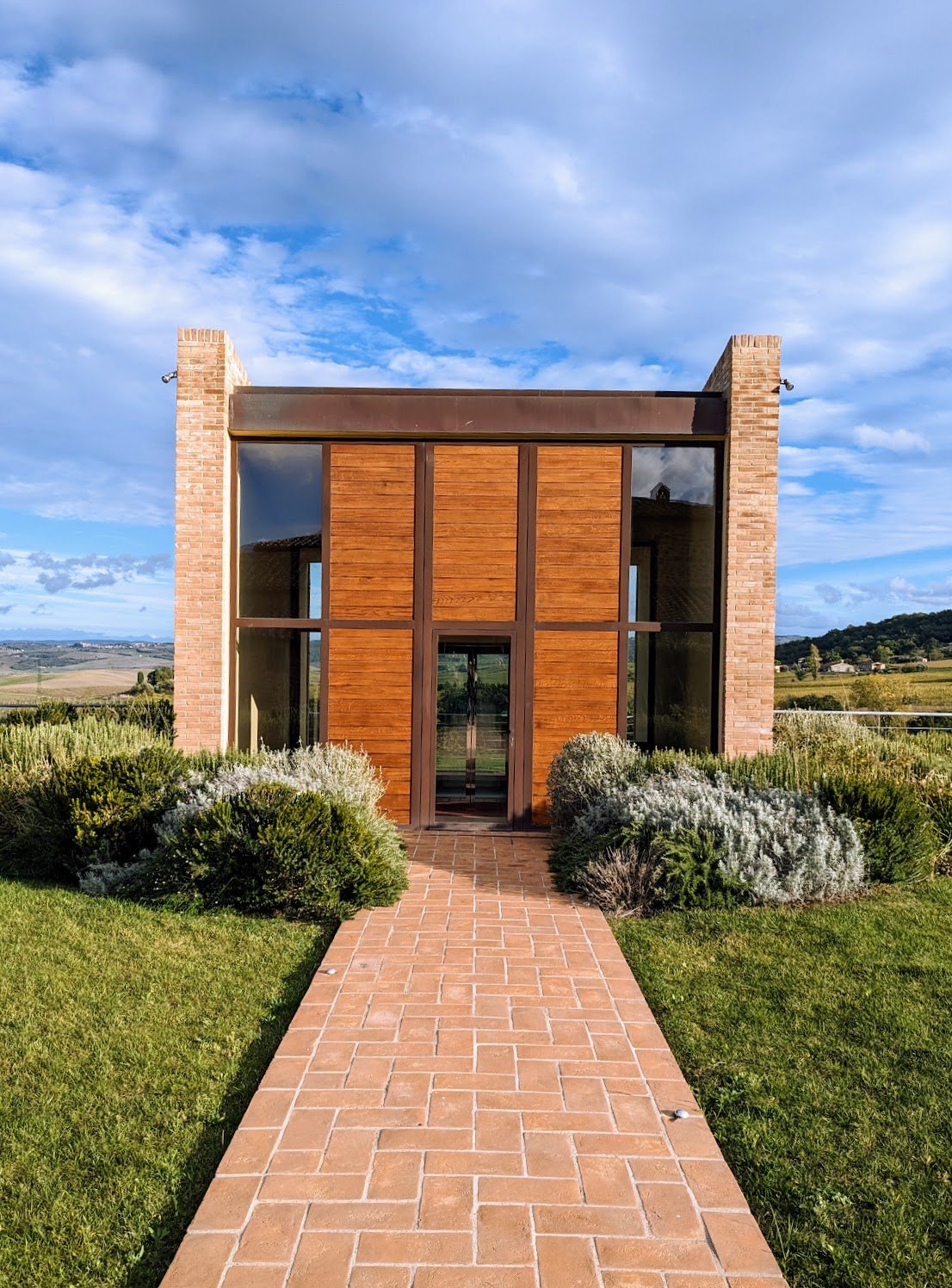
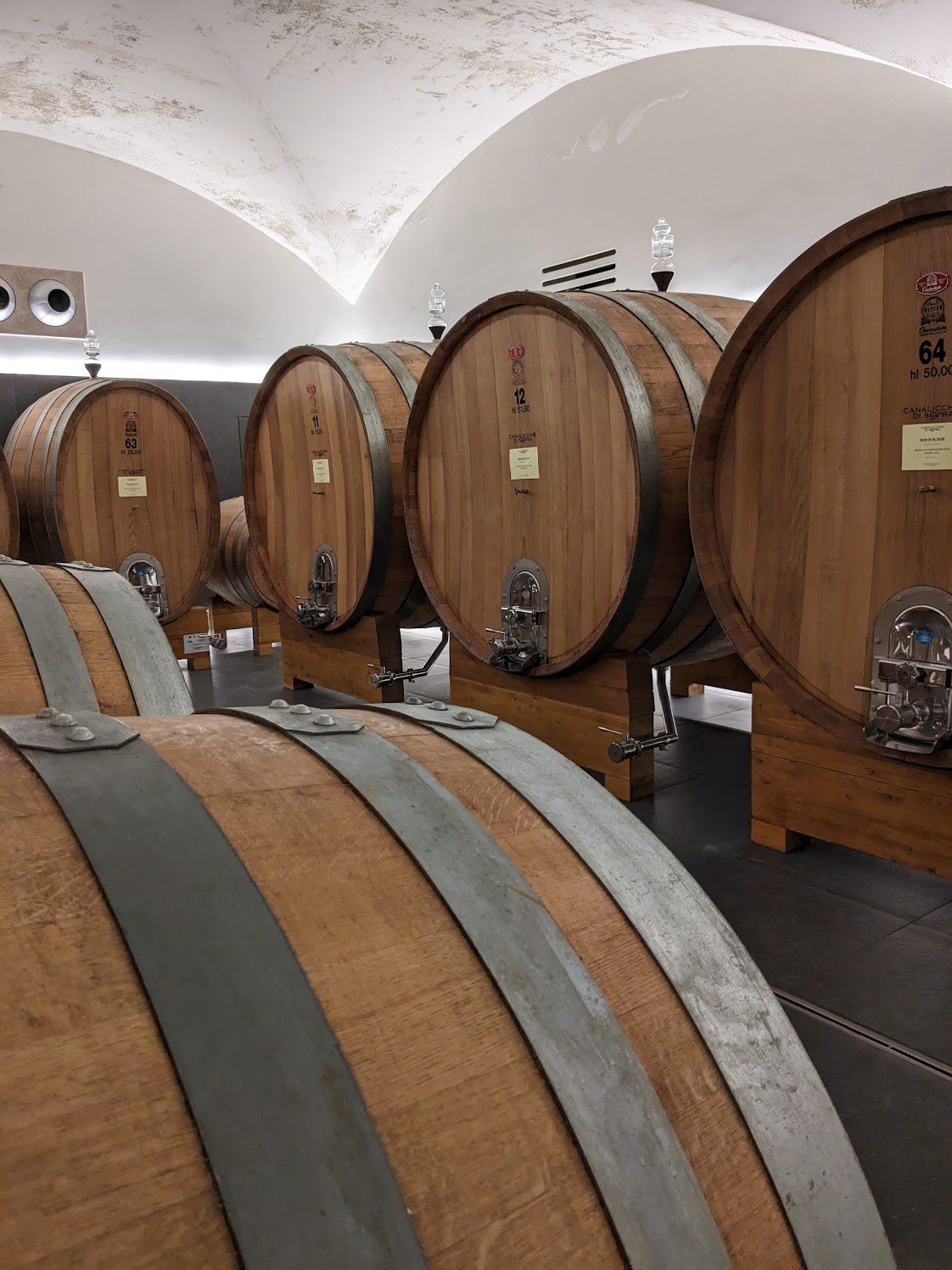
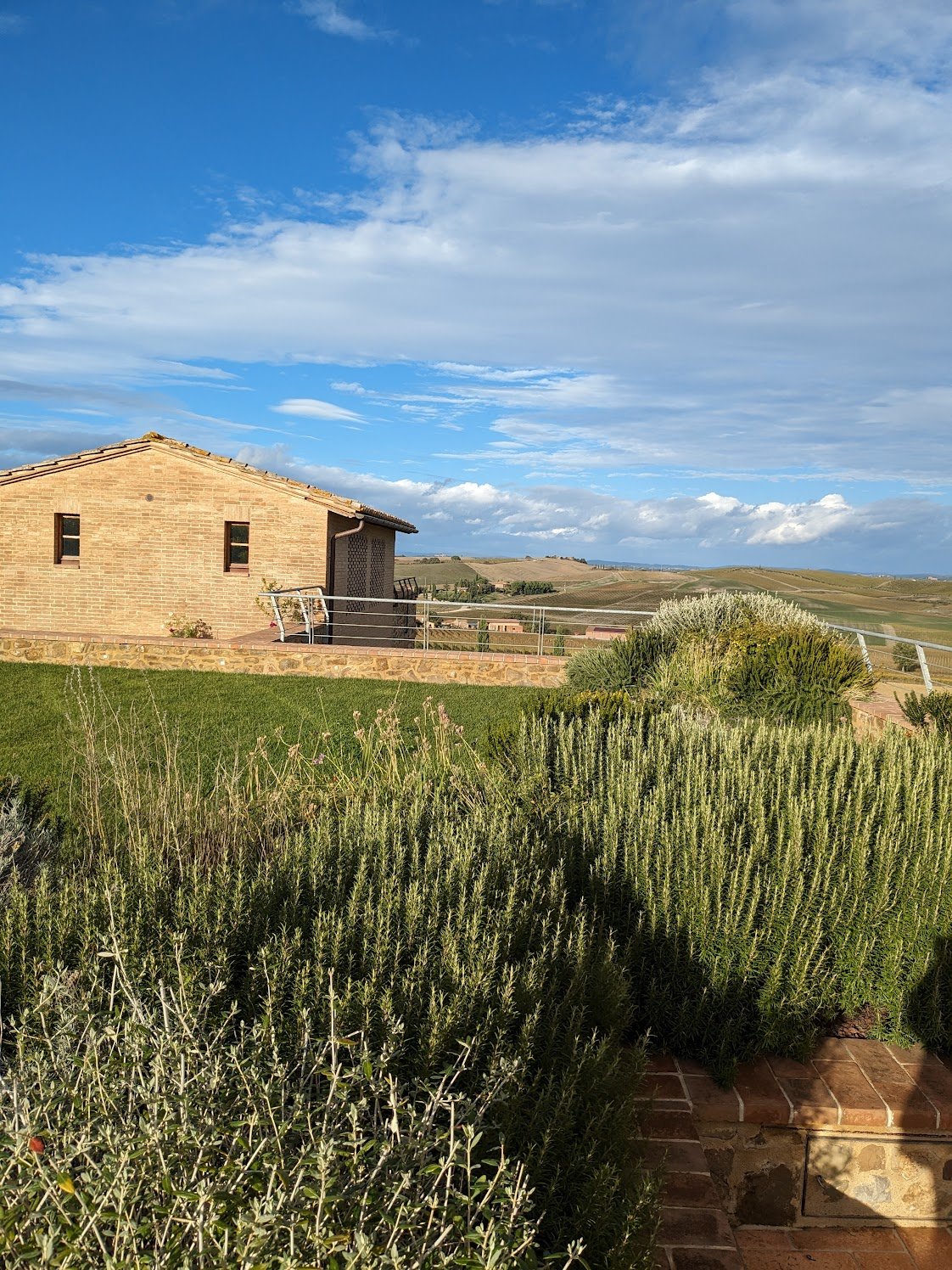
Canalicchio di Sopra was last but definitely not least on our tasting trip, located 5 minutes northeast of town. The third generation of owners have around 200 acres which includes the infamous La Casaccia and Montosoli vineyards. Since 1962, this winery has paved way for Brunello greatness as one of the twelve founders of the Consorzio del Vino Brunello di Montalcino. The 2018 Brunello di Montalcino Montosoli was delicate and complex, with tomatoes, ripe cranberry and fresh basil on the nose. Only six producers in Montalcino are allowed to use Montosoli on their label, due to geographical restrictions. The more masculine 2018 Brunello di Montalcino La Casaccia had more tannin and earth-derived notes, likely due to the five-year older vines and Northeast facing hillside. Two very different single vineyard wines with great potential to age and evolve another decade.
Where to eat in Montalcino
Locanda Demetra: A field to table, organic farm and cooking school in the countryside. Serving lunch only with just a few tables, book in advance.
Grotta del Brunello: An enoteca with traditional Tuscan staples and an extensive wine selection adorning the walls.
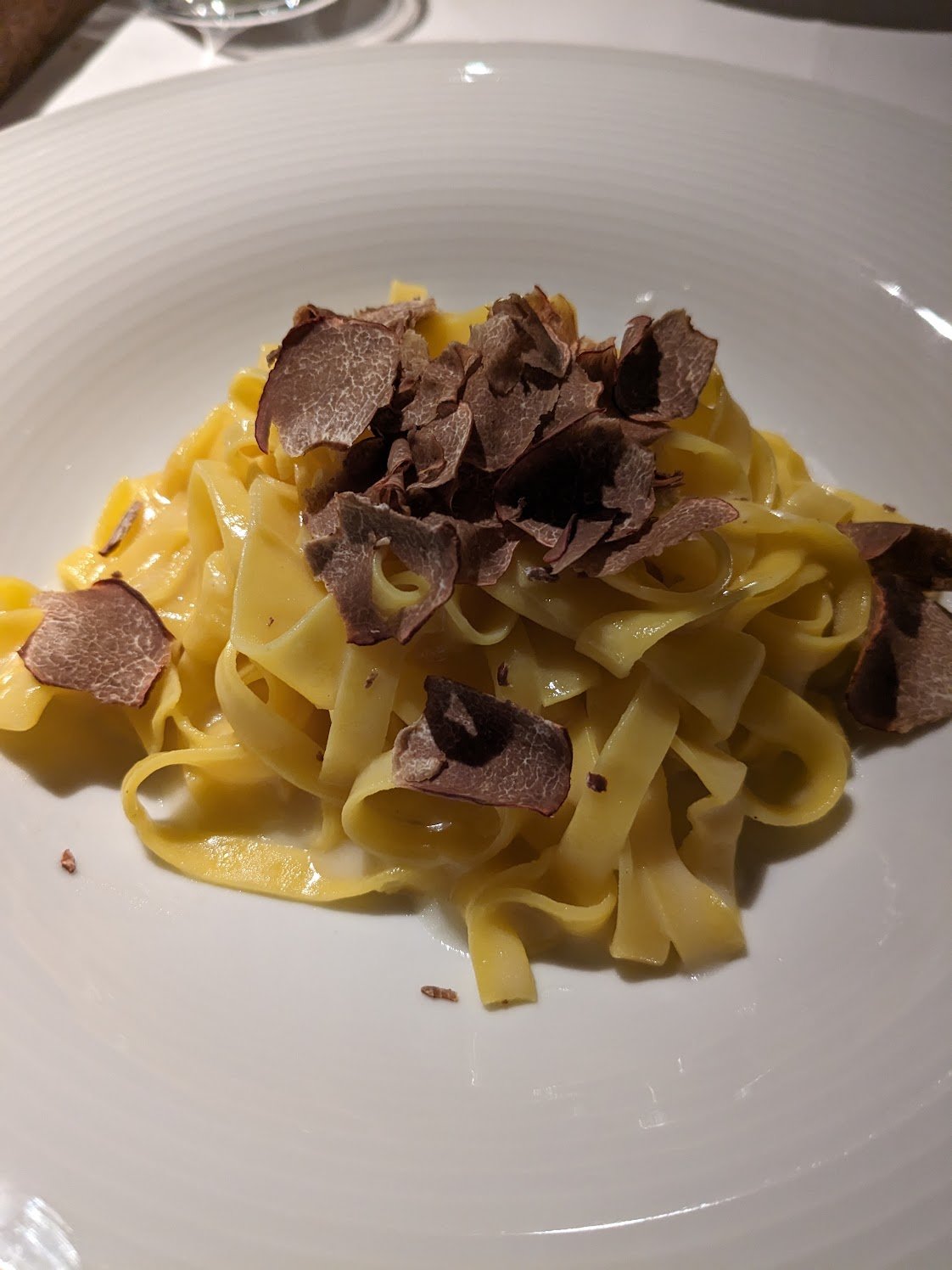
Terra Cucina e Cantina: An innovative menu in a sophisticated setting. Think veal sweetbread, pigeon and truffle tagliatelle.
Villa le Prata: Boutique hotel, winery, and restaurant with impeccable service. Snag the cellar table for a cozy and intimate dining experience.
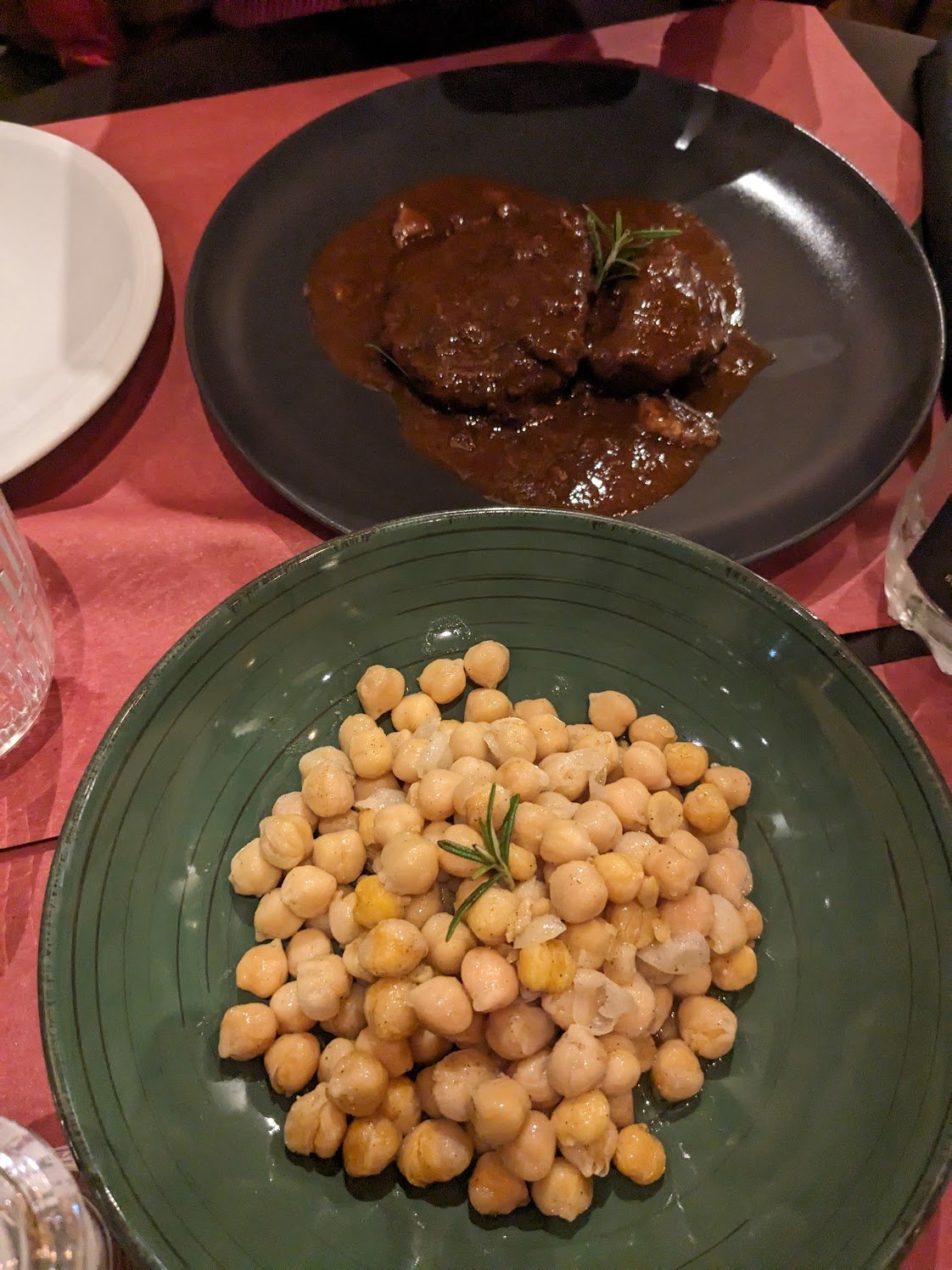
Osteria di Ports Al Cassero: Solid, Tuscan comfort eatery in the middle of town with a rare wine list and highly educated staff. The chickpea soup with crunchy bread and roasted rabbit over polenta were phenomenal.
Somm in the Finger Lakes
I FINALLY made it to the Finger Lakes last week, and what an incredible adventure it was. Read on for my favorite wineries visited and book your trips while it’s still relatively undiscovered and easy to get in everywhere!
1.) Six Eighty Cellars: Purchased in 2020 by local vineyardists, this new winery practices minimal intervention and sustainable grape-growing. Winemaker Ian Berry is most known for his experimental nature, making skin-fermented Riesling and even a Pet-Nat from Gruner Veltliner! Their panoramic view of Cayuga Lake and ancient-style clay, stone, and terracotta vessels make this stop an absolute must. Stand-outs: 2021 Carbonic Method Cabernet Franc, 2020 Pinot Noir.
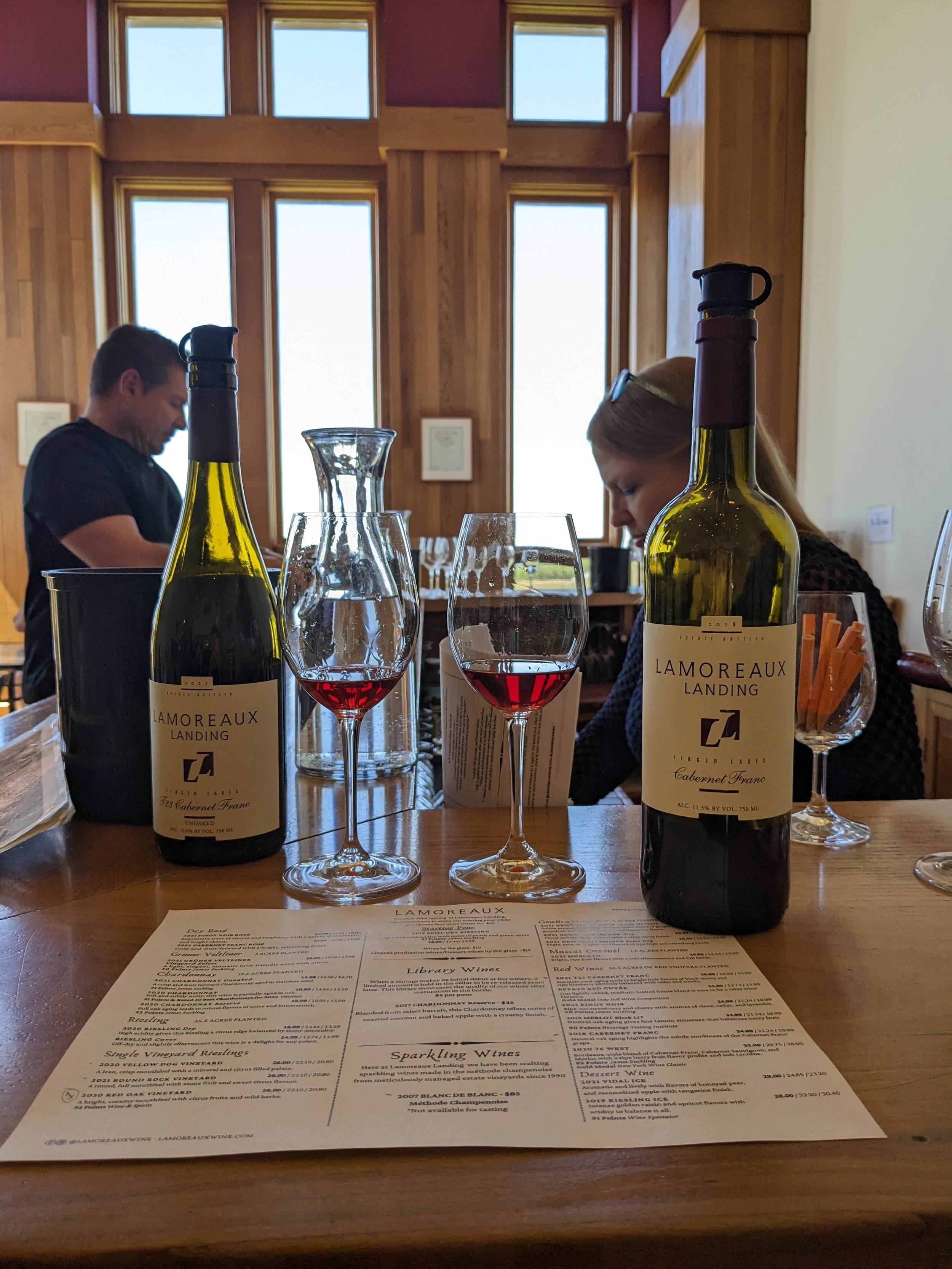
2.) Lamoreaux landing: From the east side of Seneca Lake, this 3rd generation winemaking family has over 100 acres of vines, separated into more than 20 vineyard blocks. All wines are produced in house with estate fruit, to ensure maximum control and wine integrity. Stand-outs: 2020 Red oak vineyard single vineyard Riesling, 2020 76 West (a Bordeaux-style blend).
3.) Forge: This hip winery specializes in bone dry Riesling and cool climate Pinot Noir, two of my favorite things. Everything here is done by hand: harvesting, sorting, you name it. They use very low levels of sulfur and never fine or filter their reds. These wines are small batch, with very slow, indigenous yeast fermentations. Stand-outs: 2020 Leidenfrost (single vineyard) Dry Riesling, 2020 Navone (single vineyard) Dry Riesling, 2021 Pinot Noir Classique.
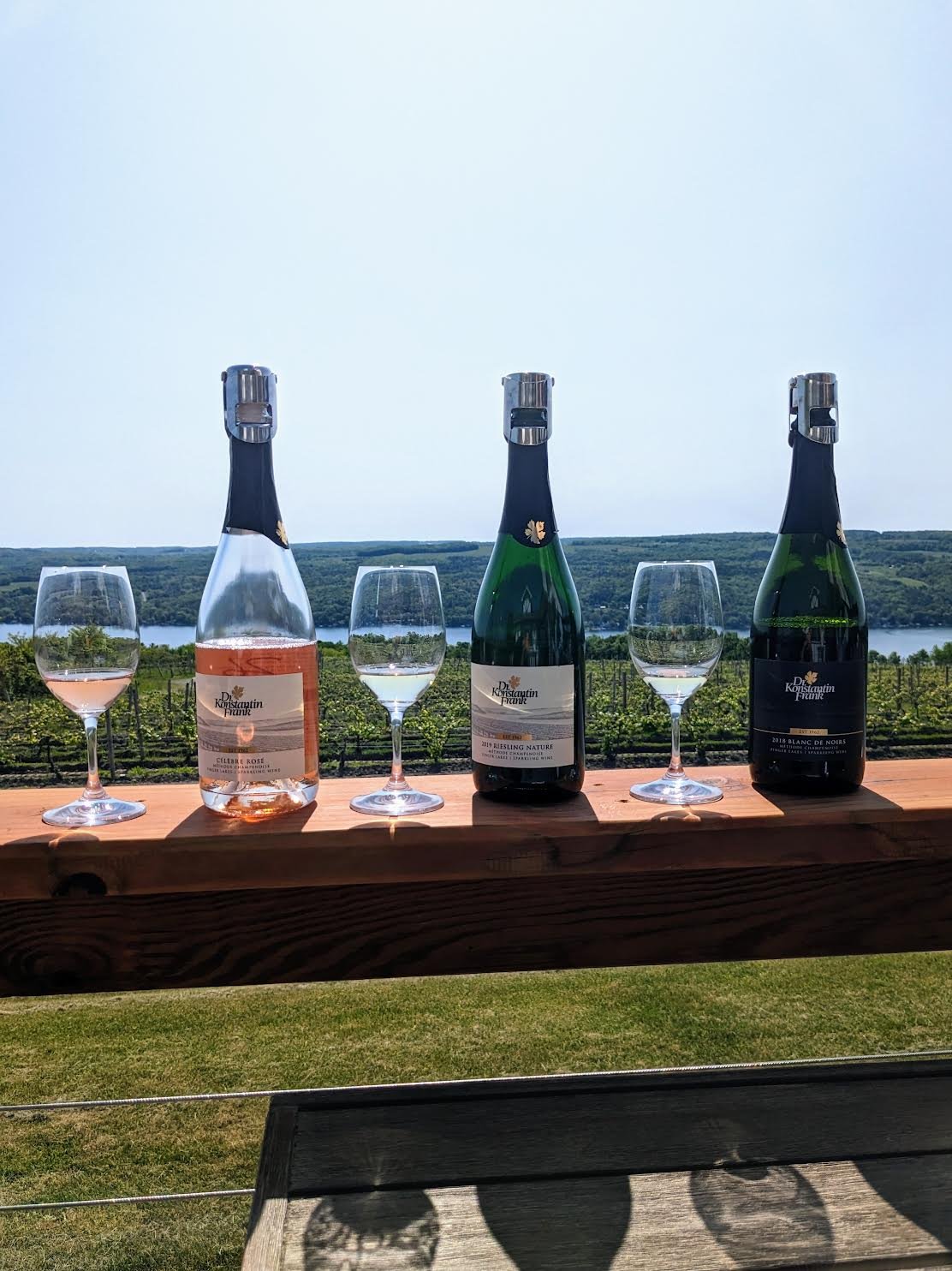
4.) Dr. Konstantin Frank: Easily the most famous name in New York Winemaking, Dr Frank was a leading expert in viticulture, with techniques and innovation well beyond his time. We have him to blame for bringing vinifera grapes to the state. Today, his fourth generation legacy lives on through his great grand-daughter Meghan Frank (the loveliest of humans, by the way). Their seemingly old-world surroundings and rich history makes for an entirely memorable and fortunate experience. Stand-outs: 2018 Method Champenoise Blanc de Noirs, 2017 Cellar Reserve Riesling, 2021 Amber Rkatsiteli, 2021 Chardonnay, 2020 Meritage.
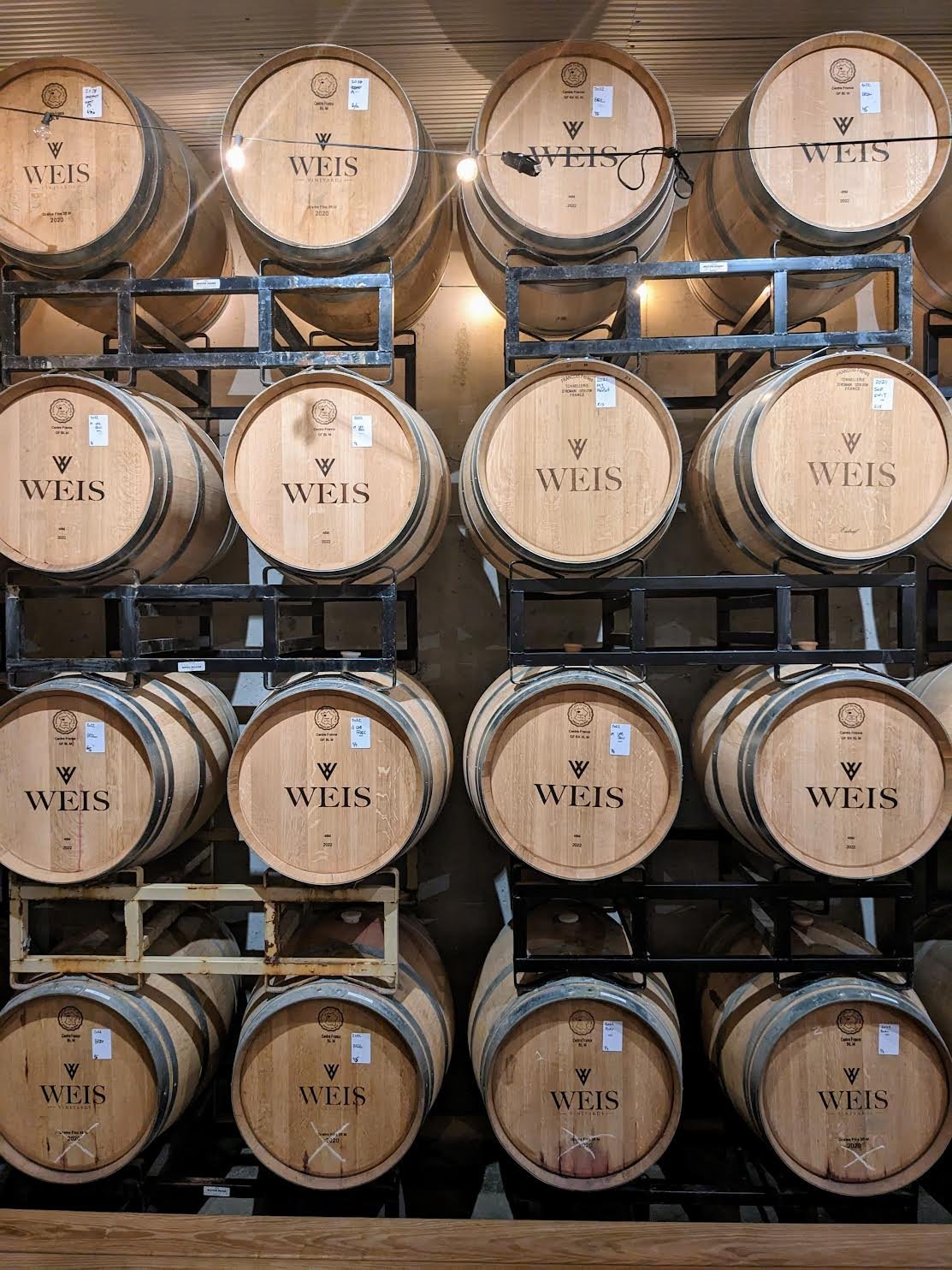
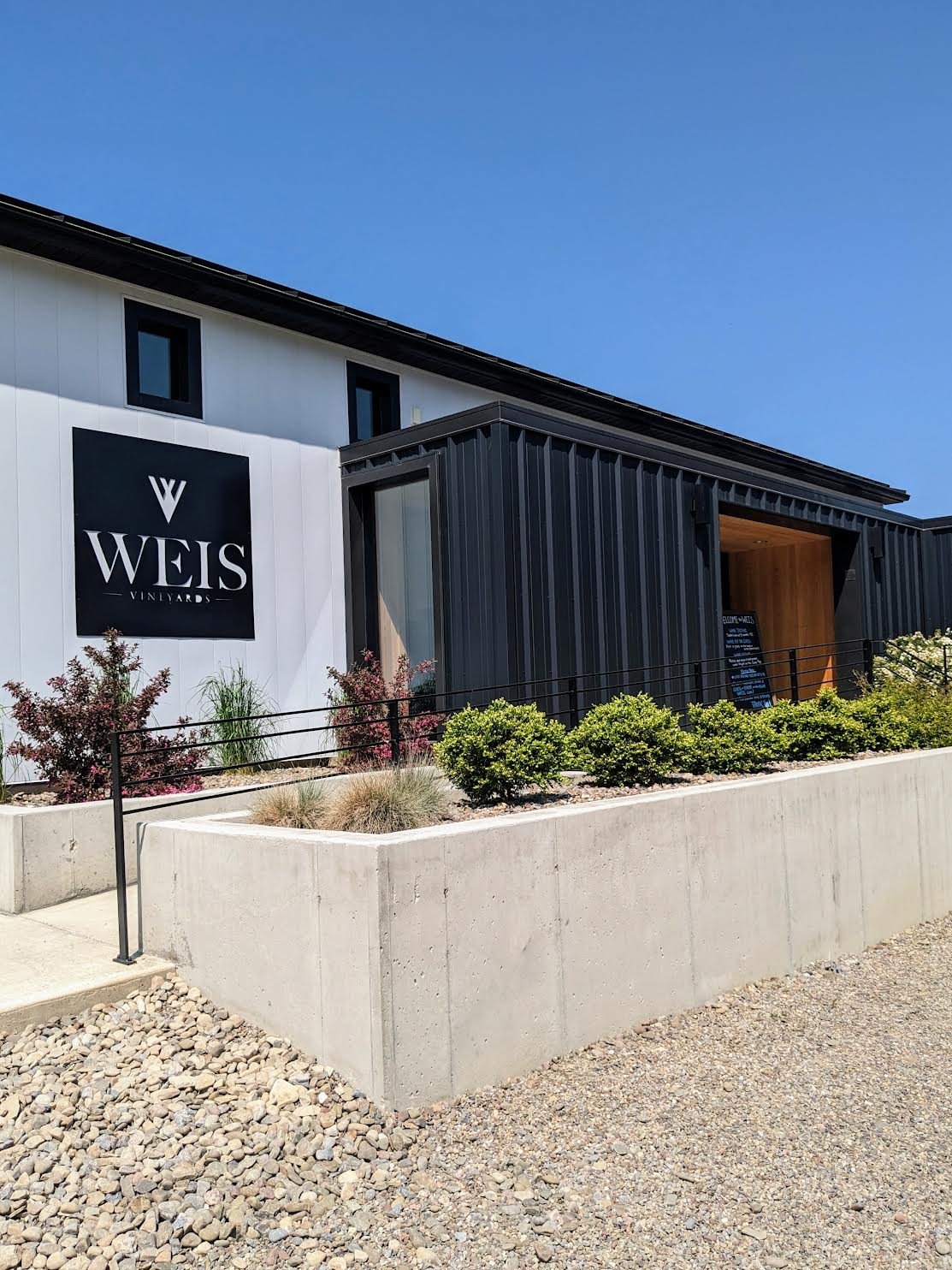
5.) Weis: Hans Peter Weis is a native to the Mosel region of Germany, and brought his Riesling production knowledge to this boutique winery. Opened in 2017, Weis purchases all of his (mainly German and Austrian-born) grape varietals. His winemaking style is traditional, but he is quite innovative in his grape selection and blending. Stand-outs: 2021 Gruner Veltliner, 2021 Sauvignon Blanc, 2020 Zweigelt, 2021 Blaufrankisch, 2021 Cabernet Franc.
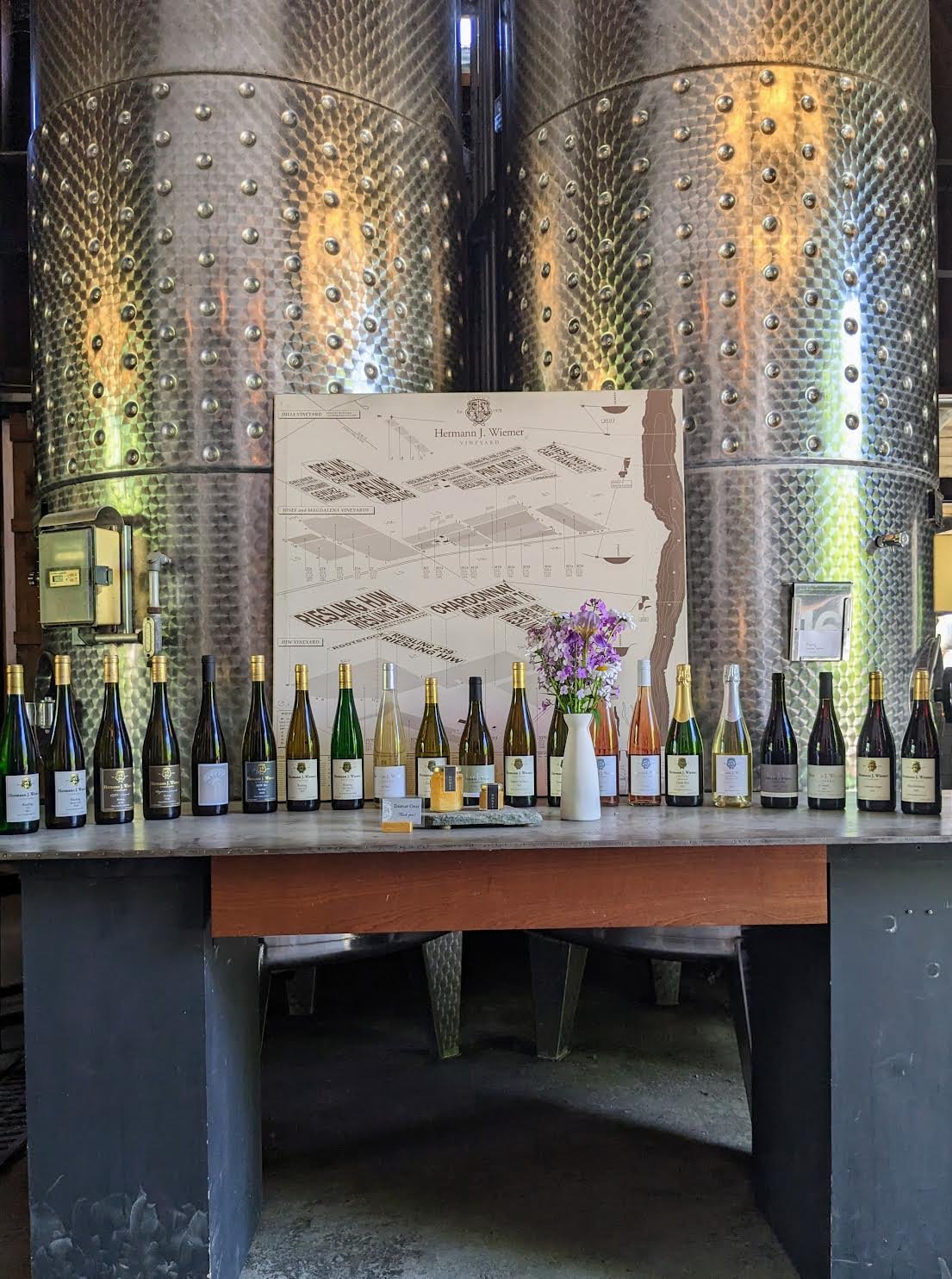
6.) Hermann Wiemer: Founded in 1979, this pioneer estate spans over 90 acres of optimal Senenca lake slopes. The winery’s forward-thinking techniques and respect for the past has clearly resulted in serious, German-rivalling Riesling. After all, the cool climate and gravelly soils were reminiscent enough of Wiemer’s home in Bernkastel to start his first plot over 40 years ago. Stand-outs: 2019 HJW Biodynamic Riesling, 2020 Magdalena Riesling, 2020 HJW Flower Day Riesling.
7.) Hillick and Hobbs: From world-renowned winemaker Paul Hobbs, the pursuit of this estate is to hand-craft Rieslings that rival those of Europe while incorporating modern winemaking advances of the Finger Lakes. I did a side-by-side comparison of this new winery’s only Rieslings, 2020 and 2021. The 2020 had an elevated fruit (peaches and pears) component, due to the warm vintage. The 2021 was strikingly mineral, with flint and pebbles on the forefront, finishing with breathtaking acidity.
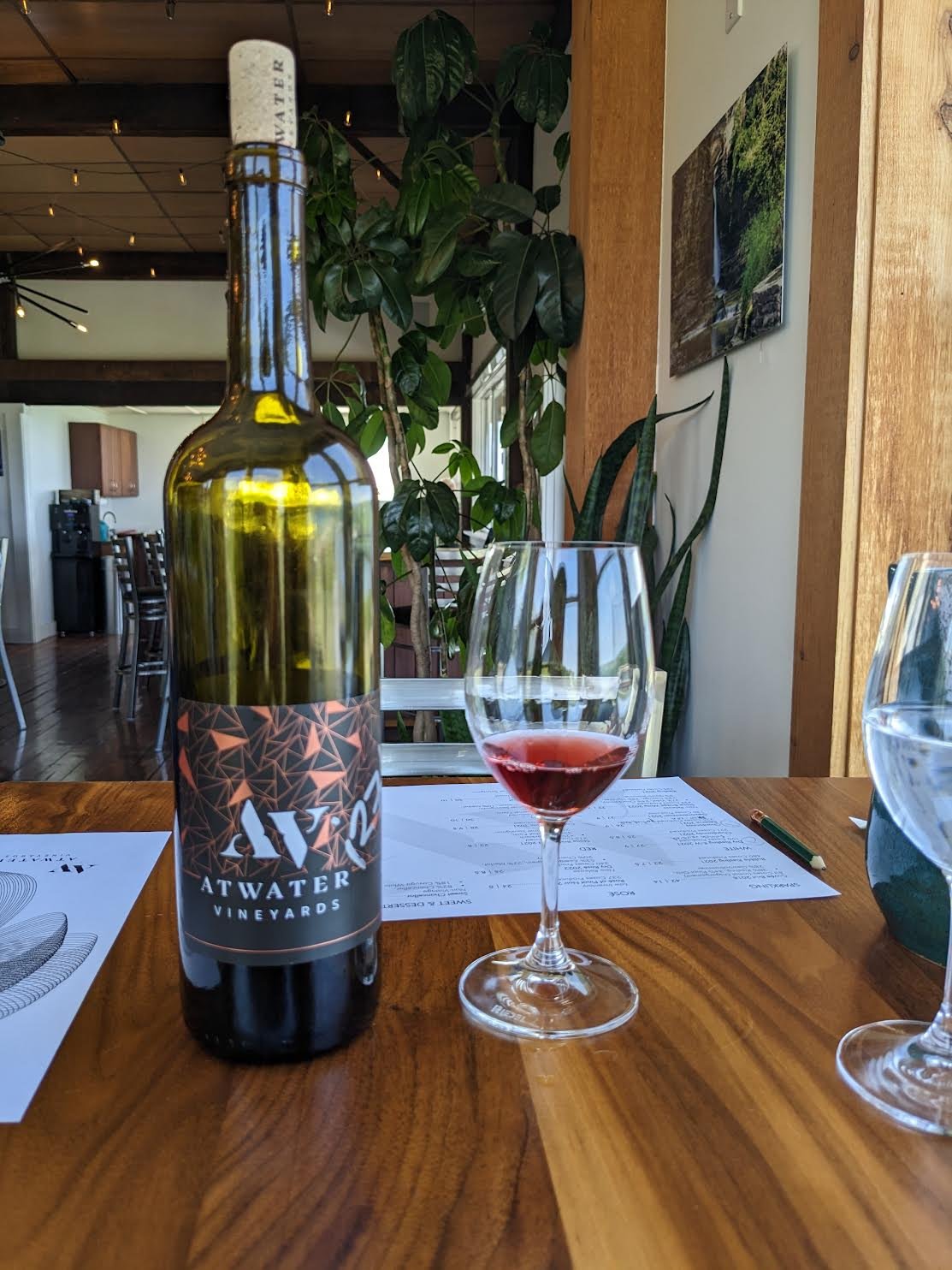
8.) Atwater: This family owned estate is located on 80 scenic acres on the eastern side of Seneca lake. Winemaker George Nosis focuses on natural winemaking and unique red blends from the region. Stand-outs: 2021 Chardonnay, 2021 Symvoli (blend of Syrah, Cab Franc, Cab Sauv, Blaufrankisch, and Merlot).
Where should I go next time? Leave a comment below!
Holiday Gift Guide
Wondering what to get the winos and foodies this year?
Check out my top 10 on Amazon, available now!

Pasta maker $25 https://amzn.to/3FJorgI
Beer mug $13 https://amzn.to/3DZYVCC
Cutting board $29 https://amzn.to/3E2dWUh
Utensil set $23https://amzn.to/3TdczXb
Wine glasses $50 (set of 8) https://amzn.to/3fE4NrQ
Decanter $28 https://amzn.to/3E3gZM3
Cleaver $28 https://amzn.to/3E2OKgt
Bamboo steamer $35 https://amzn.to/3fCcSgF
Wok $25 https://amzn.to/3UJSZTZ
Coravin $125 https://amzn.to/3T6hpWs
Wines of the World with Hillary Zio
Hello wine lovers, are you stuck at home and finally ready to up your game? I'm now offering my 6 hour online wine course at 50% off! You can take the course anytime over the next 2 months.
"Everything you actually need to know about wine, from a Certified Sommelier with an Advanced Certificate in Wines and Spirits. Having taught over 400 wine classes to date, Hillary's 6 hour, online wine course contains the most important wine basics that will stick with you for life.
From top wine regions and blind tasting basics to the best maps and quizzes for understanding wine, her easy-to-understand style is packed with info and super fun.”
EXPECT
1.) Educational videos and study material: Watch the videos whenever convenient
2.) Tasting Instruction: Receive her "Wines to Try" lists (by country) and learn as you sip
3.) Educational Quizzes: Take Hillary's 50 question quiz after each lesson (4 total)
4.) Unlimited Q&A: Ask literally anything about wine during your two month enrollment, including an optional "wine chat" with Hillary after completing the series!
ENROLL
Enrollment by email: hillary@hillaryzio.com
Payment: The 6 hour course is now just $150* via Square.
*sign up with a friend and take an additional $25 off per student
The Wildly Diverse Wines of Southwest France
Simply put, the diversity of wines produced in Southwest France means that there’s literally something for everyone. The winemaking region is the fourth-largest in France, with vine growing areas predominantly located across the Dordogne, Lot, Tarn and Garonne rivers. There is no shortage of grape varieties, with over 120 indigenous plus another 150+ from elsewhere. Like other great wine-producing regions in France, several wineries in the Southwest are embracing modern and innovative winemaking techniques, while allowing the terroir speak for itself.
Consider the climate and topography in Irouleguy, France’s most southern appellation that neighbors Spain by the Pyrenees Mountains. The region’s extremely steep slopes and oceanic influences allow white grapes like Petite Manseng and Gros Manseng to ripen, while retaining acidity and showcasing distinct minerality. These wines are often full in body, with tropical and tangy flavors, not what most drinkers probably expect from French wine.
Moving inland and just below Bordeaux, the region of Cahors is known as the birthplace of Malbec, locally known as Cot. Some of the best examples can be found along the Cotes du Lot River, exhibiting an almost-purple color with black cherry and meaty aromas. The gravel-based terraces tend to result in fruit-forward, approachable styles, while the limestone plantings make for full-bodied wines known to age gracefully for decades. Between Irouleguy and Cahors, and just south of Armagnac, Madiran is a region known for Tannin-heavy Tannat. These wines are often quite powerful and pair perfectly with the local, Gascon cuisine often prepared in goose and duck fat.
Stylistically, wines of Southwest France will vary greatly by winemaker. Many young winemakers are adapting to new consumer patterns, especially ready-to-drink styles with clearly controlled alcohol and tannin. While Cahors was known for heavily extracted styles of Malbec, they are progressively becoming more elegant and easier to drink young. Madiran’s Tannat used to be aged predominately in new oak, another uncommon winemaking method today.
Recent trends in the region include organic and minimal intervention practices throughout the vineyards and winemaking process. The region of Jurancon is known for their move toward minimalistic winemaking when producing dry and sweet styles of white wine. Many traditional winemakers continue to produce in the same fashion as their ancestors, naturally without the use of chemicals. The wild diversity of wines in Southwest France range from esoteric to traditional, but quality remains at the forefront for most producers to stay competitive. It’s never been a better time to explore all that this colossal region has to offer.
Sommelier in Tenerife
Sommelier in Tenerife
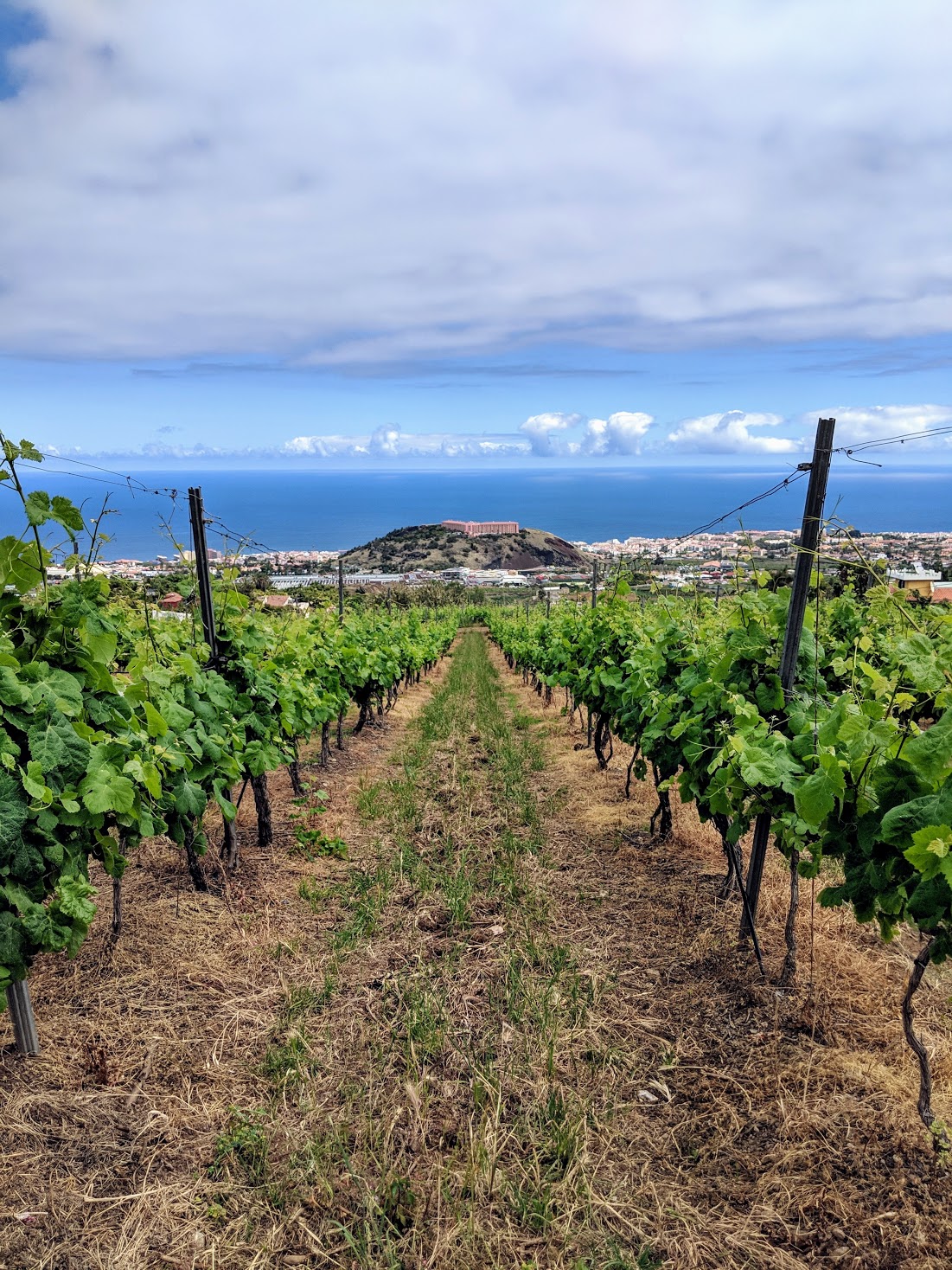
Spain’s largest and most populated Canary Island, Tenerife is magnificent, complex and truly unlike anywhere I have ever travelled. The island is also home to the country’s largest peak and active volcano, Mount Teide. The mountain rises as the highest elevation in Spain, attracting over 5 million tourists per year. Tenerife has more wine and vineyard acreage than any other Canary Island, with the North being the most ideal for viticulture. While driving along the North coast however, it is much easier to spot the many banana tree farms, as the vineyards are mainly situated slightly inland, on steep hillsides. Nonetheless, Tenerife is home to 5 of the Canary Island’s 10 wine regions, and I was able to explore 3 of them. Read on for the Bodegas I visited within each region, along with my hotel, restaurant, and activity recommendations.
Winery Visits:
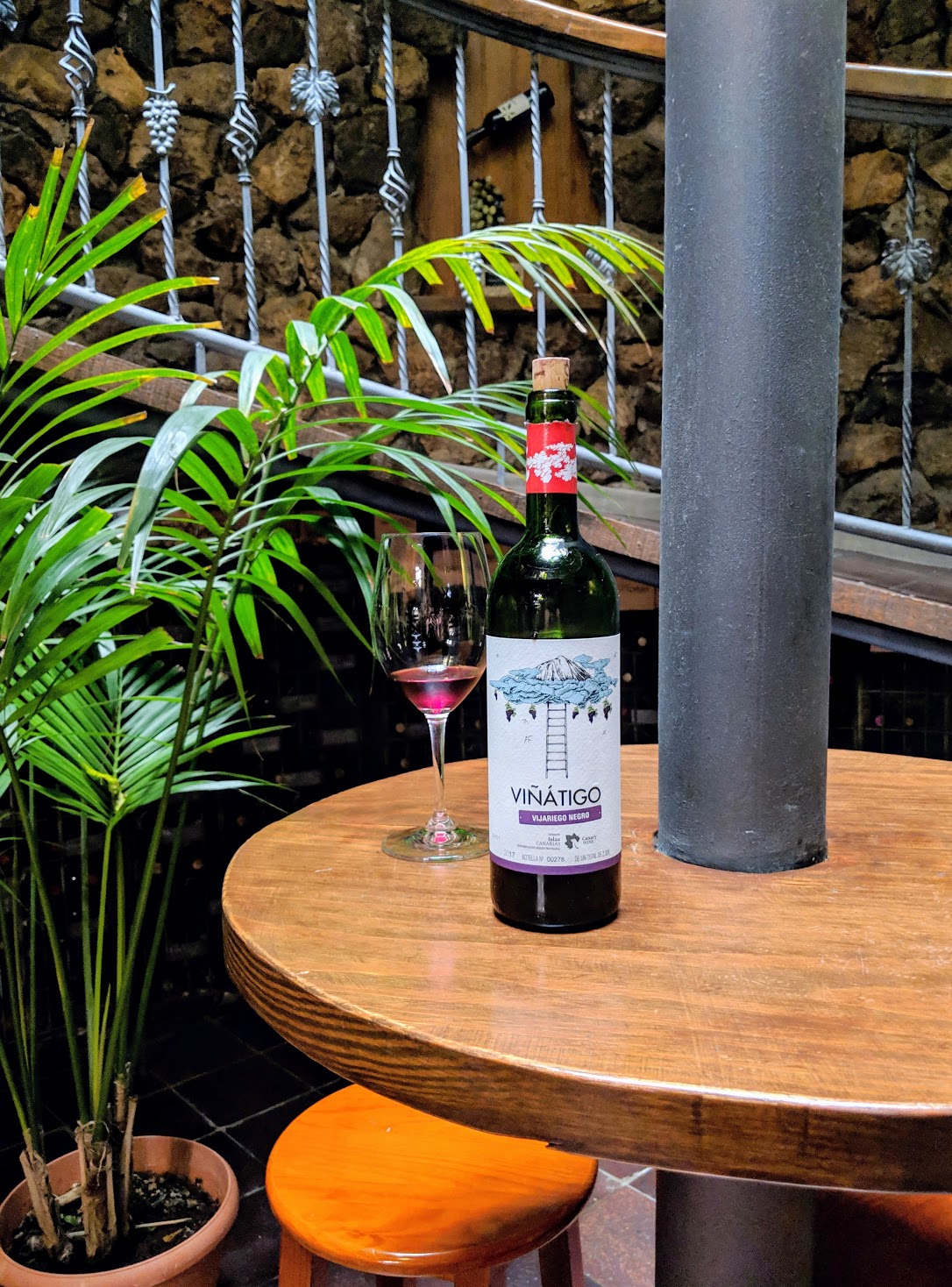
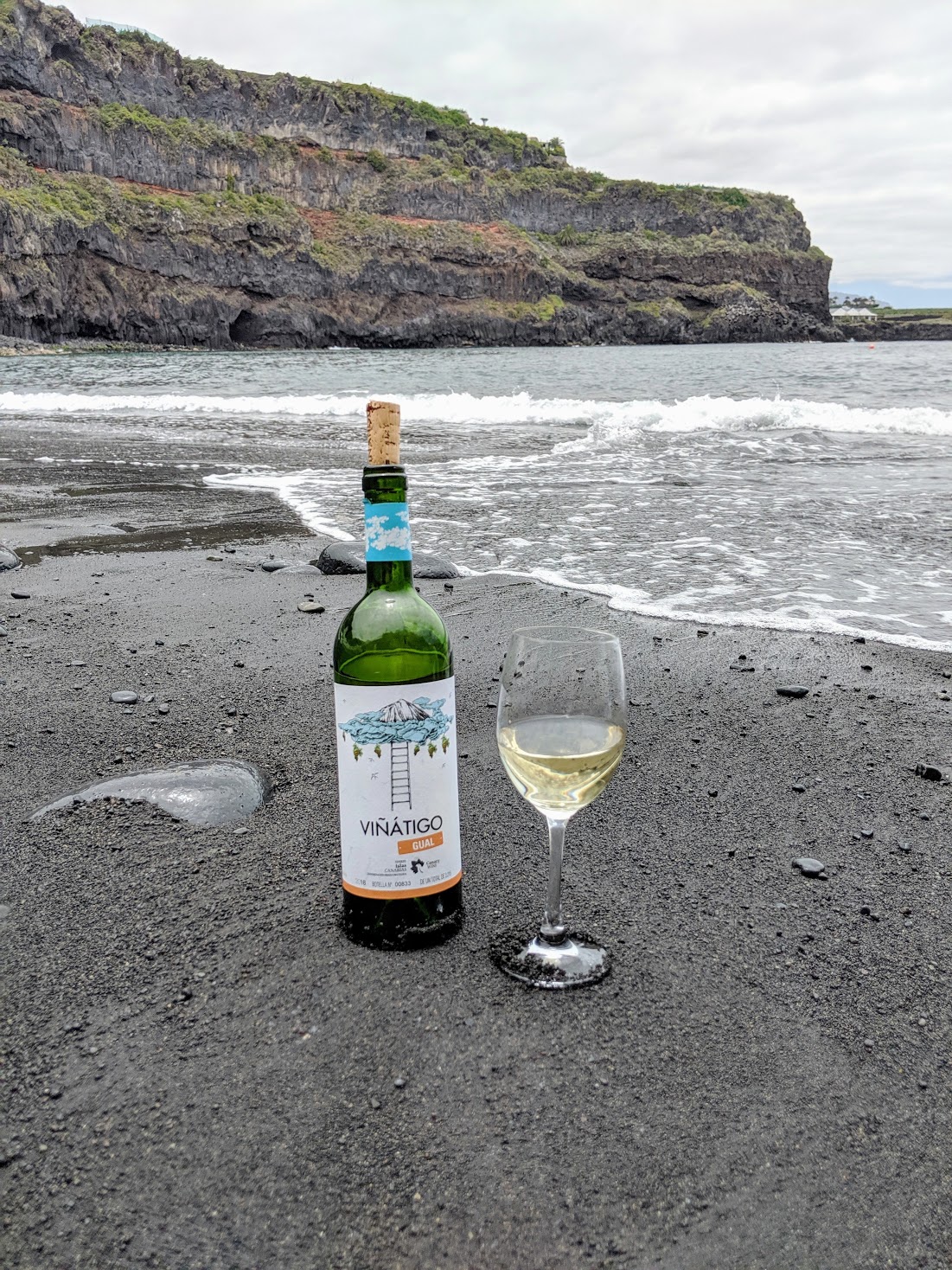
Bodegas Vinatigo, located in Ycoden-Daute-Isora (wine region): This winery was founded in 1990 by Juan Jesus Mendez, a fourth-generation vine-grower. He has and continues to work on the recuperation and revival of indigenous, Canary Island varietals. Since opening, Vinatigo has worked with Universities to identify 82 different grapes. Today, the estate is working with 12 of those, including Gual, Tintilla, Negramoll and Vijariego Negro throughout their five hectares of vineyards. The microclimates within them are largely influenced by the Trade Winds, being so close to the equator.
The three-story winery was dug deep into the volcanic rocks 20 years ago and covered in the stones, inside and out. Vinatigo is not working with any synthetic products and practice hand-harvesting along their rolling vineyards. They are utilizing gravity in their facility, for energy efficiency and also proven to preserve the quality of grapes.
Due to the absence of Phylloxera in the Canary Islands, there are many unique varietals with extremely long history. Among the white grapes, Gual was clearly one of Vinatigo’s most popular, as a monovarietal and in many of their blends. The grape was thought to be extinct before the Juan Jesus worked to revive it. The 2018 was light and tropical, with a hint of jasmine and melon before finishing long with lifted acidity. This wine is aged half in stainless steel and half in concrete eggs. The 2018 Ensamblaje Blanco is a blend of five grapes, mostly Gual, and vinified separately before fermenting on the lees with batonnage in French oak. Notes of rich orange peel and smoky marmalade came across on the palate. From the reds, the 2018 Tinto is an easily lovable medium bodied wine from Listan Negro. The wine had a spritzy feel with blackberries, plum and pepper on the nose and palate.
Bodegas Tajinaste, located in Valle de la Orotava (wine region): Augustin Garcia, owner and 3rd generation winemaker showed us around the estate and vineyards, which his grandparents purchased back in 1940. Both of his parents have worked in the vineyards practically every day for decades. Augustin studied winemaking in Bordeaux before joining his family at Tajinaste 12 years ago. His passion for wine education also led him to open a wine shop, Vinofilos at the same location as the winery. The shop is filled with local, national and international wines which he sells to restaurants and consumers alike.
Their 3 hectare vineyard, located in the wine region of Ortoga, is filled with 90 year old vines on hills that overlook the ocean. The oldest vine dates back to 1914, and the longest is up to 8 meters! In addition to this vineyard, they also rent 9 hectares with their neighbors and buy grapes (to make their own wine) from another 16 hectares of vineyards throughout Tenerife and neighboring island, La Gomera.
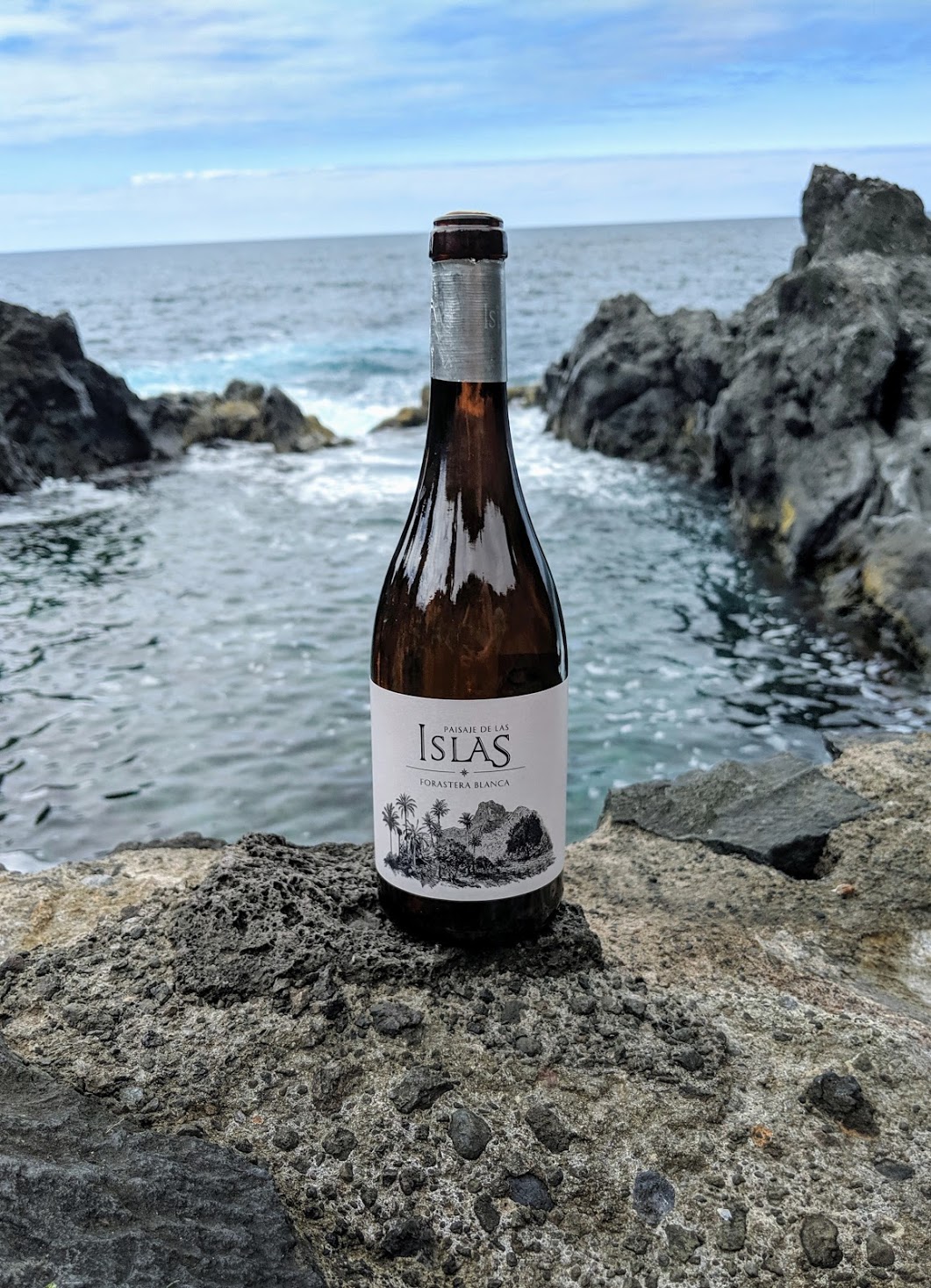
We began tasting the 2018 Listan Blanco, the region’s most popular white grape. Very light and mineral-driven, notes of chamomile, dry herbs and lemon arrise on nose. This wine had around 6 hours of skin contact for a slight body boost before fermentation. Next, we tried one from Tijanaste’s négociant projects, the 2017 Pasaje de Las Islas Forastera Blanca from La Gomera Island. This grape is planted 700 meters above sea level and the 80 year old vines are trained in a goblet style. Similar to Tenerife, the island is mostly green in the North and mostly dry in the South. The majority of producers here are bottling field blends of many different grapes and it is quite difficult to find a vineyard that is dedicated to one single grape, such as this one. Half of the wine is aged in 500 liter oak casks for 4-5 months and the hint of butter comes across on the palate, along with green apple and pear spread.
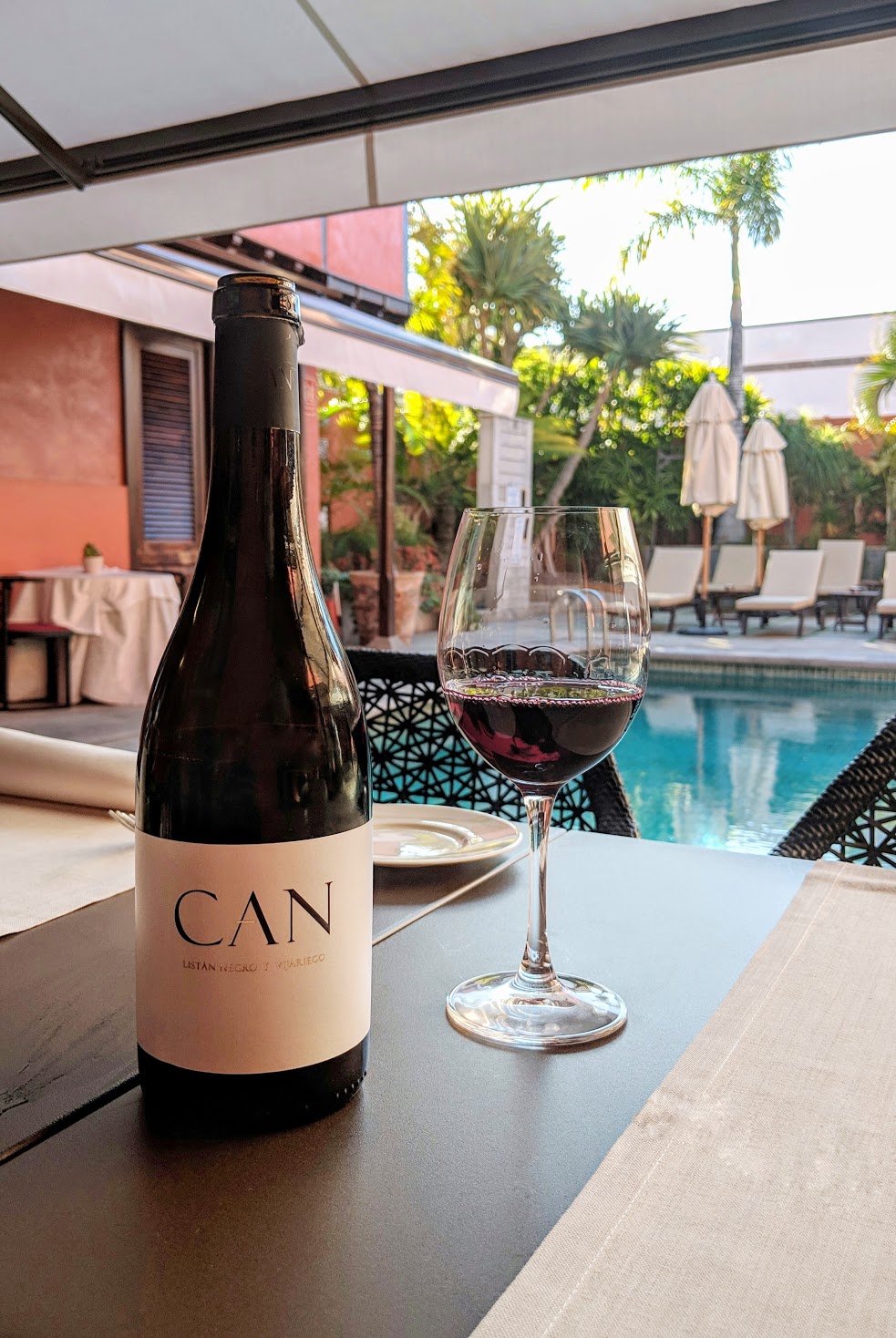
Another standout from the tasting was the Listan Negro from their owned vineyards just meters from where we sat. This 2016 was extremely complex and vegetal, with bell peppers, wet soil, leather and a hint of wood. After 15 days of skin contact, this wine saw 7-8 months in French oak barrels that were around 4 years old. Lastly, the CAN, from their rented vineyard, La Haza located within Orotava. This balanced blend of Listan Negro and Vijariego Negro from @bodegastajinaste is dark red in color with balsamic glazed and roasted cherries, olive tapenade and blueberry jam. The 9 months in French barrel explain the slight aroma of vanilla, cinnamon, and cocoa. There's also a defined rocky soil and wet earthiness, complimenting all the fruit.
Bodegas Monje, located in Tacoronte-Acentejo (wine region): Upon arrival at the breathtaking Bodegas Monje estate, we could honestly feel the history. Filipe Monje led our tour and tasting, explaining that his family started making wine here in 1750. His 17 hectares of vineyards are home to some of the longest standing vines in the world, over 300 years old! Today, the estate is producing around 100,000 bottles per year, from 22 different plots. The soil and varietals vary greatly on his estate. Felipe explained that just 1 kilometer in his vineyard might mean a month of a difference in terms of harvest time.
He took us through the massive winery, pointing out 200-year-old barrels that are still being used today. Among the new oak, Felipe is using French and American wood for his wines. The rest of the winery, finished in 2008 after taking 10 years to construct, was complete with beautiful underground and above ground tasting and event rooms.
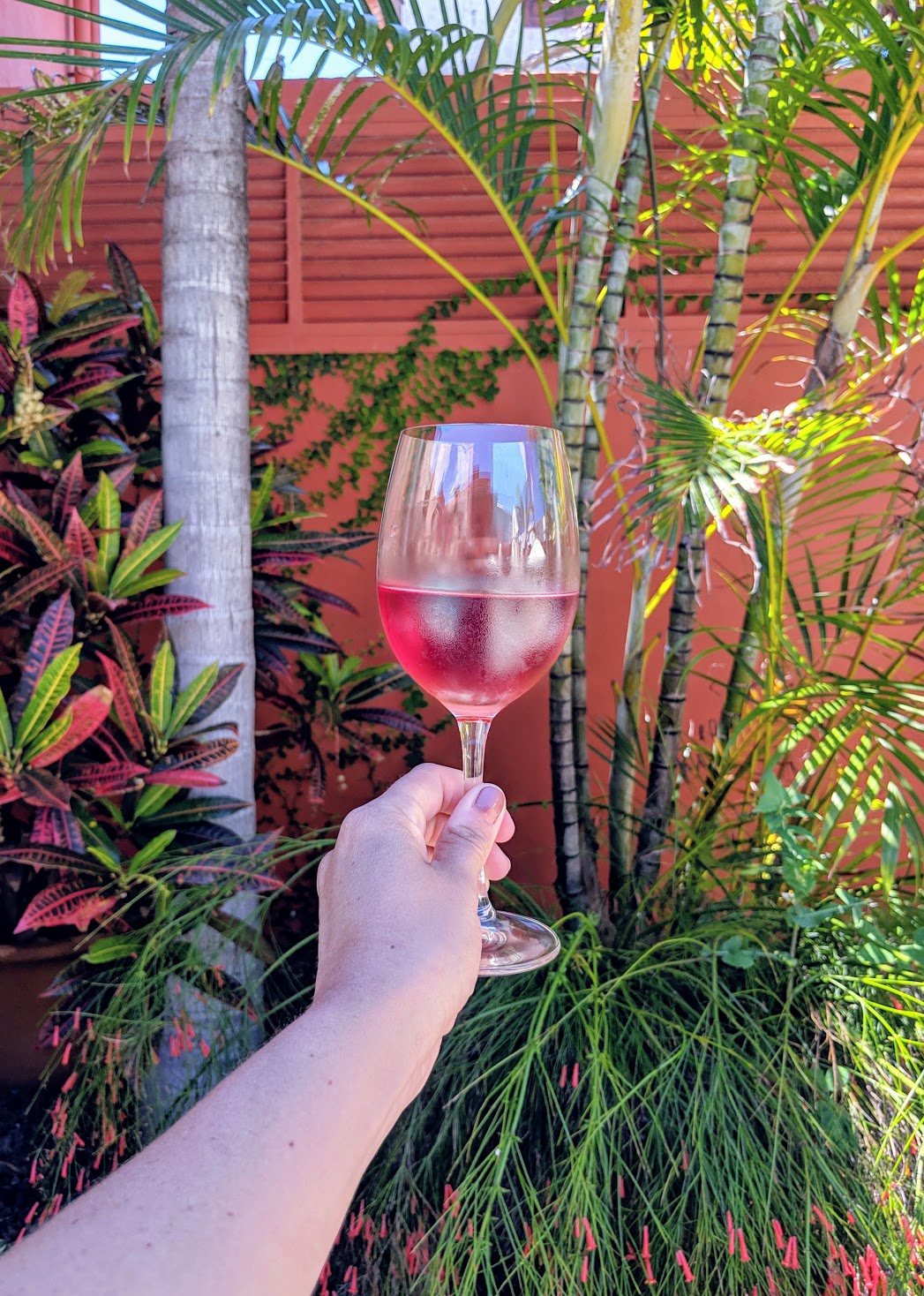
We tasted just about everything, and among my favorites included the 2018 Bibiana rosé. A very bright pink, this floral wine had a just-ripe raspberry component and fresh mint on the palate. The 2017 Hollera is a Carbonic Macerated Listan Negro with ripe cranberries, herbs and orange peel on the nose. Medium in weight and light in tannin, it paired perfectly with the roasted veggies and pulled pork we had in their outstanding restaurant. We continued tasting the indigenous grapes with the 2013 Tintilla, a medium bodied, unique red with grassiness, poblano peppers, pine and eucalyptus on the nose. As Tintilla is quite rare and made in such small production, this one is not available in the USA. Finally, the 2013 Bastardo Negro was a massive wine, with blackberries, black pepper and tree bark on the nose. This wine was clearly still very young, but the potential for aging was apparent and very exciting.
Where I stayed: Boutique Hotel San Roque
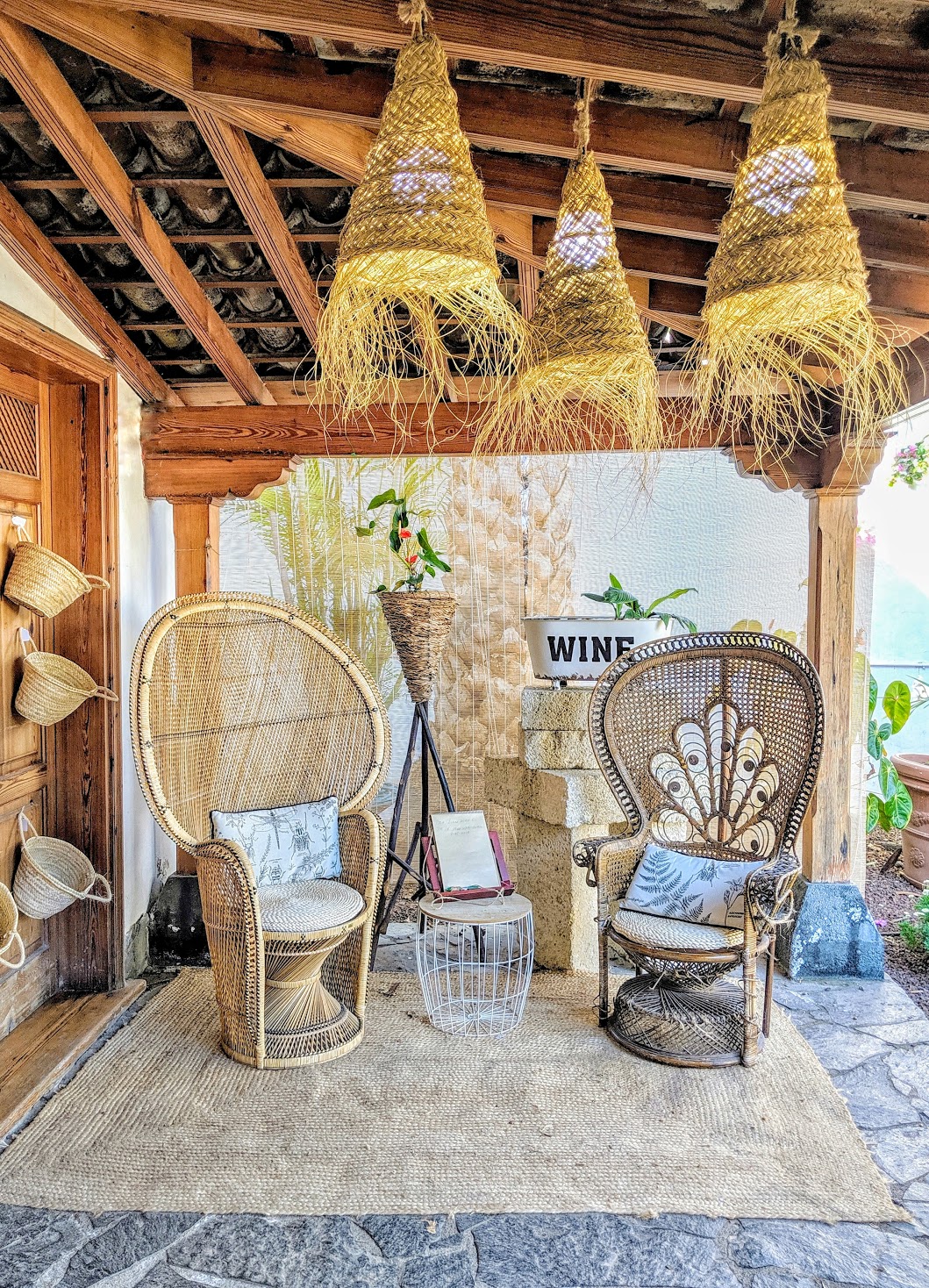
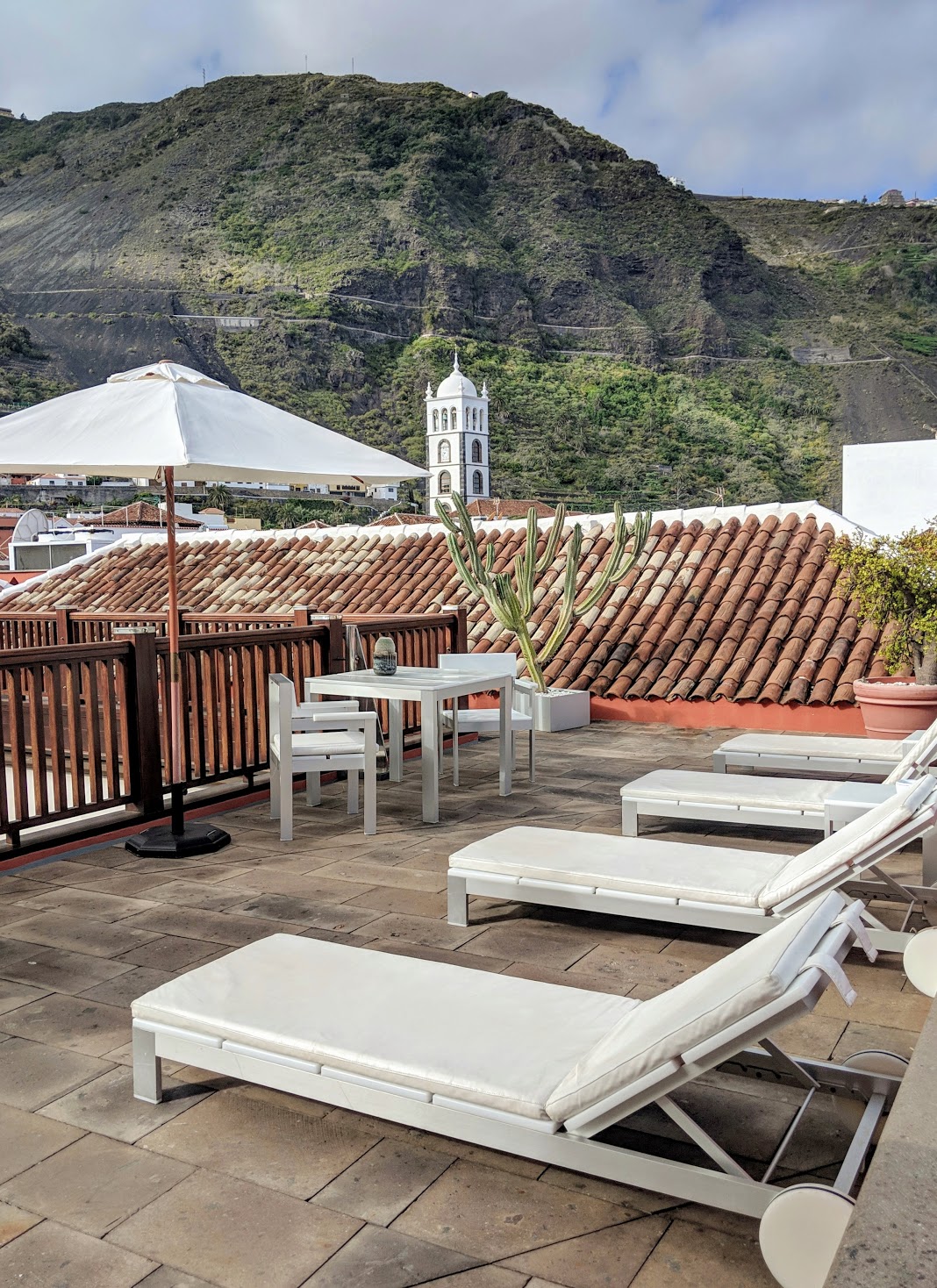
This very small, boutique hotel was nothing short of peaceful and romantic. In fact, we were the only people at the pool and in the terrace on most days. Located in the center of historic Garachico, every restaurant we wanted to go to could be found within a 5 block radius. Comfortable, great service, fabulous restaurant, and a phenomenal value, I could not recommend this place enough. They booked our nearly impossible-to-find automatic rental car for us (I know, I still need to learn to drive stick), which was dropped off and picked up at the hotel. Needless to say, the service really went above and beyond during our entire stay.
What to do:
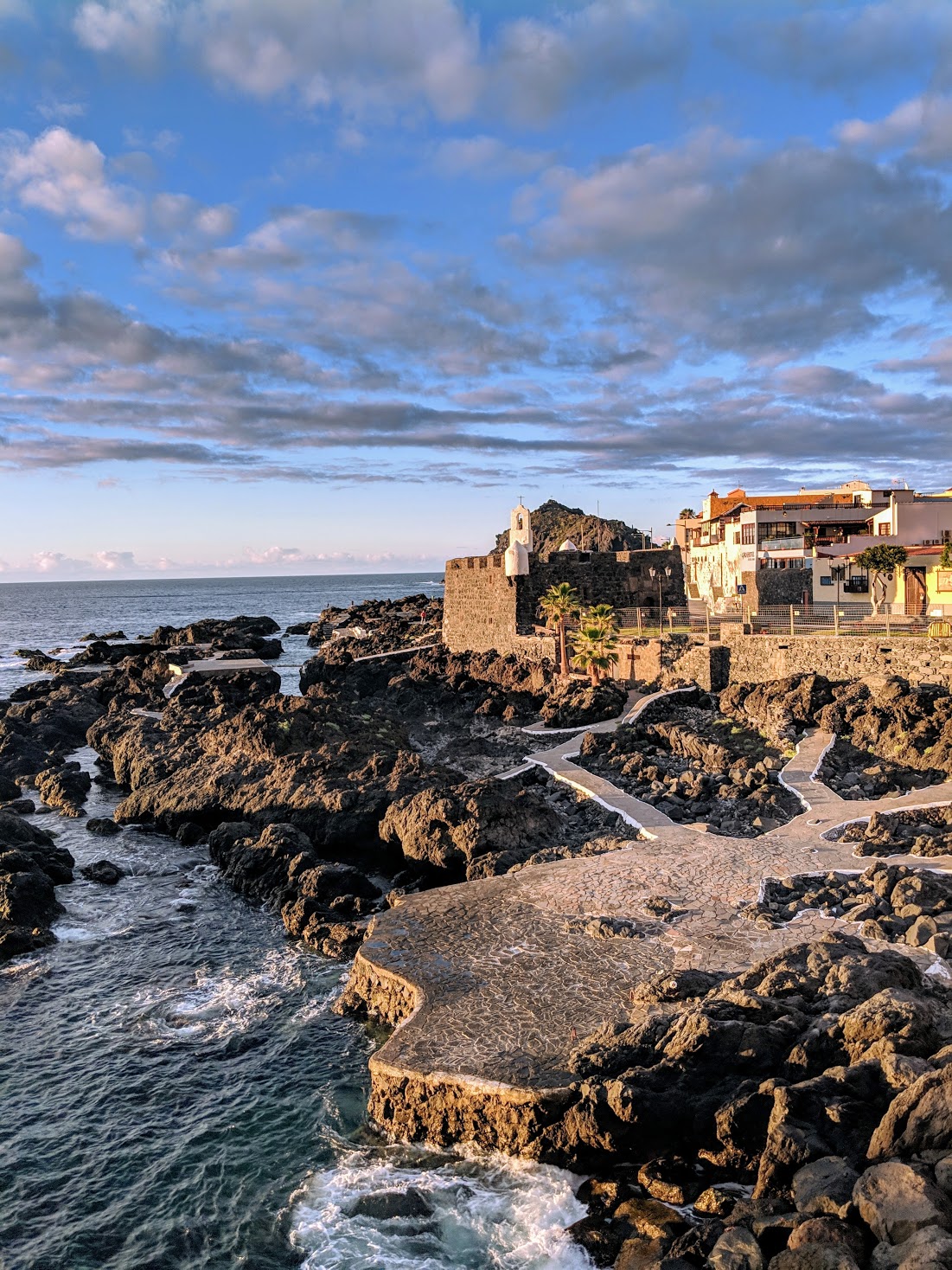
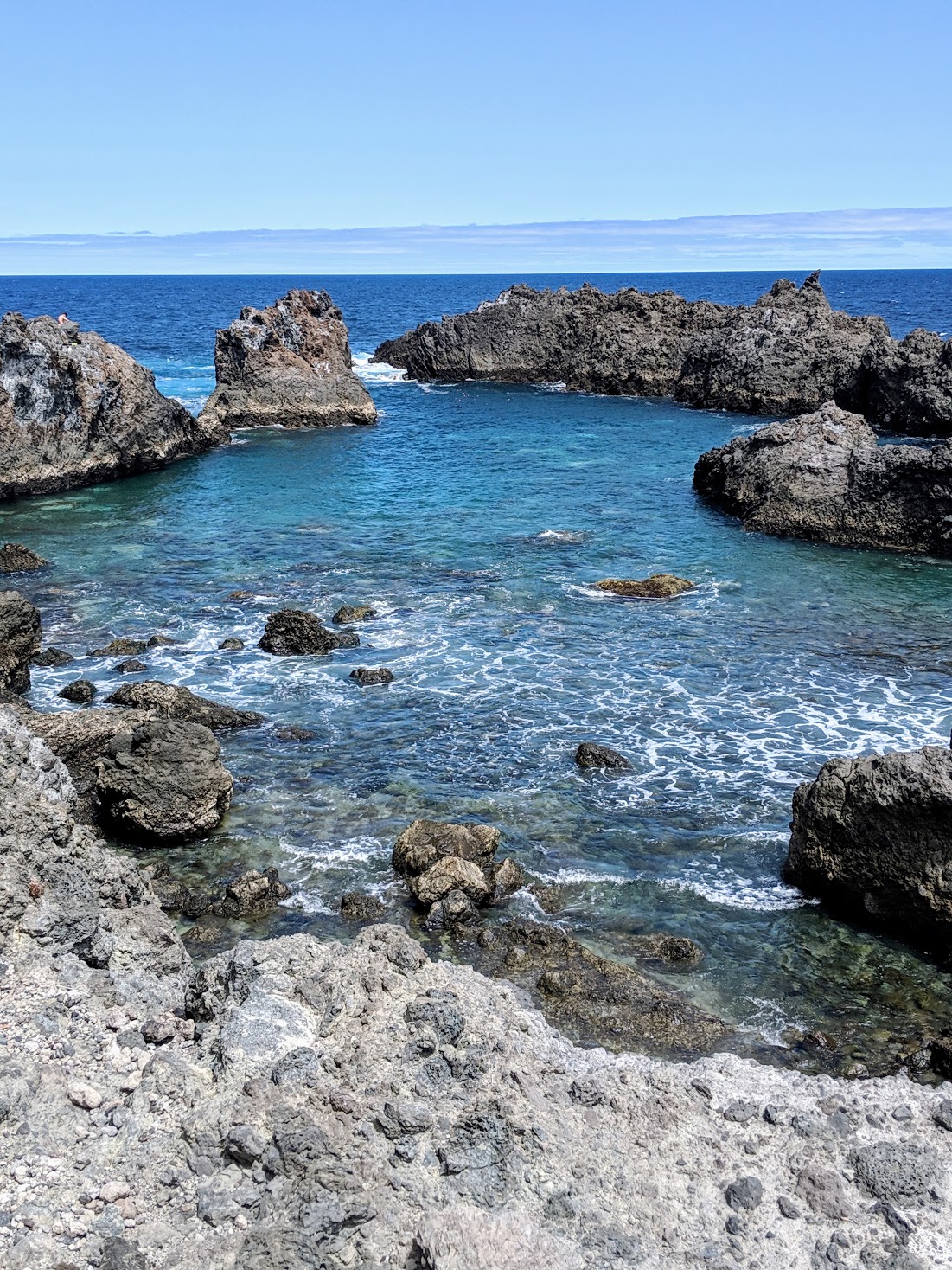
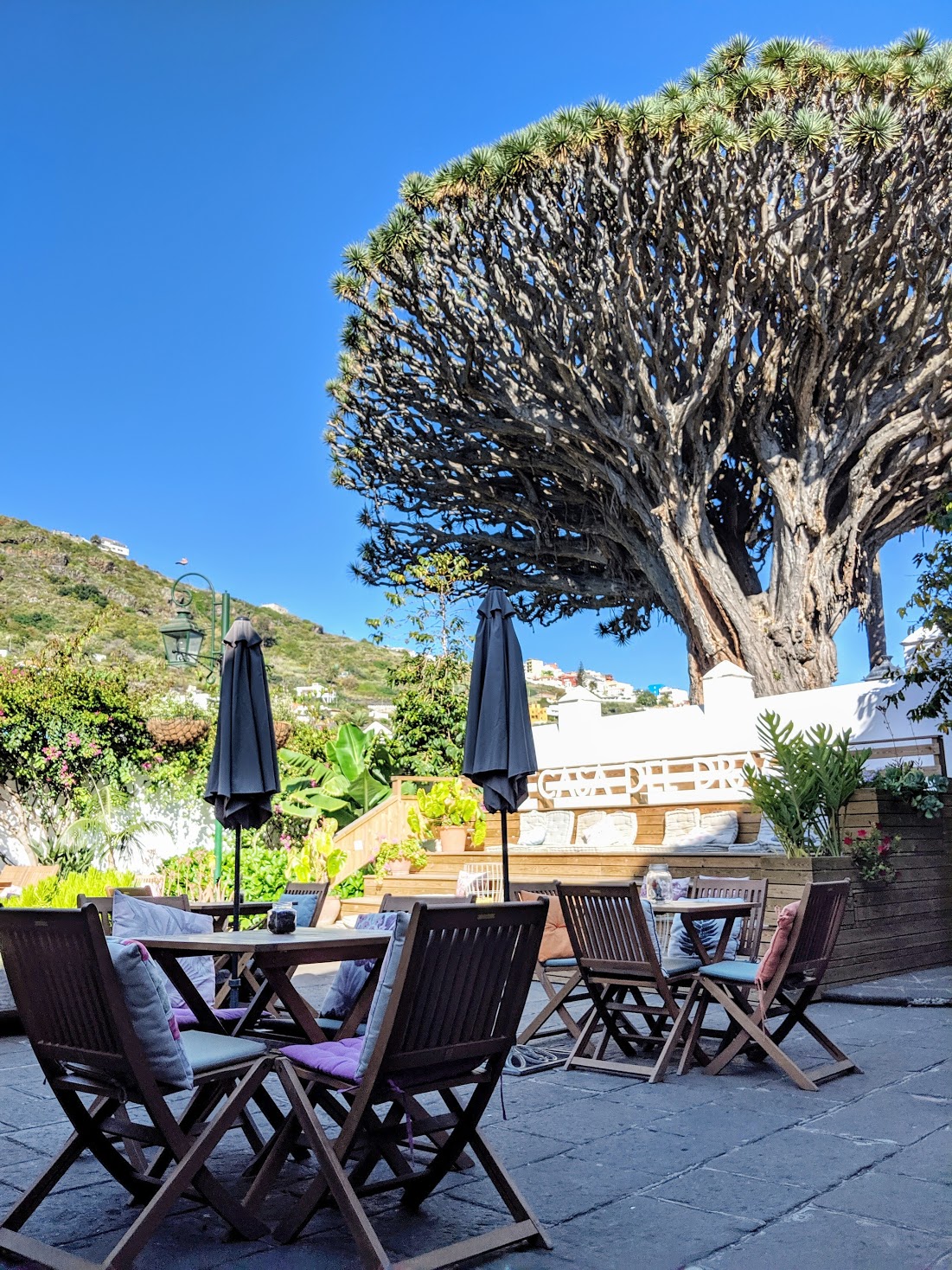
The Charcos (natural pools) like Charco de la Laja and Charco del Viento are absolutely stunning and surprisingly easy to swim around in, considering the massive waves. We spent around two hours sunbathing at each, with a bottle of local wine of course. The 1,000 year old tree, El Drago is situated in Icod de los Vinos, a town just 10 minutes from Garachico. This incredible tree is definitely worth a visit through the beautiful tree garden. Icod de los Vinos is a historic, tourist driven village is also home to Mariposario, the butterfly garden, along with several other museums and tourist attractions. Also, don’t miss the black sand and pebble beach, San Marcos, for a chilled out day under the sun.
Where to eat:
Mirador Guarachico. This upscale spot has local influence and a fantastic wine list. Make a reservation and note their odd hours.
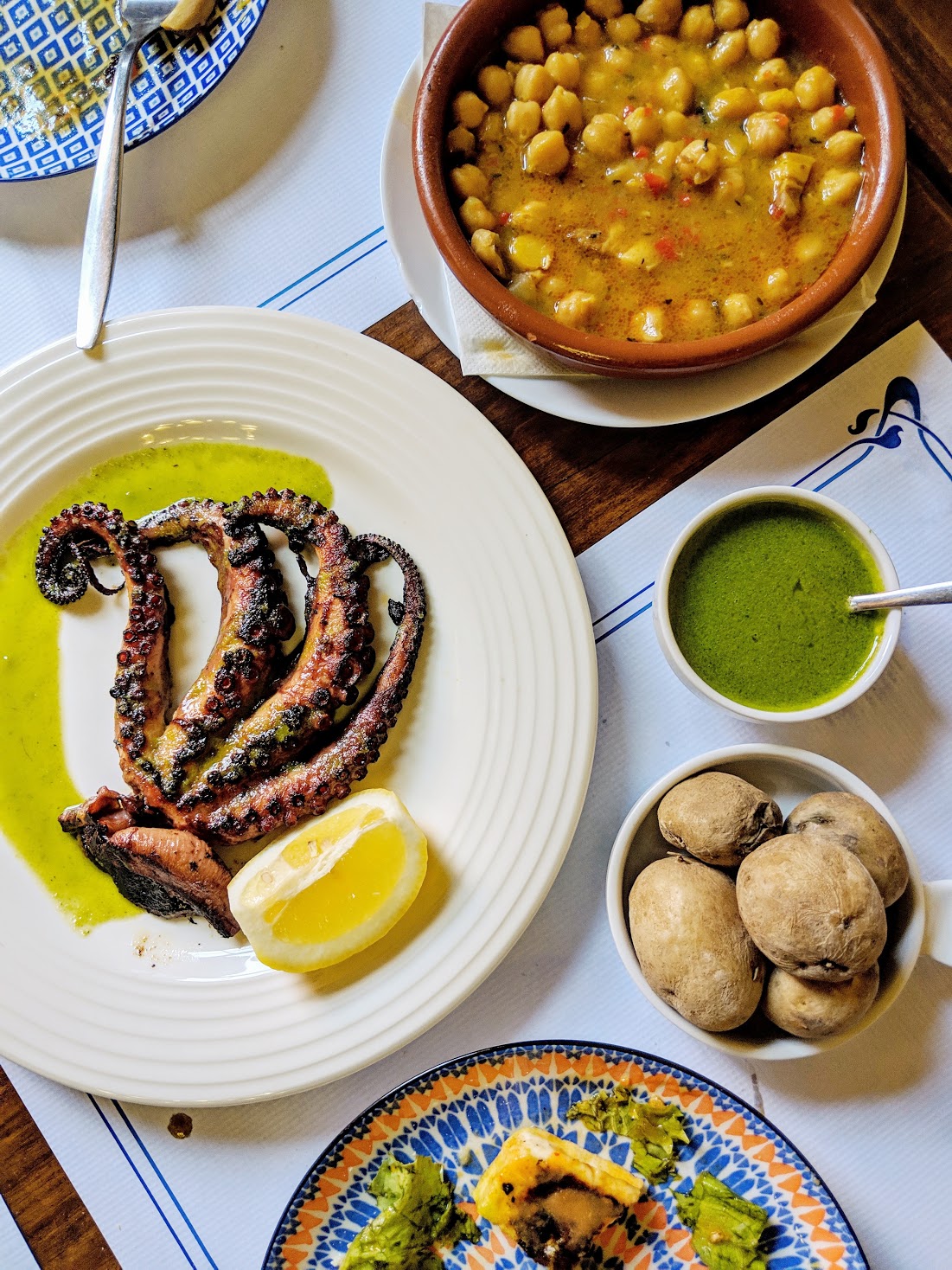
Aristides. Our favorite local fish and wrinkled potatoes were found here, along with the best version of the local mojo sauce.
Candelaria de Cocina. This old school, family run spot is super casual with a menu that changes daily. We loved feeling like a local here.
Los Pinos. Another super local spot, but with a huge menu of tapas including mushrooms, octopus, shrimp, and grilled cheese (cheese that is grilled, no bread).
Anturium. Our hotel’s restaurant, this fine dining restaurant around the pool had an Italian fused menu and our favorite homemade bread.
Don Quichaco. Mexican/Spanish street food with the most delicious tacos and nachos I’ve had in years. A must for a quick lunch followed by homemade gelato!
Sommelier in the UK
Over an eight-day tour, I was completely immersed in UK culture, cocktails and cuisine. I tasted a Scotch Egg, explored Kent’s incomparable vineyards, and got to see the gin craze firsthand. I’d say it was a week-long lesson on imbibing like the British. This trip was in partnership with Great British Food and their “Food is GREAT” campaign. If you’re planning a trip to the UK soon, make sure to follow @GreatBritishFood for the best food, drink and other travel recommendations. I was truly honored to experience the unbelievable range of food and drink available in the UK.
Having tasted and worked with a few English sparkling wines over the years, I’ve always been impressed by the heightened acidity and Champagne-like minerality. This is due to the fact that most English sparkling is produced in the same style, and even planted in a similar climate to, Champagne. At around half the price, putting this bubbly on your radar should be a no brainer.
Wineries of Southern England
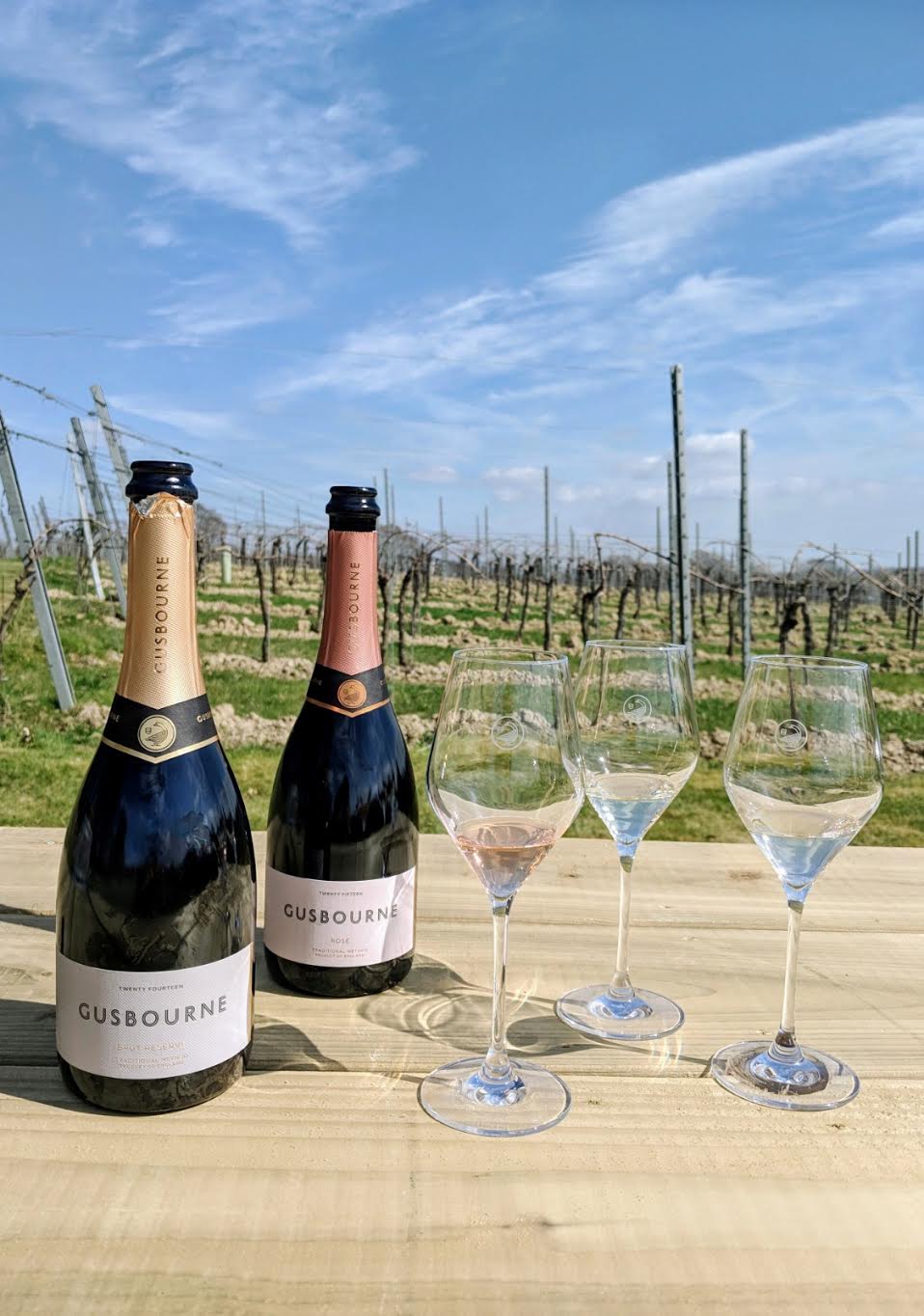
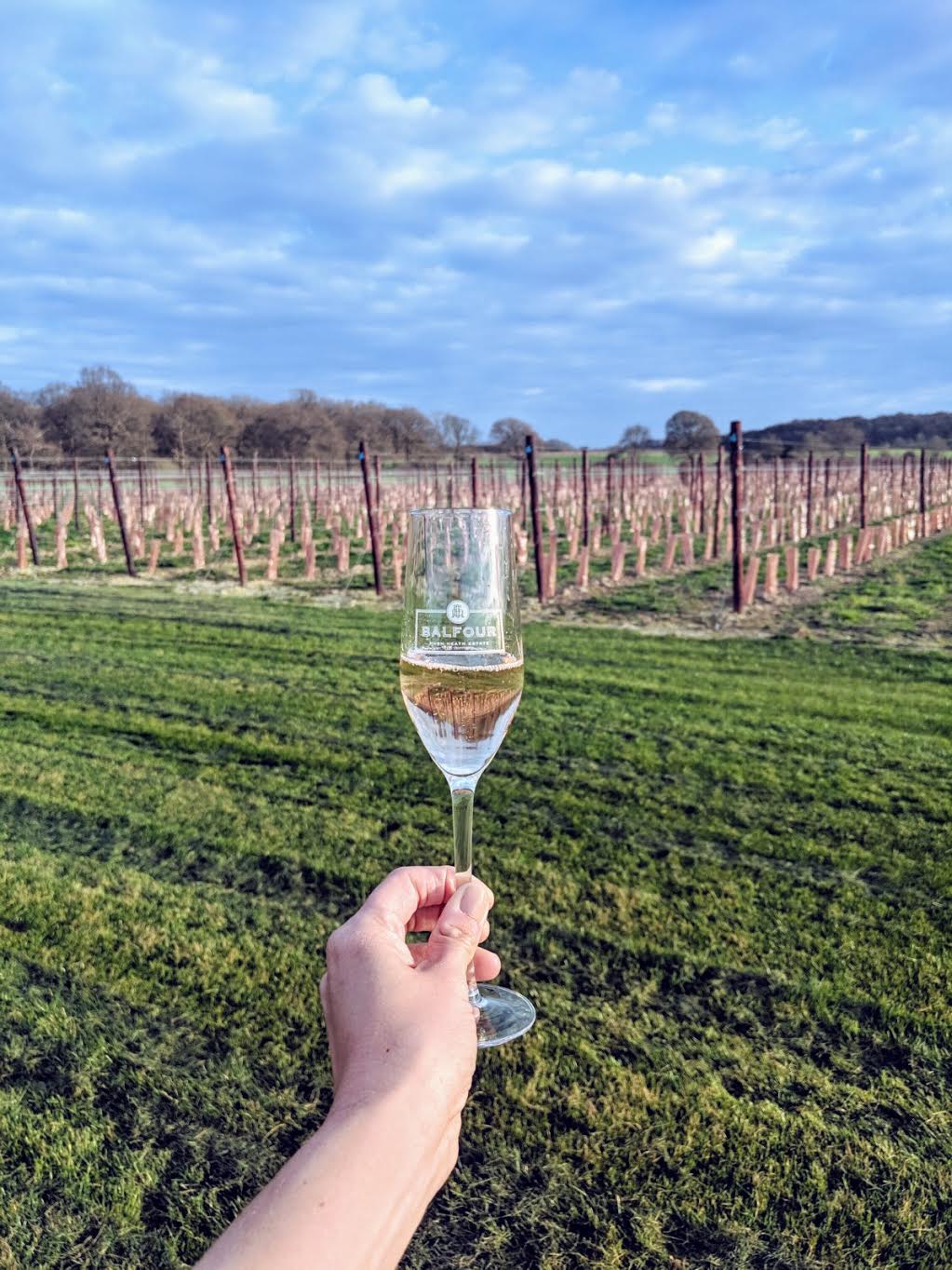
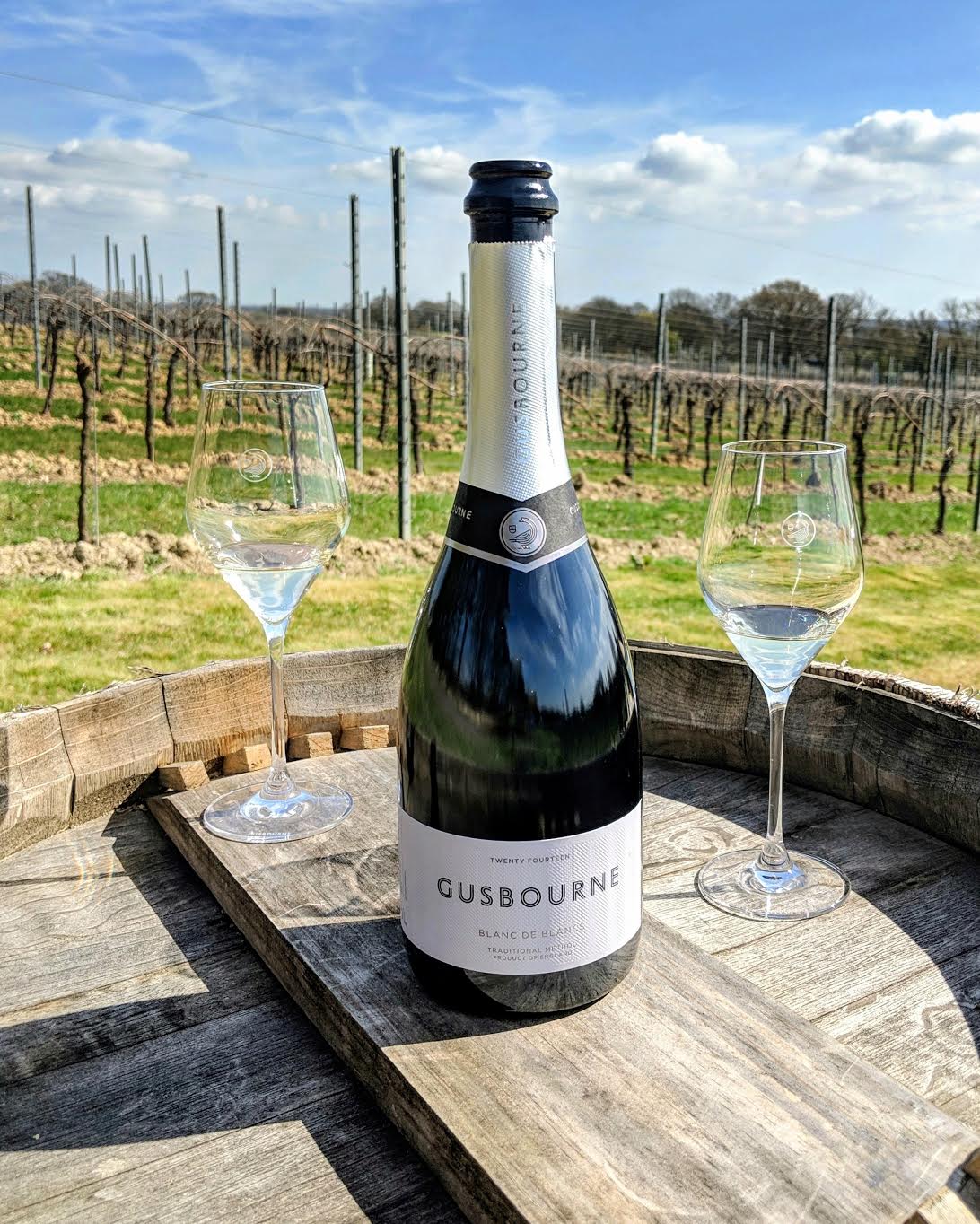
The first top on our Kent winery tour began at Gusbourne Estate, located the furthest Southeast, on low slopes where the sea used to be. The majority of their 90 hectares of vineyards is located on this marsh, just 6 miles inland. The soil, comprised of clay and sand, has ideal drainage and sun exposure across these low slopes. The rain tends to follow a southeast pattern, keeping the winery dry and sunny. It was around 55 degrees last week and we were told that it didn’t snow at all this winter, if that gives you an indication of their optimal weather conditions.
The winery was founded in 2004 by Andrew Weeber, a surgeon with a passion for Champagne. Grape vines had never been planted on his estate, and the ones today were brought over from Dijon. They are all planted North to South, due to the constant Southwesterly winds. The only pests here are birds, but they are easily managed by moving a silver balloon around the vineyards, since apparently, they despise change.
Today, Gusbourne is producing almost exclusively sparkling wine and we were able to taste their top three produced each year. All of their Sparkling wines have seen some amount of time in oak, for texture purposes. Over 1,000 oak trees grow on their property, and they have only found one to make a few English barrels out of. The rest of their wood comes from France, including large foudres from Burgundy.
The tasting included their 2015 Rose (54% Pinot Noir, 32% Pinot Meunier, and 14% Chardonnay), the 2014 Brut Reserve (60% Pinot Noir, 22% Chardonnay and 18% Pinot Meunier), and the 2014 Blanc de Blancs (100% Chardonnay). All impressive, full of acidity and slightly mineral, the resemblance to Champagne was uncanny.
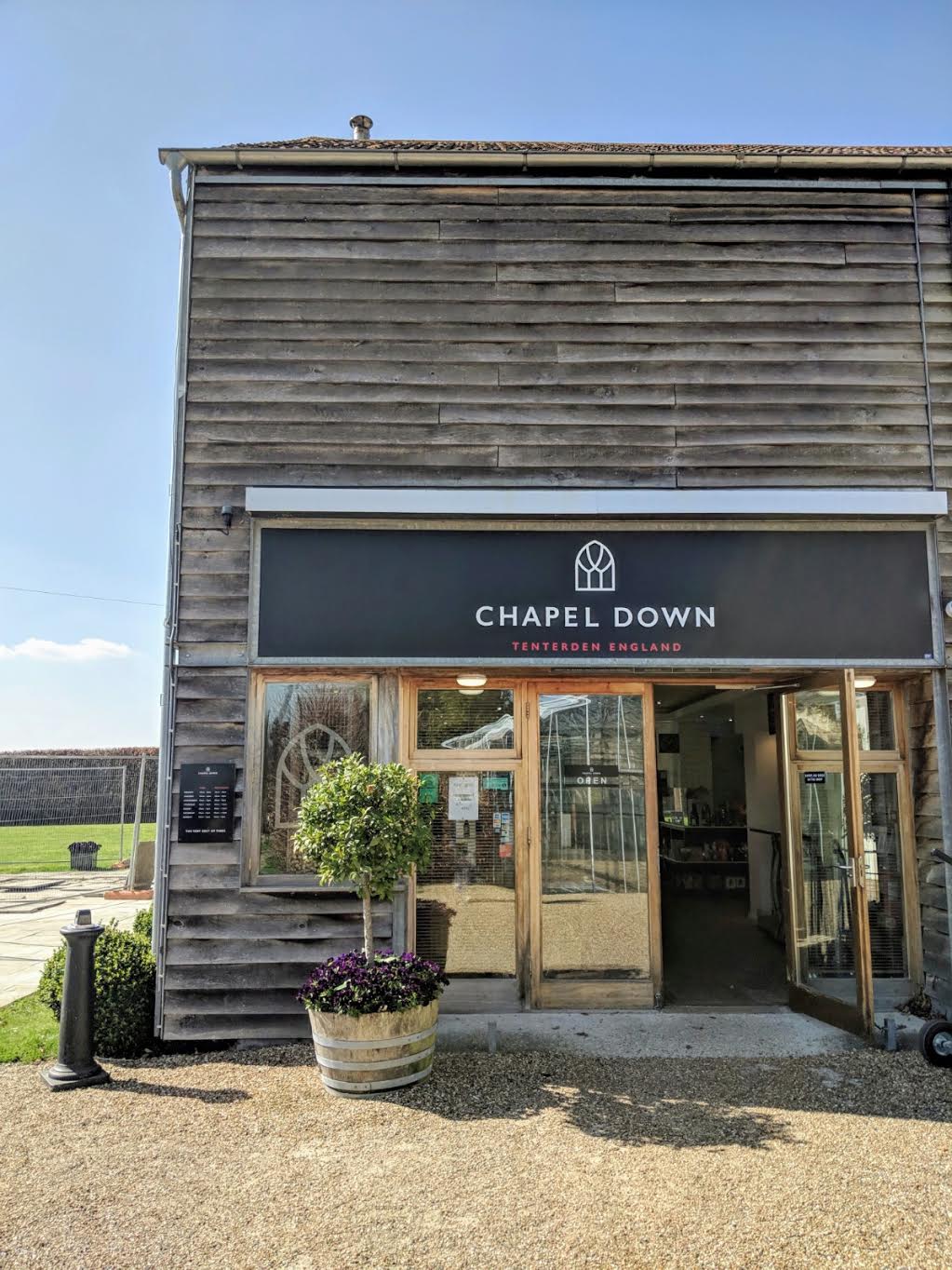
Our tour continued at Chapel Down, not just a winery but brewery and distillery as well. Like most of Gusbourne’s vineyards, their property was actually where the coastline came to in the 12th century. They decided to plant vines in the 1970s, when Steven Skelton, MW bought this 26 acre hop farm at the time, and started from scratch. All of the vines were planted on southwest facing slopes, for optimal sun exposure.
One grape that flourished during Skelton’s planting experimentation was Bachhus, a crossing between Riesling, Muller Thurgau and Silvaner. This grape was one of the only to ripen properly for the production of wine. Today, the estate has more options in terms of varietals that work, due to global warming. After tasting the Bacchus, it almost reminded me of a Sauvignon Blanc from New Zealand, with ripe, tropical fruit on the nose and palate. 2018 was their largest harvest to date, producing over 15 million bottles from their 600+ acres of vines! That makes Chapel Down the largest producer of wine in England, with an output covering 1/8th of the entire production.
The grapes for their sparkling wines are planted across 300 acres in Kent, with a similar climate and soil to Champagne. Chapel Down’s production is approximately 50% Sparkling wine, with Chardonnay, Pinot Noir, Pinot Meunier, and Pinot Blanc (for the NV). They’ve transitioned to single guyot planting only, which has resulted in fewer bunches and higher quality due to lower yields.
The tasting started with still whites, like Bacchus, Pinot Blanc, Chardonnay and even Albarino. The Albarino was quite interesting, aged on the lees, 30% of which in used oak. My notes included braised apricot, honey and lemon peel, with a bit more acidity than the familiar, Spanish version. We went on to taste the Sparkling wines, beer, cider, gin and vodka, when I said “ok, this place really manages to do it all.” In fact, they make the first ever gin from Pinot Noir grapes in the world! It was quite delicious.
Our last winery visit was to Hush Heath Winery, a 450 acre estate that only started producing wine in 2000. The first vineyard was planted in 2002, with a focus on conservation, striving for self-sustaining vineyards, eventually. The property is full of preservation areas that the winery has created, with ponds, lakes and tons of fresh water. You can find honeybees, owl nests, and frogs on any given day, throughout their trails (open to the public). The estate is very globally aware and doing what they can to better the environment and their massive land. The very modern winery was built in 2010 and just completed this year
Hush Heath is constantly planting new vineyards, the latest being just last spring. All pruning and picking is done by hand, and they don’t use any irrigation. Similar to the other wineries visited in England, Hush Health focuses on the 3 Champagne grapes, and produces mainly sparkling wine. In fact, all of their equipment comes from Champagne, minus the bottling line. They gently press their grapes to retain acidity, a process that takes over 4 hours to achieve. Hush Heath also believes in very cool fermentation, as warming it can change the character of the grapes. The estate uses a combination of French and American oak, and usually use them in the production of their sparkling wines.
The tasting involved a few still and sparkling wines, which were quite impressive. Among them was the Pinot Noir, from vines planted in 2002. The unoaked wine was very elegant and earth-driven, old world in style. This was the first still red wine from England that I’d ever tasted and proved to be quite promising.
BEER
This Edinburgh walking tour started and ended at a brewery, with tastings and a whole lot of history in between. We learned all about Scottish beer, from the 1100’s to the rising craft beer scene today.
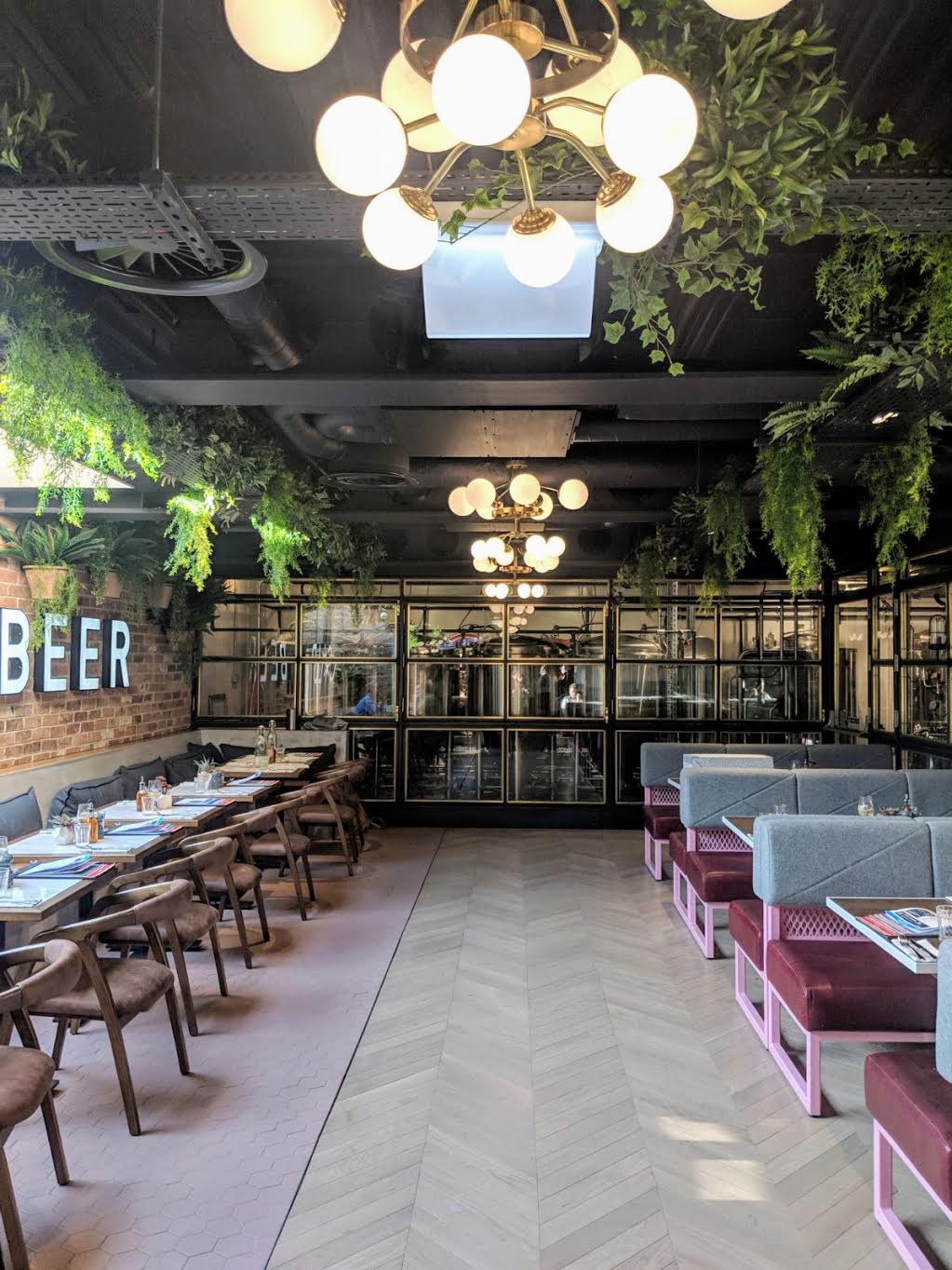
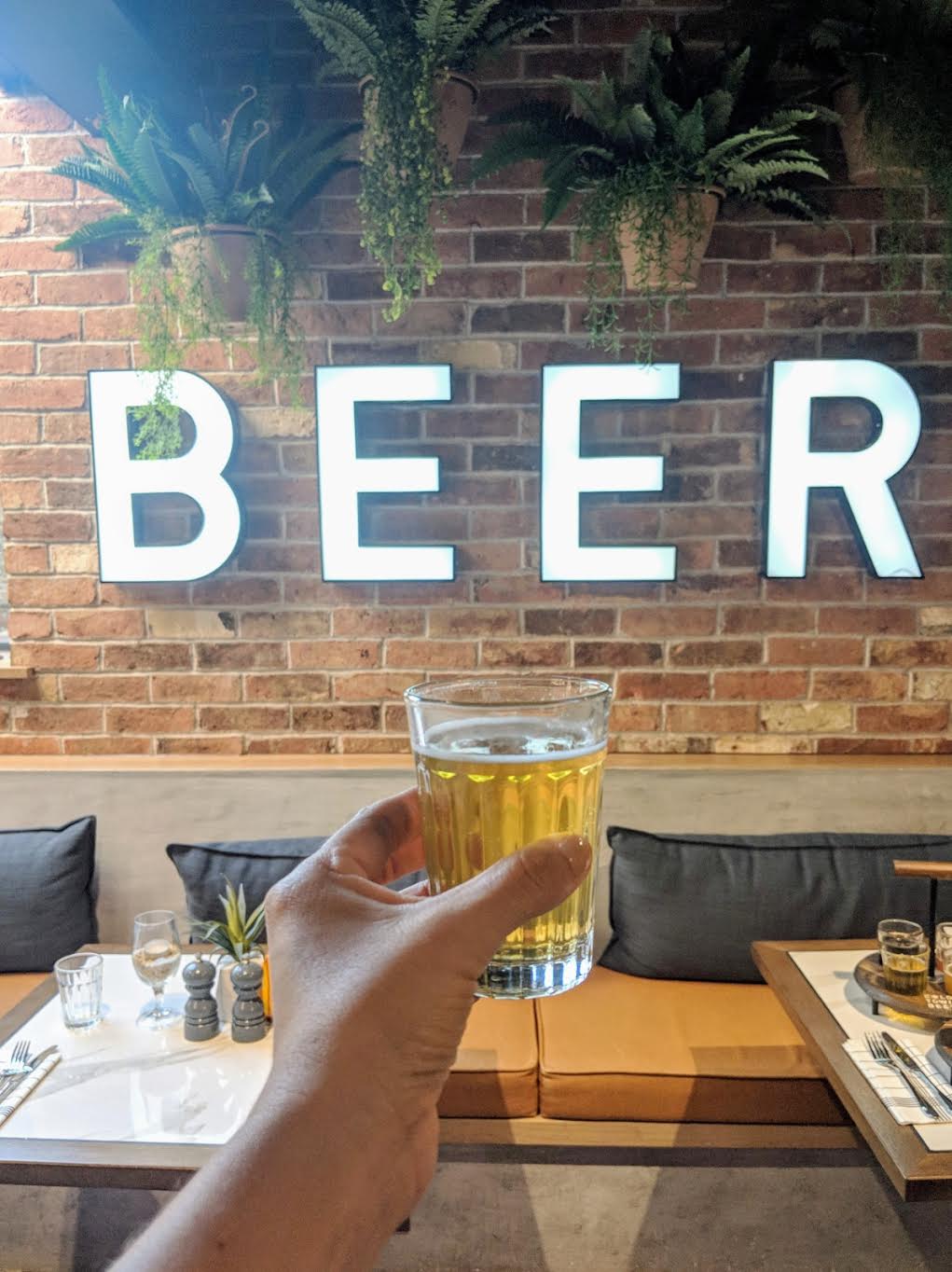
Our first tasting was at Summerhall, with a selection from Barney’s Brewery in Edinburgh. The lineup from this local microbrewery included a sour, a red ale, a pale ale and an IPA. The IPA, Cool Beans, was actually made using 40% faba beans and 60% barley. It was brewed with a strong, malt and a mix of new world hops that resulted in a very drinkable, well-balanced beer. Our second brewery stop was the recently opened, Cold Town Beer brewery and restaurant. We enjoyed a flight of four beers, including their flagship craft lager, bright and drinkable and just 4% alcohol. If you’re a beer and history buff, add this tour to your Edinburgh itinerary.
SPIRITS
This was the perfect tour for Scotch pros and newbies alike. It starts in a virtual distillery, where you get to ride through the production phase in a mock barrel. Then, you’ll learn all about the Scotch producing regions with a film and scratch n’ sniff card to help you identify the differences in style. Finally, the guide takes you into the Library, where you’re surrounded by the largest collection of Scotch in the world as you taste and compare single malt and blended Scotch. I’ve never been one to claim expertise when it comes to spirits, but after this tasting I felt like the Scotch pro I’ve always wanted to be. This was a sensory journey I won’t soon forget. Also, be sure to dine at their restaurant, Amber for a traditional, 3 course dinner and Scotch pairing!
The infamous Beefeater distillery is located in the heart of London, and shockingly makes all of their gin right there in the facility. The tour begins in their Gin Museum, with historic articles and stories about how gin became so popular in England, as well as how Beefeater came to be. Their 1800’s gin recipe still remains the same today, and the tour guide urges you to smell each ingredient as you make your way to the Gin Bar for a classic Gin and Tonic.
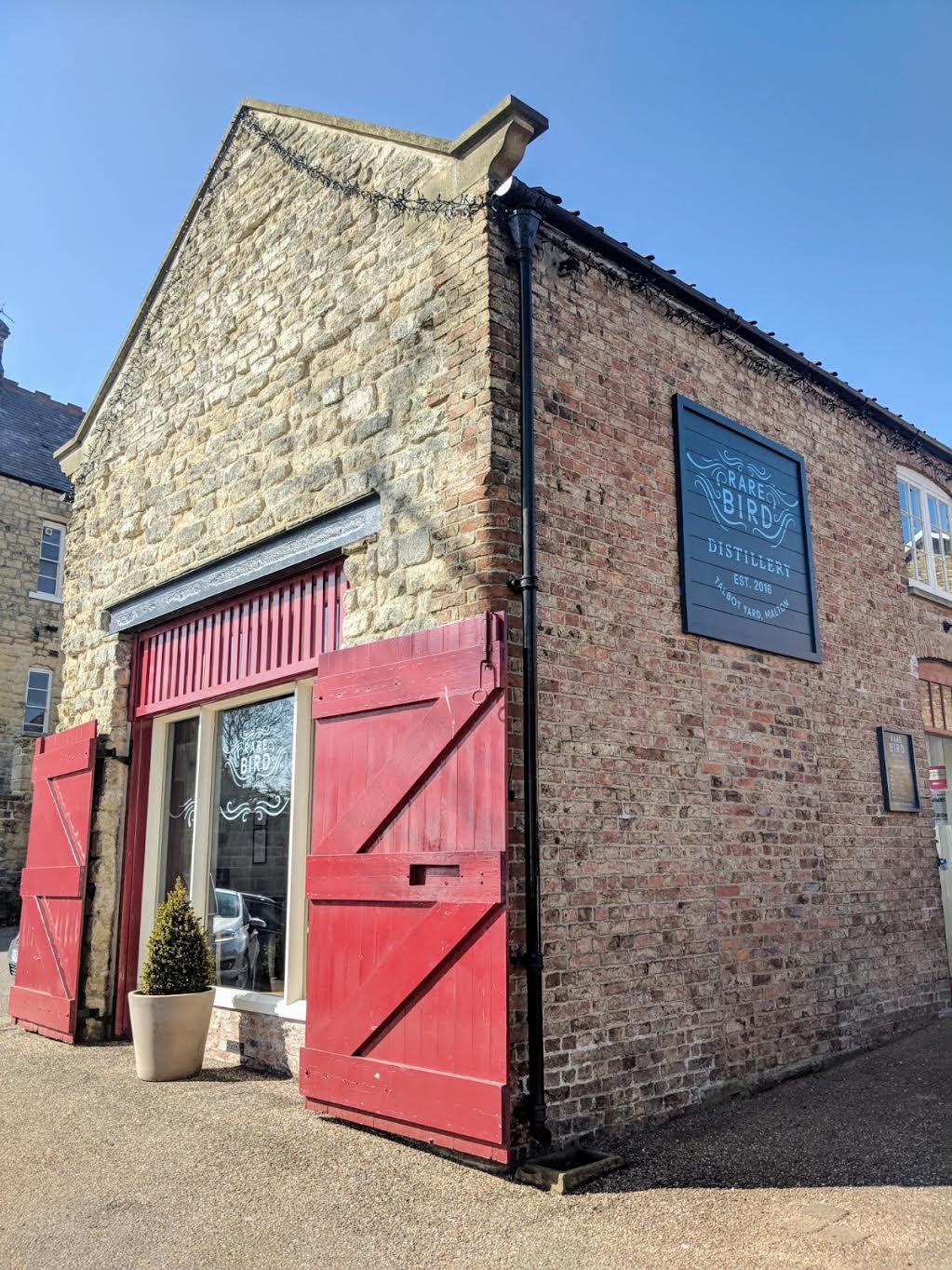
Located in the Malton, this lovely distillery specializes in Mediterranean-inspired herbs and botanicals for their beautifully fragrant gin. Rare Bird distillery also offers a “Gin School,” allowing gin lovers to create their own concoctions, with dozens of ingredients to choose from. What a blast!
FOR THE FOODIES…
A few of my favorite restaurants for those of you travelling to London, Kent, Edinburgh, or Malton:
· London: Sketch (situated in an 18th-century townhouse, this magnificent restaurant specializes in afternoon tea, complete with three courses of nibbles, caviar and champagne), Dishoom (Inventive Indian cuisine in a massive, antique warehouse. Just make sure to get a reservation), The Cheese Bar (any cheese lover’s most indulgent dream come true. Dive into their massive selection from independent purveyors before lunching on their renowned staples, from burrata to fondue and grilled cheese to and mac n’ cheese), The Ned (This stunning hotel has several bars and restaurants in their magnificent 20’s building. I enjoyed oysters and a classic burger inside Millie’s upscale dining room), Noble Rot (An absolute must for wine lovers, this wine bar and restaurant has a huge selection of wines by the glass and Burgundy by the bottle. Yes, from the same guys who brought you the industry-obsessed wine magazine by the same name). Last but not least, and for my tea aficionados, The East India Company has a massive selection of not only tea, but coffee, chocolates, and gin. Over a short tour and tasting, we learned all about where the different types of tea come from, how long to steep, and the perfect temperature to enjoy your favorite styles.
· Kent: The Goudhurst Inn (A casual setting with a mix of traditional staples and comforting Italian-inspired dishes)
· Edinburgh: The Little Chartroom (A tiny, super trendy spot owned by four food and wine pros. Expect seasonal and creative plates and an impressively rare wine selection), 27 Elliotts (Food stylist turned author and restaurateur, Jessica Dennison’s relaxing, neighborhood favorite offers daily brunch along with a supper club style feast on Friday and Saturday nights). Cranachan & Crowdie, not a restaurant, but the loveliest shop for authentic Scottish products. We tasted their delicious cheeses, meats, chutneys and local gin before picking up a few wood and tweed souvenirs.
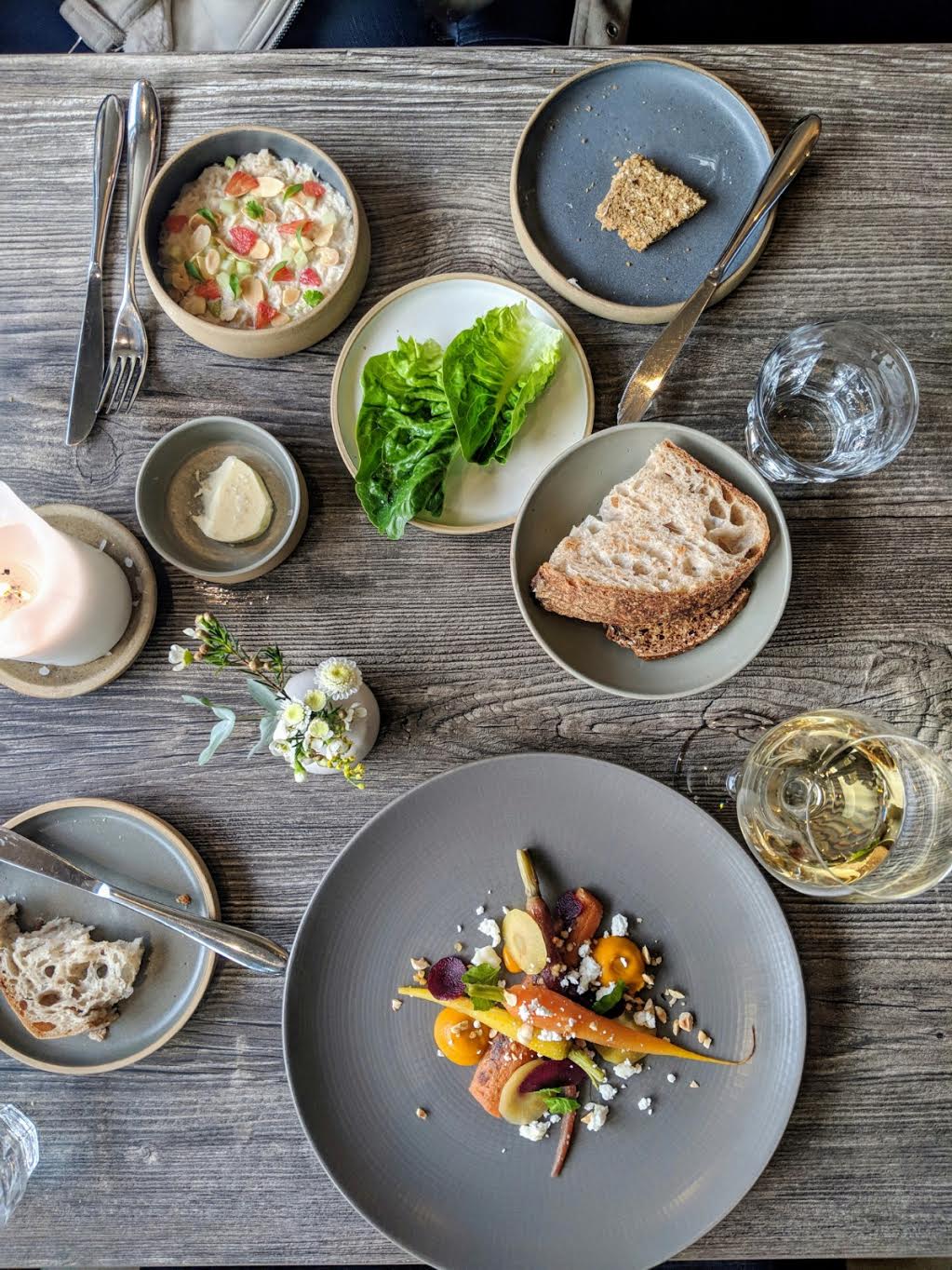
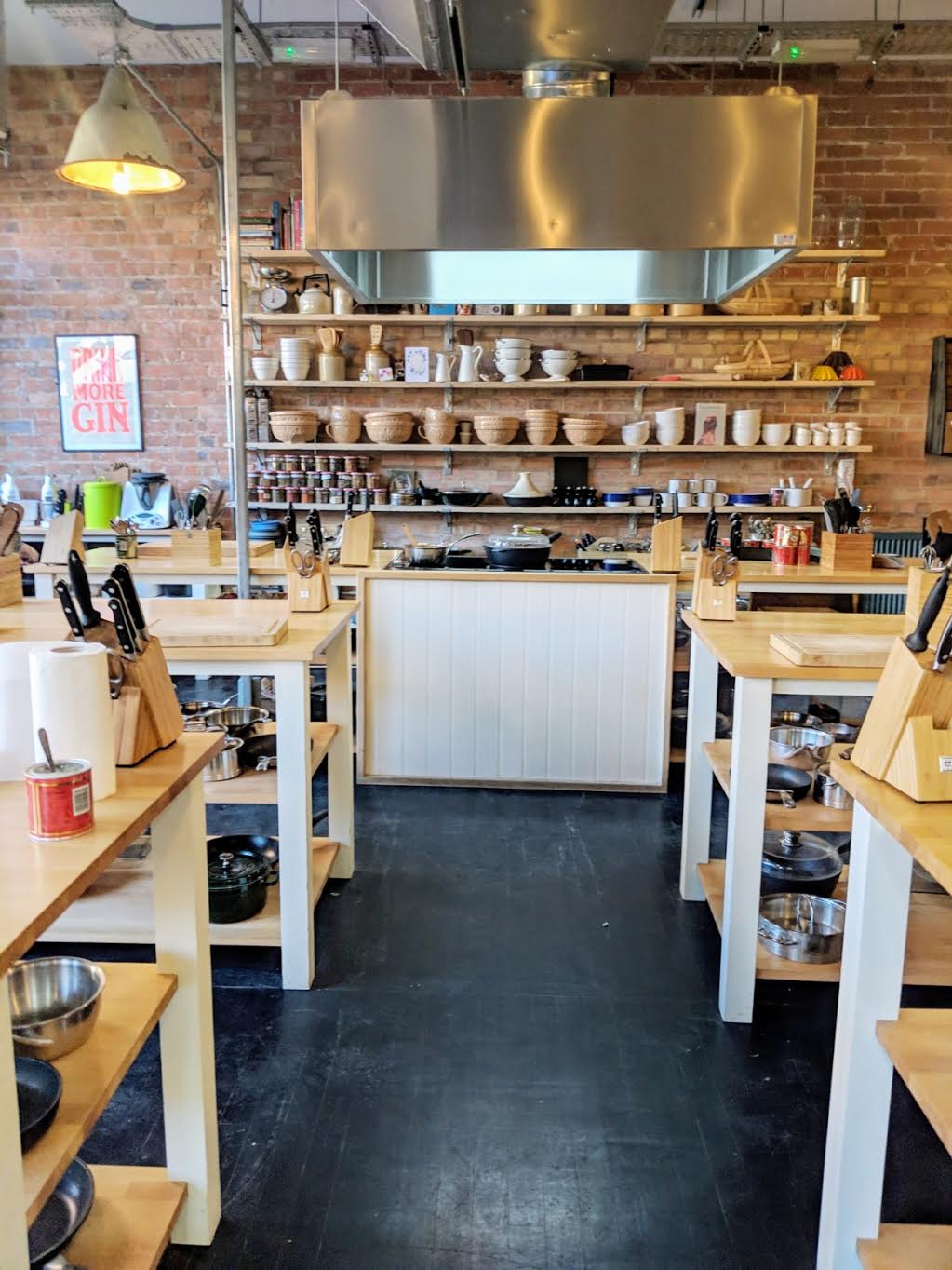
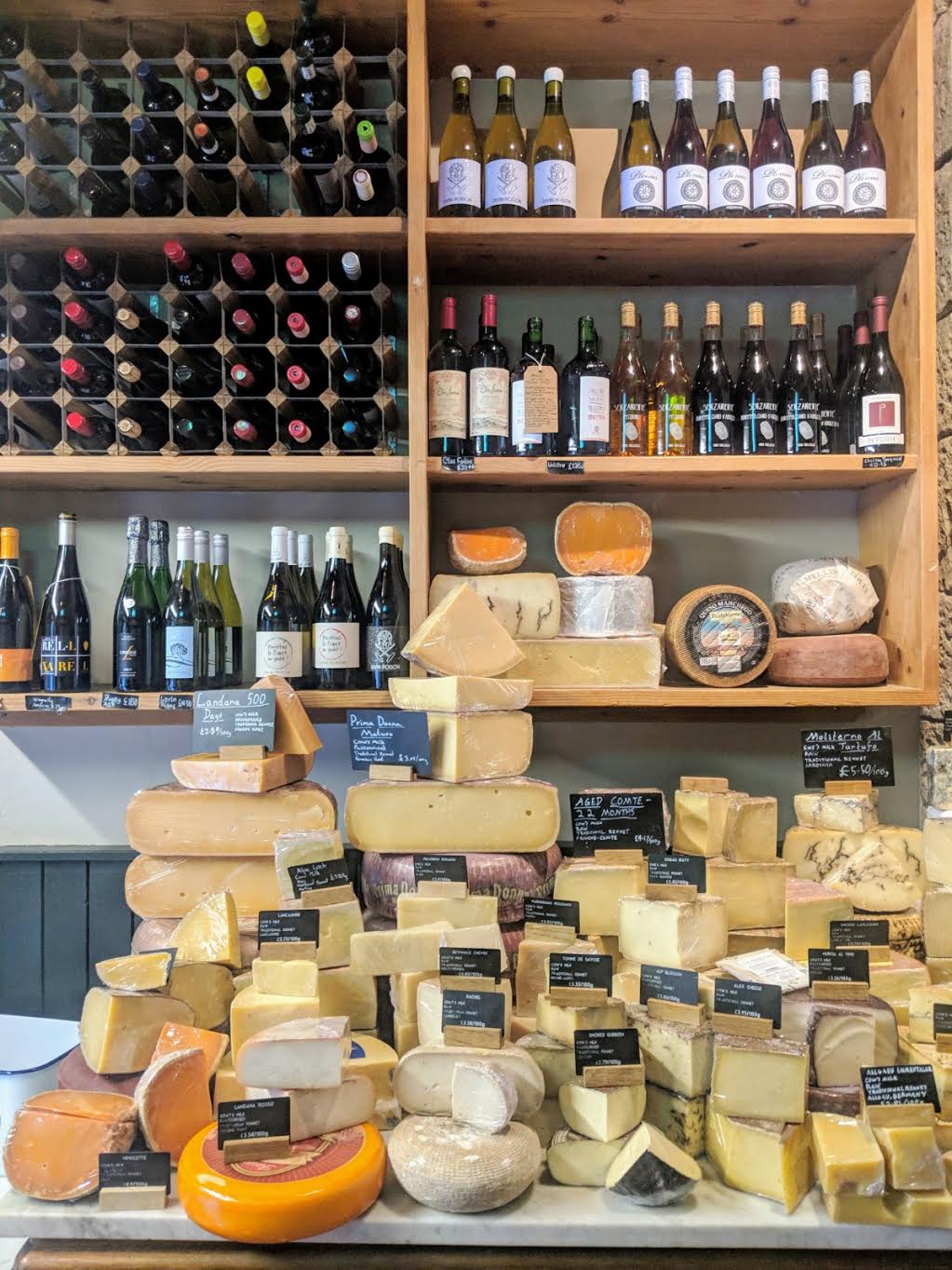
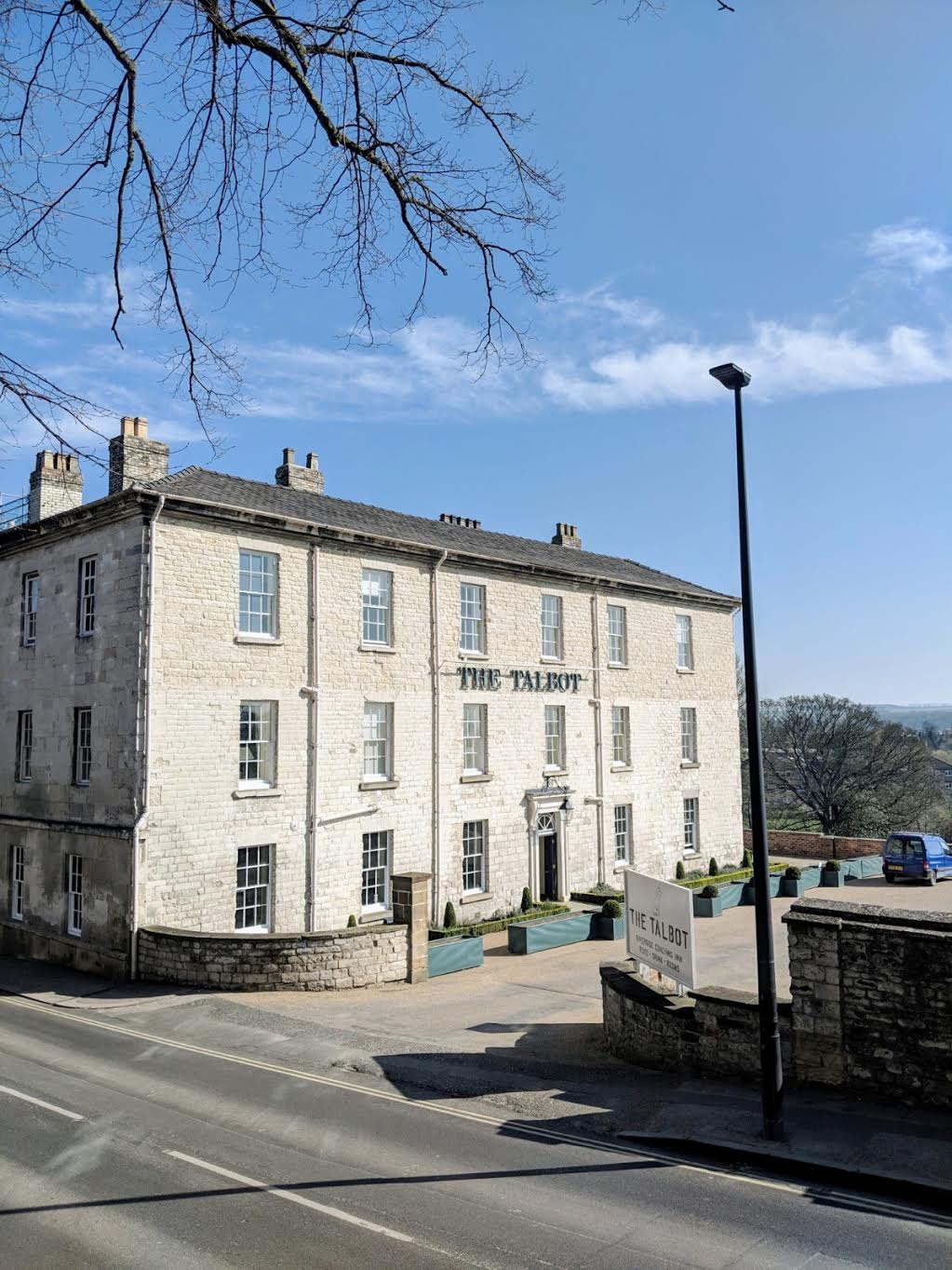
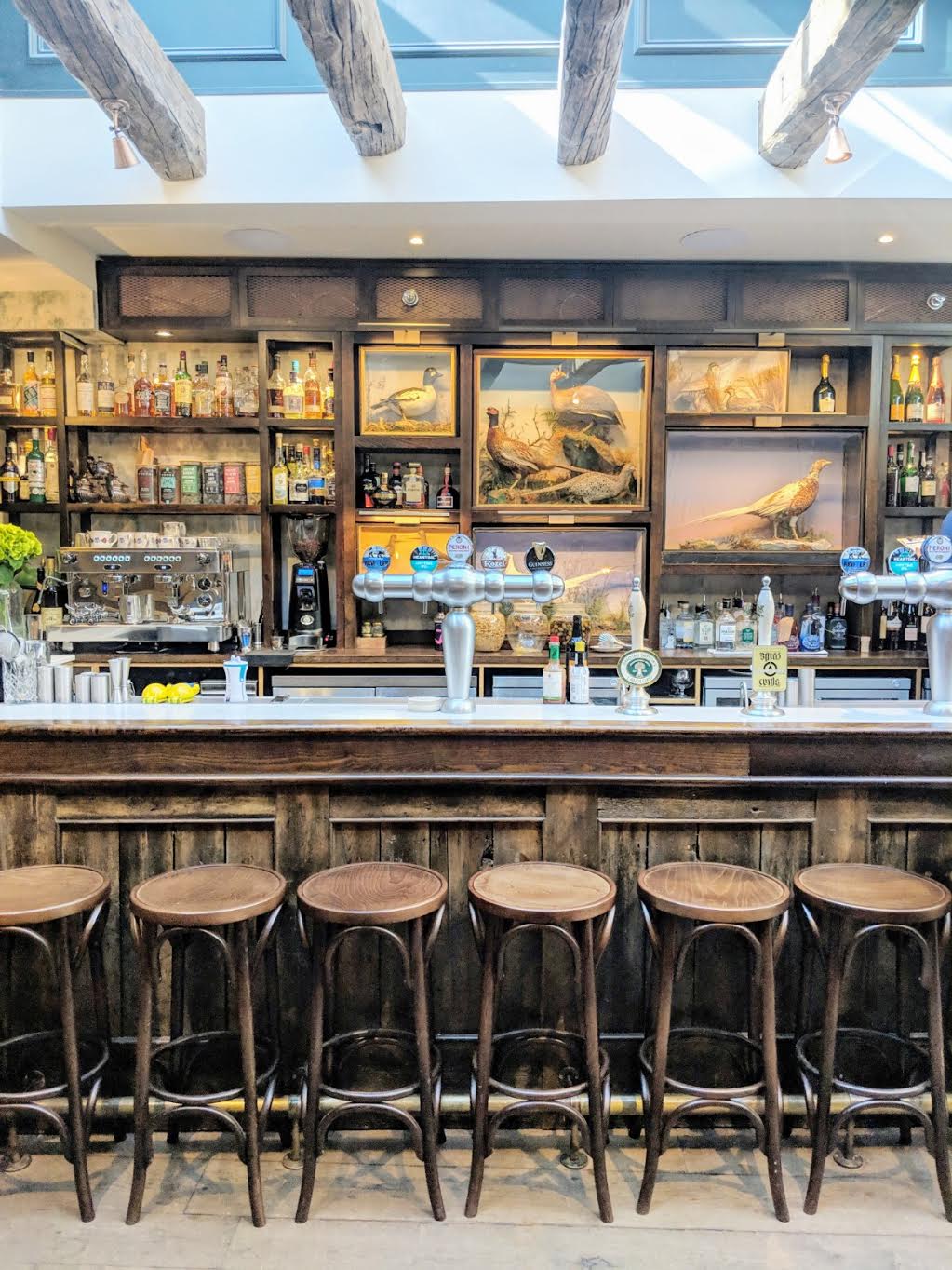
· Malton: The Talbot (Locally sourced, Yorkshire ingredients in the most beautifully designed hotel. Expect fresh fish, local game and unique cocktails).
Can't Beat Burgundy
I have been a fan of Rosenthal’s classic and traditional portfolio for years. So, I especially jump at the chance to taste their exquisite selection of Burgundy, like most wine lovers surely would. After 40 years of importing experience, Rosenthal focuses on well-made wine by PEOPLE.
Neil Rosen led this tasting at Hudson Wine Merchants and brought up some interesting points along the way. First, he mentioned how A/C is the best thing to happen to wine, since it allows us to enjoy the most fragile and interesting ones, especially from Burgundy.
Second, he describes why so few wineries in Burgundy are Certified Organic. Basically, it has to do with the extremely low yields within Burgundy’s small vineyard sites. This makes sticking to strict rules of certification very difficult since winemakers want the biggest output possible. This will likely not change down the road, since the wines are increasingly rare to begin with.
Neil also mentioned the role of négociants today. With all of the overhead costs, big négociant brands have really been hurting. For this reason, small wineries are able to compete and they’re not as looked-over as they used to be. This is increasingly true for importers and consumers alike. Below are some of the wines Neil shared with us last weekend, of which I completely savored before stocking up my cellar. Hey, there’s not much of this good stuff!
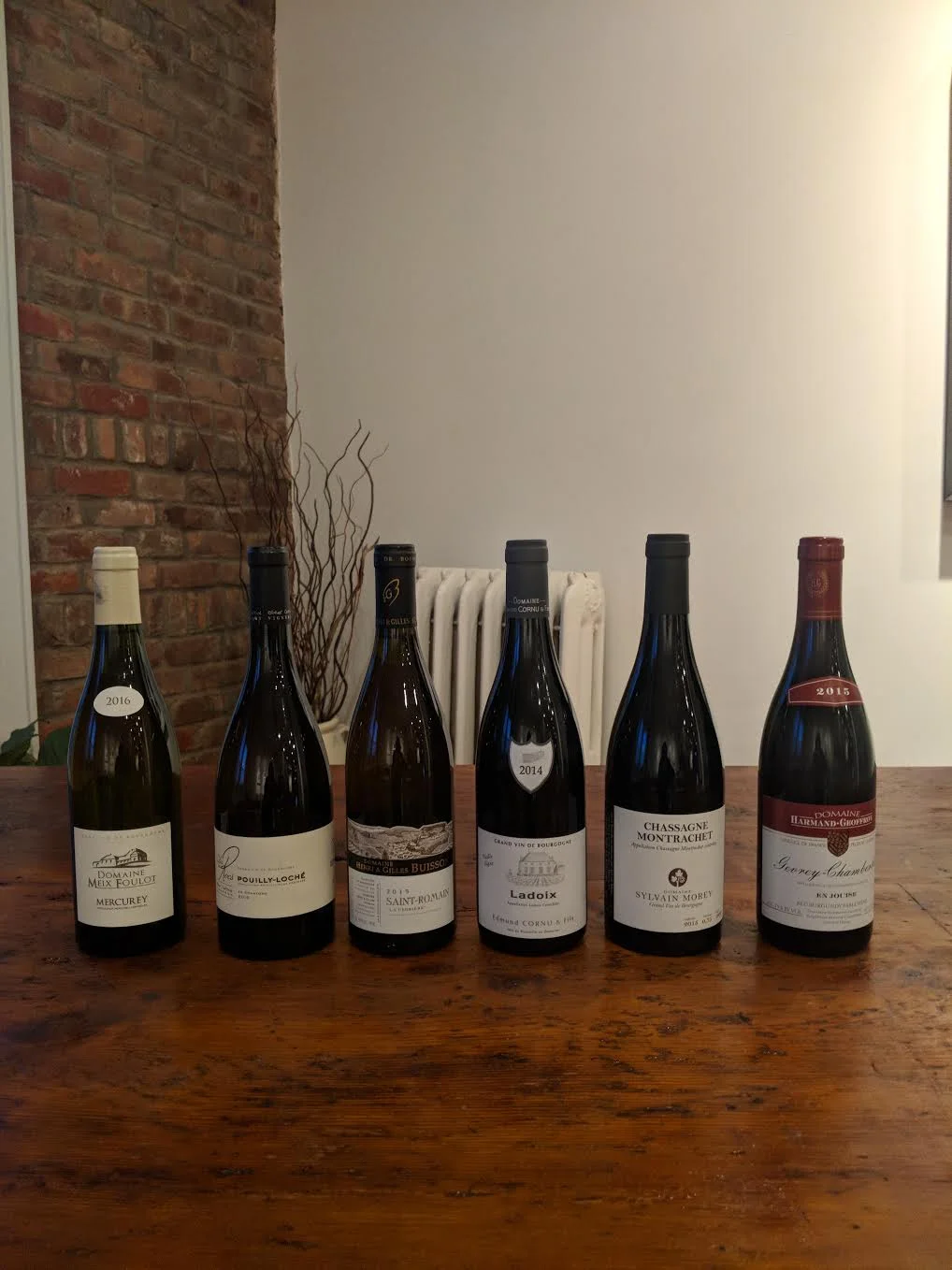
2016 Domaine du Meix Foulot Mercurey Blanc: A blend of village and premier cru fruit from Mercurey, a region known best for red wines of value. The terroir is much like that of the Cotes du Nuits, resulting in austere reds with high tannin. This Chardonnay has notes of bruised green apple, peaches, and a hint of marshmallow, perhaps from the malolactic fermentation.
2016 Domaine du Clos des Rocs Pouilly-Loche “En Chantone”: From the other side of the hill from Pouilly Fuisse in the Macconais, this estate owns 1/3 of the 38 hecatre Pouilly-Loche appellation. The sun is exposed to Pouilly-Fuisse, so grapes planted in Pouilly-Loche are much less ripe and result in elegant though slightly restrained styles. The family is known for long elevage and using large barrels only. This delicate and controlled wine has notes of lemon juice, cheese curds, white chocolate and crushed rocks.
2015 Domaine Henri & Gilles Buisson Saint Romain Blanc “La Perriere”:From the Cotes de Beaune, on a hillside near St. Aubin, this wine is extremely high in acid. With rocky soil that’s rich in amplitude and heightened elevation on the hill may contribute to the impressive, almost shocking acidity. My notes included: buttered toast, lemon tart, chive, and moss.
2014 Domaine Edmond Cornu Ladoix VV: One of the first estates to enter Rosenthal’s portfolio, the estate comprises of 15 hectares of mainly Pinot Noir, throughout the Cotes du Beaune. Just north of Aloxe-Corton, this fruit-forward wine has cranberries, blueberries, tobacco, roses, lavender, and hints of earth across the palate.
2014 Domaine Georges Lignier Morey St. Denis: Perhaps one of the lightest wines from Morey St. Denis I’ve tasted, Neil described this estate as having a focus on purity. They’re known for early picking and de-stemming, resulting in a very light color and body, but known to gain weight with age. This is a fascinating contrast to the more intense and structured styles from Hubert Lignier, a cousin of Georges. This wine is quite mineral, with mushrooms and gravel on the nose, along with slightly stinky marijuana and fresh herbs.
2015 Domaine Sylvain Morey Chassagne Montrachet Rouge: Some might wonder why any red is produced here in Chassagne Montrachet, when the whites are so highly sought after and praised. In fact, many estates have ripped up their Pinot vines and replanted with Chardonnay over the past decade. Domain Sylvain proves that these grapes can produce wines with intensely perfumed aromas, high tannin and age-worthy power. I thought this wine mimicked some of my favorites from Vosne-Romanee!
2015 Domaine Harmand-Geoffroy Gevrey-Chambertin “En Jouise”: From a 9 hectare estate situated exclusively within Gevrey-Chambertin, Harmand-Geoffroy is focused on traditional winemaking. This extraordinarily complex wine comes from vines between 60 and 80 years in age, right next to Grand Cru site Mazis-Chambertin, of which the estate also produces. The show-stopping “En Jouise” gave me notes of clove, cinnamon, root beer, pine, rhubarb and lavender.
Hesperian Presents: The Ultimate Napa Valley Giveaway
Anyone who’s been to Napa Valley can undoubtedly recount the region’s magnificent landscape, remarkable cuisine, and unparalleled wines. I can still remember driving through Rutherford and Oakville, with renowned estates I’d only read about on either side of me. Winding roads revealed forests full of redwoods and pine trees, with nothing but rolling hills of vineyards on the horizon.

If you have yet to explore this stunning and world-renowned wine region, now is your chance, because I’m giving away a luxurious trip! This unforgettable Napa Valley experience includes travel vouchers from Alaska Airlines, luxury lodging at River Terrace Inn, an exotic Ferrari driving experience, hot air ballooning, Bentley limo ground transports, a Napa chef cooking experience and an exclusive dinner with French winemaker Philippe Langner.
Philippe Langner is the owner and winemaker at Napa’s Hesperian Winery. He is a master viticulturist and applies a lifetime of knowledge to the curation of his eminent wines. His world travels and varied experience from Bordeaux to South Africa has clearly contributed to his profound aptitude. Philippe’s passion and meticulous nature was enhanced at UC Davis, where he completed double Masters degrees in Agronomy and Agricultural Economics. Philippe explains he “learned the importance of small but critical enhancements in the vineyard.” Today, his brilliance and precision are widely recognized as he consults on some of Napa’s most esteemed wineries. Philippe believes that working hard in the vineyard is the best method for achieving optimal fruit. If you follow his advice, the winemaking should be simple, and in-turn the wines will speak to their place, exhibiting ideal, terroir-driven characteristics.

Hesperian Winery is located within the notorious Atlas Peak AVA, where Philippe’s steep and rocky Kitoko Vineyard is situated. Philippe planted Cabernet Sauvignon here back in 2000 and 2003, and today these vines are entering their prime. Due to the rocky soil and steep situation, the vines are quite low yielding. This results in an elevated level of complexity in the finished wine. Notes of huckleberry, leather, blackberry, peppercorn and tarragon came across my palate in the 2015 Cabernet Sauvignon, the estate’s staple wine. All of Hesperian’s wines are bottled unfined and unfiltered, and new oak is incorporated cautiously. Upon tasting, it was clear that the Cabernet Sauvignon was built to age, however it was easy to relish now. The wine paired beautifully with a grilled leg of lamb and portobello mushrooms. I incorporated pungent, piney herbs like rosemary and thyme in the dish, which brought out the wine’s herbal characteristics and earth-driven features. Hesperian Winery strives for finesse and purity in their wine but modestly believe that each year is an opportunity to improve.
Experience Napa Valley’s exquisite food and wine with this seasoned professional before witnessing the tapestry of vineyards from above, in a hot air balloon. To enter the giveaway, simply head over to www.hesperianwines.com/contest and add your information to their mailing list. The giveaway closes at midnight 12/20 and the winner will be announced on 12/21. Must be 21 or over to enter and located in the United States. Happy holidays and best of luck!
Pieces of Piedmont
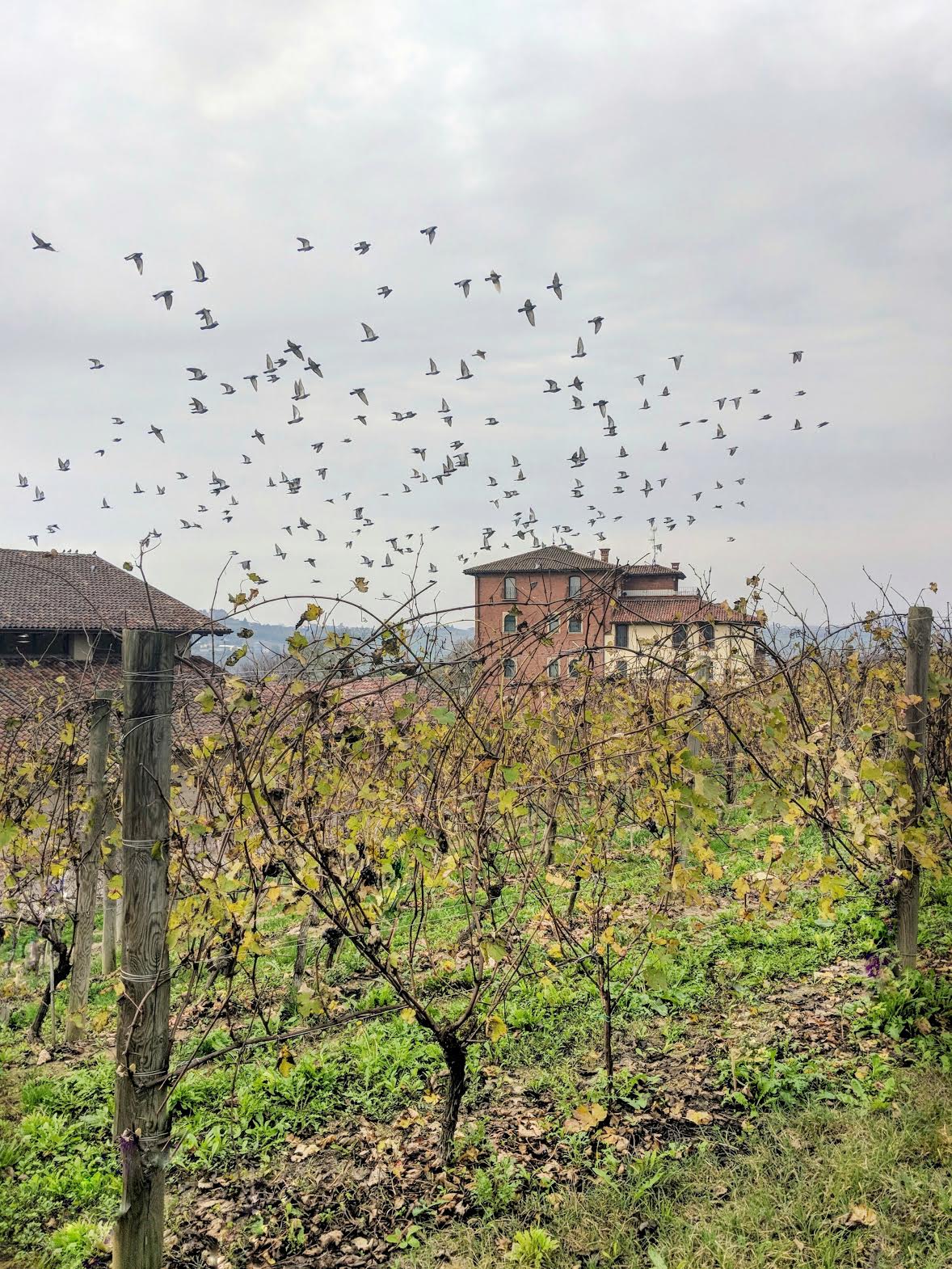
From the rolling hills and morning fog to the unique cuisine, beautiful architecture and incomparable wine, my trip to Piedmont was nothing short of spectacular. You won’t find pizza in Piedmont, in fact the diverse cuisine is heavily influenced by neighboring France, with meat and cheese at the focus. Another similarity to France was the local dialect, a language still spoken that’s genetically closer to French. Piedmont is known for the production of Nutella, Arborio rice, Fiat cars, the Borsalino hat, and of course, as one of the most famous wine regions of the world.
Similar to many of the greatest wine-producing regions, much of Piedmont’s vineyards were once under the sea. Many of the wineries I visited even displayed some artifacts found in their vineyards, such as seashells and crustaceans. Today, the geologically diverse soil is comprised mainly of alluvial, clay, sand and marl. The hillsides can be quite steep throughout Piedmont, making it necessary to work many of the vineyards by hand. The top three wine producing areas of Piedmont are Monferrato, Roero, and Langhe. Fortunately, I was able to visit all of them, in that order.
Monferatto
Where I stayed: Tenuta Montemagno Relais & Wines
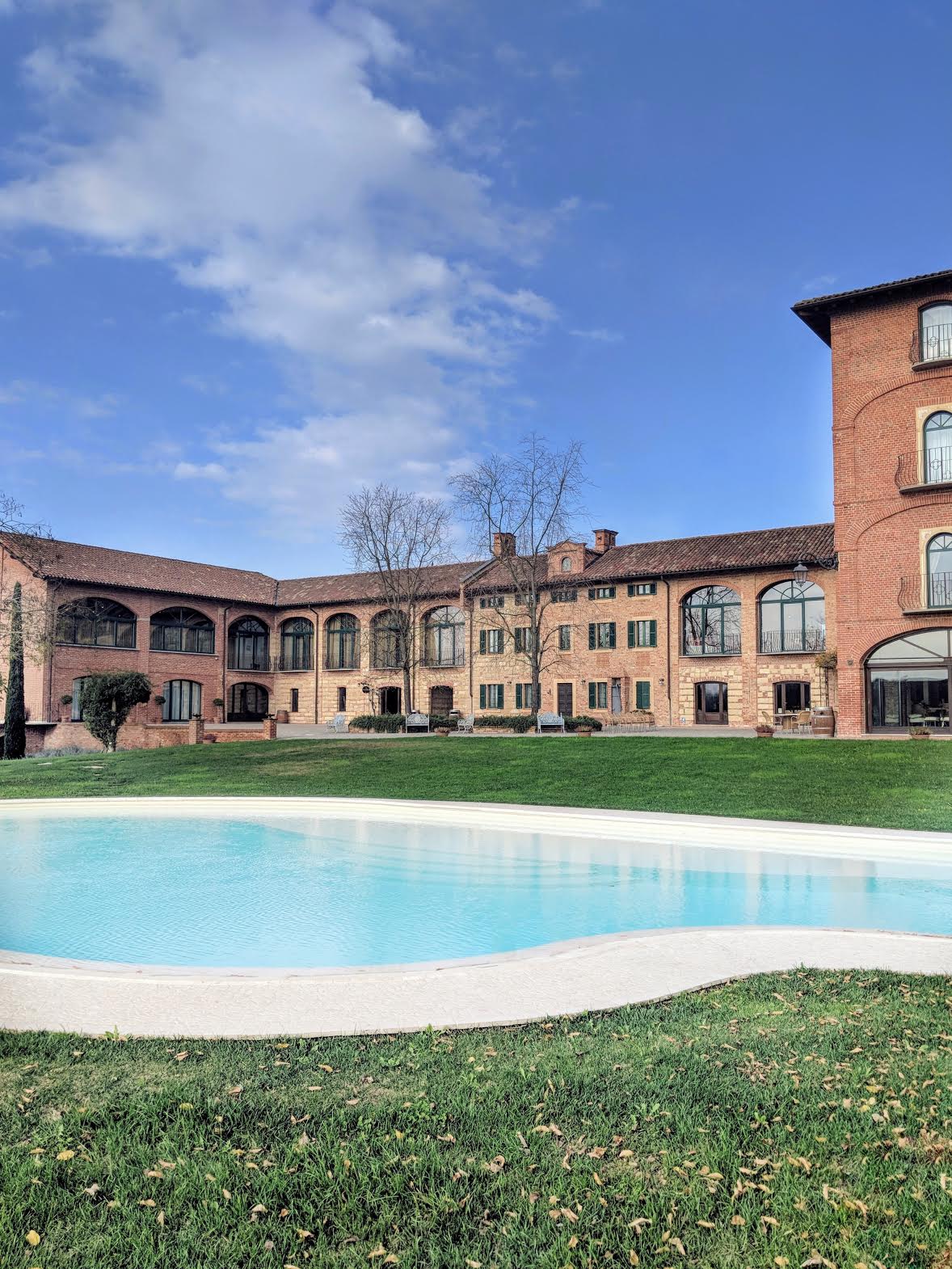
This stunning and secluded hilltop resort also has winery at the property from the same name. Surrounded by vineyards and an infinity pool, I highly recommend this relaxing estate when in Piedmont. I met with Director Marco Fasoli, who manages the winery and hospitality program. Marco gained most of his experience as the Director of Business for world-renowned estate Marchesi Antinori. In addition, Marco works with the restaurant on creating innovative cuisine, as he’s also an instructor at the ICIF (Italian Culinary Institute for Foreigners).
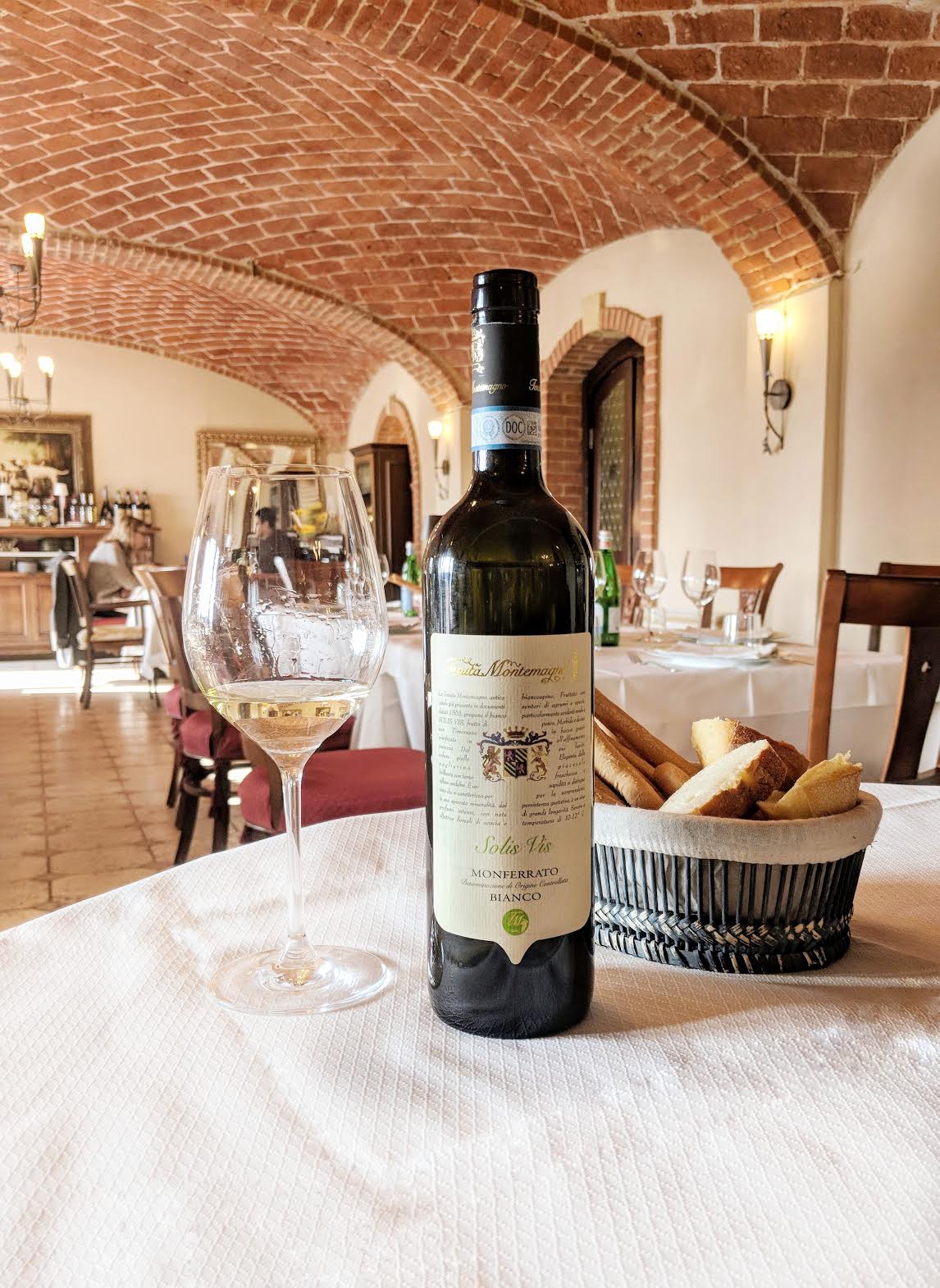
The Montemagno Winery is certified organic and produces approximately 180,000 bottles per year. They have been exporting to the USA and Europe for approximately 5 years. Marco led the tasting with several whites, reds, and sparkling wines. Among my favorites was the 2016 Solis Vis, a high acid white wine from the Timorasso grape. Marco explained that Timorasso is harvested after the red wines, and requires extreme ripeness on the vine. It also performs best when planted on clay soil, which offers more of a full structure than the red clay, planted to Barbera and Grignolino. The mineral-driven Solis Vis had notes of ripe melon and seashells.
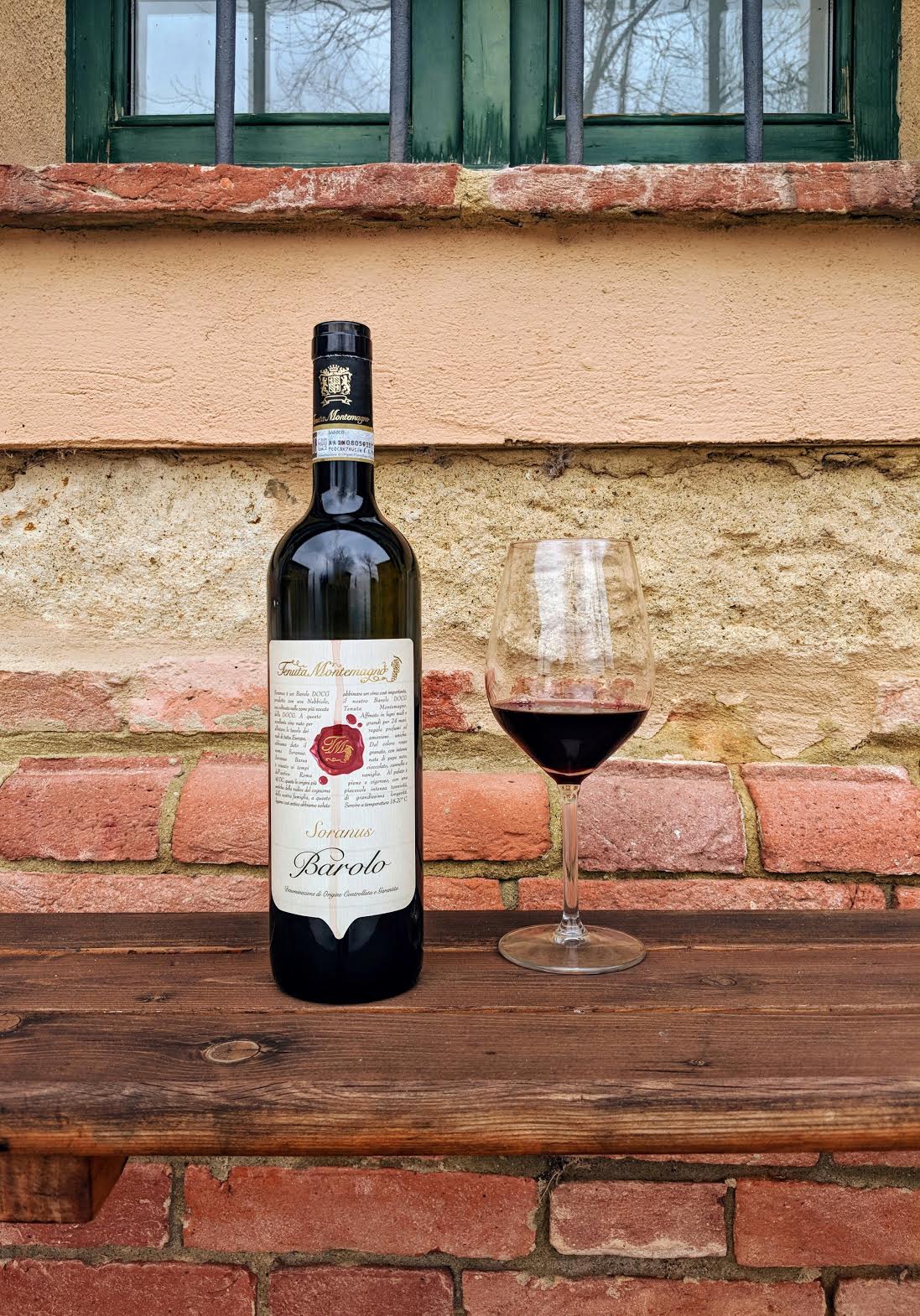
Perhaps the most interesting tasted were the two sparkling wines from Barbera. Both produced in the traditional method and hand-riddled still today, their names “24” and “36” signify the time they spent on the lees. The “36” was especially aromatic with orange peel, mint and red berries on the nose. Among the still wines from Barbera, the 2015 Barbera Mysterium was full of black fruit, menthol, and incense. This full-bodied wine comes from their oldest vines, which are approximately 90 years old. Marco enlightened me with his views on Barbera, explaining that it’s “kind of an ignorant grape, and actually requires good winemaking, unlike other varietals. It definitely needs oak for structure.” The winery also produces a fantastic Barolo from La Morra in the Langhe. Legally, the wine must be fermented and produced there, to be labelled as Barolo. The aging process can be completed at the estate, however.
Montemagno focuses on lowering sulfites in any way possible. This is achieved using traditional methods and innovative technology. For example, the red wines are neither punched down nor pumped over. Instead, Montemagno is utilizing Nectar technology, which involves a delicate second fermentation by temperature control. The white wines undergo a soft pressing and carbonic maceration with dry ice, to preserve delicate aromas.
Roero
Where I stayed: Villa Tiboldi
Owned by Malvira winery, and ran by the winemaker’s wives, this beautifully designed hotel dates back to 1750. Owner and winemaker Roberto Damonte led me through the stunning hotel, pointing out each of the insanely steep vineyards surrounding the property. Complete with a beautiful restaurant, tasting room and swimming pool, this historic hotel is an absolute must. My pink suite (below) had antique furniture and a newly remodeled bath. It was the perfect balance between old and new.
Roberto led me through Malivra winery and cellar before we started the tasting. His father started the winery in the 1950s and he and his brother took it over in 1973. The estate has been certified organic since 2017. They’re producing around 300,000 bottles annually from just over 100 acres, of which about half is white wine.
Roberto is focused on showcasing how red and white wines from the Roero can age. 70 years ago, Roero reds were meant for drinking quite young. This was also when there were no middle men, and the wine was going straight to the consumer. They realized the importance of producing high quality wines that could be enjoyed over the course of several years, all over the world. He recognized that oak aging is necessary for Barbera, especially for long-term satisfaction. However, the percentage of small, large, old and new barrels varies each year. His goal is to remain consistent in terms of flavor, keeping the consumer unable to recognize much of a difference from vintage to vintage. This can be difficult to achieve with weather fluctuations, as you can probably imagine. For example, the 2018 vintage will have a slightly lower production since there was a bit more rain than last year.
Roberto explains that white wine has a reputation of being drank quite young, but that is not the case for his Arneis today. As we began the tasting, I couldn’t agree more. Malvira is especially known for their Arneis, though relatively new for the region of Roero as a whole. 40 years ago, over 95% of Roero was planted to red grapes and today it’s closer to 50%. The grape is intensely aromatic and complex, which is likely the reason behind its recent popularity. Malvira’s 2014 Roero Arneis Vigna Renesio had me most intrigued, with vibrant citrus aromas, high acidity and impressive minerality. This comes from the most historic vineyard for Arneis, where the first record of the grape was found in 1478. At 3 years old, this wine is perfectly ready to drink, with lively evidence of calcareous soil. The 2015 Roero Arneis Vigna Salietto was partially aged in oak (about 50% of the total wine), but not apparent to me, the wine simply showed more ripe fruits like melon and lime. Among the red wines, the 2016 San Michelle Barbera stood out with vivacious plums and berries, followed by poinsettia and pine. This is my idea of the ultimate holiday wine.
We had dinner at the fabulous Enoteca Regionale del Roero (one Michelin Star), where I tasted Tajarin for the first time. This egg-based pasta is like a rich linguine from heaven. Commonly served with beef ragout, ours came with shaved white truffles.
Langhe
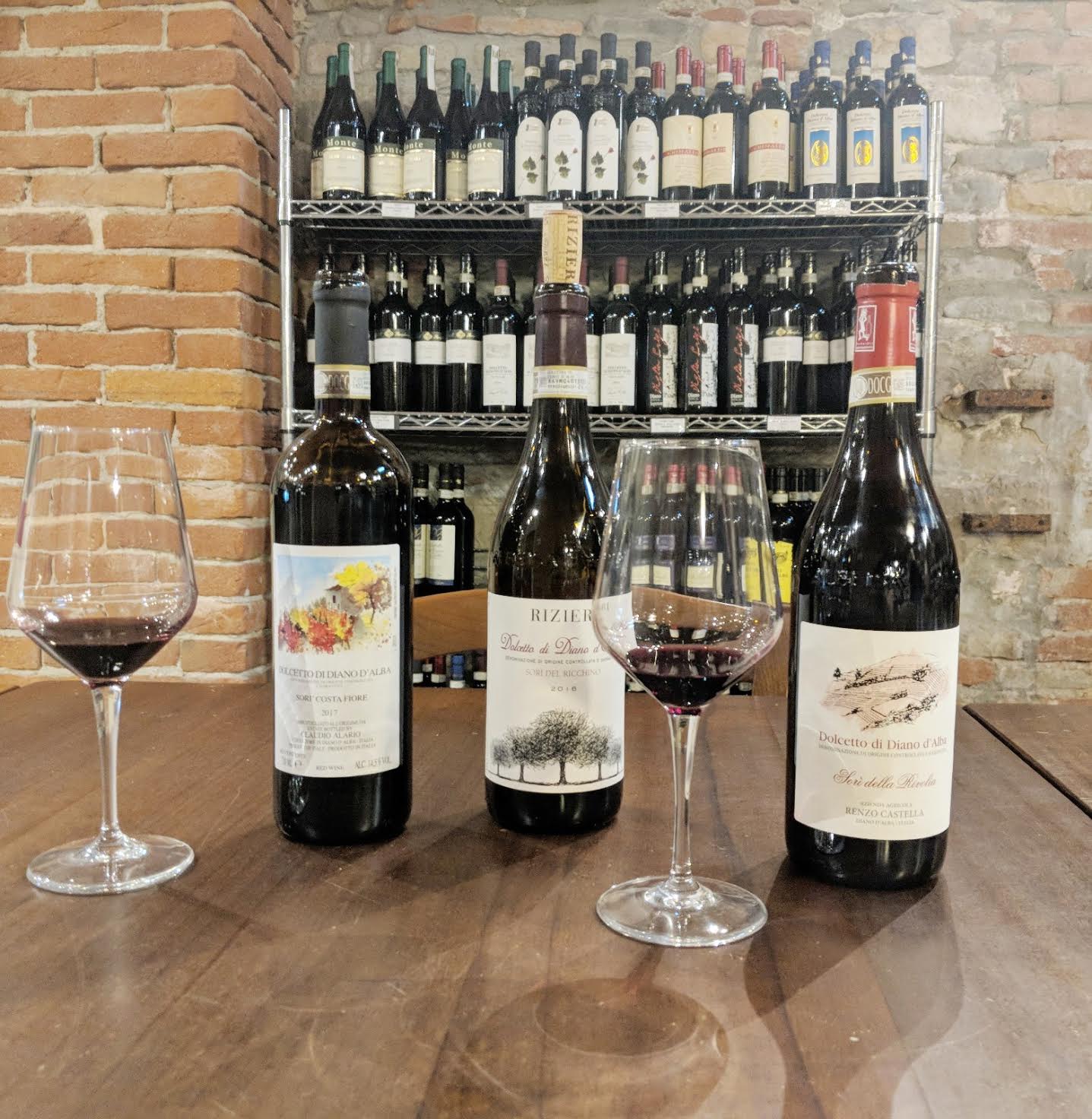
I visited Cantina Comunale “I Sori,” an Association that focuses on Dolcetto from Diano D’Alba. This tasting room is in the heart of Diano d’Alba and had dozens of producers that specialize in not only Dolcetto but Barbera and Nebbiolo as well. Two DOCGs exist for Dolcetto, Diano d’Alba and Dogliani. Many agree that the Dolcetto from Diano is more elegant than Dogliani, which can be quite full bodied and masculine. While often rough in tannin, Dogliani is known to age longer. Diano d’Alba is best enjoyed while only a few years old. Many producers in this area have winemaking habits that last for generations. While the innovation is there, the recipe stays the same. 40 years ago, you could actually make Barolo from Diano d’Alba but back then, Dolcetto was more popular.
Dolcetto is a difficult grape to harvest, especially in bad weather. It’s a small berry with thin skins and it’s quite easy to break if you aren’t careful. We tasted ten wines by “Sori” or vineyard site, which is similar to France’s cru system. The 2017 Claudio Alario’s “Sori Costa Fiore” was one of the most complex, in my opinion, with notes of strawberries, Asian spices and herbs. He also produces a wine from the Pradurent Sori that he ages in new oak, something relatively unique for the varietal. It wasn’t my personal favorite but resembled Barolo a bit for that reason. The 2017 Renzo Castella Sori della Rivolia also opened up beautifully, but it will clearly need another 5 months or so to even itself out as the tannins were quite tight.
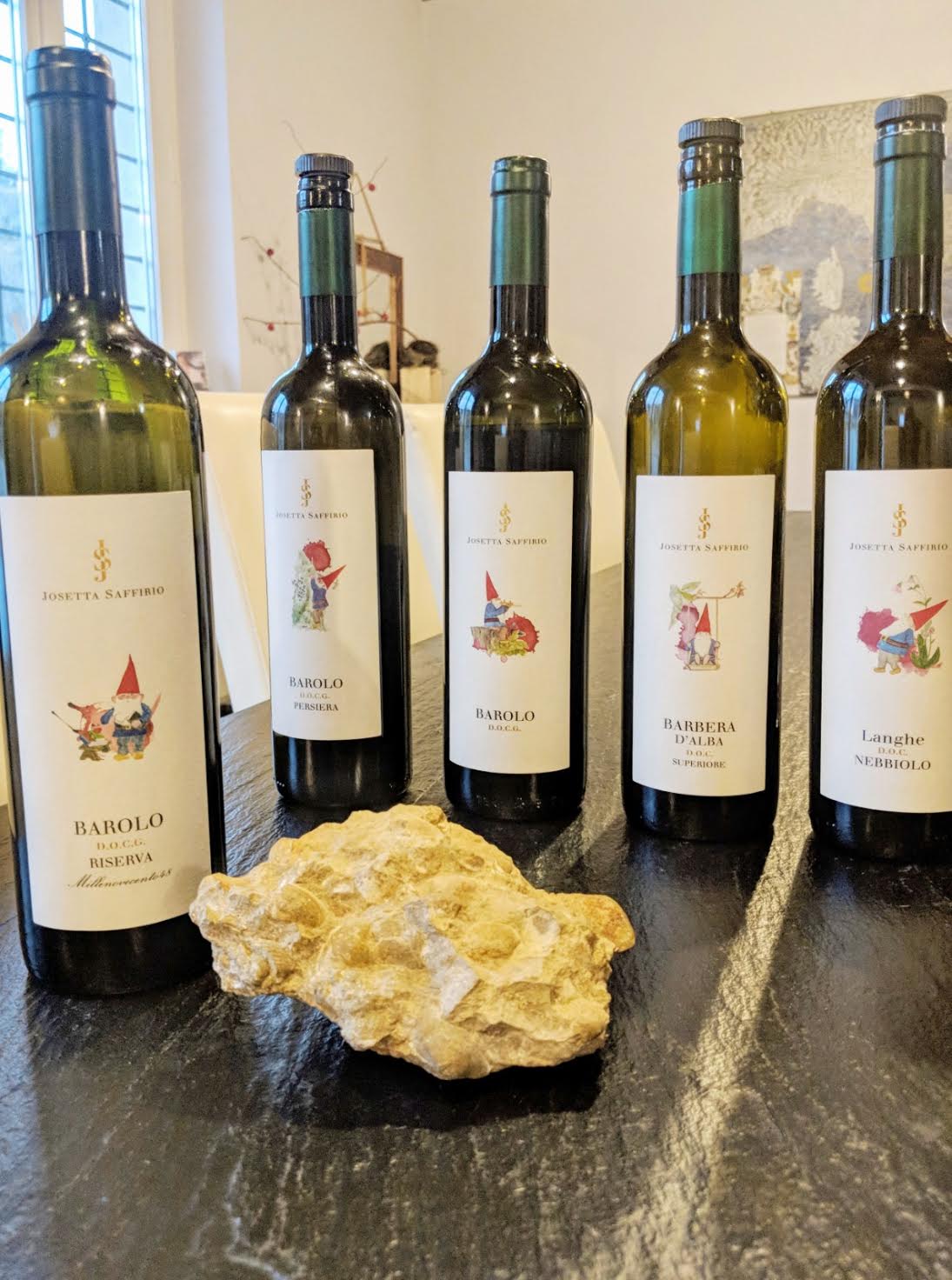
Josetta Saffirio was the next winery visited, and one that I had personal experience selling and pouring over the past 7 years. Located in Monforte d’Alba the family has five generations and over 200 years of experience in viticulture and vinification. The small team of just five people employ ten more through a co-operative during harvest. Their five and a half hectares are farmed organically, and over 70% of their production is Nebbiolo. The winery focuses on sustainability and social responsibility, and even insulated the perimeter with natural cork to reduce heat. They care for the environment throughout the entire wine making process.
The tasting began with a sparkling Nebbiolo rosé, which was the first I’d ever tried. The wine spent 6 hours on the skins to impart a stunning, rose gold color. With just 5 grams of sugar per liter, it is considered Brut. This is Josetta Saffirio’s only sparkling wine and they produce about 5,000 bottles of it per year. They are one of the only estates in Piedmont (and the world) producing a sparkling style of Nebbiolo. The nose was a bit restrained but the palate revealed stunning complexity, especially floral and herbaceous notes. The light body and high acidity kept this wine very refreshing, making it quite easy to enjoy more than one glass.
We moved on to the reds, starting with the Langhe Nebbiolo and ultimately three vintages of Barolo, 2012, 2013 and 2014. We discussed the 2014 vintage which didn’t have the highest reputation at the start. Now, Piedmont’s best winemakers are noticing it’s potential and Barolo from 2014 is being described as multifaceted, with tertiary, complex aromas. I picked up notes of orange blossom, chive, pumpkin and earth-driven granite. While 2014 Barolo may not age like the warm and fruit-forward 2015 vintage, at least we won’t have to wait to drink them!
2013 was a much warmer vintage for the estate, and their Barolo from this year has 15% alcohol, compared to most others at 14.5%. It was rich and had a raisonated fruit quality. The 2013 Barolo Persiera vineyard had notes of licorice and raspberry jam, along with a full body and high tannins. Clearly, this wine is built to age. The 2012 Barolo Riserva was herbal and complex with notes of balsamic, rosemary and white flowers. While perfectly ready now, this wine has a long life ahead.
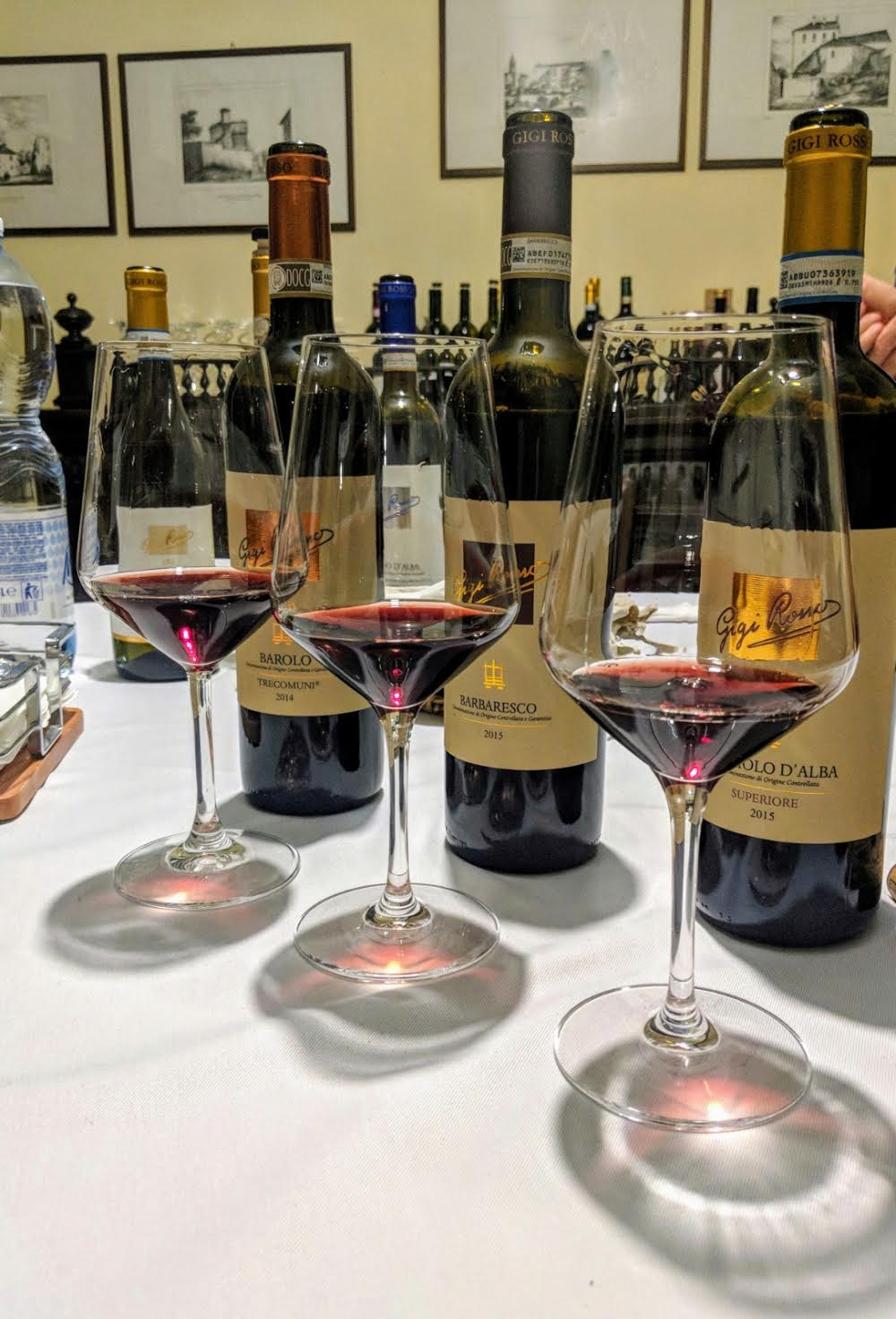
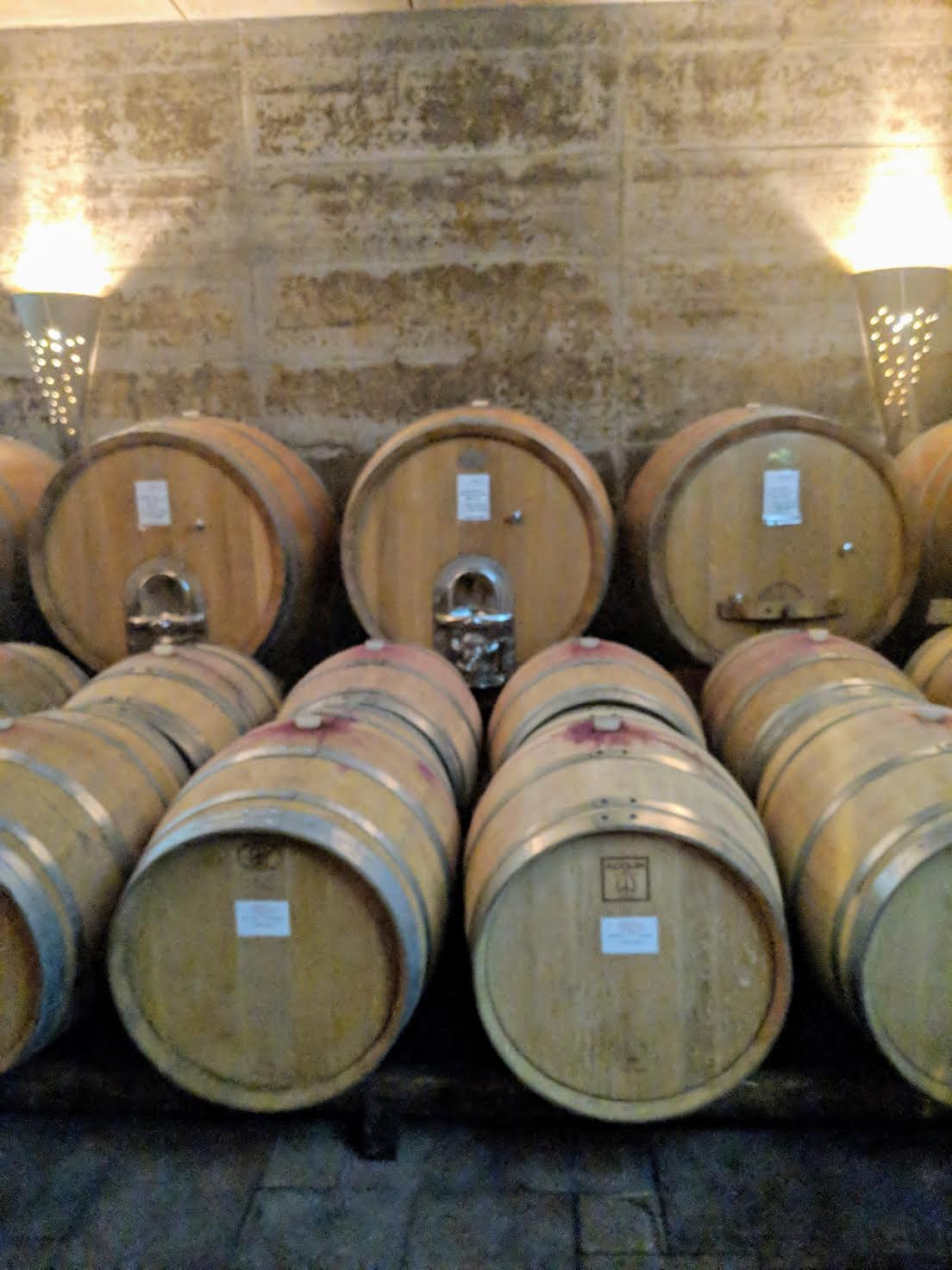
Gigi Rosso was the next winery visited, in Castiglione Falletto, the heart of the Barolo area. Today, the estate is ran by Maurizio Rosso, Gigi’s son. Maurizio has decades of experience in winemaking and he’s also the author of “the Mystique of Barolo,” a personal chronicle of his life-long love affair with Barolo and the Nebbiolo grape. Maurizio led me through the winery with his son Andreas, an integral part of their operation. The family has a rigorous respect for local winemaking, and even have a collection of antique winemaking tools in their cellar! Perhaps the most fascinating part of the cellar, however, were the botti (huge barrels), which were the largest I had ever seen. Andreas explained that they’re eight centimeters thick and currently about 45 years old. With proper scraping, they should last another 20 years. As you might imagine, these old and extremely large botti rarely convey oak characteristics in the wine, which is precisely why Gigi Rosso utilizes them.
Gigi Rosso has a total production of 100,000 bottles and 65% is exported. The estate makes a wide range of wines, and owns vineyards all over Piedmont. For instance, they make 2,500 bottles of Arneis from a newly acquired vineyard in Roero. They estimate a full crop of 4,000 bottles next year. The winery is also making barrique-aged Chardonnay. This Burgundian style is fermented 6 months sur lie and comes from one of the highest vineyards in Diano d’Alba. The high elevation and eastern exposure compliment the chalky soil for production of Chardonnay in this area. Due to climate change, other growers nearby have been replanting with Chardonnay (and even Viognier) vines as well.
Moving on to the red wines, Gigi Rosso’s Diano d’Alba Sori del Moncolombetto (Dolcetto) was very complex, with soft tannins and a nose full of cherries, blossoms and tobacco. Maurizio prefers not to label the wine as Dolcetto, however since some people (mainly Italian) tend to mistake it as “dolce,” meaning sweet. This wine is most definitely not sweet, but rather a zippy and easy-drinking dry style. The 2015 Nebbiolo Superiore spends 18 months in barrel, which is 6 months longer than necessary for including “Superiore” on the label. The light garnet color followed with surprisingly high tannins and acidity to match. The 2015 Barbaresco was quite approachable with soft tannins. The flavors were elegant, with dried herbs and spices on the nose. The 2014 Barolo is a blend of three of Gigi Rosso’s vineyards. The long finish was astounding and notes of ripe cherry, strawberry, roses and dried basil continued to arise after the several times I returned to it.
Where I stayed: Gigi’s Guest House
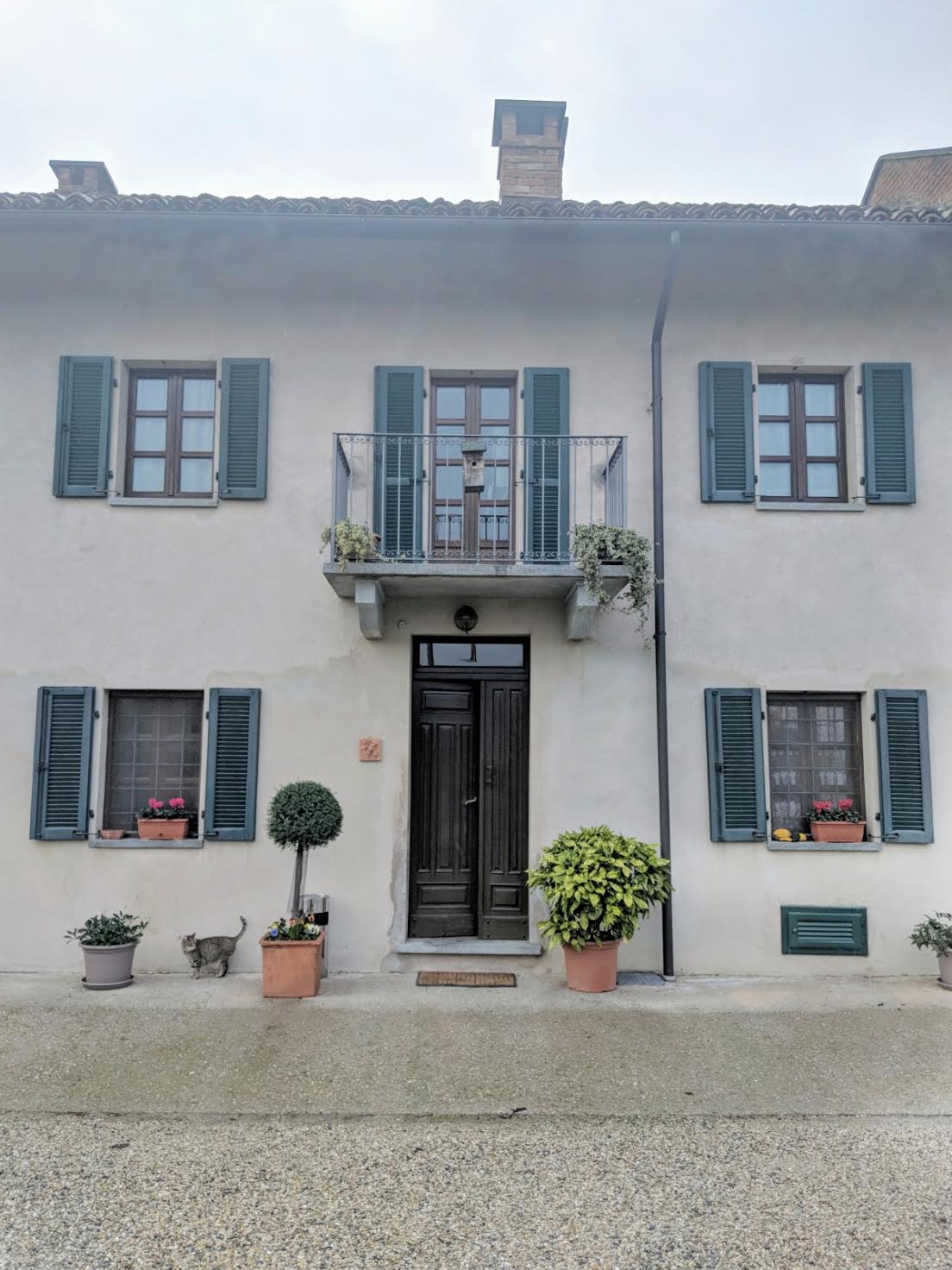
I was fortunate enough to stay at Maurizio’s guest house, just 5 minutes from the winery. The two bed/two bath was much more than enough room for me, and it would be perfect for a family or two couples. Waking up to panorama vineyard views in the heart of the Barolo area was such a treat. I highly recommend booking his beautiful home, if available!
My last day began at Cascina Castlet in Castiglione, operated by the renowned Maria Borio. Maria has inherited 31 hectares of vineyards in Costigliole d’Asti from her family since 1970. She is notorious throughout Italy and truly an outstanding winemaker and businesswoman. She offered an abundance of history while leading me through the winery and tasting.
Over half of the estate’s production is Barbera, followed by Moscato, Chardonnay, Uvalino, Cabernet and Nebbiolo. Cascina Castlet makes a few different styles of Barbera. The first is a rather simple, “Nouveau” style that’s meant to enjoy each year before Christmas. There’s still a bit of CO2 and residual sugar in this wine. The label is an image of Maria and her cousins riding a Vespa from the 1940s. The Vespa was an icon at the time, as it was the first affordable mode of transportation. It symbolizes a sense of freedom or rebirth. At that time, Barbera was rather low in terms of quality, but Maria’s family began to believe in the grape. They realized that Barbera could age for decades and that the possibilities were endless. Similar to the Vespa, this simple wine is affordable and showcases the history of this region.
The second Barbera is meant to enjoy before Easter. When producing this style, the winery doesn’t use heat in the cellars, rather they wait for the Spring temperatures to do the work. There is no residual sugar left in this wine and it’s aged in cement tanks before being transferred to stainless steel. Lastly, the third style of Barbera is called “Litina,” and is the best production from the prior (second style) that the winemaking team puts into oak for six months to one year. This is easy to sell and enjoy for years and historically provided the family with a constant cash flow. It is low in tannin with a round body, and Maria explained that the fruit is still this intense after 10 years, which is when the tertiary aromas start to reveal themselves. Since this region of Monferatto doesn’t have Barolo or Barberesco, Barbera is their prize. For this reason, “Litina” has the flagship logo of the company on the label. This wine had notes of morello cherry, ripe plums, oregano and mushroom. Litina is the nickname of Margherita, Maria’s aunt who passed on some Barbera vineyards to her.
We proceeded to taste some very unique wines, such as the “Passum,” a Barbera produced in an appasimento style. This tasted like Amarone but more fresh and easier to drink. Today, the grapes raisonate on racks for one month, in a controlled air ventilation room immediately after harvest. Then, 20% of grape must is added before aging in a mix of botti and tonneaux. Next was the “Policalpo,” a field blend of Cabernet Sauvignon and Barbera vinified together before aging one year in barrique. This full-bodied style is meant for exporting and sort of their version of a Super Tuscan.
Finally, we tasted the notorious “Uceline,” produced from the almost-extinct varietal Uvalino. After finding a few of these unknown vines dispersed across their vineyards, Cascina Castlet proceeded to do some intense research and DNA studies. Many believed that this forgotten grape was extinct, and Cascina Castlet has the only two hectares in the world! They are currently making 5,000 bottles of this wine per year, and the yields are similar to those at Chateau d’Yquem. “Uceline” is always made in a sweet style because it’s resistant to mold. The name, “Uceline” translates to “birds,” because they keep some clusters on the vines as long as possible to attract the birds. These crucial birds eat unwanted insects before harvest and feed off the sugar in the Uvalino grapes. They produce the wine by letting the grapes dry, in an appasimento style. Since it can age indefinitely, they release it whenever they like. It tasted like a great Amarone, with a lighter body and more acidity. Cascina Castlet also makes a few phenomenal white wines such as Chardonnay and Moscato d’Asti, which I highly recommend tasting.
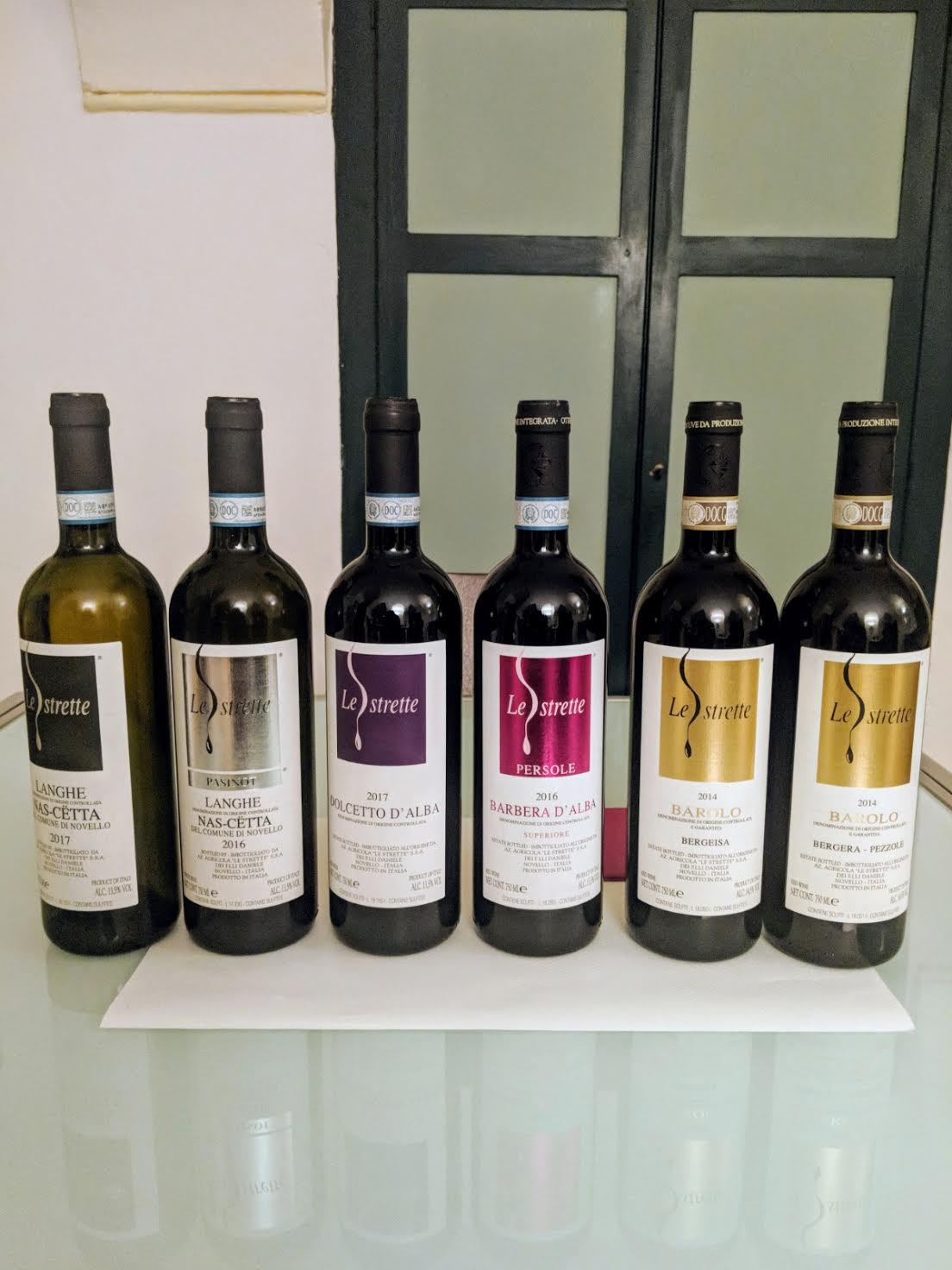
La Strette winery is situated in Novello, one of Barolo’s 11 villages, among Piedmont’s most renowned producers. There are only ten wineries in Novello and the name “La Strette” translates to “narrow road,” which you’d likely notice on your way to the winery, especially back when it was given the name. The estate is 25 years old but the family has a long history of vineyard management. Brothers Mauro and Savio Daniele inherited the winery and vineyards from their parents and specialize in the production of Nebbiolo, Barbera, Dolcetto and Nas-cetta.
In case you weren’t familiar with that last varietal, Nas-cetta is a very rare white grape, indigenous to Novello. In fact, when Le Strette started making it, they were one of just two producers in Piedmont. Today, several estates have followed in their footsteps. It took laborious research and DNA testing for them to figure out what the grape was, however. It was only in 2001 that the grape was registered as a local varietal. In 2003, wineries were able to label their Nas-cetta as Langhe Nebbiolo, DOC. The grape is late to ripen and not too high in acidity, especially for being from Piedmont. The 2017 has distinct minerality and salinity across the palate, along with tropical fruit and exotic flowers. Mauro and Savio own six and a half hectares of this grape and produce approximately 25,000 bottles per year. They also make a single vineyard Nas-cetta from their “Pasinot” vineyard. The vines here are quite new, however after hand-selecting each plant at the University of Turin for their nursery of clones just 3 years ago. 2018 will be the first vintage with these new plants. I tasted the 2017 of both wines, which are skin-contacted, and thus considered orange. I found nectarine, herbs, and tropical flowers on the nose, very complex and aromatic. Savio explained that the grape tends to develop flavors you might find in Sauvignon Blanc, with the tropical aromas turning more citrus over time.
Of the estate’s red wines, Dolcetto ripens first. They only allow one week of skin contact before aging in stainless steel only. La Strette is making about 2,000 bottles each year, as a tradition. Savio described this as “a whole meal type of wine, great with everything from appetizer to entrée.” I considered the 2017 more fruit-driven than others tasted on this trip, with strawberries, black berries and peach candy on the nose. The 2016 Barbera Superiore comes from “Persole,” where 80% of the vines are older than 80 years. At around 400 meters above sea level, the limestone soil gives this wine elevated concentration and structure. It has less tannin than the Dolcetto, but much fuller in weight.
For Barolo, La Strette strives to bottle by single vineyard. They have three in total, and while they vinify separately, some vintages result in the estate blending one or two together. For example, they may not produce much from one vineyard if hail is an issue there that year. Alternatively, they might be showing similar characteristics, which was the case in 2007. Though it was a great vintage, the flavors didn’t vary much, so they ended up blending all three and producing just one Barolo that year. Thus, La Strette can make between one and four different Barolo wines per year.
Their system for aging Barolo was particularly interesting for me. First, La Strette puts the Nebbiolo into small barrels for one year, of which only 15% is new, to impart color. Then, they move it into the larger botti for 15-20 months to develop elegance. I tasted the 2014 Barolo from Bergeisa and Bergera-Pezzole. The Bergera-Pezzole was very balanced and elegant, with classic notes of pepper and tar balancing the fruit. The Bergeisa was ready sooner, Savio mentioned, as the vineyard is higher in elevation, from a mix of soils that result in higher tannin and more spice. I absolutely picked up on the spice with this wine, getting notes of cinnamon and cardamom.
Sommelier in Amsterdam and The Hague
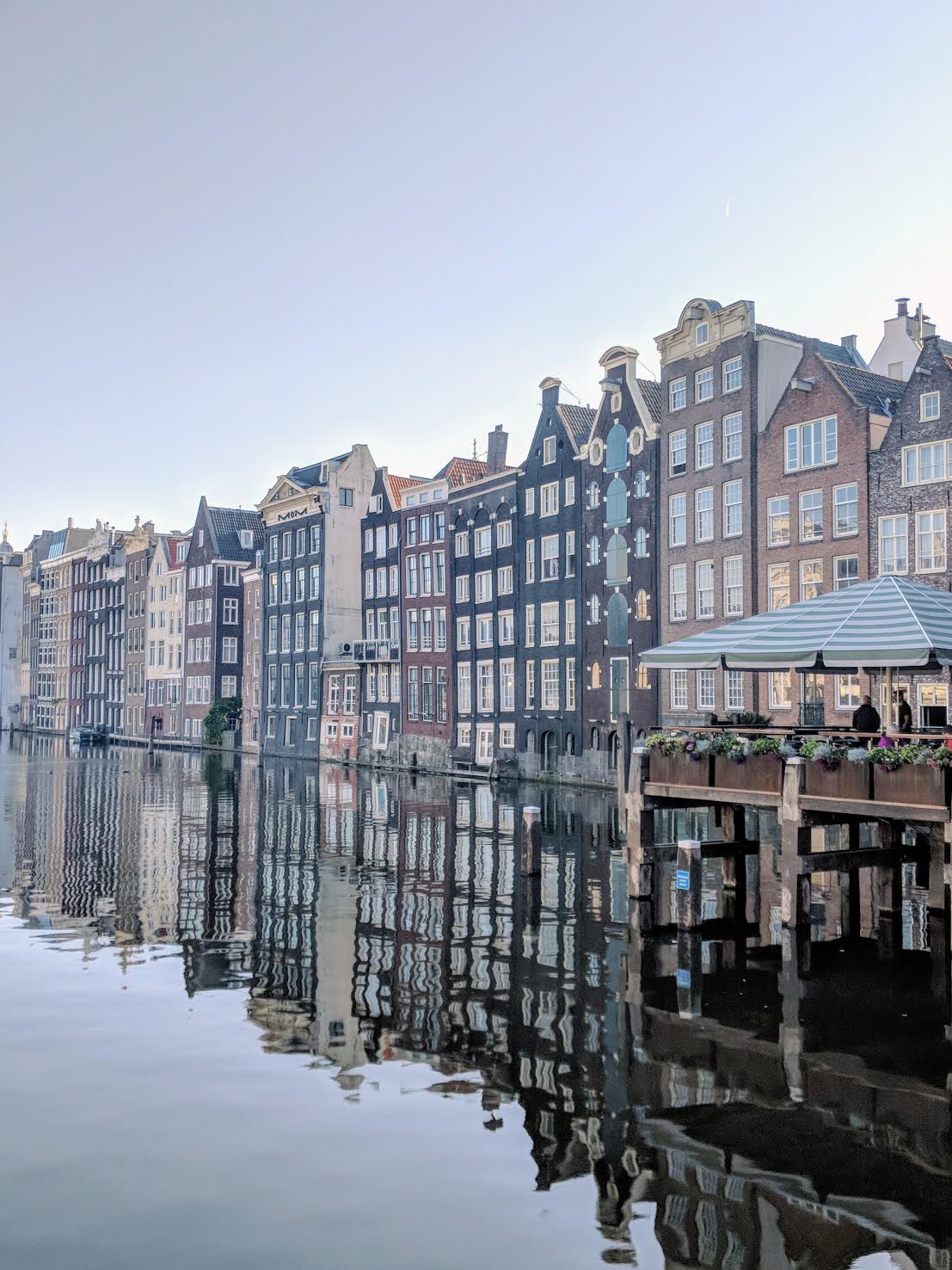
It had been over 10 years since my last trip to Amsterdam, and since 22 year old me had very different interests, I was more than ready to explore this city again. One of my musts was to stay on a houseboat in one of the gorgeous canals. We found one on Instagram (@avanceamsterdam) and I cannot recommend it enough. In case you're wondering, no it wasn't rocky at all. I am very sensitive to movement and I couldn't feel a thing. It was a large sailboat, with two bedrooms so that might be why.
Restaurants and Bars:
Ramen-Ya - Great Ramen Bowls in the Red Light District, sure to cure those munchies. It's large, semi-casual and cheap.
Sampurna - for delicious Indonesian cuisine, something you must try when in Amsterdam. I ordered the sample plate with everything on it and it was the perfect way to experience as much as possible. The location is right in De 9 Straatjes (the 9 streets), which is the oldest, most photogenic part of the city.
Brut de Mer - This adorable oyster bar is located in my favorite area, The Pijp, with shopping and cafes along cobblestone streets. There aren't as many tourists over here.
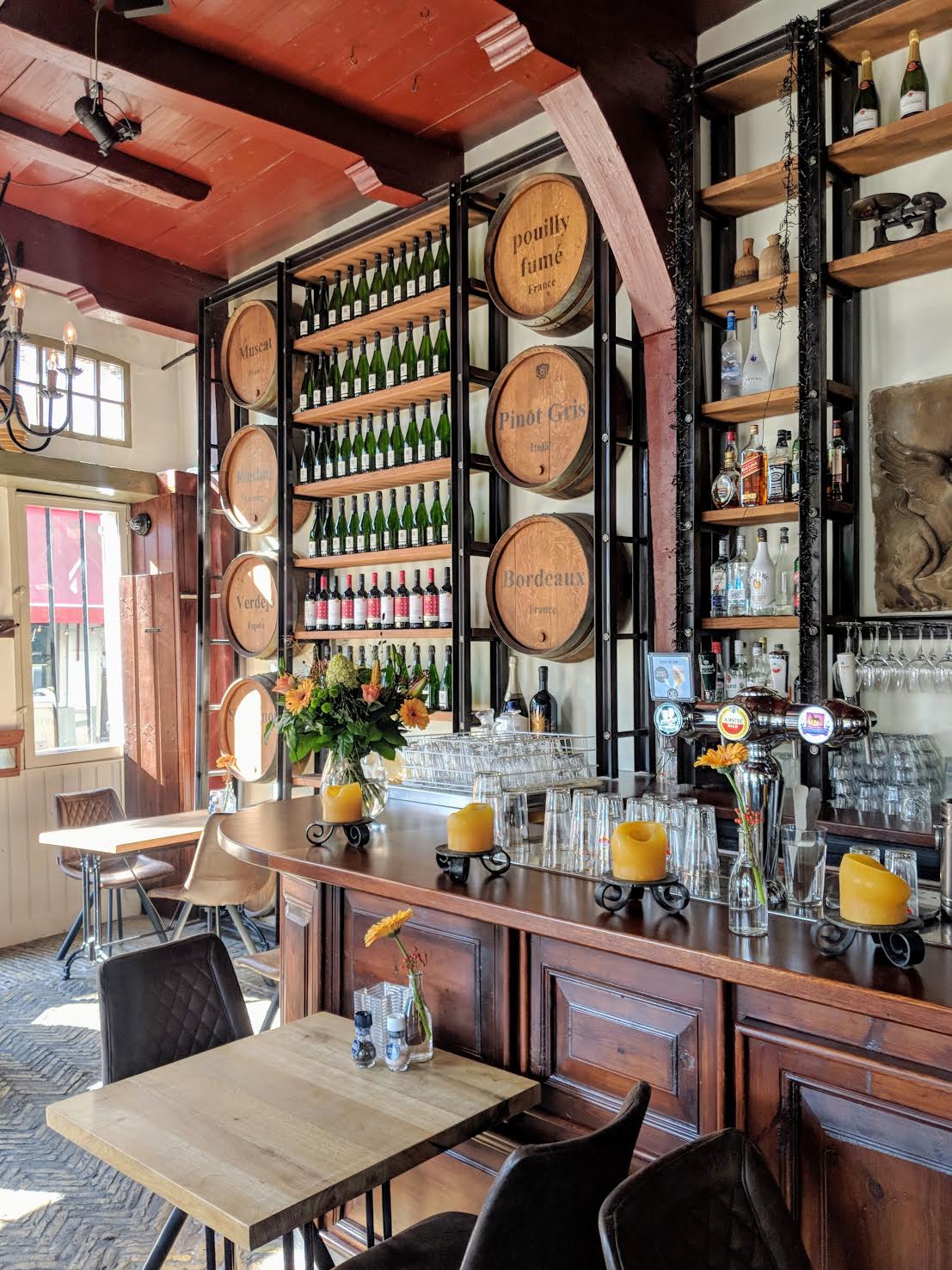
Wijnnar Boelen and Boelen - Also in The Pijp, this winebar is perfect for sitting outside and people-watching over a glass of white Burgundy.
Glouglou - A very cool natural wine bar in The Pijp. Any wine lover will want to stay here all day, the selection is super geeky and the wine posters on the wall are pretty awesome.
Wijnbar Paulus - A small wine bar with a great charcuterie board, closer to the center of the city.
Morgan and Mees - A fantastic, local Mediterranean restaurant inside the beautiful hotel from the same name. Not cheap, totally worth it.
Other:
Side Car Trip - We did another Air BnB "experience" and hopped on the back (and side) of a motorcycle to check out Amsterdam's neighboring villages. I HIGHLY recommend doing this. We went to Monnickendam, known for producing sailboats. The old buildings (back to the 1600s(!) in this town were breathtaking. We also stopped in Volendam, a small fishing village known for catching eel. My husband the picker found a few great antique shops and we left with some beautiful vintage oil painting. There's also an old hotel we stopped and had a drink in called The Spaander. There was a ton of very famous and traditional art in this hotel/restaurant, it was basically like a museum.
Cotton Cake - If you're into shopping, this women's boutique in The Pijp is fantastic. High quality, great prices, I found way more than I could buy.
THE HAGUE
The Hague is a beautiful city just 45 minutes Southwest of Amsterdam. It's known for being the home to the royal family. It's also where you can find Jan Vermeer's famous painting, “Girl With a Pearl Earring.” The cobblestone streets, tiny cafes and unique shops will keep you busy for days. I recommend renting a bike for at least one day, to cover the most ground, and because it's not as intense as biking in Amsterdam. I didn't see/hear one American tourist over the course of 4 days, which was refreshing after Amsterdam.
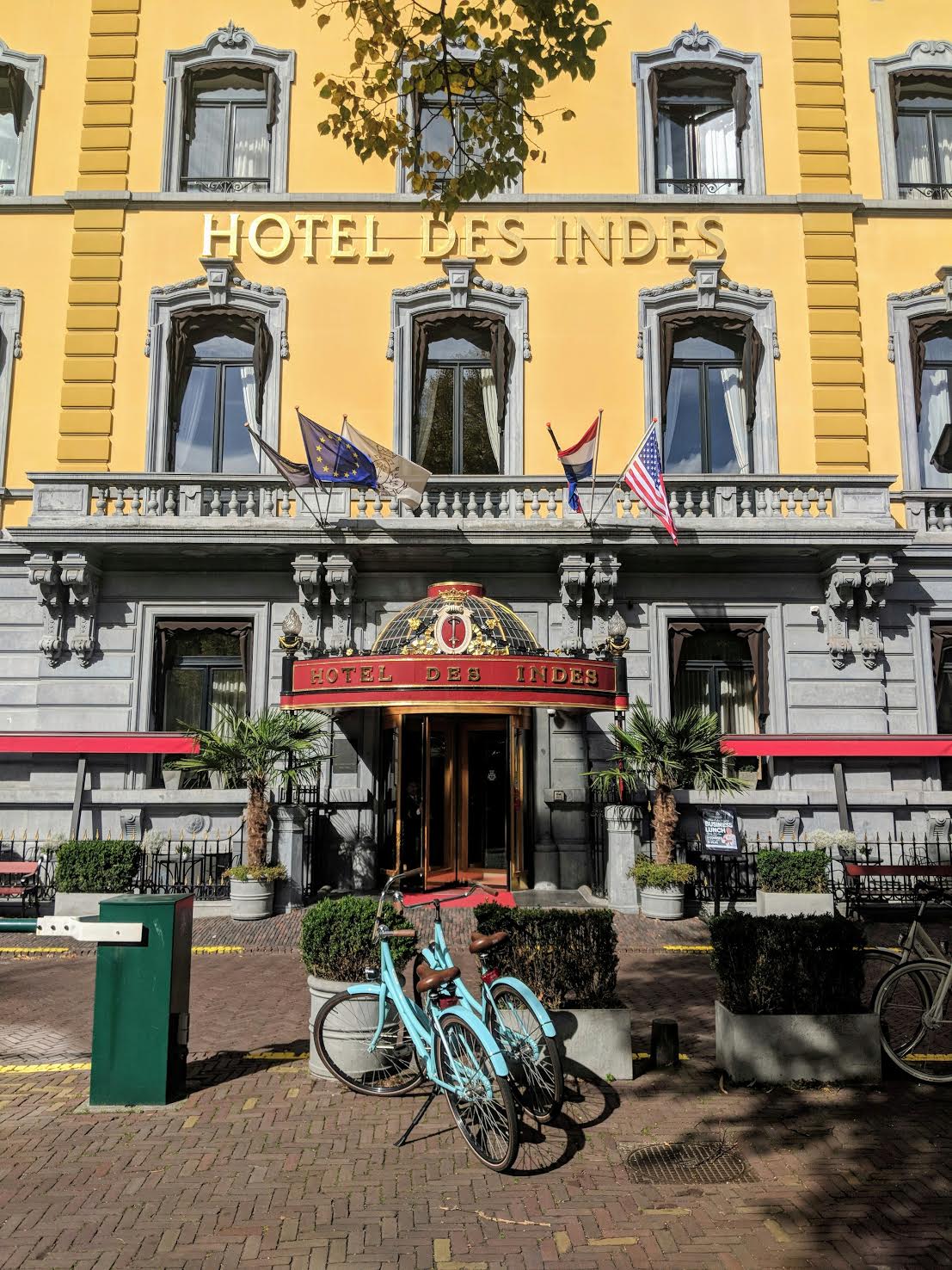
Hotel Des Indes - This hotel is absolutely jaw-dropping. Built in the 1850s as a city palace to welcome royalty and celebrities, the architecture is mesmerizing. The decor has kept the original purpose with a canopy above the bed, velvet curtains and tassel-covered lamps. Staying here, you truly feel like royalty. The underground pool and spa is very relaxing and the massages were great.
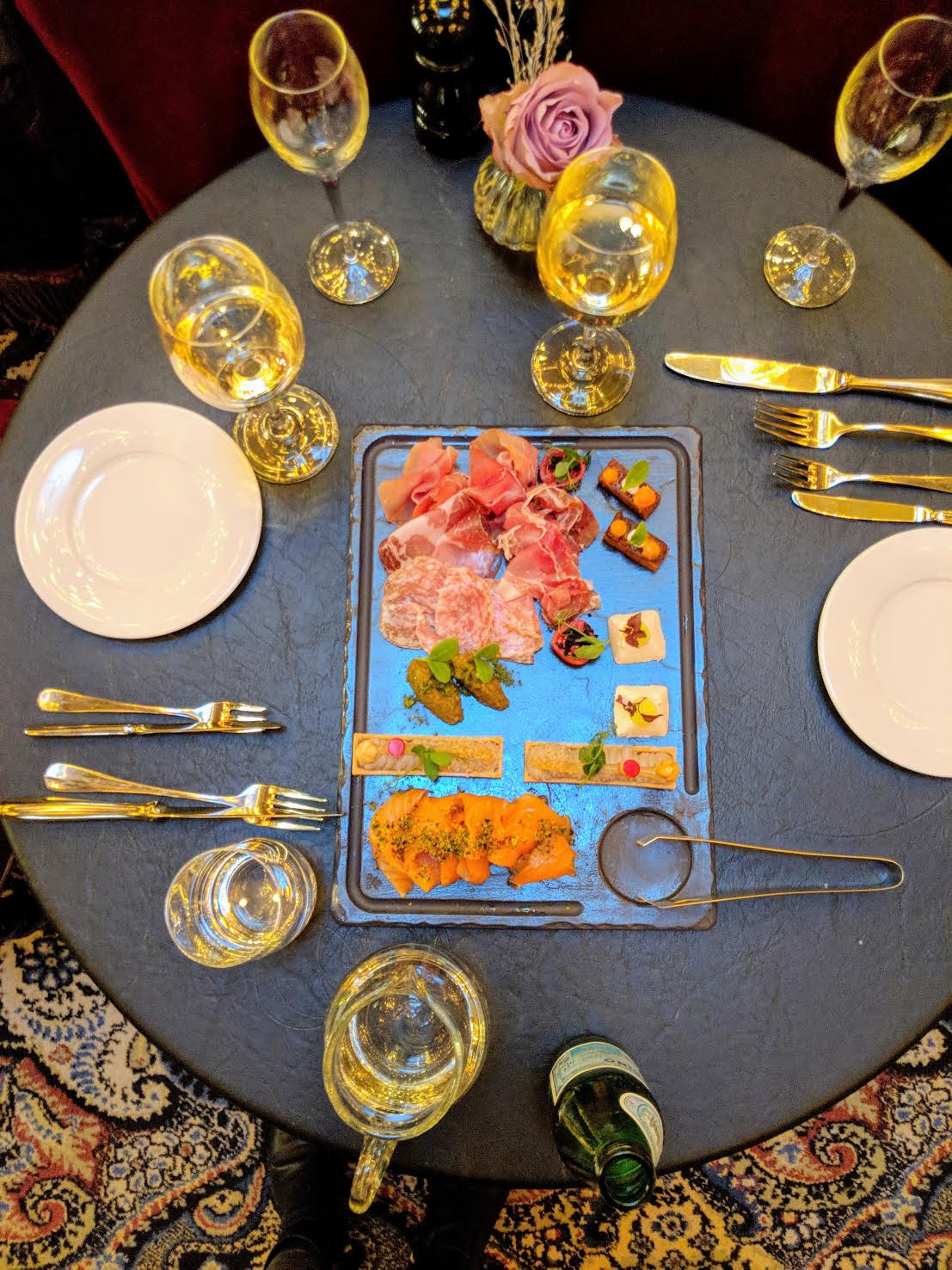
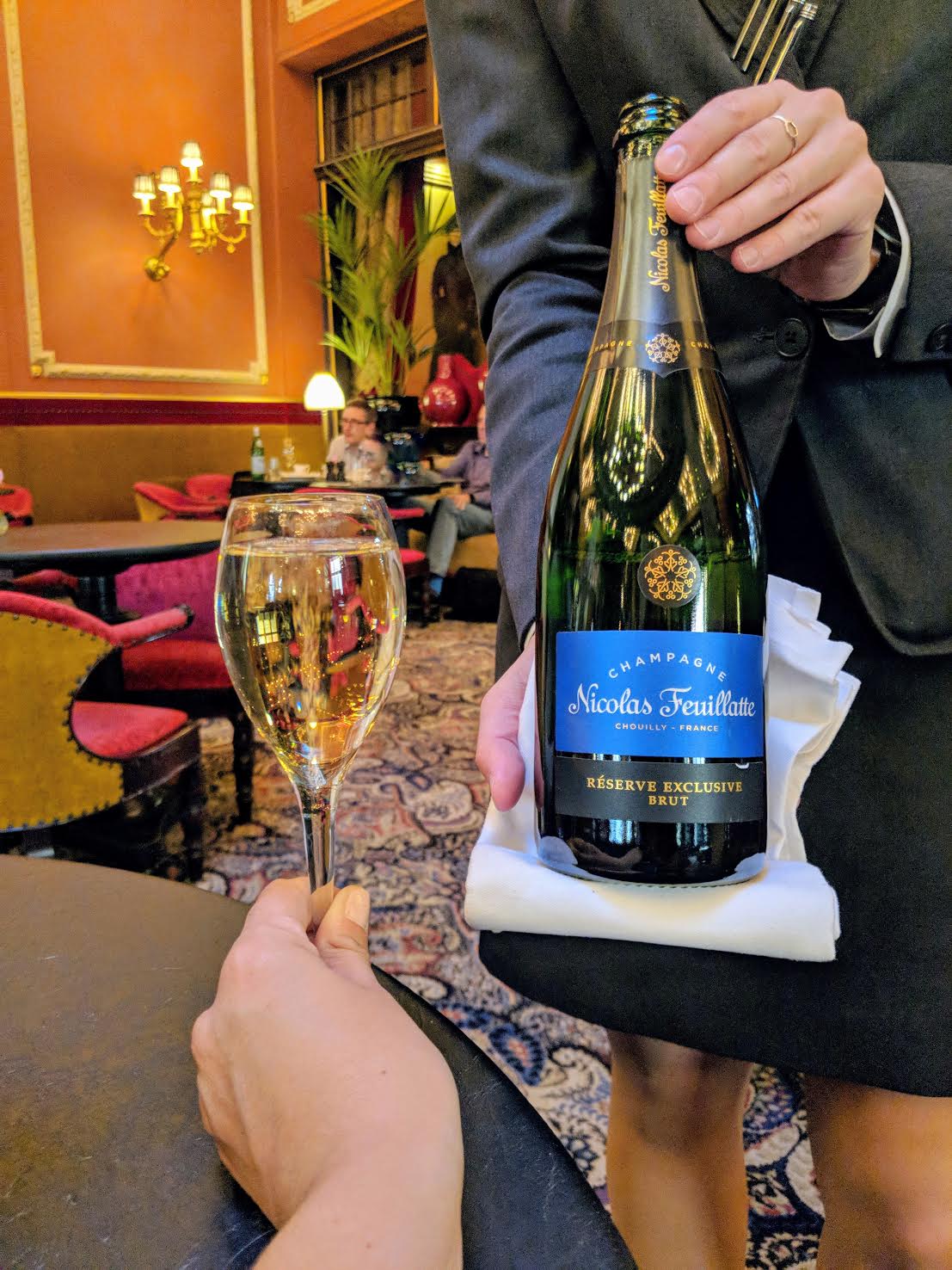
The best part of this hotel was the High Wine. This 5 course wine and food pairing was absolute heaven.
Restaurants and Bars:
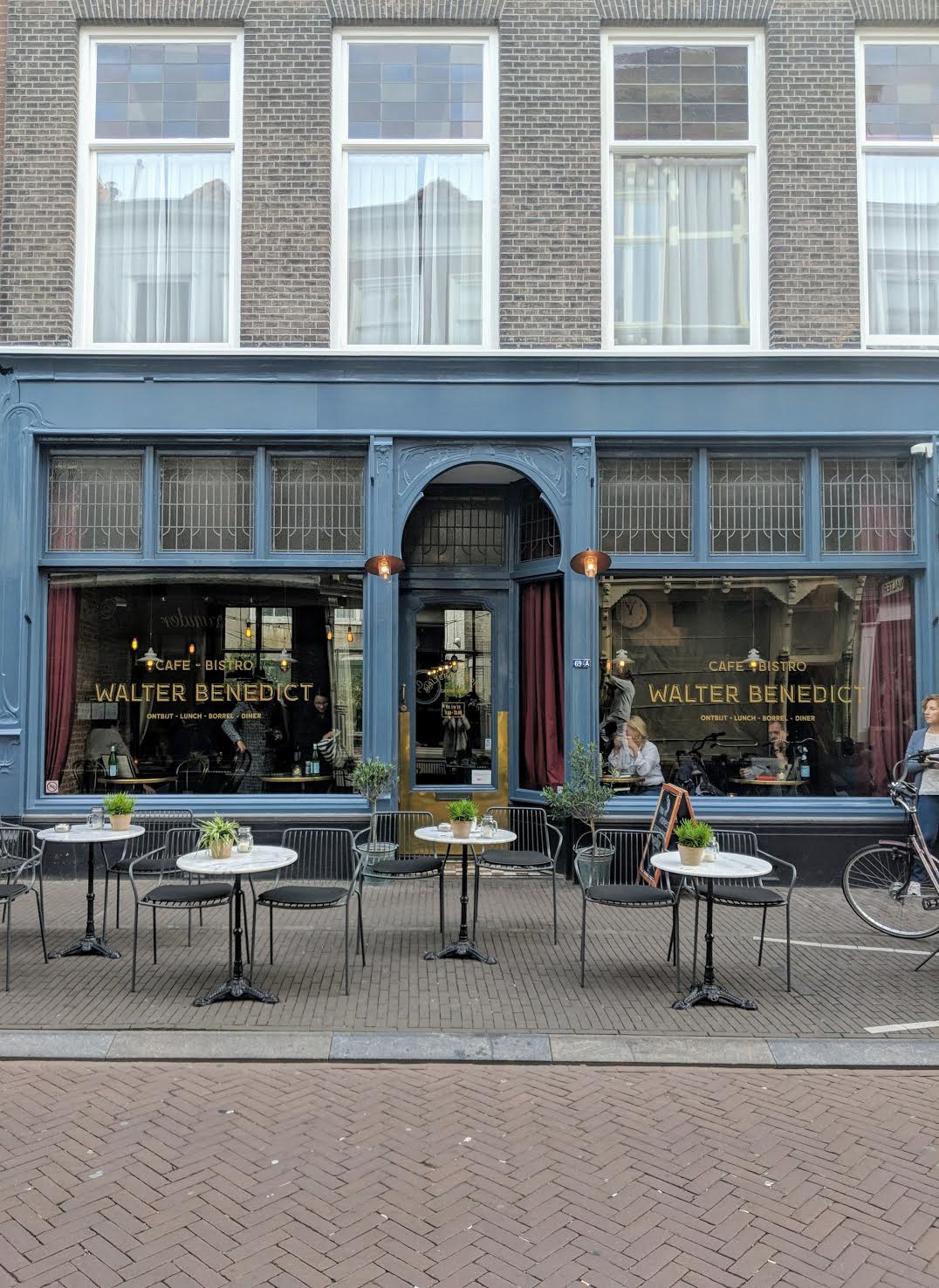
Walter Benedict - A great little spot for coffee and a croque monsieur. It's beautifully designed and was packed with locals.
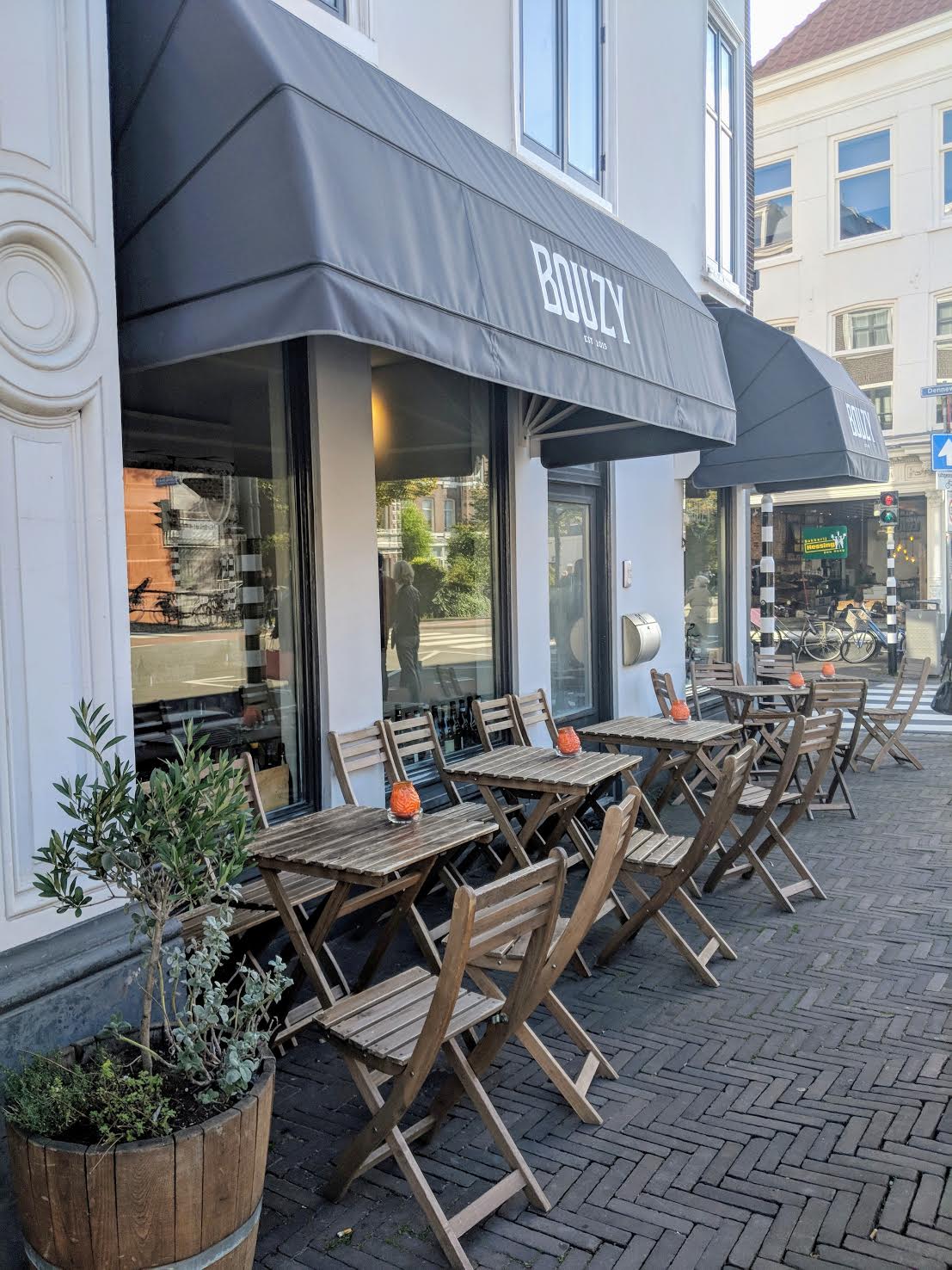
Bouzy - An outstanding, international wine bar that specializes in Champagne (hello, Bouzy). The bright, corner space makes it hard to leave, as do their small plates like homemade meatballs, shrimp and burrata.
Nivoo - A cute wine bar, though more traditional in terms of offerings, in a great street for shopping.
Hather Bar - An old fashioned pub with outdoor seating right over the canal. Food is pretty simple, but good.
Tapisco - Great Spanish tapas in the city center. Great cured meats and empanadas. This area is quite touristy, but there are some beautifully designed government buildings around here.
Bite Me! - A cute cafe for salads and sandwiches. This little circle is full of cafes and vintage shops
Sommelier in Copenhagen
Copenhagen absolutely exceeded my expectations, talk about a hip and happening city. I rented a bike for the first two days and ended up extending my rental another three. With colorful facades around every corner, multiple canals, and a serious obsession for wine, I'd be more than willing to relocate. Also on the pricier side, especially for hotels, the food and wine was well worth it.
Hotel: I rented an apartment via Air BnB (this one) and the location (near Skindergade and Klosterstraede streets for reference) couldn't have been better. The living and dining were super bright and very comfortable. If you're a hotel kind of person, check out Hotel Manon Les Suites. This beautiful oasis has a fun indoor pool, rooftop bar and very mid-century, Danish design. Also, we went to the Sanders Hotel for breakfast and it was beautifully classic with a stunning sun-room bar on the roof. The garden is perfect for breakfast or lunch if you have good weather.
Bars:
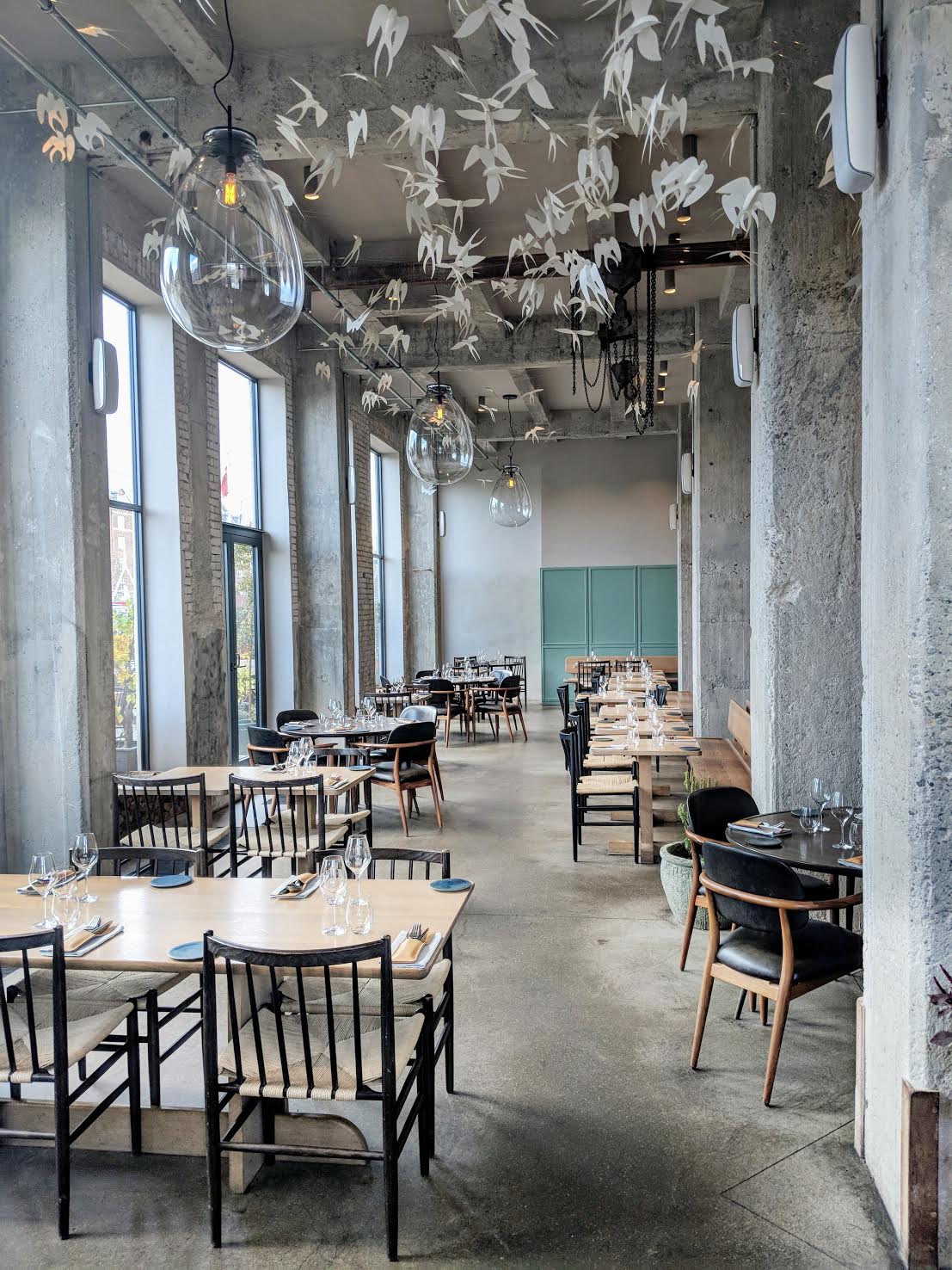
Ved Stranden 10 - This stunning wine bar is situated in a very old building overlooking one of Copenhagen's central canals. The list is non-existent and ordering is strictly verbal. Love that. The reds and whites I tasted the few times I ventured in here were spot on with my request. This place is a must for wine lovers.
Mikkeller - There are a few of these beer shop/bars around Copenhagen and they're full of all the best craft beers, local and international. The location on Refshaleoen is super trendy and right on the water.
Mother - This is a wine shop and tasting bar right in the best shopping area. They also own a restaurant by the same name with outstanding brunch on the weekends.
R bar - A very chill wine bar near Mother with an extensive Italian list.
Nebbiolo - An All-Italian wine bar right in Nyhavn - the most colorful, most photographed street/canal in the city.
Bronnum cocktail bar - A luxurious cocktail bar in the center of town, little bit boojie but phenomenal drinks and seriously knowledgeable bartenders.
Restaurants:
Baest - Just over the river in the up-and-coming Norrebro neighborhood, I'd recommend this farm-to-table Italian-Danish spot above anything else. Hands down this was the best pizza I have ever had. Don't forget to ask the waiter about "Rudo" their speakeasy-style Vermouth bar upstairs. Drink tokens will follow.
September Atelier - A beautifully designed café in the morning, wine bar/shop at night. I was very impressed with the coffee and avocado toast.
Reffen - Located on Refshaleoen (an old industrial area that was once home to B&W shipyard. Now it's home to café's, restaurants, events etc, just 15 mins from Copenhagen by bike). Reffen is a massive outdoor international food hall. Each vendor has their own shipping container, which they've decorated to showcase their cuisine. I had sushi, pad Thai, tacos, and a burger, all of which were delicious.
Manfreds - Owned by the same crew as Baest, this mainly vegetarian spot focuses on local, sustainable and organic produce. However, they're known for their beef tartare, which is unreal.
Kodbyens Fiskbar - Seafood heaven, this Meatpacking restaurant is known for their oysters, but the scallops and mussels were just as delicious. A very cool, industrial/nautical vibe with circular fish tanks and delicious wines, from vintage Champagne to Georgian Orange.
Torvehallerne - This indoor food market is where to taste the local SMORREBROD. They're like tapas with salmon, beef, shrimp, or veggies on bread and can be found throughout both buildings. When inside: Gorm's for delicious pizza, Kopan for Korean street food, and Lele for great Vietnamese bahn mi.
Others:
Husted Vin - This is a traditional wine shop with many recognizable wines from all over the world. It's also in a unique area with a lot of cafes, great for a walk.
Canal Tour - I purchased the Air BnB experience and it was marvelous. They stock a picnic basket full of beer and snacks while a local guide points out all the areas of attraction, museums and government buildings. Do it at sunset for great pics!
Rodeo Hair Salon - If you need a trim or want a blow-out, go to Rodeo! They have a cafe and bar, and the stylists are amazing (have been featured dozens of places), and not too pricey.
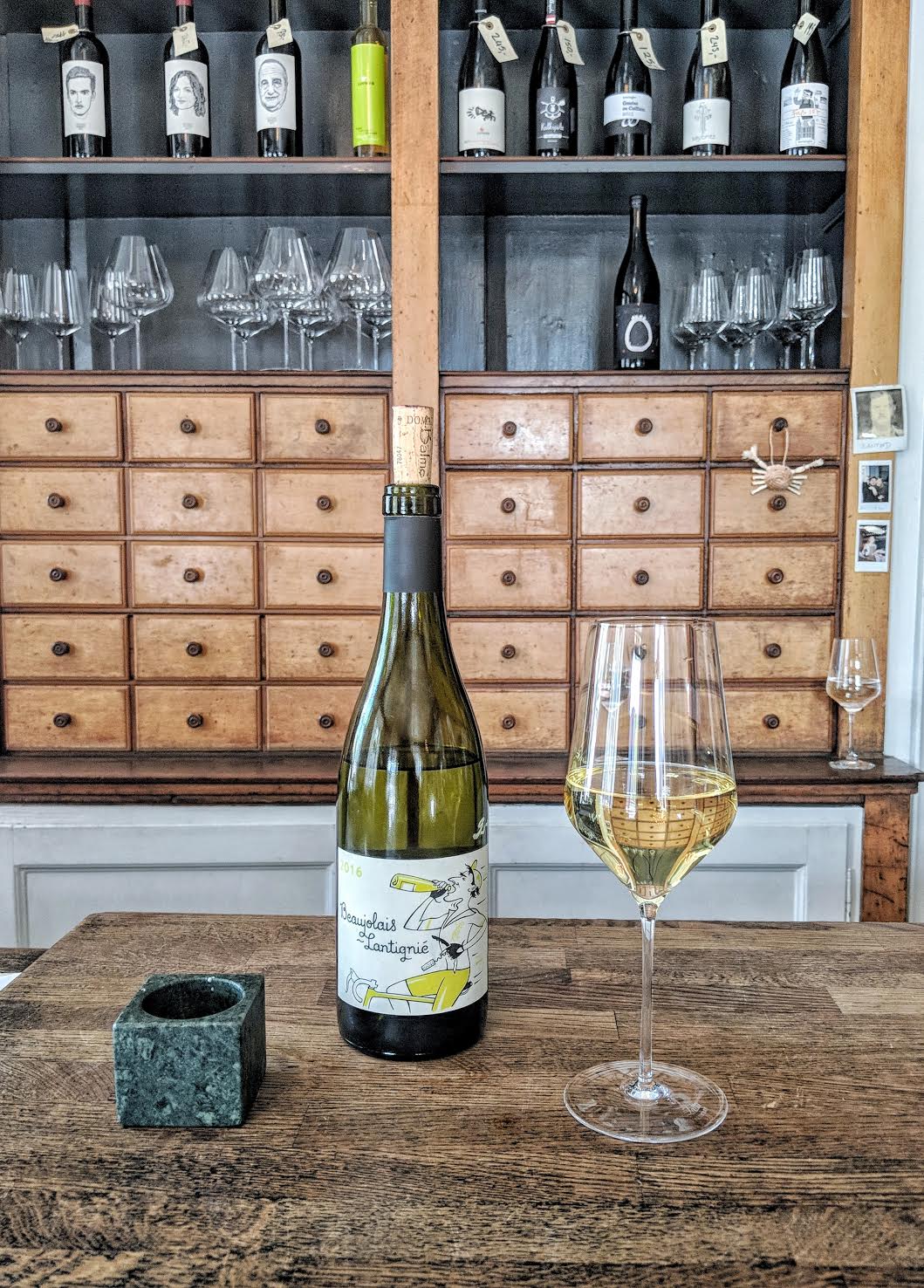
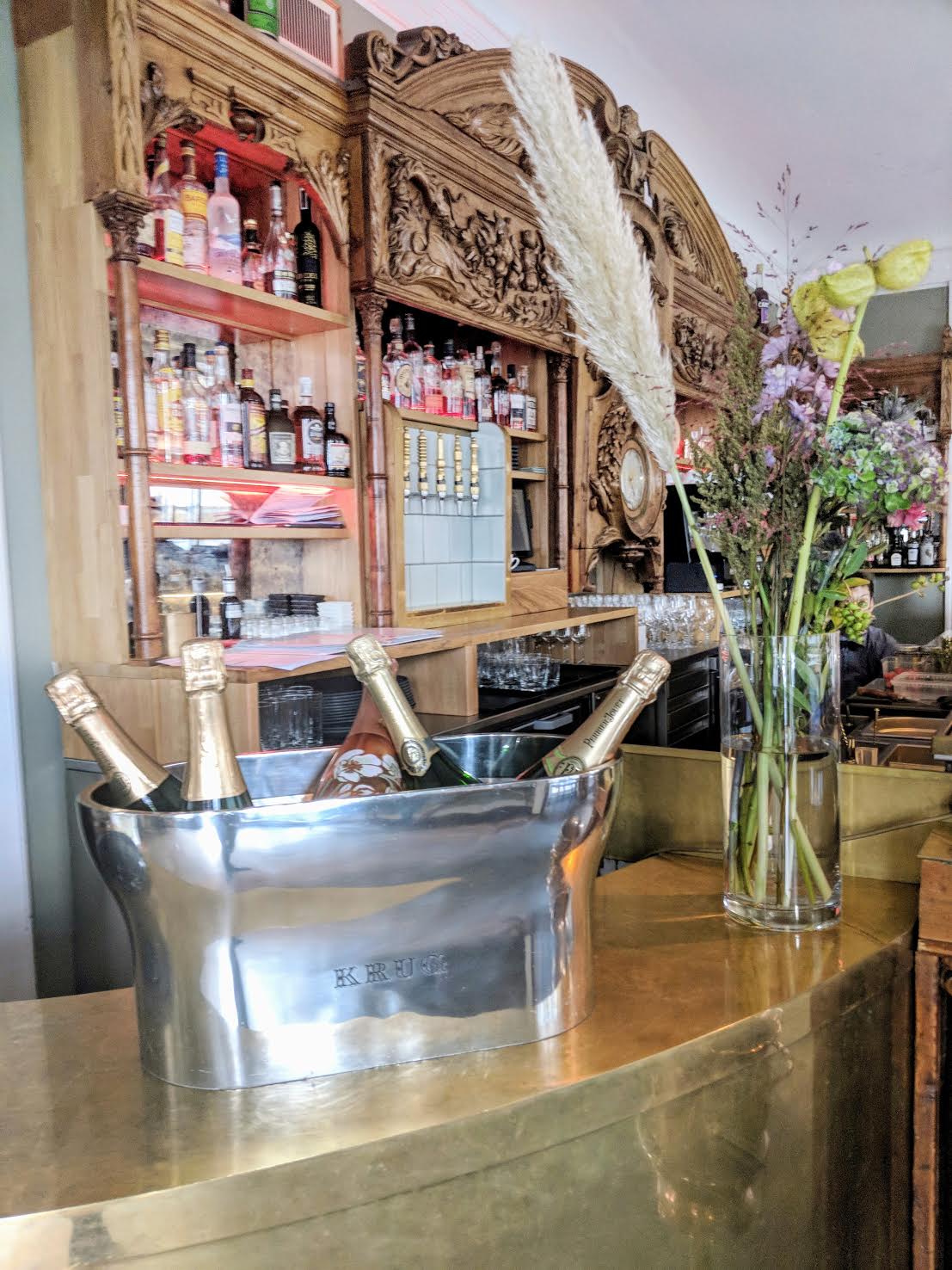
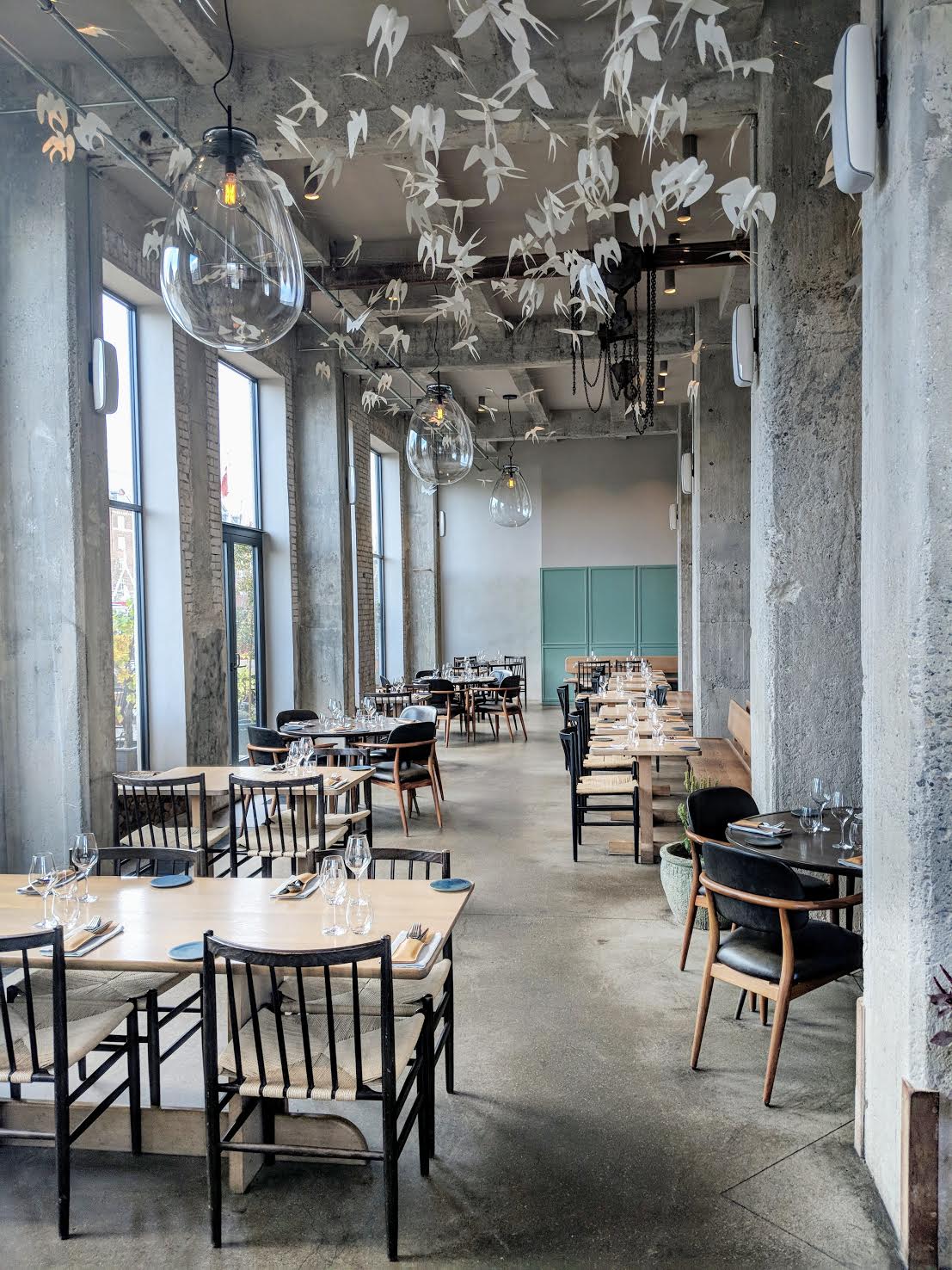
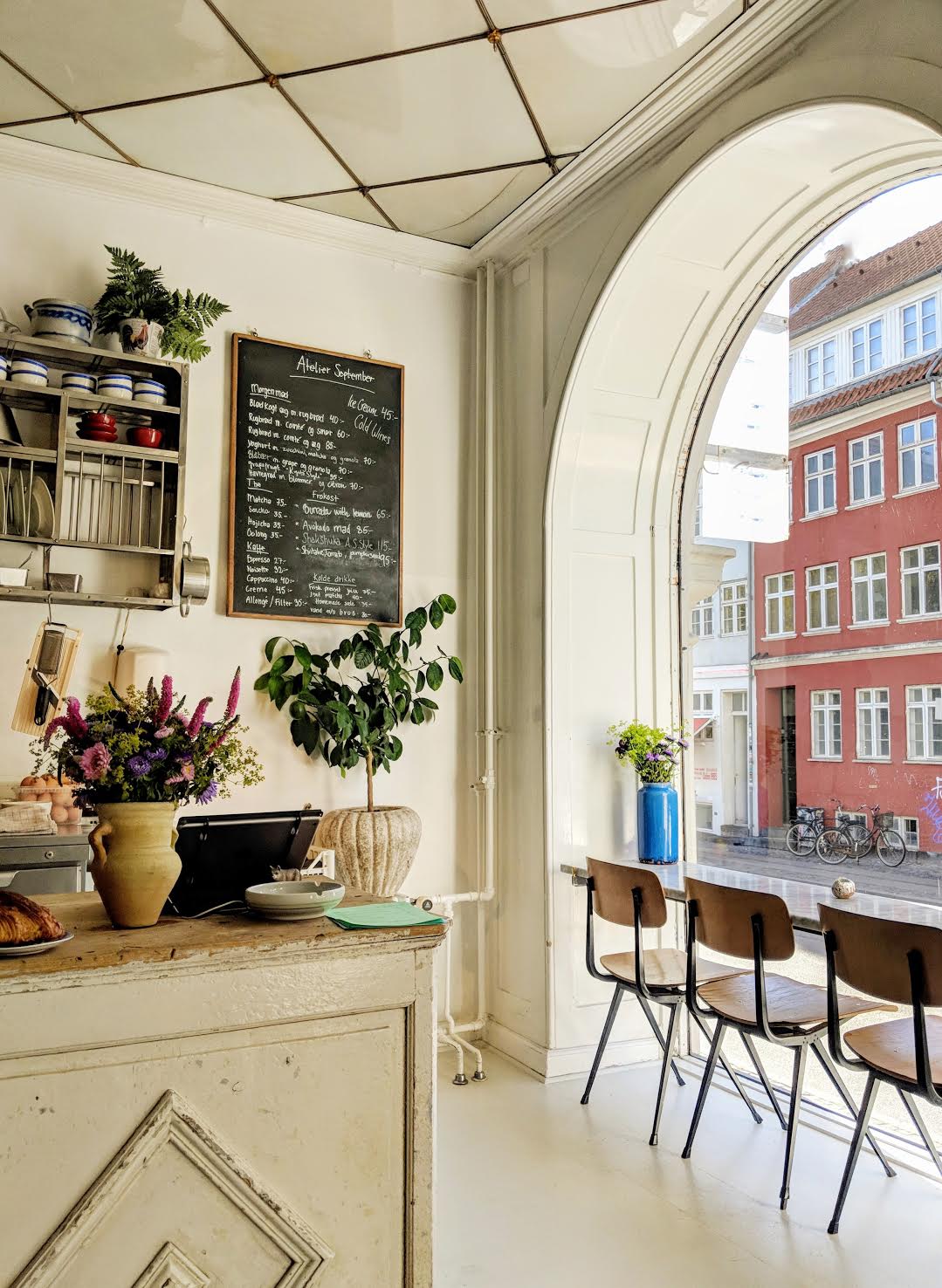
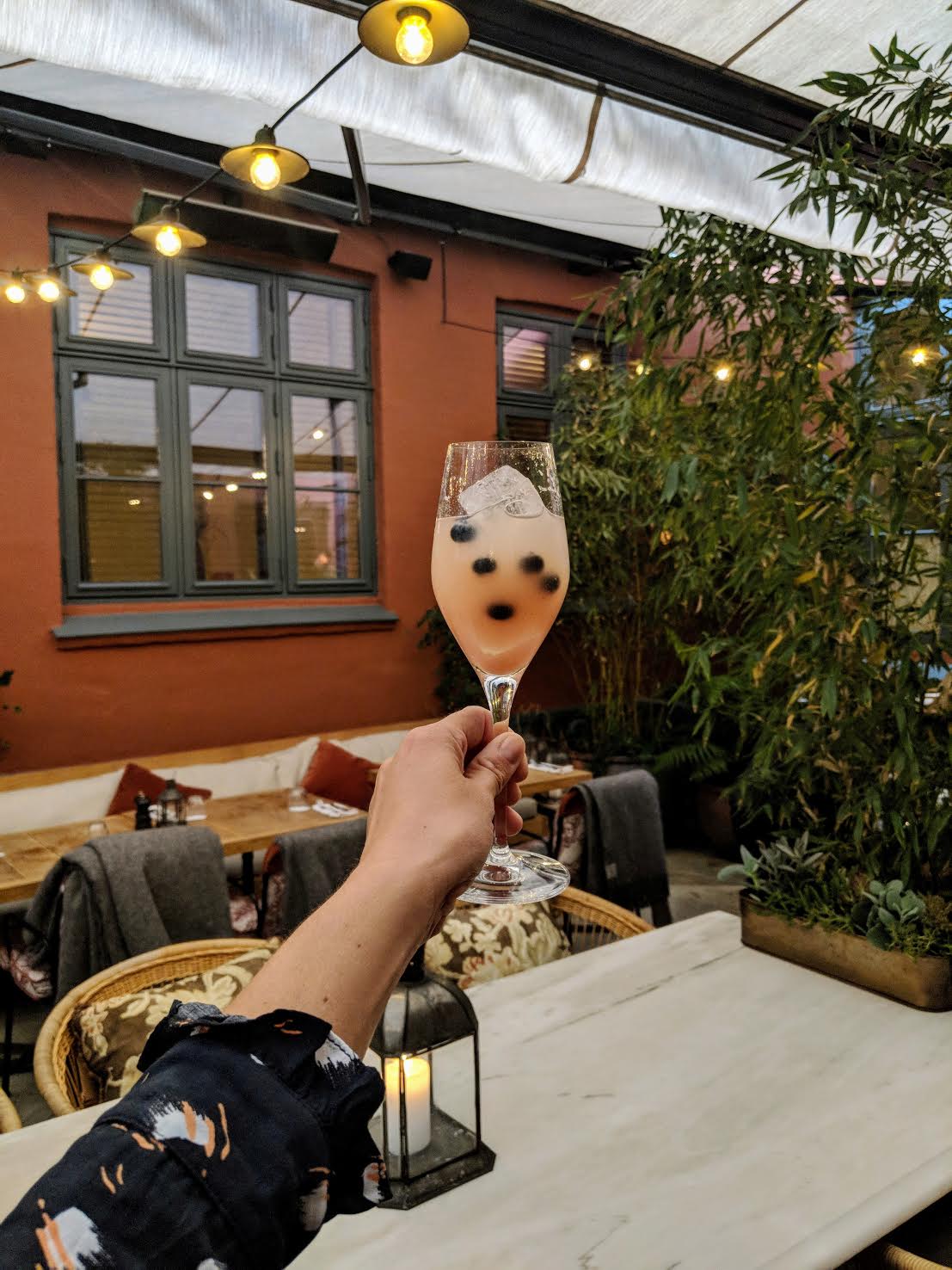
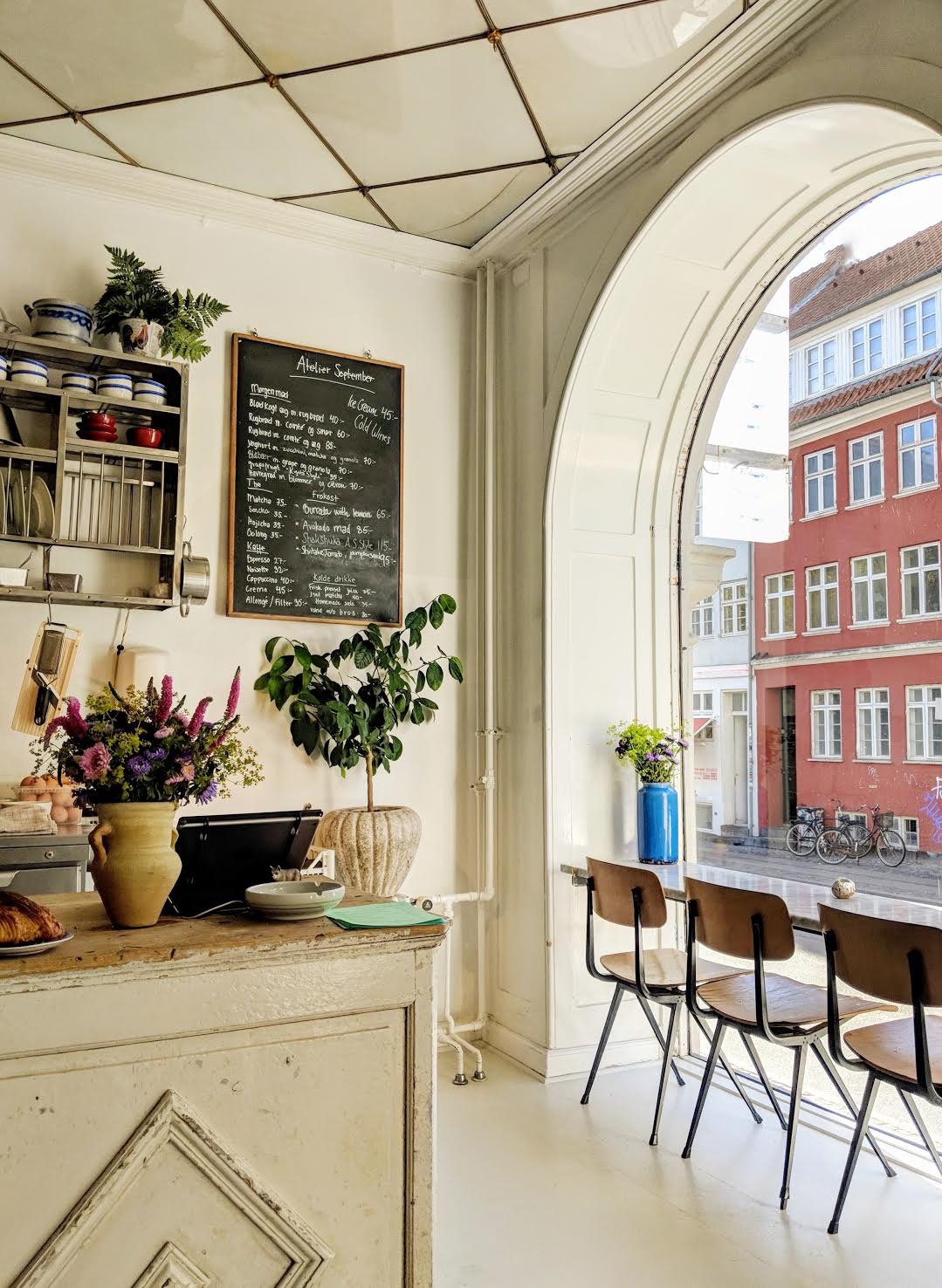
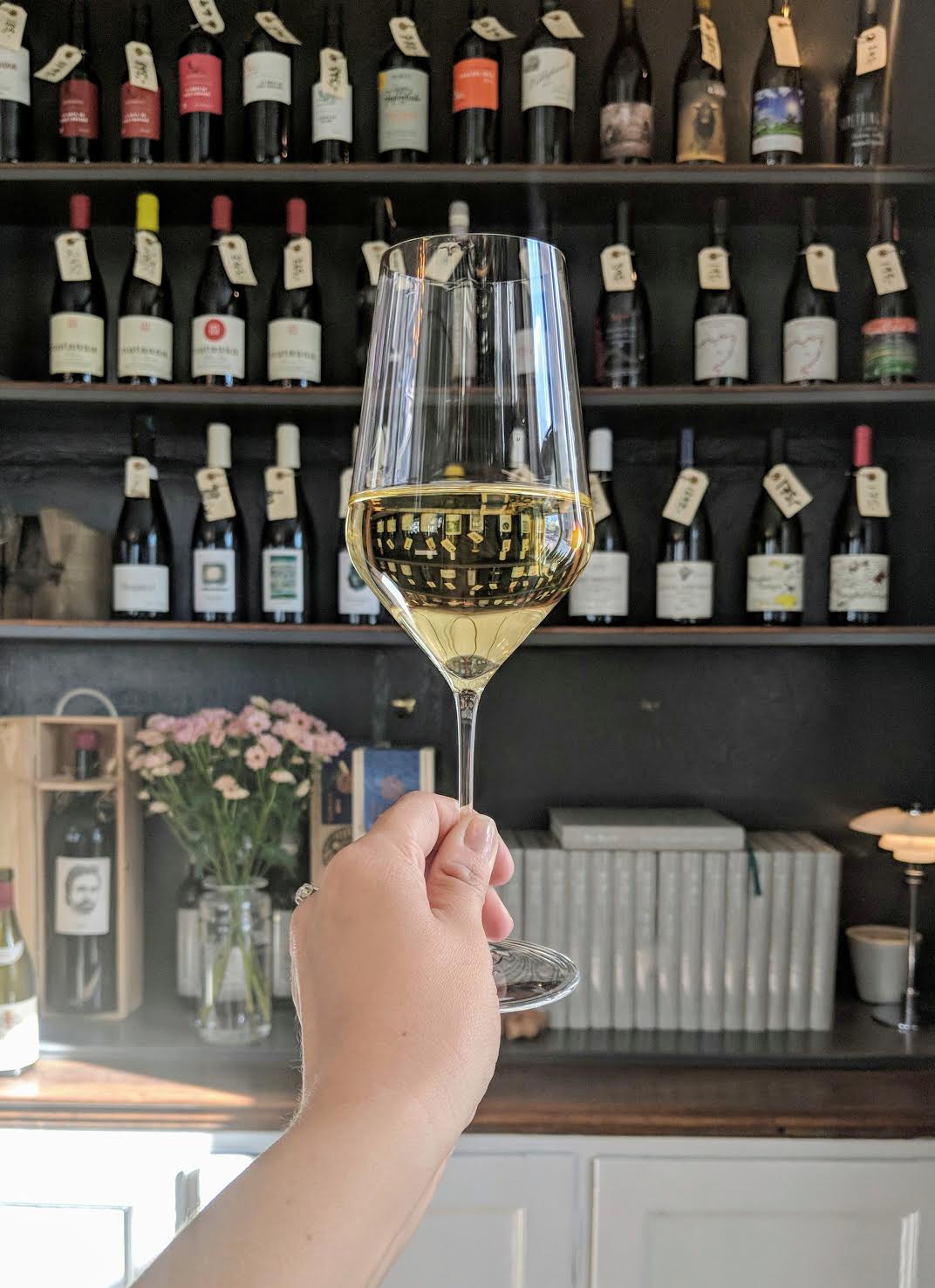
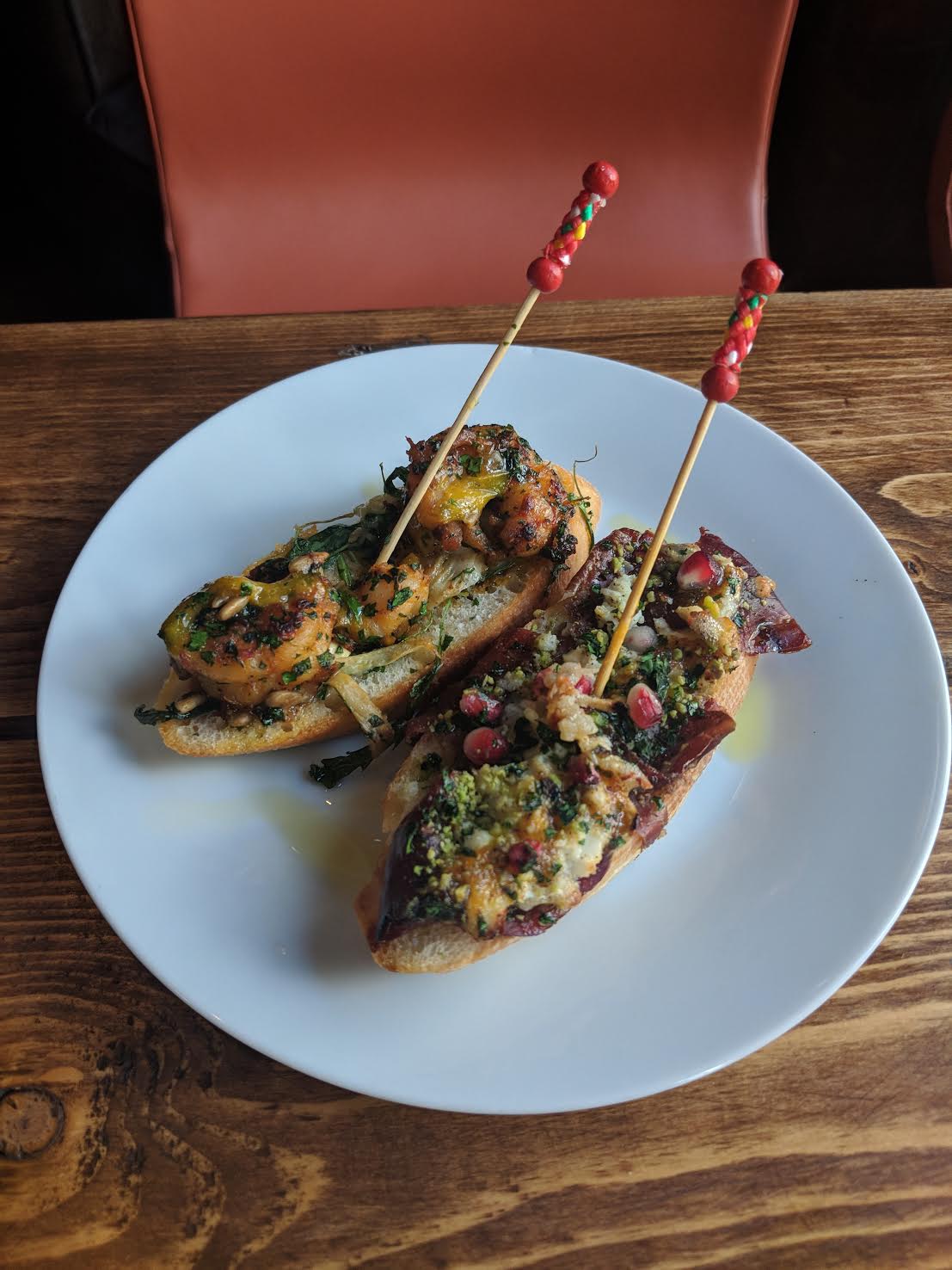
Sommelier in Oslo
Oslo is one of the most beautiful, clean and unique cities I've ever been. The people are extremely nice, though often reserved, and the food and wine is exceptional. Price-wise you can compare it to New York. It's easy to lose track of what you're spending but you could also do Oslo on a budget quite easily. For example, hang out at the Mathallen Food Market and enjoy a Salmon Poke bowl with a local beer. Here are some of my favorite restaurants, hotels, bars and things to do:
Hotel: Grims Grenka
This hotel is sort of funky/retro but super spacious, clean and unique. The staff was great and the bar and restaurant had great menus.
Boat tour: We took an old bait boat from City Hall Pier 3. Her name was Helena and she had a full bar and delicious, fresh-caught shrimp. This was the perfect, sightseeing cruise at under 2 hours.
Vigeland Sculpture Park: This large sculpture park is perfect for a long walk or picnic. The 200+ sculptures by Gustav Vigeland
Viking ship museum: Check out these (huge) ancient ships and viking artifacts, it's pretty outstanding.
Restaurants:
We had a fantastic lunch at Skur 33 – an inventive Italian-fusion spot with just-caught fish, pizza, and homemade pasta. We hear the dinner is just as good.
Kontrast is a chic, Michelin-star, fine-dining spot that offers an extensive Chef tasting menu and a phenomenal wine list. It's pricey but a fabulous experience. I had some rare wines I still can't stop thinking about.
Kverneriet has some amazing burgers (all kinds, including the Thai which was a favorite), along with an extensive cocktail list. This place is great for big groups and very centrally located.
Brutus is natural wine bar outside of town in the Kampen area. It's very chill and super hipster. They give you a list of wines by the glass and if you're interested in a bottle they escort you to the cellar to pick one. Gotta love that.
Mathallen is a huge, international food market with options for days. You can sit at the Champagneria with a glass of wine or cruise over to the Spanish tapas bar, just don't miss the local fish guys with the best smoked salmon you'll ever try.
Arno is a small, semi-traditional iItalian restaurant near Mathallen with delicious pasta and a phenomenal meat and cheese platter.
Mantra is your go-to for Indian Food, near the best shopping street, Karl Johans. It's packed with locals and feels very luxurious while not too expensive.
Miss Sophie is a really cozy brunch or dinner spot in a happening area. The interiors are extremely unique - pink velvet chairs and palm tree wallpaper. At least go for a cocktail and a snap.
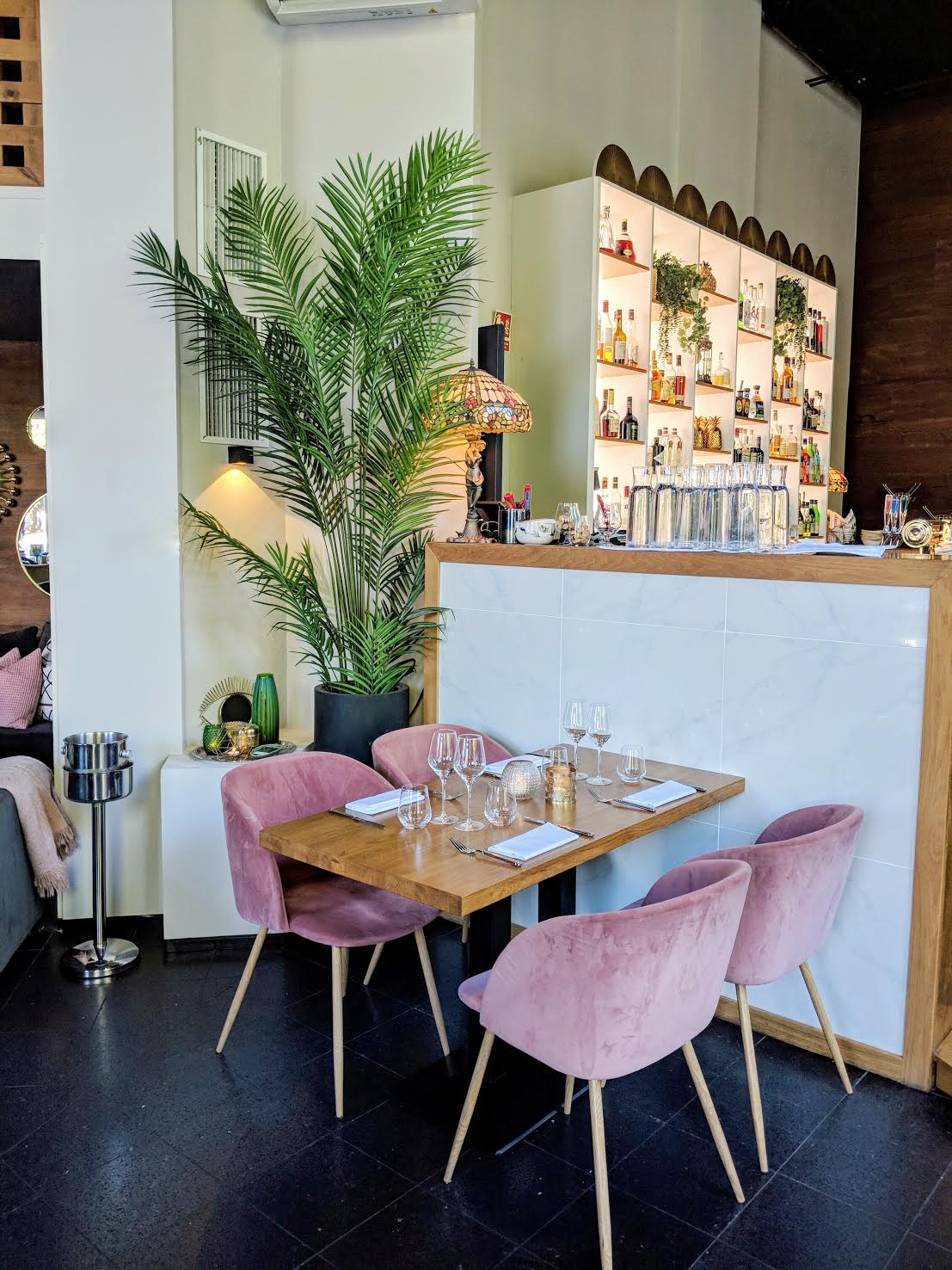
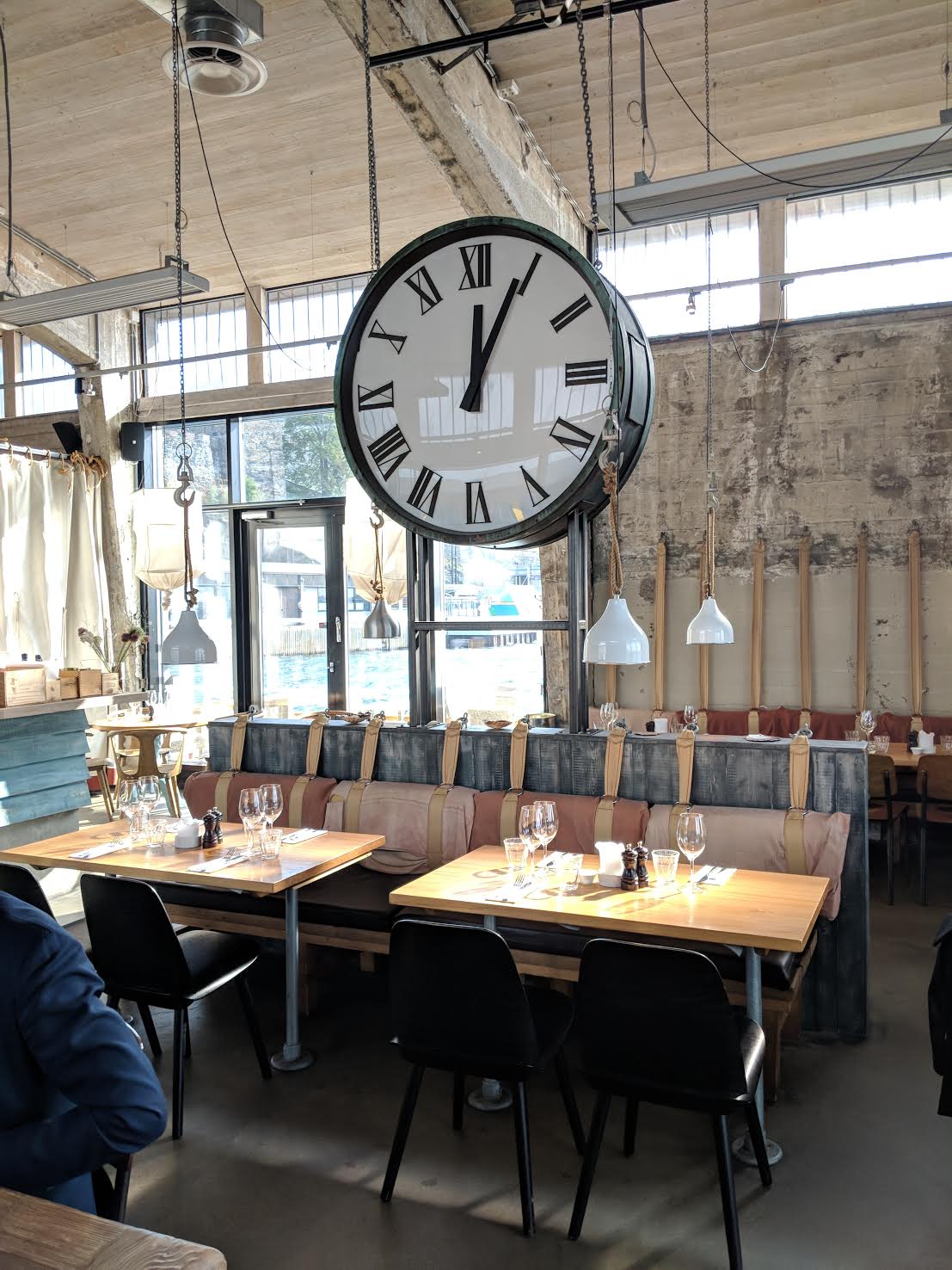
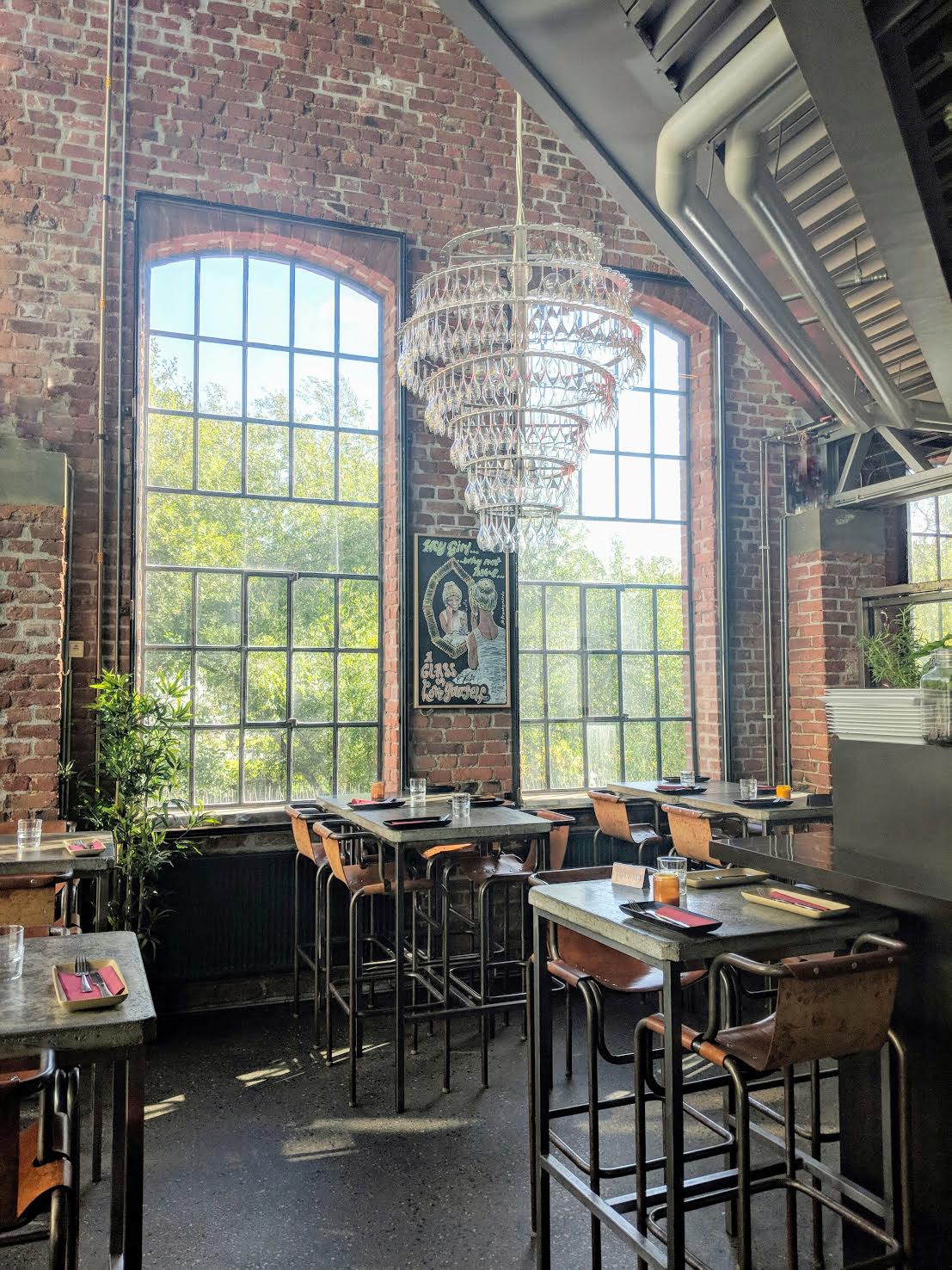
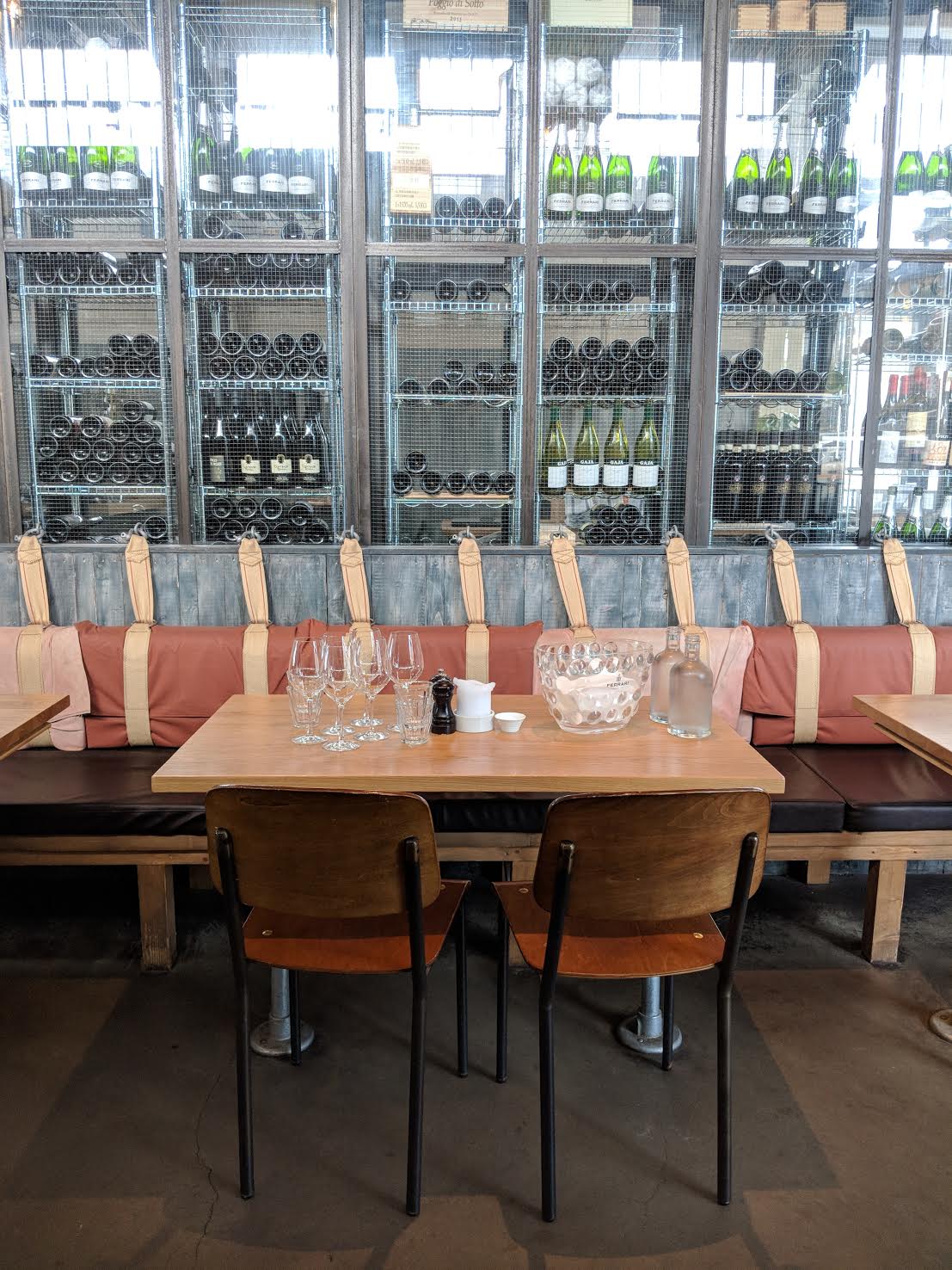
Loire by Car ... foot, bike, solex and hot air balloon
From Nantes to Tour, I was fully immersed in wine, food, and French culture. I explored the wineries and vineyards of Loire by car, foot, bike, Solex and even from above on a hot air balloon. The local cuisine included every type of pâté, tartare, rillette, and cheese imaginable. The locals were always welcoming, but I don't think I would have gotten around the small towns without my trusty French guide and translator.
Every winery was so unique in terms of offering but I could feel each winemaker's passion and understand their visions and goals, which were often to follow in the footsteps of their ancestors. I was constantly impressed by quality and dedication, as many of the estates specialized in organic, natural, or lutte raisonnee winemaking methods. Many of the wineries in France will begin picking about 2 weeks earlier than the majority of their previous vintages due to the abnormally hot summer. This can be good news however, as the sooner the grapes come inside, the less of a chance they'll be damaged by inclement fall weather.
Before digging into the vino, there are a few activities that I definitely recommend checking out. First, the hot air ballon. While the flight is never guaranteed and you may end up waiting a bit due to weather, it's definitely worth the time and money. Coasting across the vineyards overlooking all of the towns, people and animals was an experience I will never forget. Next, the Solex tour. A Solex is a motorized bike originally developed in the 1940s and a total blast. It takes around 10 minutes to figure it out, but after that you'll be well on your way to a fun (and pretty fast ride). Ours ended in a picnic amongst the vines, complete with wine and cheese of course. Don’t forget the castles! We visited Château de Chenonceau, Château de Chinon and Château de Brissac, all completely different in terms of era and style. The history is uncanny and you’ll find yourself putting pieces of ancient royalty together in your mind. Lastly, make sure to rent bikes for a day of cycling along the banks of the Loire Valley. Plan your day right and you’ll be stopping every hour to taste wine and tour the magnificent caves of the region.
On to the juice… I highly recommend visiting the below outstanding wineries when travelling through the Loire Valley.
Domaine de la Pepiere is a Certified Biodynamic winery specializing in Muscadet and consisting of 40 hectares within the Pays-Nantes. Gwénaëlle Croix is one of the three owners (unrelated) who walked us through the vineyards and tasting at the winery. Gwen explained that Melon de Bourgogne (or Muscadet) has large, melon-shaped leaves, which could be the root of the grape’s name. The vines are very close together and quite low to the ground, allowing their tall, narrow tractors to straddle the vines easily. This is common throughout Muscadet, though horses historically did this job. The climate here is mild, since the vineyards are close to the sea. The vines are trained along two wires, rather than one, which is more common in Loire and the region of Muscadet. The reasoning behind this is to encourage photosynthesis and also aid in protection from hostile weather.
Like most of the region, Pépière’s Muscadet does not see malolactic fermentation. Gwen described the importance of temperature control in her steel vats, which need to be cooled twice per day during fermentation. Pépière produces approximately 200,000 bottles per year and 80% of that gets exported!
We proceeded to taste the lineup of Muscadet wines by sub-zones, which were easily distinguishable after learning about the varying soil types. Granodiorite was one of the most interesting to me, which is a granite made up of amphibolite, mica, and quartz. Wines from this soil had very granite-like minerality, along with fresh lime and wet stones on across the palate.
Pied Flond has been producing wine for seven generations just 18 miles from Angers in the town of Terranjou. Franck and Catherine Gourdon started making wine in 2000 and specialize in the still, sweet and sparkling production of Chenin Blanc, along with Rosé d'Anjou from Cabernet Sauvignon and Anjou Rouge from Gamay. The family has 24 hectares of vines, which the family tends to in a sustainable manner.
The estate also has a long history of Solex production. Franck started making these motorized bicycles with his brother at ages 16 and 18. Riding these around the vineyards was an absolute blast, after we got the hang of it that is. The tasting was comprised of several styles of wine from dry to the very sweet, even botrytized. The 2016 Coteaux du Lyon falls into the latter, yet still delicate in aroma and body, I’d rather pair it with goat cheese than a dessert.
Gratien and Meyer was the largest estate we visited, specializing in the production of Cremant de Loire since 1874. Our tour began in their underground caves that house over 5 million bottles in over 3 miles -it was huge. The estate even has their own underground spring, which was once used to wash the barrels. Directly above the cellars are 20 hectares of vines purchased in 1864 by Alfred Gratien. Alfred died in his fourties when his partner, Jean-Albert Meyer took over the estate with Alfred’s widow.
The wines produced today fall into two categories, Cremant de Loire AOC and Saumur Mousseux AOC, depending on the varietals used in the blend. Sparkling wine labeled Saumur Mousseaux must be entirely from Chenin Blanc. Cremant de Loire is more flexible, allowing Chardonnay, Cabernet Franc and Pinot Noir, among others. Gratien & Meyer often blend the three mentioned. The aging requirement for both AOCs is 12 months, but the estate ages them for at least 24 months and up to 6 years for the best vintages of Flamme d’Or. Flamme d’Or is a style of Cremant de Loire that is matured and vinified in oak barrels. We tasted all of these styles but one of the standouts was the Cremant de Loire Brut out of Magnum, which was bottled for their 150 year anniversary in 2014. The blend of 70% Chardonnay and 30% Pinot Noir was aged 6 months in oak and tasted very much like champagne, in my opinion. There was slightly more acidity than the other wines, and my notes included peach puree, pear skin and fresh herbs.
Château de Parnay is a certified organic winery that consists of 35 hectares of vineyards in Saumur-Champigny, above slate-driven soil. Only about 10-15% of their wine is currently exported. Perhaps the most unique feature in this winery are the 11 walls of limestone every third or fourth row of vines. These walls provide shade, protect from wind and keep the roots fresh and complex. They have also found that the roots mature more quickly when closer to the limestone walls.
The ancient fortress now owned by the winery dates back to the 10th century. In 2006, Matias Levron purchased the historic castle, winery, and caves, near the Loire Valley School of Phyloxera. The large range of wines we tasted were very complex. I was very impressed with the quality and minerality in the Chenin Blanc, perhaps due to the limestone walls mentioned.
Domaine Mabileau – Reze la Jarnoterie is a 5th generation winery known for aging Cabernet Franc in chestnut barrels. Co-owner, Carine Reze led us through some of her 25 hectares of vineyards. Most people in Saint-Nicolas-de-Bourgueil plant grass around their vines to improve quality and limit roots from going too deep into the soil. The estate practices very precise picking followed by slow extraction for elegant, deep flavors and low tannins for their, always Cabernet Franc, wines. They pump over twice daily and very slowly after malolactic fermentation.
The next part of our tour was a drive the wine into their below-ground cellar, yes drive. Here, Carine showed us their notorious chestnut barrels. The cellar was a quarry in the 10th century and part of a castle that was once used to store mushrooms. It is not just their own, however. Since 1978 they have shared it with between 15 and 60 other wineries and collectors as there is over one hectare of cave space. The constant temperature of 12 degrees Celsius and 80% humidity make this an ideal storage facility.
The Chestnut barrels support this humidity and can be used for 30-40 years. Compare that to the 3 years they and most wineries utilize oak! As you can imagine, barrels this old hardly impart wood-like characteristics in the wine. The estate is not buying them anymore, however, as not many coopers still make them. Carine and her family have also built an underground event space, complete with a wood-burning fireplace.
We tasted wines dating back to 2005, as Carine was enthusiastic about showing us how her Cabernet Franc can age, especially since many were matured solely in their chestnut barrels. The wines were well balanced, earth-driven and quite unique.
Bernard Baudry started making wine in 1975 and his son, Matthieu joined him 15 years ago. Matthieu explained that 90% of their production is red, 5% rose and 5% Chinon Blanc (from Chenin Blanc). Their vineyards are spread out, ranging from valleys to slopes and plateaus, with several different types of soil. The estate chooses to vinify separately by region, to showcase the different soil types individually. He showed us a glass display case of each soil and placed his wines on top to distinguish which came from where.
The winery has been Certified Organic for 6 years but practicing much longer. Matthieu explained that converting was not difficult. They believe in making wine as natural as possible, utilizing indigenous yeast from their vines and winery. "I like my winery clean but not too clean," he said, explaining that he’s not using chemicals but doesn’t want to have to inoculate yeast either. The Baudry team strives to produce a wine that’s less extracted than the styles he has seen in Chinon over the years. He explains that the varietal is big in its own way, but today they are focused on an elegant style and lower yields help them control that. They have been exporting since the 90s, making lasting connections, as 40% of their production is being exported today. We tasted several different wines by sub-zones and soil types dating back to 1996. The ’96 Chinon was poured blind and none of us were even close. It was so fresh and floral we assumed it was from 2010 or 2013.
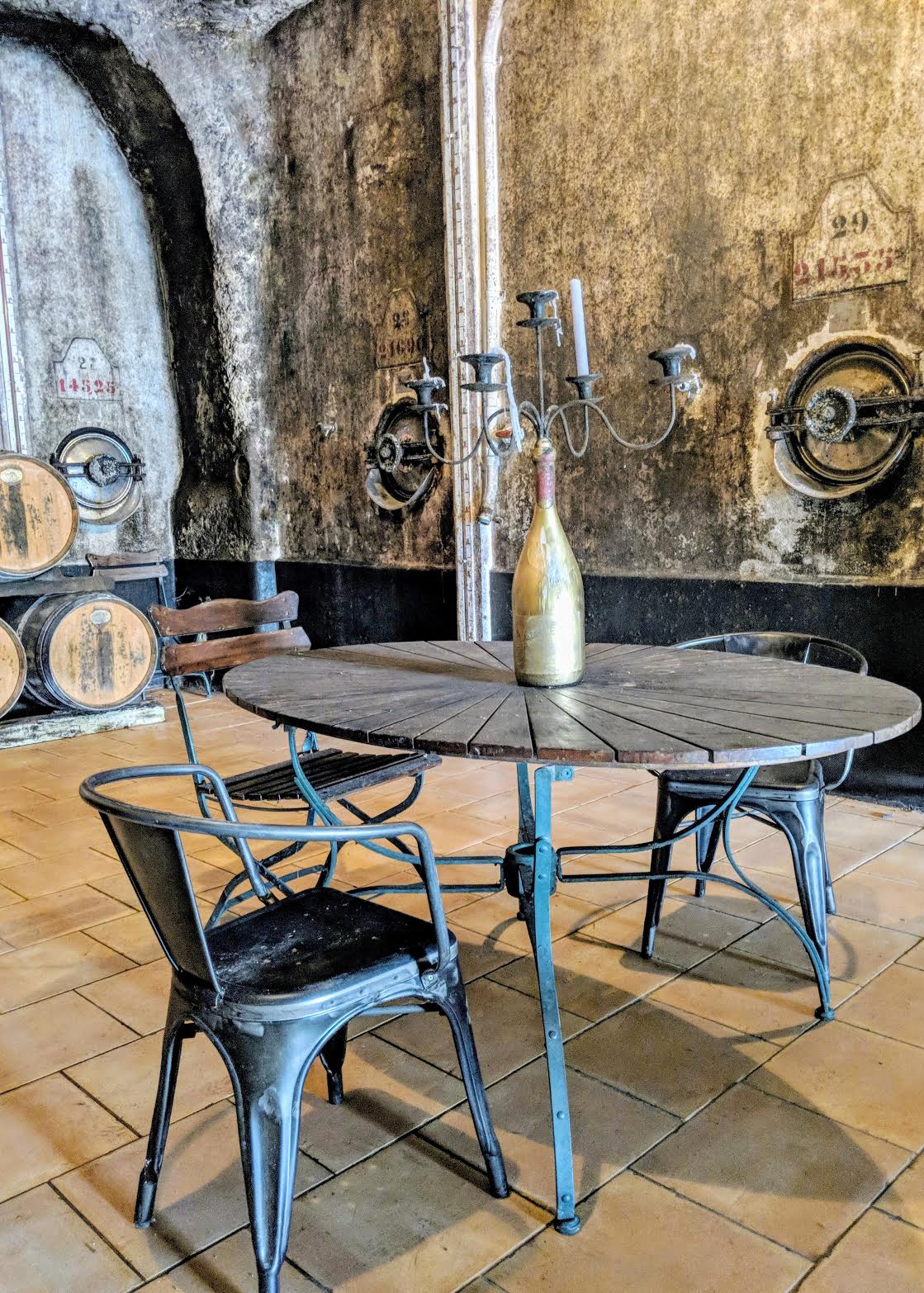
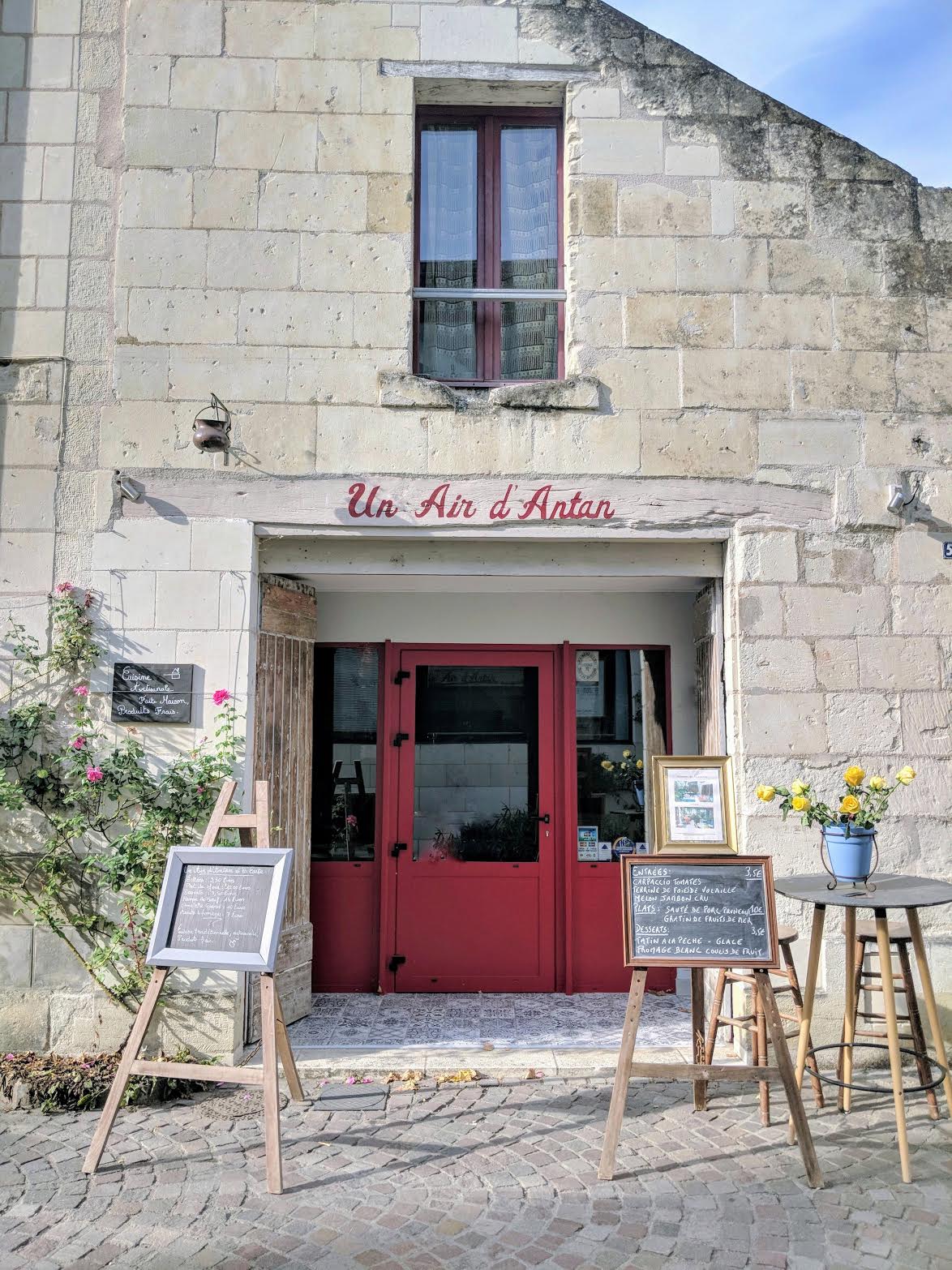
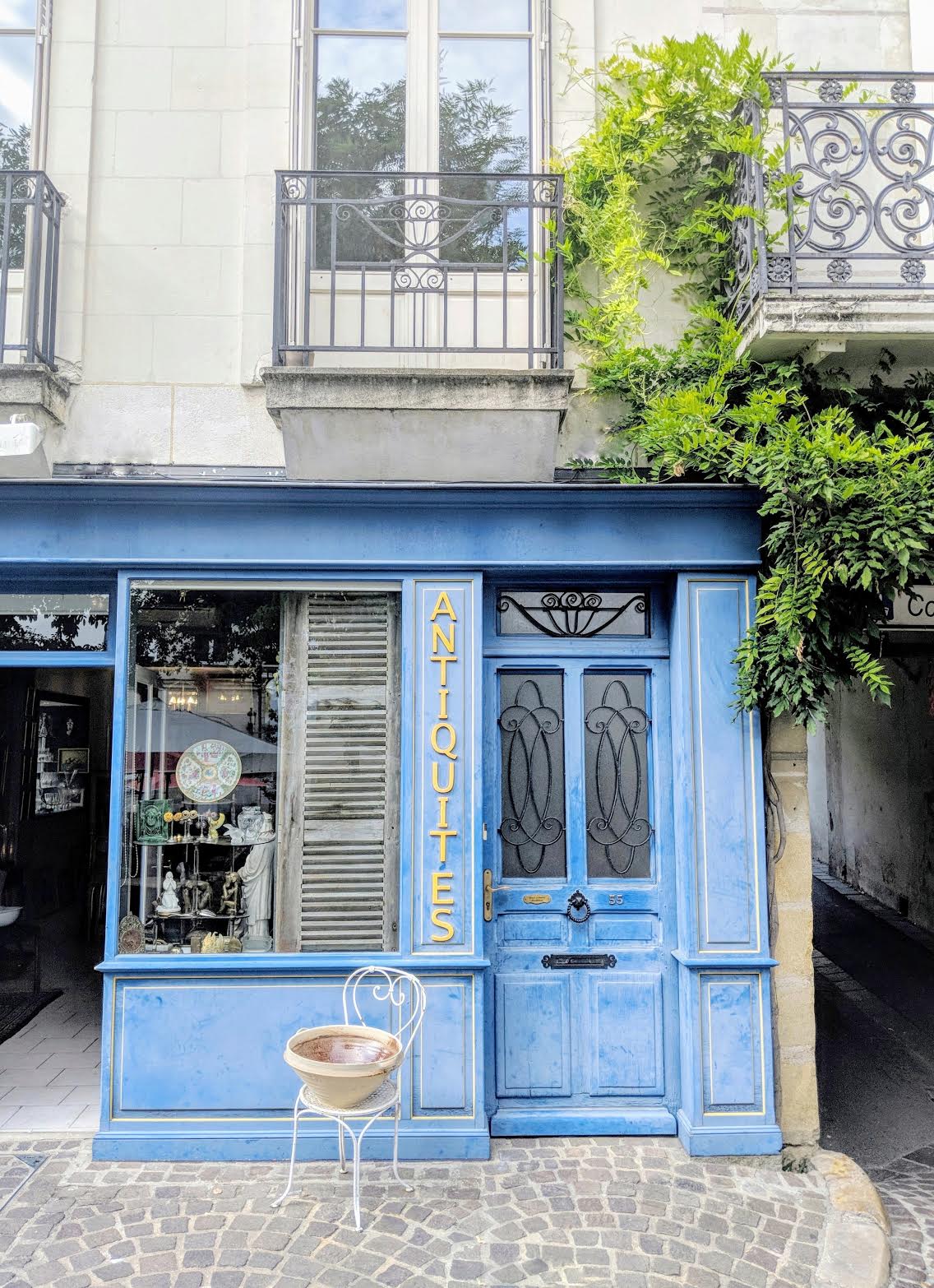
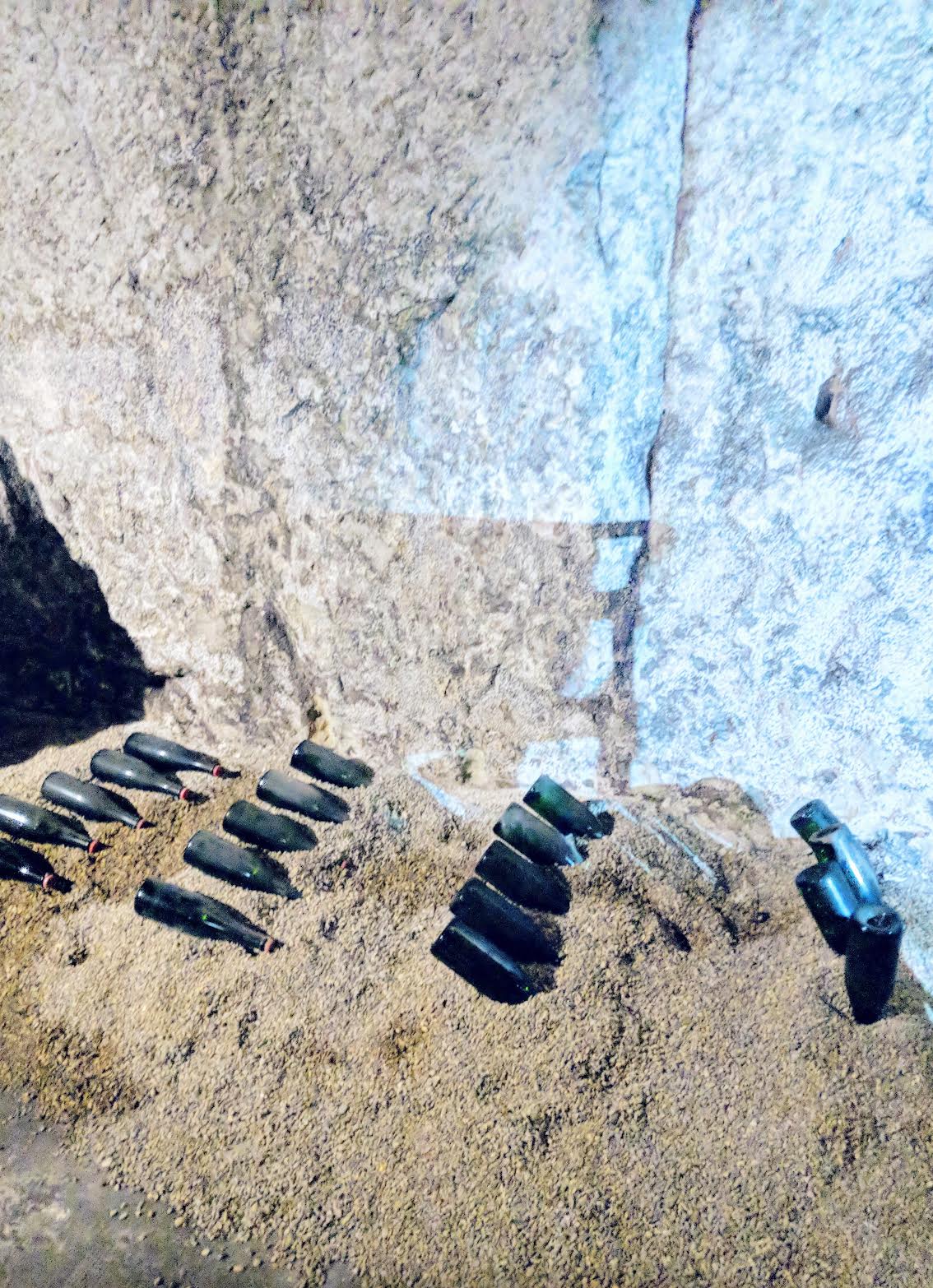
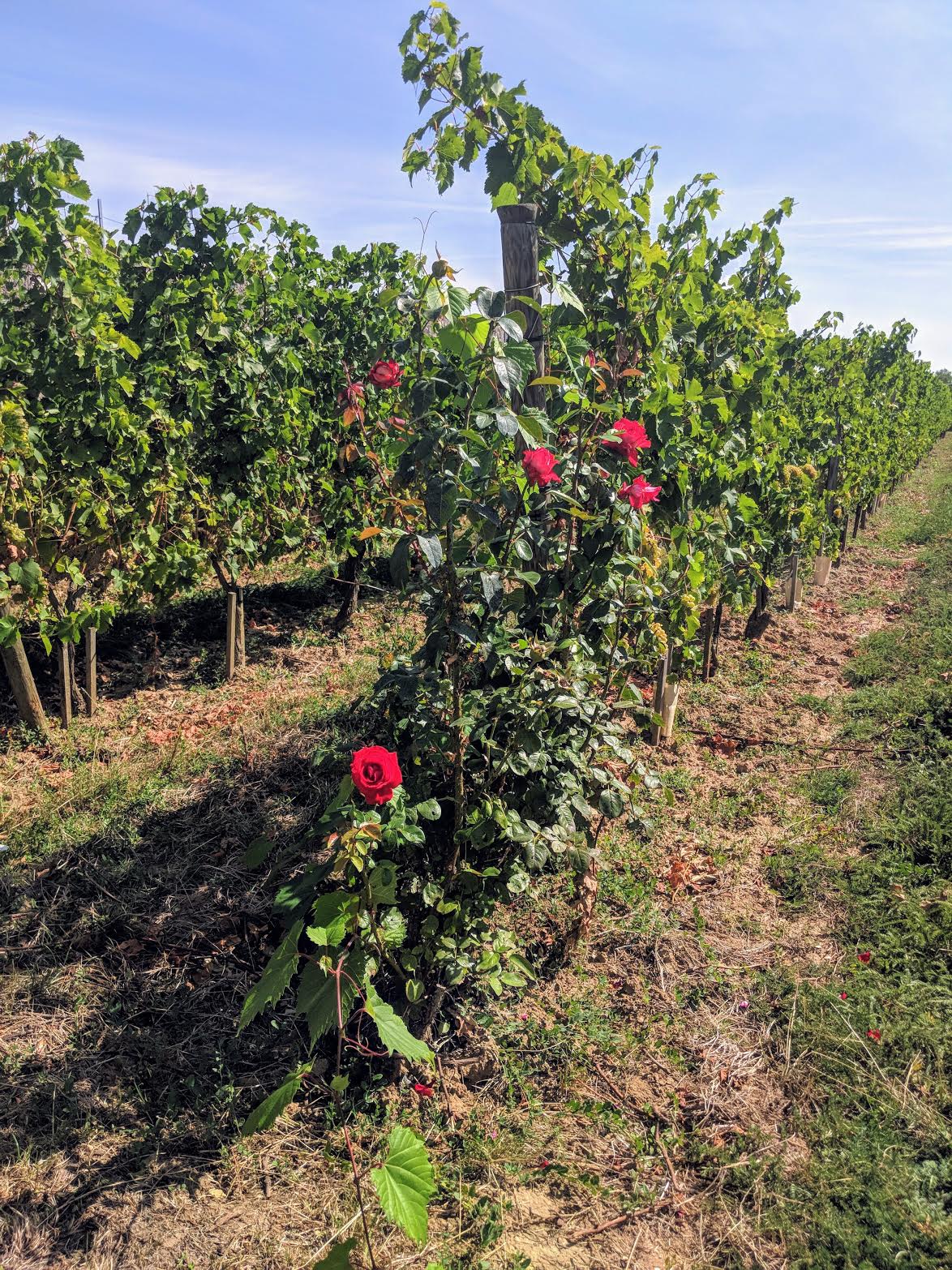
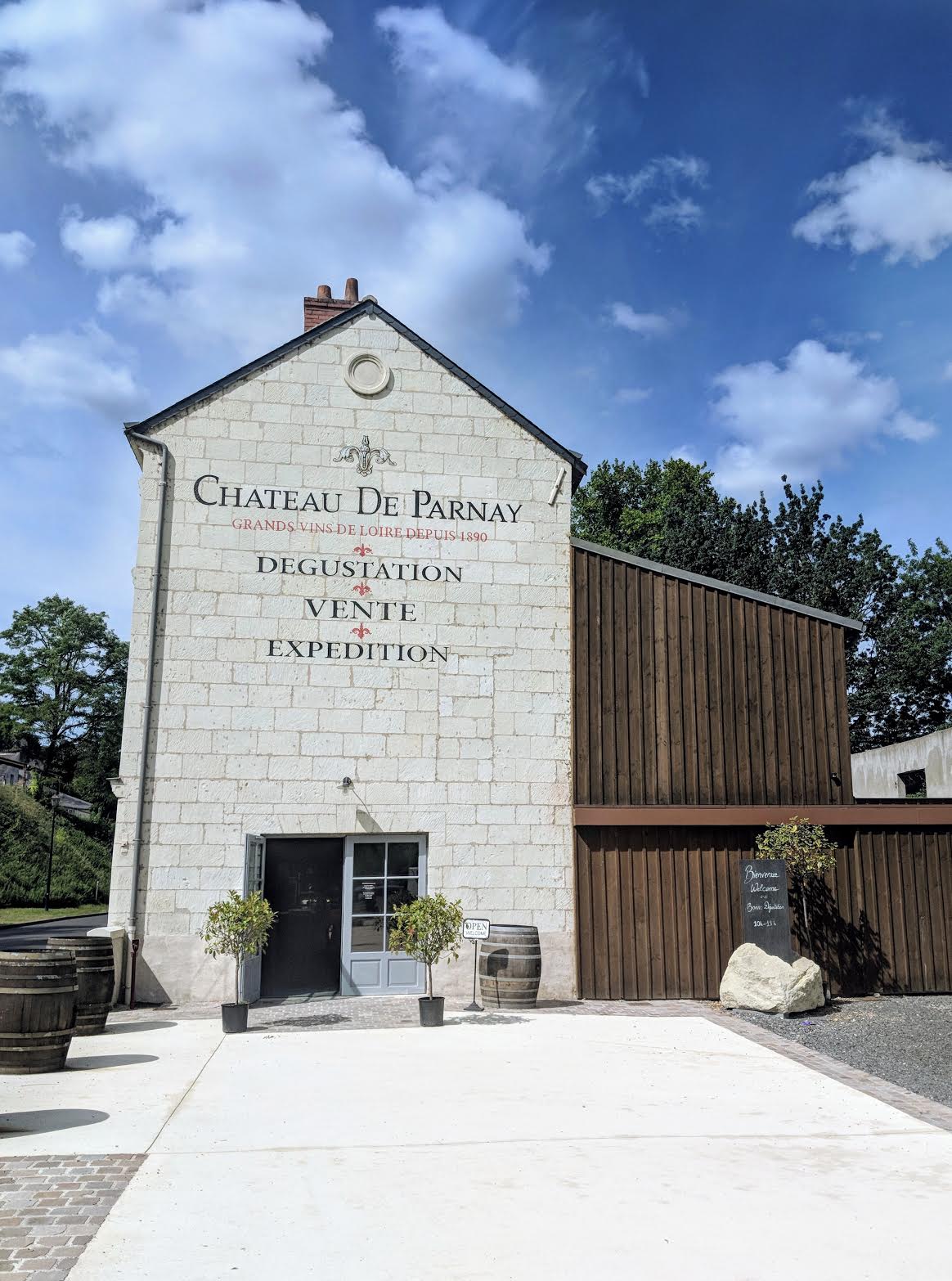
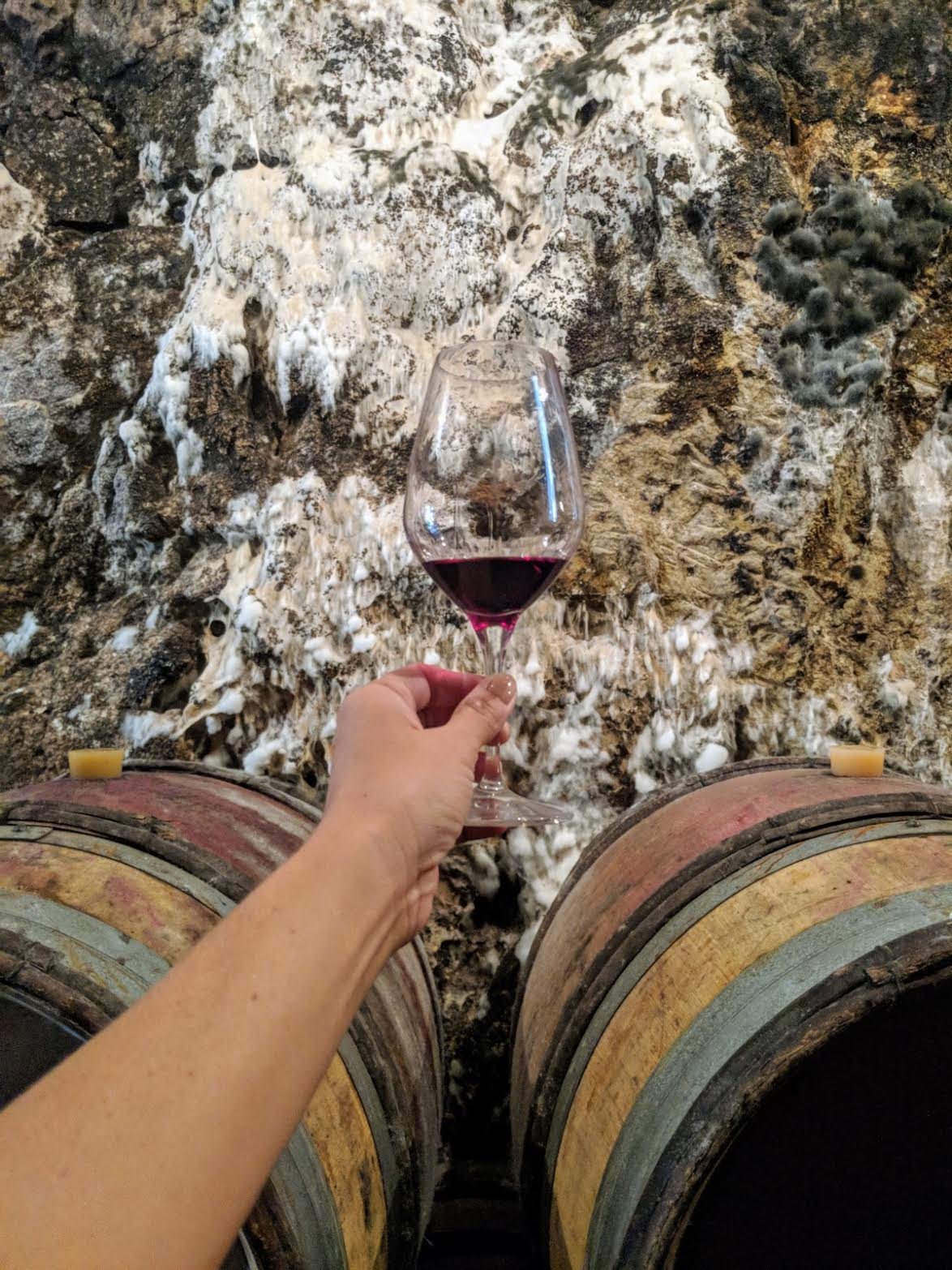
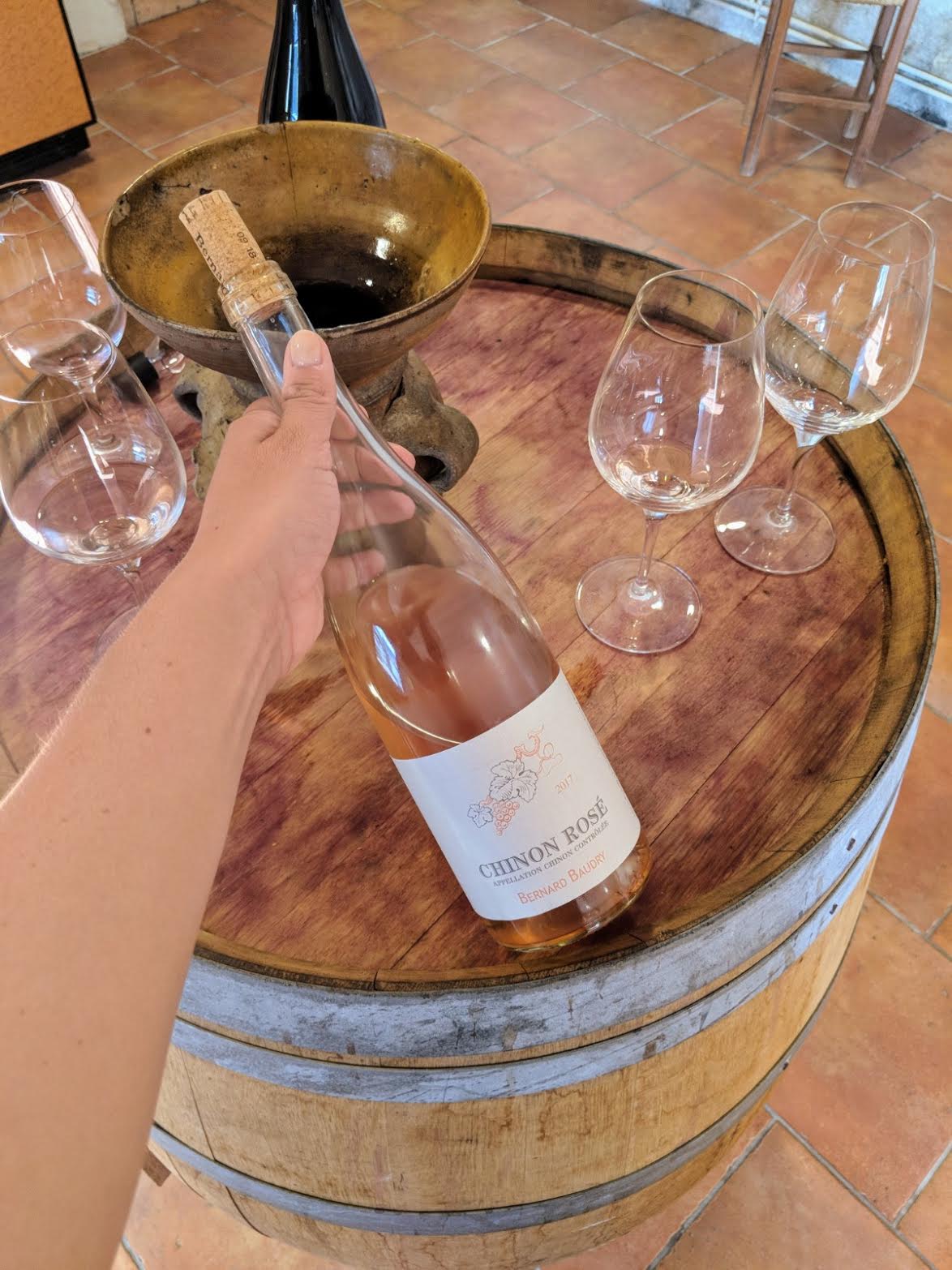
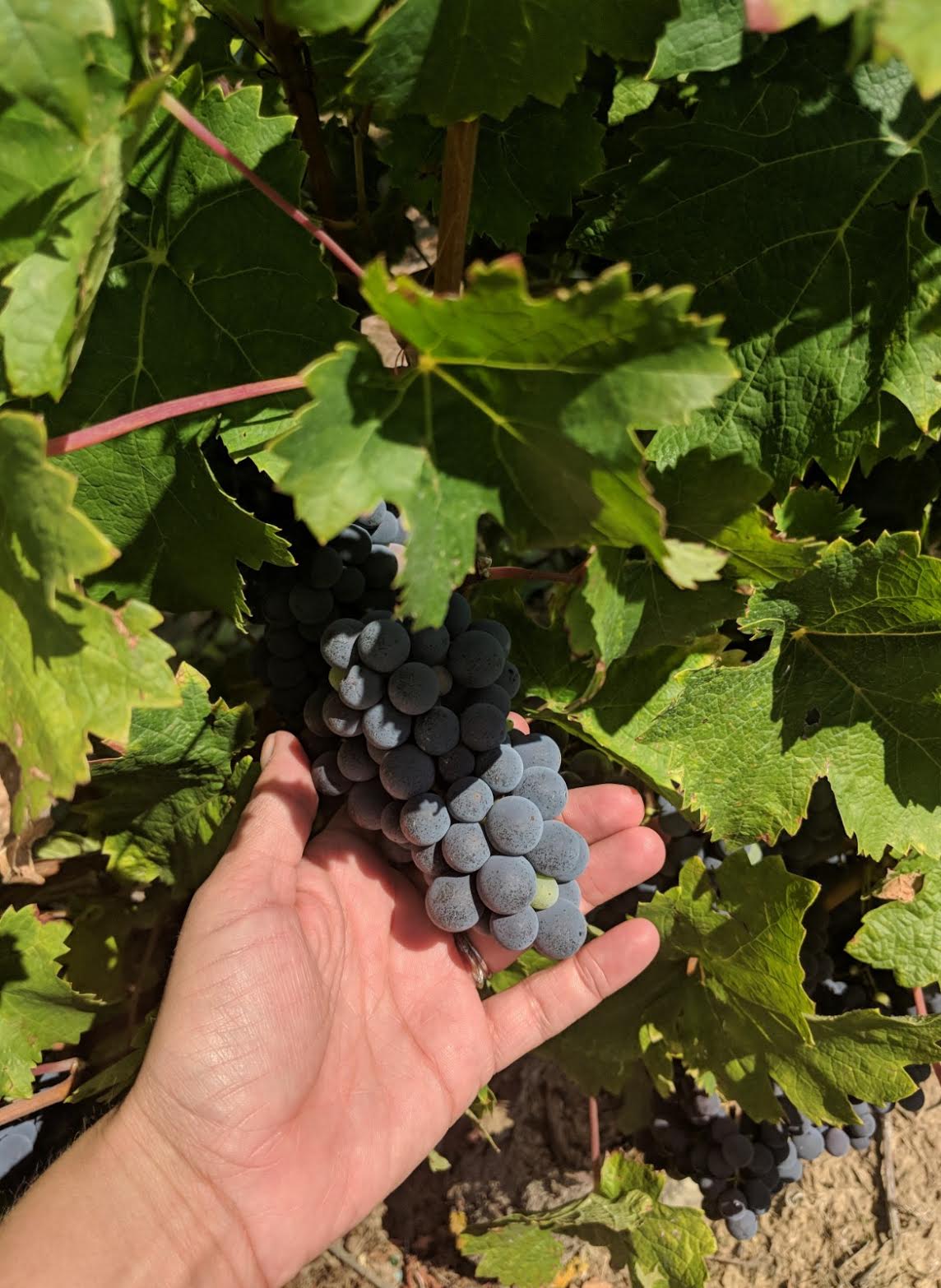
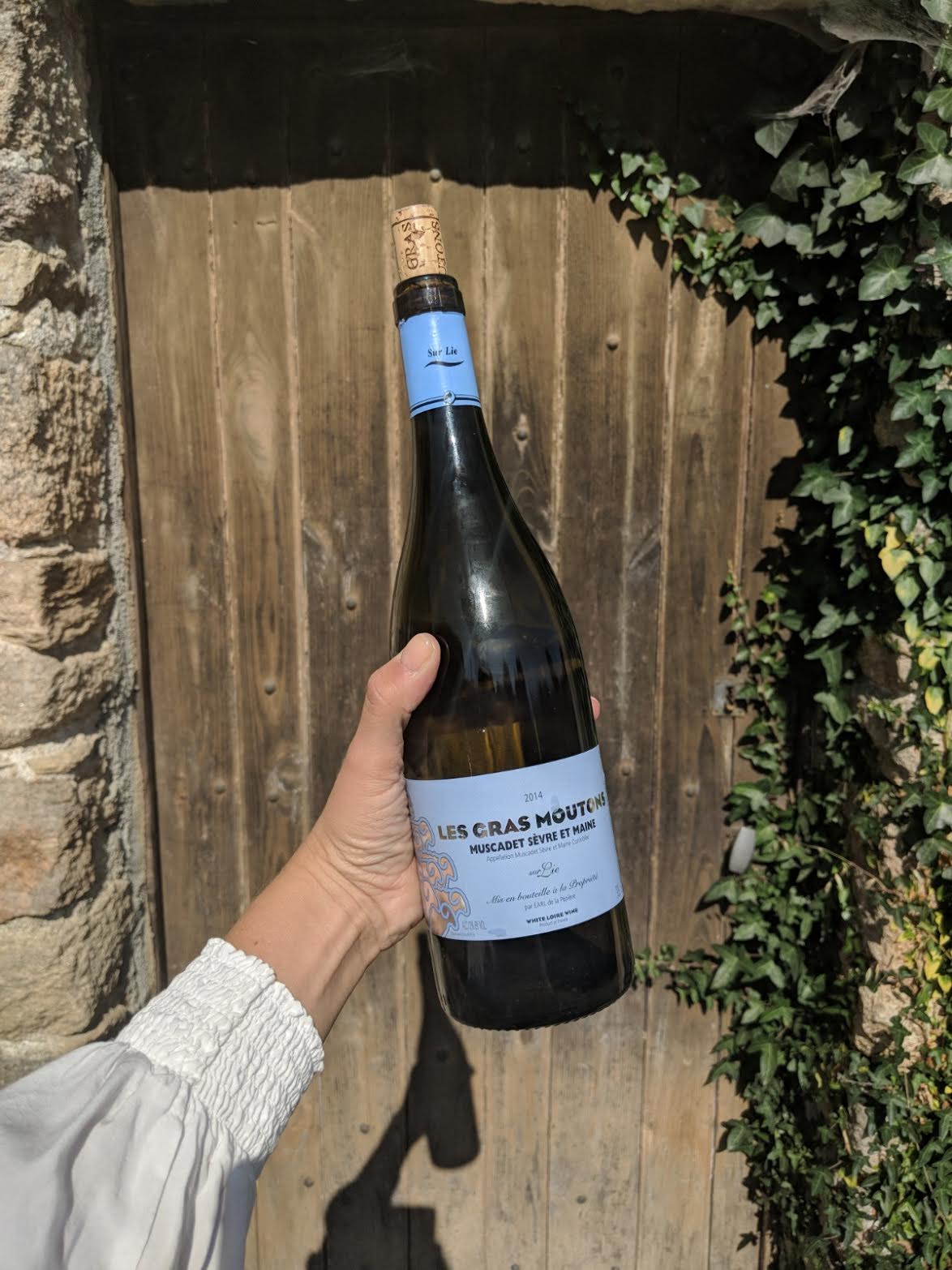
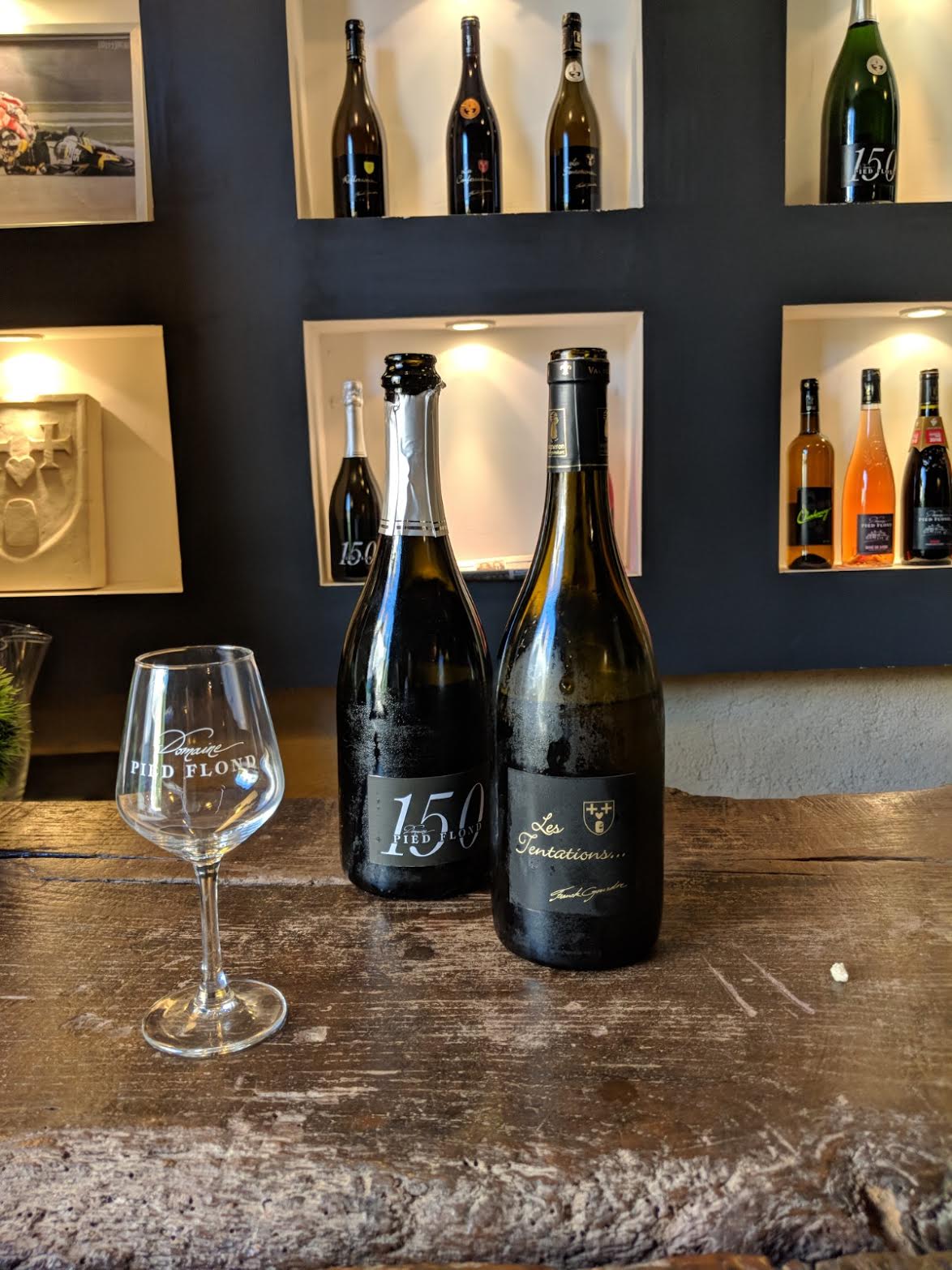
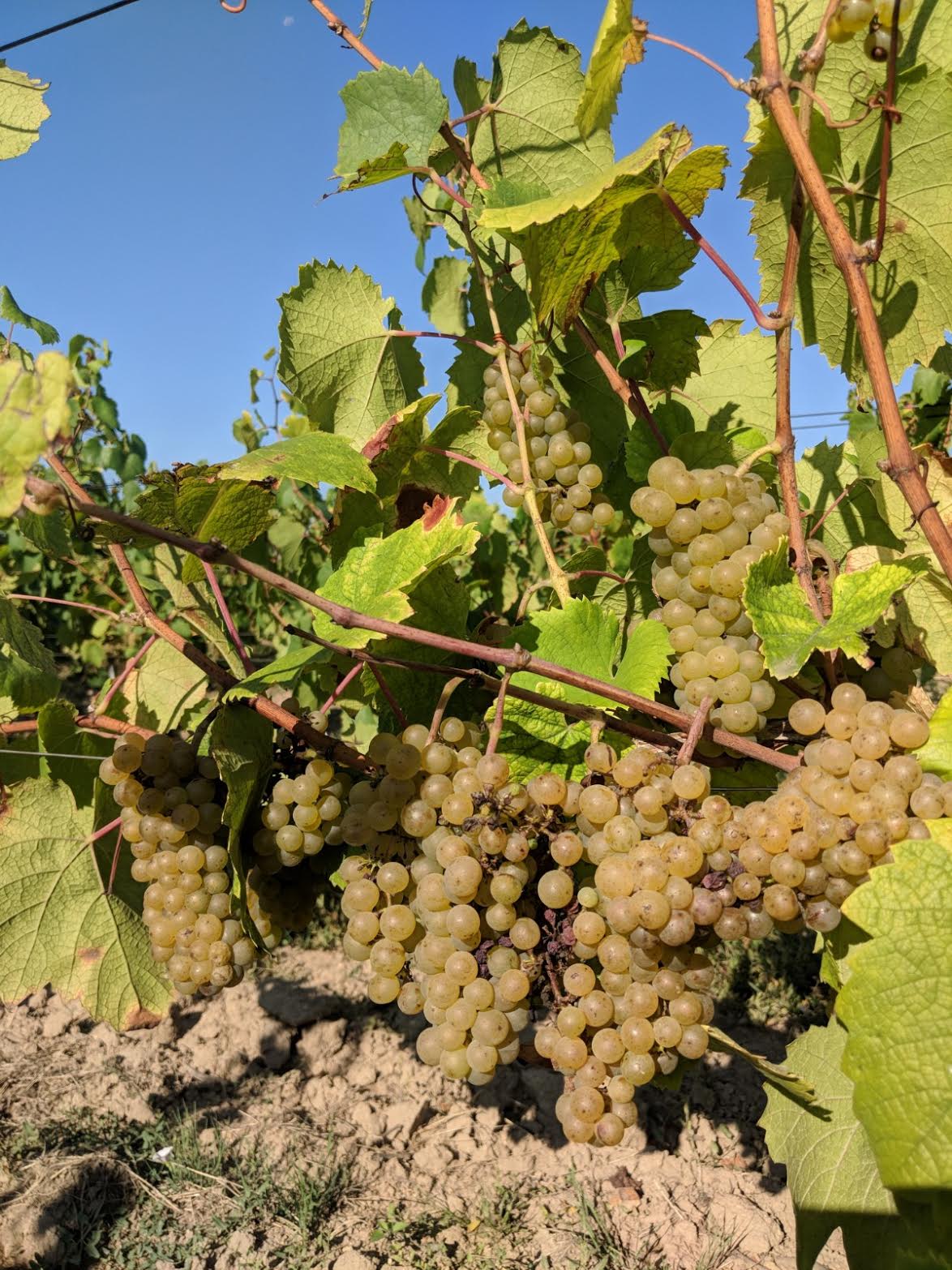
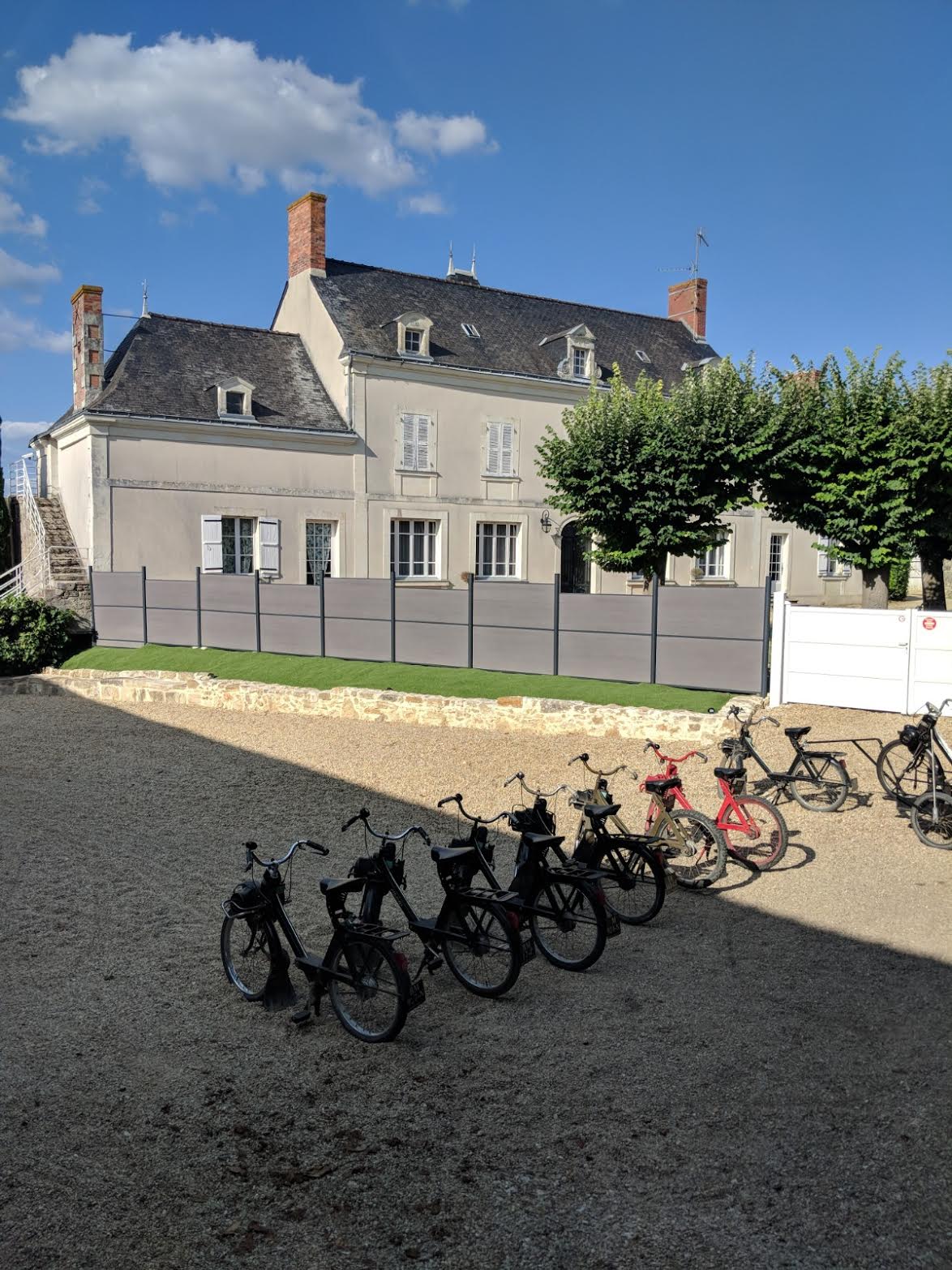
The Perfect Sparkling Soirée
I can always get down on some sparkling cocktails, especially in the summertime. When the east coast humidity starts to roll in, I like to host a Miomosa Party with mimosas and bubbly cocktails. Along with the classic Mionetto Prosecco and orange juice, check out a few of my own, super easy, refreshing and slightly herbaceous Prosecco cocktails below.
Hillary's Italian 75:
- 0.75 oz Bimini Gin
- 4 oz Mionetto Prosecco
- 2 squirts of Lemon Juice
- Lemons for garnish
Hillary's Rosé-cco
- 3 oz Mionetto Prosecco Rosé
- Rosemarry Sprig for garnish
Hillary's Basil Bellini
- 2 oz Fresh Peach Puree
- 4 oz Mionetto Prosecco
- Fresh basil for garnish
I recommend serving in a chilled flute or white wine glass and pairing with a fruit and cheese plate. Happy sipping!
Seven South African Wineries
Last month, I tasted a selection of South African wines from 7 different estates, here were my favorite wines from each.
Rustenberg
This estate is known for their high altitude position in Stellenbosch, and producing wines with elevated acidity. My favorite tasted was the Sauvignon Blanc, with 4-5 months on lees.
MAN Vintners
MAN estate was named after the 3 owner's wives' first initials, Marie, Annete and Nicky. They started making wine together in 2001 and now have grown to produce over 250k cases per year! My favorite tasted was the 2016 Cabernet Sauvignon. This wines is very peppery with leather and incense on the nose. the 2016 Pinotage was also very drinkable and I'm quite picky about this grape.
Joostenberg
Joostenberg is a 5th generation, organic winery in the Muldersvlei district of Stellenbosch. Little J is their entry level label and the 2017 Chenin Blanc had a ton of character. My favorite tasted here was the 2016 Family Blend (red) which has a bit of Touriga Nacional and some Malbec in the blend, which is quite uncommon for South Africa. It was well-balanced with soft tannin and ripe plums across the nose and palate.
Black Elephant Vintners
From the very warm climate of Franschhoek (summers average around 105 degrees), you can already expect some full-bodied wines. Yes, that was the case, but the alcohol was clearly in line. My favorite tasted was the "Nicholas Red" named after the winemaker's son. This big and peppery blend is about 45% Syrah, 21% Carignan, 20% Mourverdre, among others, much like a Southern Rhone style.
DBG
DBG is the 2nd oldest winery in all of South Africa, producing since 1685! My favorite wine tasted was the Boschendal Brut Rosé, made in the traditional method. The blend is Chardonnay, Pinot Noir, as well as about 30% Pinotage. This is the second photo below and my notes included ripe cranberries, blackberries, chalk, bread crumbs and red apple. Delicious!
Ken Forrester
Perhaps the only winery I had previous familiarity with, Ken Forrester has several labels under his umbrella. The Petit is the young vine selection, and I found the Sauvignon Blanc and Chardonnay to be light in body but very varietally correct. My favorite, however was the Old Vine Reserve Chenin Blanc, from is 42 year old vines. This had baked apples, kiwi, ginger and wet soil flavors and kept getting more complex.
Mulderbosch
Mulderbosch winery is focused on land conservation and rehabilitation. They have a very sensible approach to viticulture, considering the vine's environment with each farming action. I was quite impressed with their 2017 Cabernet Rosé, with fresh strawberries and raspberries on the nose. Also, the "Steen op Hout" Chenin Blanc had a range of savory characteristics, as well as tree bark, white mushroom, and fresh parsley. This Chenin was the most Old World in style.
Rhone Recos for the Summer
The Rhône Valley is often known for their infamous reds like Hermitage or Chateauneuf du Pape. In fact, red wine makes up approximately 80% of all wine produced in the Rhône Valley. Since the region's whites and rosés are often overlooked, we're able to find plenty of great value. Lately, however, these styles are being increasingly produced by Rhône Valley vintners and in-turn, the popular his risen on a local, domestic, and international level.
Last week, at Teuwen's "Rhône Work of Art" event, I tasted several whites and rosés from the Northern and Southern Rhône. The tasting was guided by Master Sommelier, Laura Maniec Fiorvanti, who claims the Rhône Valley as her favorite wine region. After working under Laura for over two years at Corkbuzz, I absolutely believe it. She mentioned the commonalities and differences between surrounding regions' whites and rosés. For example, rosé from Rhône tends to have more weight than the traditional style in Provence. Also, Viognier is very much Rhône's white and likely on its own in the north, rather than blended with other grapes in the Southern sub-regions. Read on for my favorites from the tasting.
Whites:
- 2015 Cave de Tain Hermitage Blanc - A very tropical fruit-driven wine, with hints of pineapple, melon and guava. The elevated acidity and distinct minerality made this wine so memorable. At around $75, this might be more of a special occasion wine, rather than summer sipper.
- 2016 Jean-Luc Colombo Saint Peray - This Roussane-Marsanne blend has orange blossom and ripe peaches on the nose. A delightfully long finish, especially at $40.
- 2015 Domaine Bernardins Muscat Beaumes de Venise - The desert wine that will change your mind! Laura urged me to try this, knowing I've never had a sweet tooth. I'm SO glad I took her advice. This naturally sweet wine, or Vin doux Naturel has notes of caramel, candied pear, butterscotch, and preserved lemon. It's perfectly balanced with 15% alcohol. Around $40 retail.
- 2016 Vins de Vienne Villard Gaillard Condrieu la Chambee - One of singular Viogniers I was talking about, from the renowned Condrieu region. Notes of peaches and cream, lavender sprigs, nectarine and granite. Around $60 retail.
Rosés:
- 2017 Domaine Grand Bois Les 3 Soeurs - The most complex $12 bottle you may ever taste. This rosé is a blend of 65% Grenache, 25% Carignan, and 10% Cinsault. Notes of ripe Mcintosh apples, dried oregano, and salted quince arise on the palate. At this price, I could drink it all summer long.
- 2017 Prieure de Montezargues Tavel Rosé - This dark pink wine has raspberries and wet stones on the nose, with a ridiculously long and weighty finish. Around $22 retail and well worth it.
- 2017 Chateau d'Aqueria Tavel - A very full and luscious rosé with blueberries and fresh plums on the palate and dried herbs on the nose. This definitely craves food, with light tannin on the gums. I'd pair it with fish tacos or cod chowder. Just $20 retail!

Kabaj Tasting at Hudson Wine Merchants
"The skin is the stage," Winemaker Jean Michel Morel responds as to why all of his white wines spend between one week and five months on the skins. He describes the varietal as "the performer," as expressing the grape varietal is his focus. Along with showcasing terroir, tasting the purity of the grape is often described as the goal for winemakers. Some enologists however, believe that skin maceration masks terroir. Stetson Robbins, owner of Black Lamb, (Kabaj's importer) assisted at the tasting and pushes back on this notion, "Why wouldn't that be the case for red wine which is almost always macerated?" Tasting the varietal first, skin included, is the intention at Kabaj, and after tasting 8 of their unique and inspiring wines, they are clearly achieving this goal.
Kabaj's vines are located in Goriska Brda, Slovenia, halfway between the Alps and the Adriatic Sea. Brda means "hills," which is precisely how Kabaj's vines are situated, planted according to the varietal. Jean's wines are made "practically natural," as added sulfur is necessary for his production, maintaining his practices with controlled skin-contact. He did mention, however, that each vintage has become increasingly more natural than the last. My tasting notes with Hudson Wine Merchants' retail prices are below.
1.) 2014 Beli Pinot (Pinot Blanc) $26
Crisp and almost neutral, very light in body with a hint of peach and basil on the palate. This wine spent 2 weeks on the skin, with native yeasts only, followed by 2 years in oak, after undergoing full malolactic fermentation.
2.) 2014 Ravan (Tocai Friulano) $26
Tangy, with apples, fresh pears and green leaves on the nose, spending two weeks on the skins before being macerated.
3.) 2014 Sauvignon Blanc $28
Green bell peppers, lemon rind, and river-like minerality, this one reminded me of a White Bordeaux with a touch more spice and spent 1 week on the skins. My favorite if I had to choose.
4.) 2014 Sivi Pinot (Pinot Gris) $28
Very floral, with a touch of carrots, guava, almonds and mustard greens, quite complex and spent 2 weeks on the skins. The color on this one was a beautiful copper (pictured in my hand below).
5.) 2014 Rebula $28
This is "Yellow Rebula," or Ribolla Gialla. A very orange color with a hint of burnt cashews and black tea on the nose. The tannins are apparent after spending 30 days on the skins in large oak vats, followed by 2 years of aging in oak barriques.
6.) 2007 Amfora $66
Extremely perfumed and complex with notes of blue cheese, truffles and sherry-like flavors. This is a blend of Friulano, Rebula and Malvasia, each spent 1 year on the skins (separately) in Kvevri. The kvevri is wood-fired at a low temperature and lined with beeswax as not to soak into the ground.
7.) 2012 Merlot $45
Plums, earth, mushrooms, this reminded me of Cabernet Franc a bit, minus the cherry red color and soft, balanced tannins. Jean's Merlot comes from one of his highest, steepest vineyards.
8.) 2009 Cuvee Morel $50
This Bordeaux blend of Cabernet Franc, Petite Verdot and Cabernet Sauvignon tastes a lot like high quality St Julien with notes of leather, soil, pine and eucalyptus. There is a pretty, perfumed quality on the very long finish, and the wine spent two years in barrel.
What other winemaker is showing their 2014 whites right now? These are clearly very special wines, well above the so-called Orange Wine fad. Jean suggests enjoying these wines cool, not cold in the summer and just below room-temp in the winter. He recommends drinking from a coup, rather than a white wine glass, as it coats the whole mouth, from each end. These wines pair with several types of dishes, due to the savory qualities. Jean recommends pork belly, dry aged meats, even Asian cuisine.
Discovering Bulgaria Through Four Wineries
I visited Bulgaria for the second time, on a wine tour with Brand Marketing Organization, World Wines. There wasn’t an ounce of hesitation on returning to the country, after falling in love with the ancient cities, unique traditions, breathtaking landscape, and of course, the wine.
Once inhabited by the Thracians, Bulgaria has evidence of winemaking since 4000 B.C. It wasn’t until the collapse of communism in 1989 that the country was able to transform the market, however. Growers and wineries were now able make higher quality wine for local and international consumption, opposed to the bulk that was produced almost entirely for Russia. Subsidies and grants were issued for winemaking vessels, oak and other necessary equipment. Lately, however, this has been reduced, as the government is reserving most funding to the production of food rather than alcohol.
We explored the Danube Plain as well as the Thracian Valley on this trip, tasting wines made by respected producers of local and international varietals. In order, the four wineries we visited are: Bratanov Winery (South Sakar), Salla Estate (North Black Sea), Tsarev Brod (North Black Sea), and Chateau Burgozone (Danube Plain). Each unique with their own terroir and winemaking styles, comparing them provided me with an understanding of Bulgarian wine as a whole.
1.) Bratanov Winery, Eastern Thracian Valley
Bratanov is a family-run project established in 2010 by a father and his two sons. They produce wine from their owned 24 hectares only, operating out of a rented warehouse just outside the town of Harmanli. Their no-frill facility allows the family more of a budget to hire knowledgeable staff. This includes Bulgaria’s “2016 Young Winemaker of the Year,” Maria Stoeva, who graduated in Dijon, France. A relatively new winery, 2011 was the first vintage (and historically their best to date). Today, Bratanov is producing approximately 60,000 bottles per year.
With the purity of terroir as their goal, Bratanov has focused to reduce enzymes and they don’t cold stabilize any of their wines. They are most known for working with wild-fermented yeasts since 2016, and only filter their white wines. Their vineyards were filled with quartz along the chunky, rough soil, a bit exhausting to walk through. It was also around 78 degrees at 4pm in early May, quite unlikely for this time of year.
The tasting included the recent releases of Chardonnay, Merlot, Syrah, Cabernet Franc as well as Tamianka, which better known as Muscat Blanc. The 2016 vintage of Tamianka was probably my favorite, with slate minerality, smoke and a touch of florality on the nose. The unoaked 2016 Chardonnay was also fantastic, with hints of green apple and elevated acidity. We spoke a lot about the impressive acidity, when considering that this region is Bulgaria's warmest. Hristo Bratanov is one of the sons and primarily responsible for the vineyards. He explained how he's noticed that the skins of the grapes tend to thicken up when they get hot, going into a “freak-out mode,” desperate to retain the acidity inside. Of their red wines, my favorite shown was the 2015 “3 Blend” is just that, with Cabernet Franc, Merlot and Rubin (a crossing of Nebbiolo and Syrah created in the 1940s) making up the blend. As a new winery, they are constantly experimenting with blends. After tasting Rubin on its own, the tannins are quite rigourous, with espresso and stewed plums on the nose, which is why I personally prefer it in a blend.
2.) Salla Estate, North Black Sea
Award winning winemaker Anelia Hristakieva focuses on a very small production of Chardonnay and Riesling, among a few other white grapes. Due to their unique terroir, the winery produces very little red. The vineyards are just 3 kilometers from the winery in the village of Blaskovo, with a few very steep hillsides planted to Sauvignon Blanc and Riesling under sandy, clay soil. They are also producing Traminer, or Gewürztraminer which, apparently, many locals think is a Bulgarian grape due to the extensive history of plantings throughout the country. The locals also tend to enjoy oaked whites, which is why Anelia decided to oak-age some Riesling, an experiment that has gone over quite well. Anelia never uses malolactic fermentation for her whites, as to express each varietal without interference. The 2017 vintage was warm, but not hot, leaving the wines with slightly more fruit and structure.
From the whites tasted, I was most enthused by the Vrachanski Misket, a rare grape produced by less than 1% of the country's wineries. With white pepper, violet and spice, it quickly reminded me of Grüner Veltliner, especially due to the high level of acidity. Also quite intriguing was the 2017 rosé, which is a blend of Pinot Noir and Cabernet Franc, vinified separately. The delightful pink wine was full of herbaceous notes and ripe, red fruit. With relatively low alcohol and a gorgeous color, much of the group was in unison regarding the freshness and balance of this wine. Salla's 2015 Cabernet Franc was quite impressive as well, immediately reminding me of high quality Right-Bank Bordeaux. The 2013 vintage was rated #2 for Best Wine on Bulgaria by Di Vino Magazine (Bulgaria’s most respected wine publication). Along with wine tasting, the estate offers a guest house, horseback riding and hiking. This winery is an model choice for international tourists.
3.) Tsarev Brod, North Black Sea
Planted in 2001, Tsarev Brod primarily sold their grapes to other wineries until their first vintage, 2015. In the 1970s and 1980s, their 27 hectares were part of a cooperative, but there were far fewer vines as the Russian tractors were double the size that they are today. 15 of the 27 hectares were completely replanted, and the owners, Ivan and Svetla Ivanov remained patient while the vines aged to reach their full potential.
At 250 feet above sea level, the only reds they're producing are Pinot Noir and Evmolpia (a crossing between Merlot and the local Mavrud). Cool climate white grapes do best here, like Riesling, Sauvignon Blanc, Chardonnay, and Gergana, (a hybrid between Muscat Otonel and Dimyat). The acidity in the Sauvignon Blanc was arguably the highest among Bulgaria’s wineries at 9.5%. They did a partial malolactic fermentation to mute that down to 7.5%, which is normal for most vintages. Winemaker, Nikolai Krastev keeps his facility extremely organized. All of the tanks he uses are identical sets of two, ranging in size so they’re always completely full without oxygen. He’s also partial to neutral oak, and just 10% of their barrels in the winery were new. In fact, most of his Pinot Noir is unoaked.
The tasting consisted of high acid whites, a crisp rosé, a few reds from Pinot Noir, and a Riesling Pet Nat. The Pet Nat was bottled at 35 grams of sugar and very much enjoyed by all. My notes on this one included lemon rind, white flowers and slate, coming in at just 11.5% alcohol. My personal favorite, however was the Gergana with tart pears, fresh hydrangeas and flinty minerality. The Pinot Noirs we tasted had a bit more black fruit than red, which was unexpected. As for the Pinot Noir the 2015 vintage was my favorite, with lavender, pine, fresh raspberries and cocoa, as this one had approximately 10% new oak.
4.) Chateau Burgozone, Danube Plain
In the continental climate of Northern Bulgaria, Chateau Burgozone is located along the Danube River, overlooking Romania. Between 150 and 180 meters above sea level, the estate is situated in a moderate micro-climate, with four distinct seasons. The nights are a bit cooler here, as the region is influenced by the Danube river, but the sunny days balance the climate perfectly.
Soil specialist, Dr. Penkoff described this as one of the two best regions for wine production in Bulgaria. This region was always popular for grape growing, as the cities were much more populated then. The Danube River was a highly commercial route, full of boats. Today, you might see one or two every afternoon. When Burgozone purchased the property in 2001, it took almost 5 years to rip out everything. The vines were wild and crazy, offering very little in terms of fruit.
Co-owner and Executive Director, Biliana Marinova described the selection process when her family was preparing to plant the vines. The estate received clones from Burgundy and started from scratch, figuring out which varietal does best in their newly purchased soil. Based on the terroir, international varietals Sauvignon Blanc, Chardonnay, Pinot Noir and Cabernet Franc were among the most planted. The local Tamianka and Gamza were planted 2 years ago and this year will be the first harvest for both varietals. The estate produces approximately 250,000 bottles per year. Biliana explained that the vines were very happy, producing tons of fruit after 25 years of the soil being covered in vegetation. Today, the average age of the vines are 10 years old, and the estate produces approximately 250,000 bottles per year.
The tasting at Chateau Bugozone was designed with food pairing in mind, to showcase the versatility of their wines. We started by tasting a very refreshing and unique 2017 Viognier with a hint of honey and roses across the palate. This was very French in style, remaining slightly restrained and elegant. The estate has two labels, Cote du Danube (selection) and Via Istrum (premium). The difference is the sur-lie aging, one month for Cote du Danube and three months for Via Istrum. The 2017 Via Istrum Chardonnay is unoaked, slightly nutty, with golden pears on the nose and paired perfectly with foie gras. Interestingly, Bulgaria is one of the largest producers of this delicacy. Both Pinot Noir and Cabernet are made for the Cote du Danube and Via Istrum labels. There is also a Cabernet Franc made for the Via Istrum label, which was my favorite red. My notes for this one included bay leaf, blueberry and bell pepper seeds, also quite French in style.
Now the question arises on when we’ll get to see more Bulgarian wine in the USA. With Bulgaria’s progression toward natural and organically produced wine, as well as their shift toward high quality, the possibilities are literally endless. At a jaw-dropping value, Bulgaria is currently exporting to several US states, including New York. I highly suggest reaching out to the importers in your area and tasting the wines I mentioned. Better yet, take a trip to these magnificent regions, explore ancient cities like Sofia and Plovdiv. Don’t forget to try the foie gras as you sample the many styles of Bulgarian wine.