Sommelier in Sonoma
It was an honor to experience the incredible and informative Signature Sonoma Valley events this year. From tasting 4 different Zins from the 130 year old Bedrock vineyard to a Hanzell retrospective that included Pinot Noir and Chardonnay dating back to 1977, I was fortunate to be a part of this unique and memorable weekend. With deep history and varying styles, I truly believe there's a Sonoma wine for everyone.
WHERE I STAYED
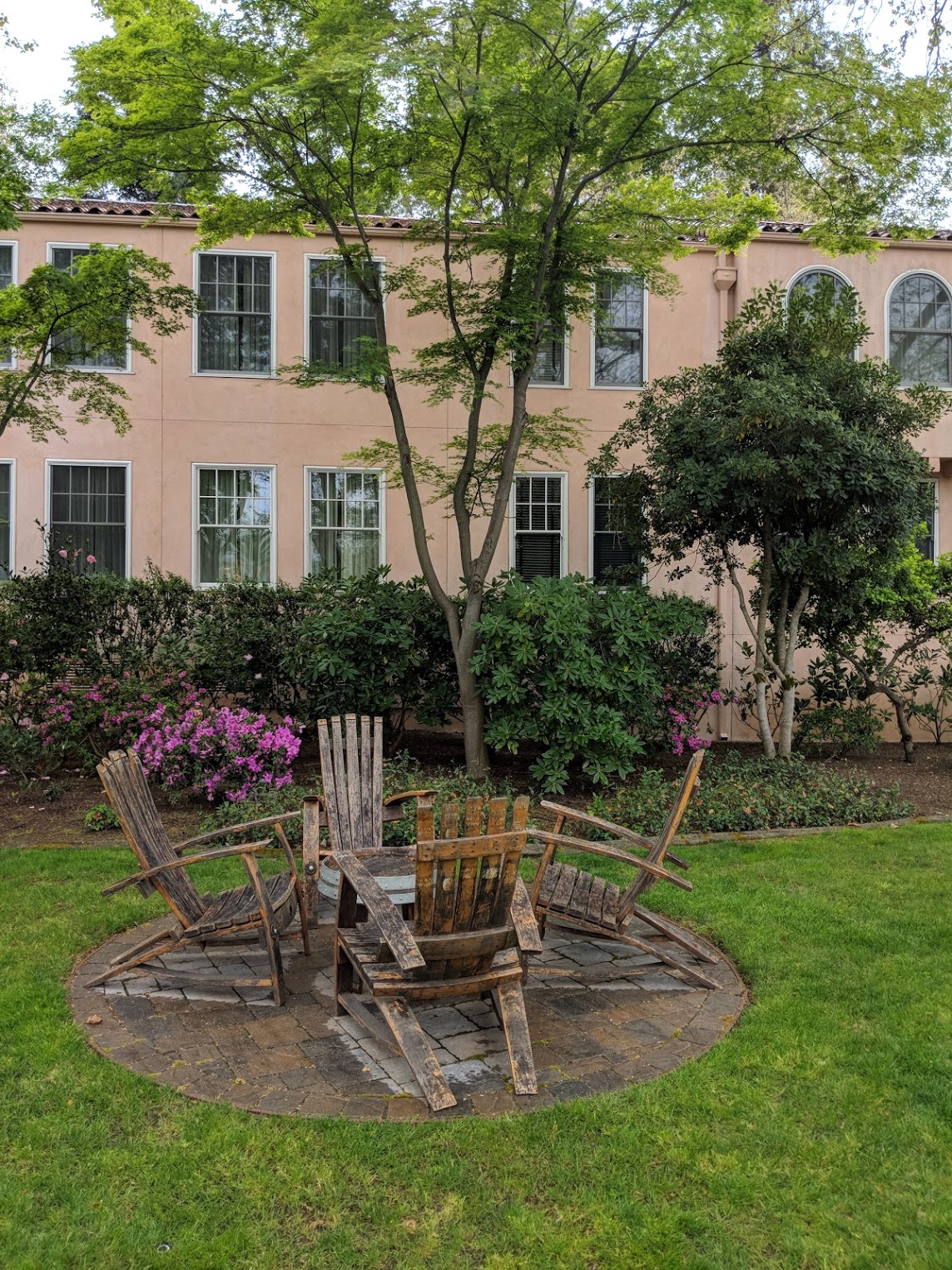
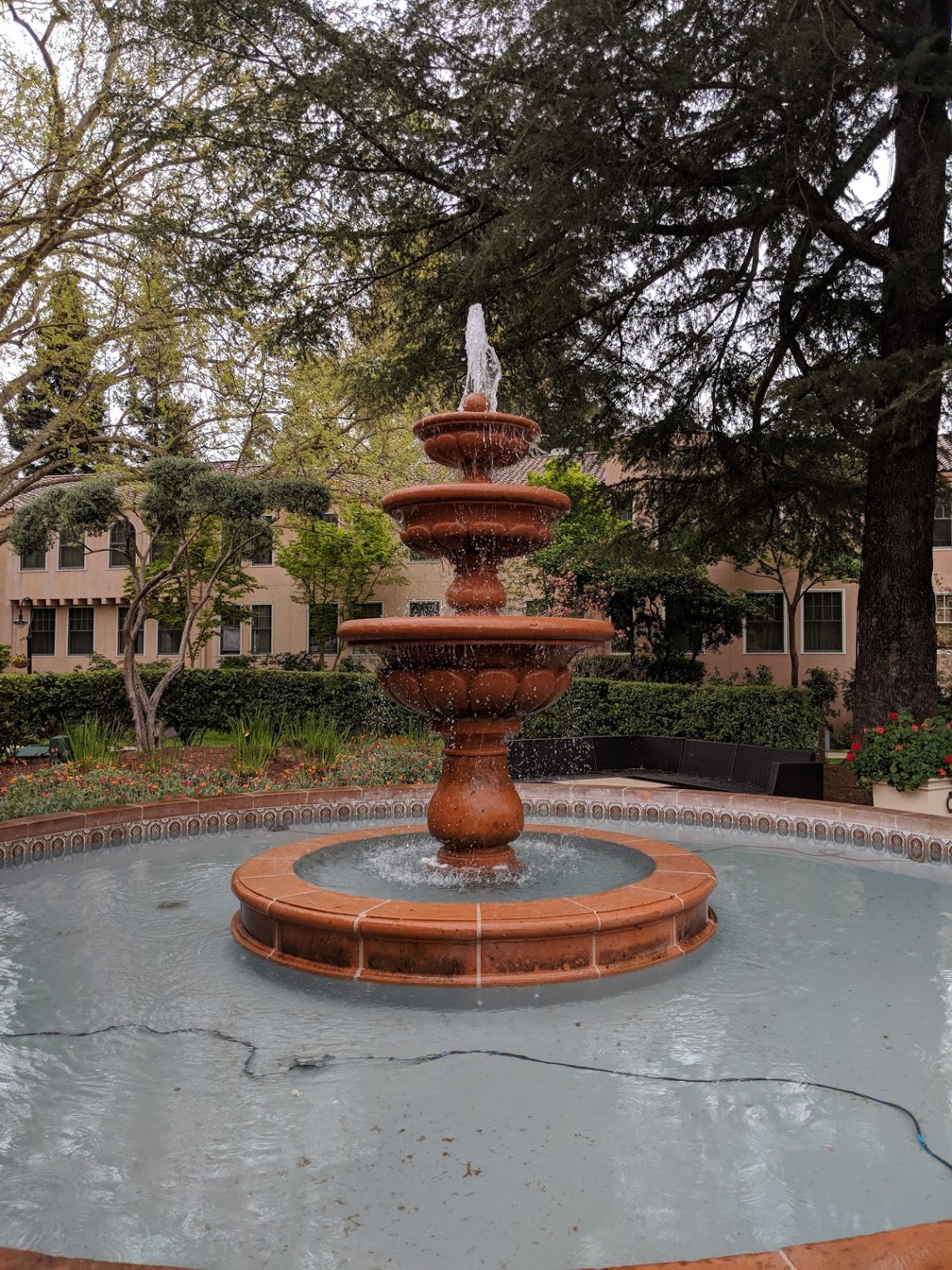
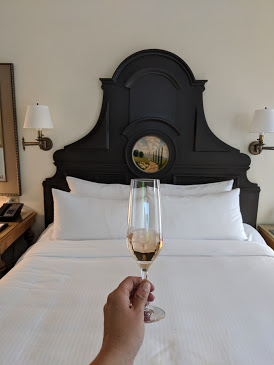
The Fairmont Sonoma Mission Inn
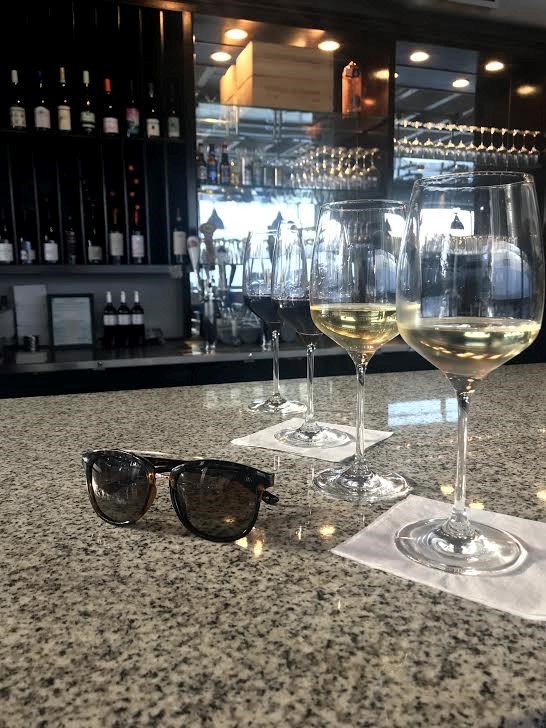
This historic hotel has been fully renovated, and become widely known for the spa. While we were busy tasting and touring vineyards, I was able to experience a lot of what The Fairmont had to offer. First, the magnificent bar, 38 Degrees. This chic lounge had around 50 wines by the glass, from local Chardonnay to international Amarone and Rioja. Of course, you could always opt for a 6 oz glass of Screaming Eagle if you don't mind shelling out at around $800.
My favorite feature at the hotel was the daily tastings they have at 4:30pm, led by a different winery in Sonoma. I had the chance to taste 5 wines from Roche on Thursday and 4 from Whitehall Lane on Saturday while chatting with the winemakers.
The hotel's restaurant, Santé had a huge breakfast menu that made ordering super difficult, in the bright and chic space. The popularity of this restaurant was evident all weekend, especially for dinner.
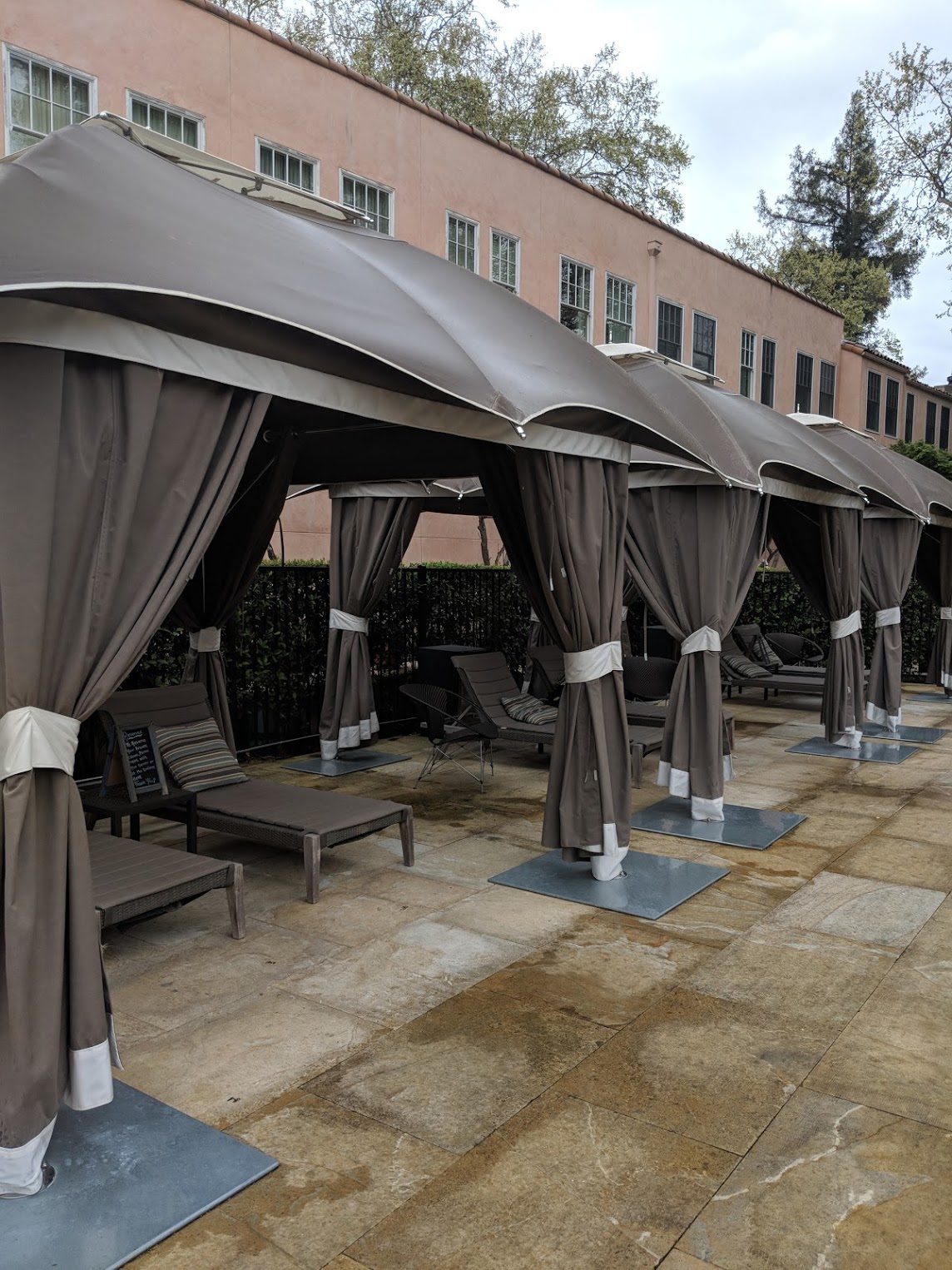
The large pool with cabanas and a calming fountain was the best place to relax after a long day of tasting.
DAY 1
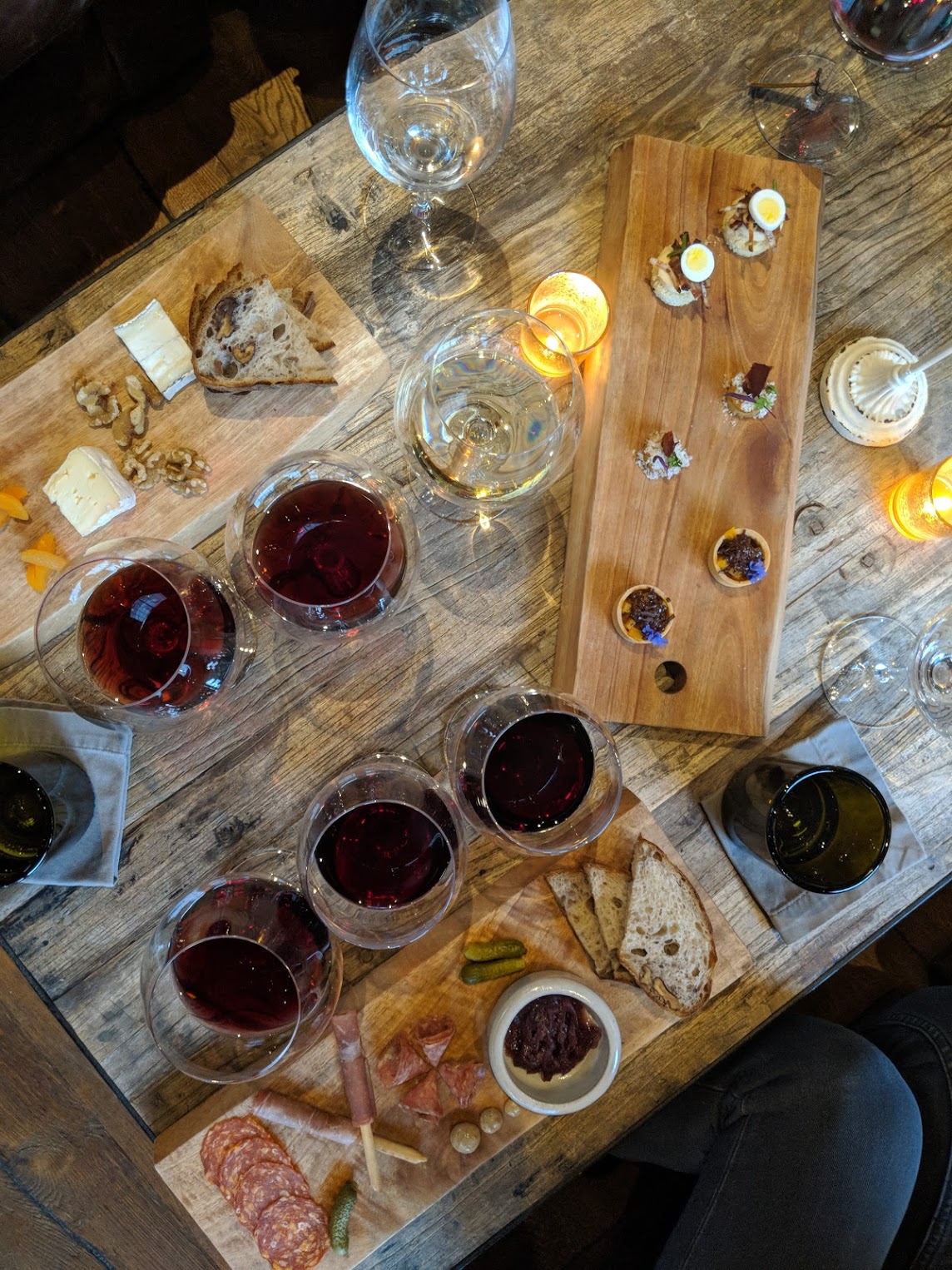
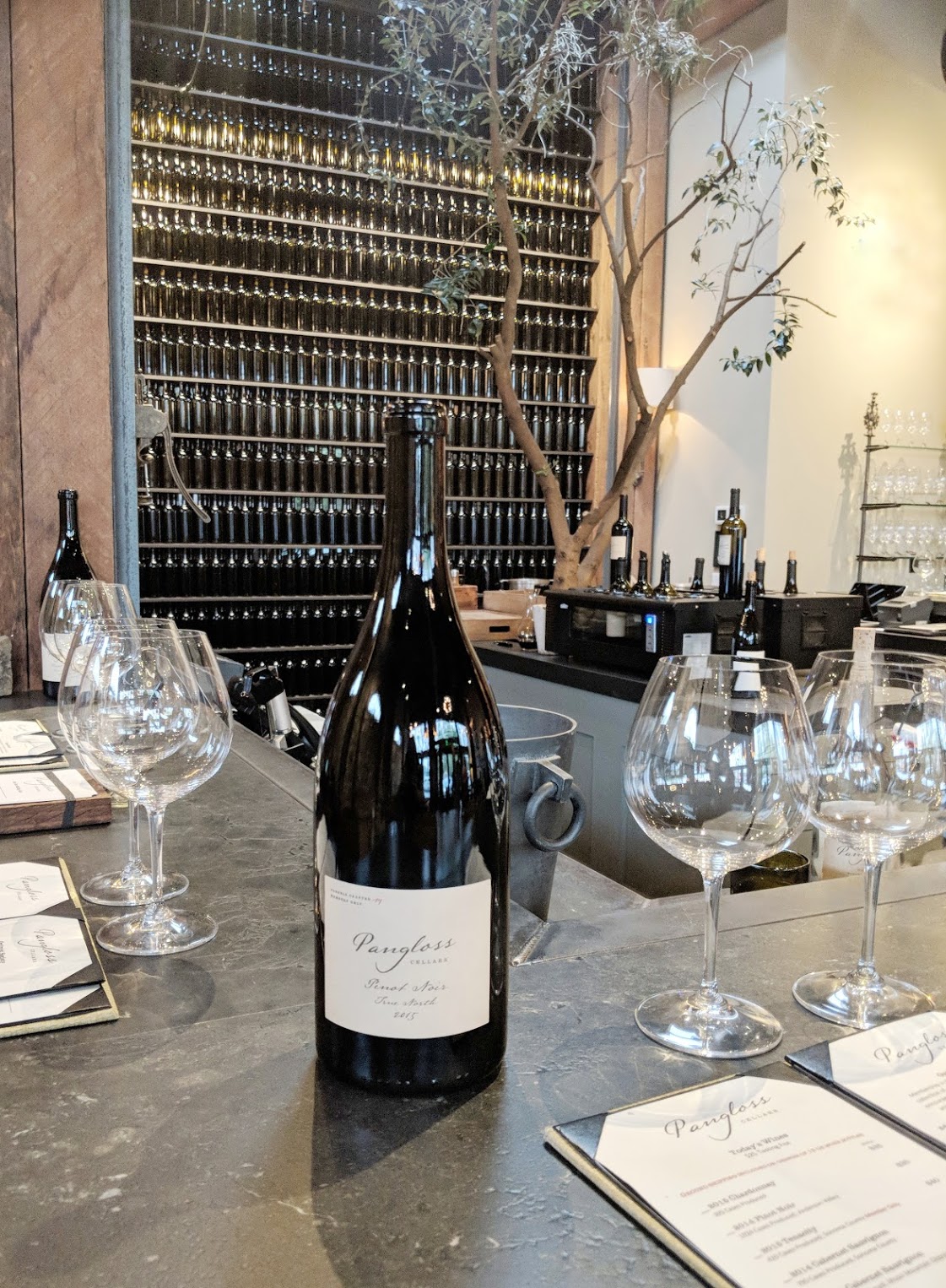
Arriving a bit late in the day, we arrived at Pangloss Cellars in downtown Sonoma for a seated tasting. Their selection ranged from Chenin Blanc and Chardonnay to single-vineyard Pinot Noir and seriously smooth Zinfandel. Each of the flights were selected to go with the chef's cheese selection, charcuterie plate, or canapé assortment. One of the most impressive wines for me was the 2014 Pinot Noir, Charles Vineyard which had a perfect balance of red fruit, fresh herbs and a hint of earth-driven wet soil.
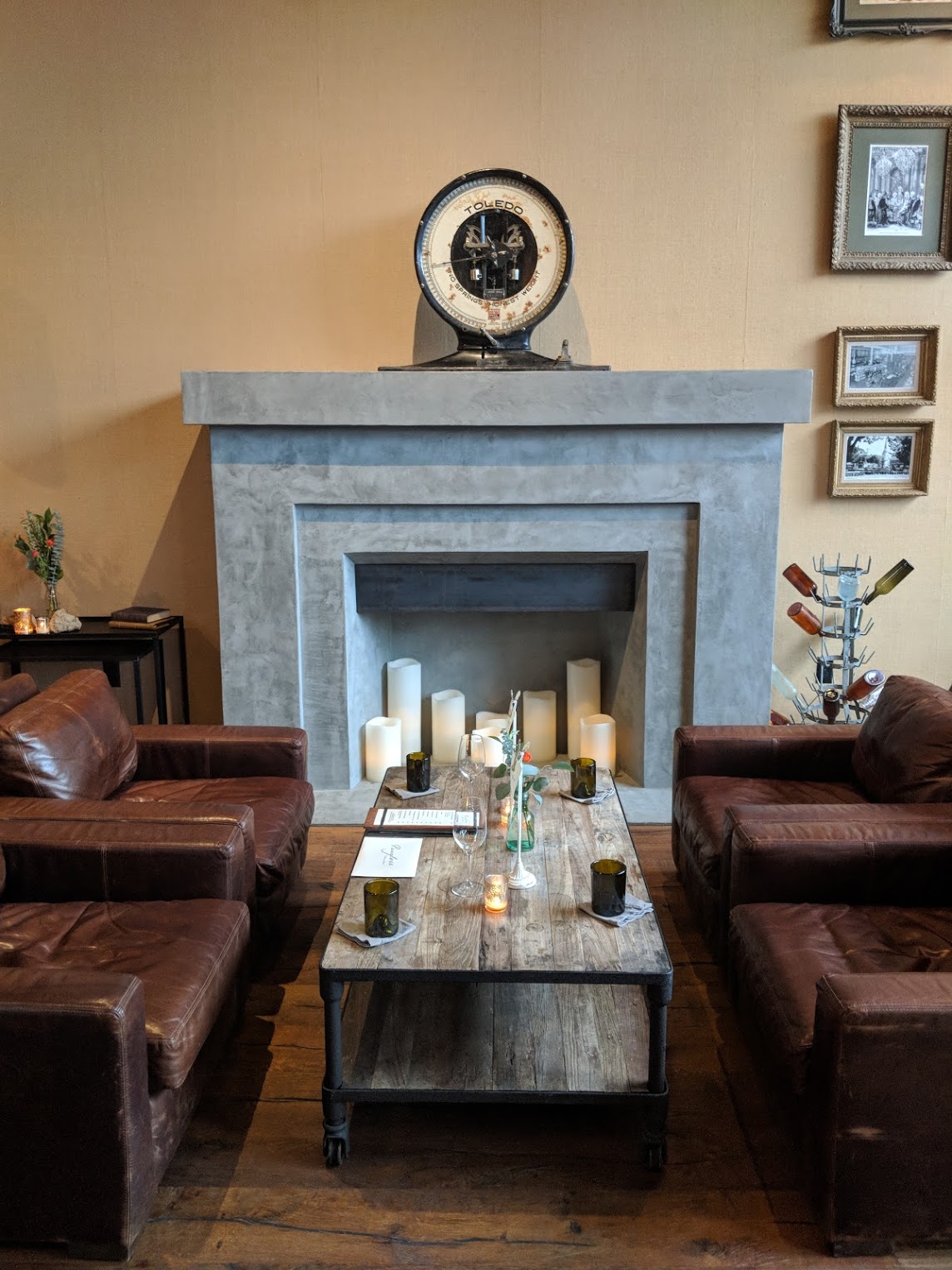
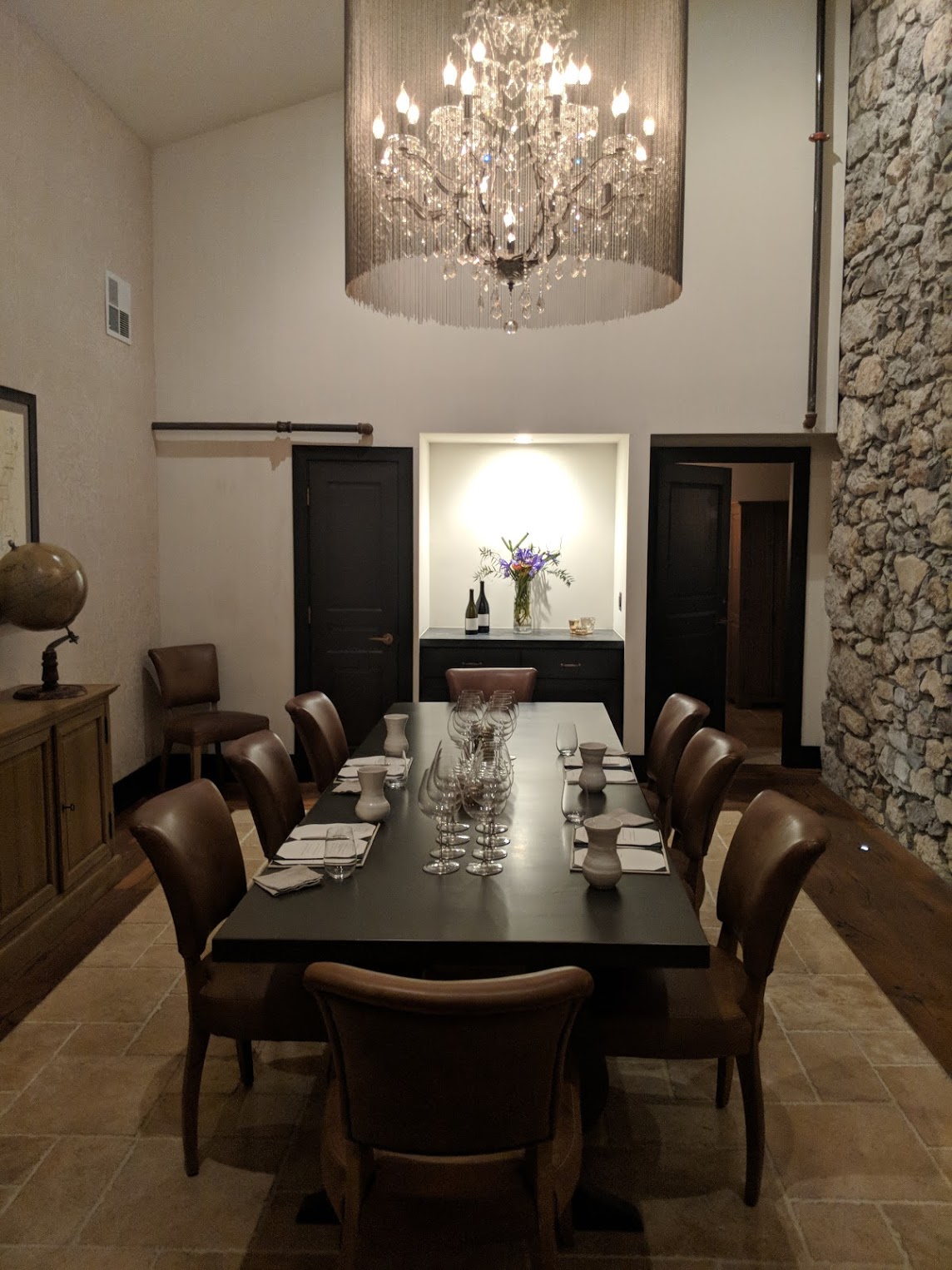
The newly renovated Tasting Lounge was magnificent, with two private rooms, perfect for intimate tastings and gatherings. The bar area was welcoming and comfortable, with unique plants, vintage-inspired furnishings, and soft candle lighting.
DAY 2
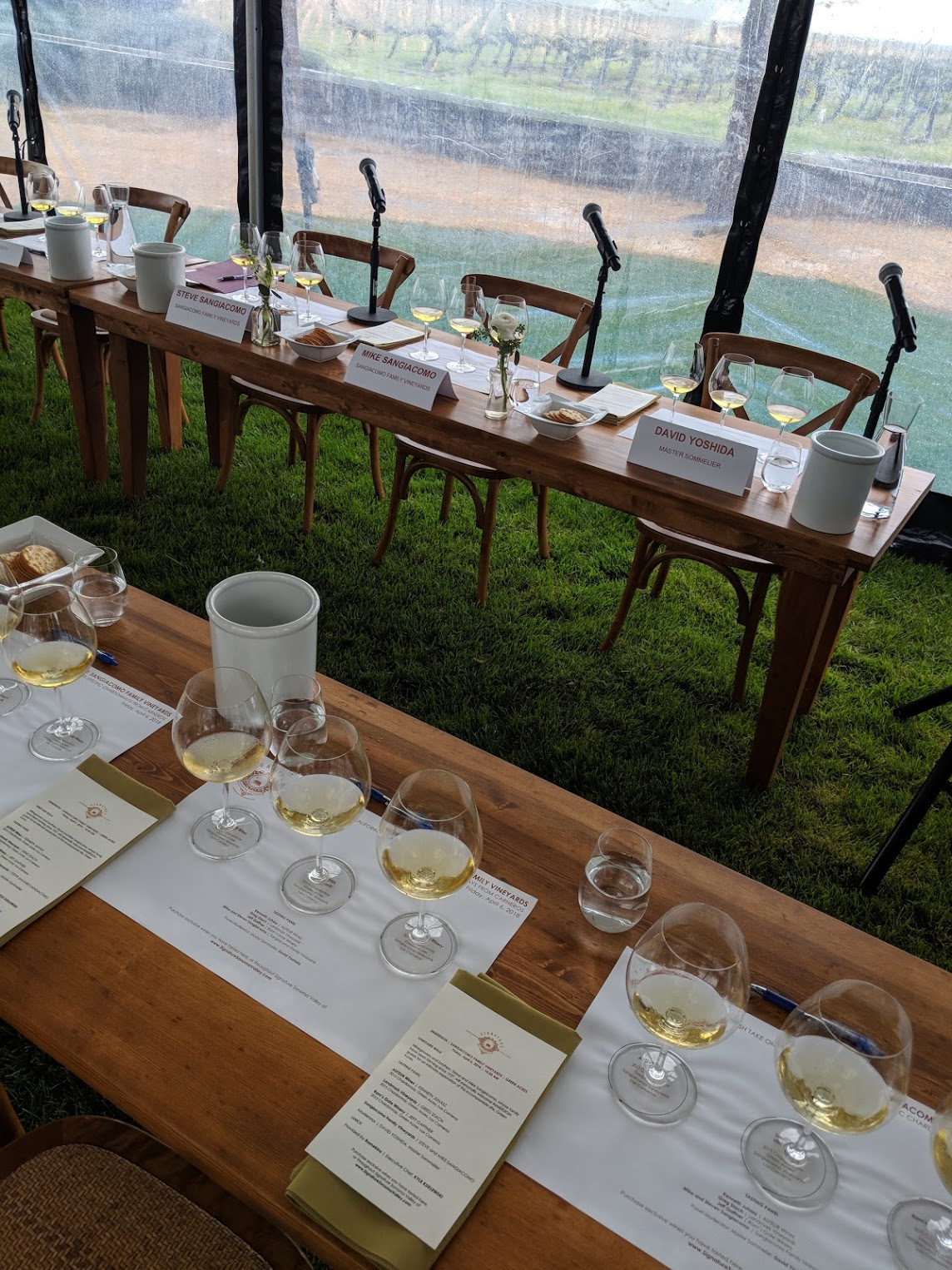
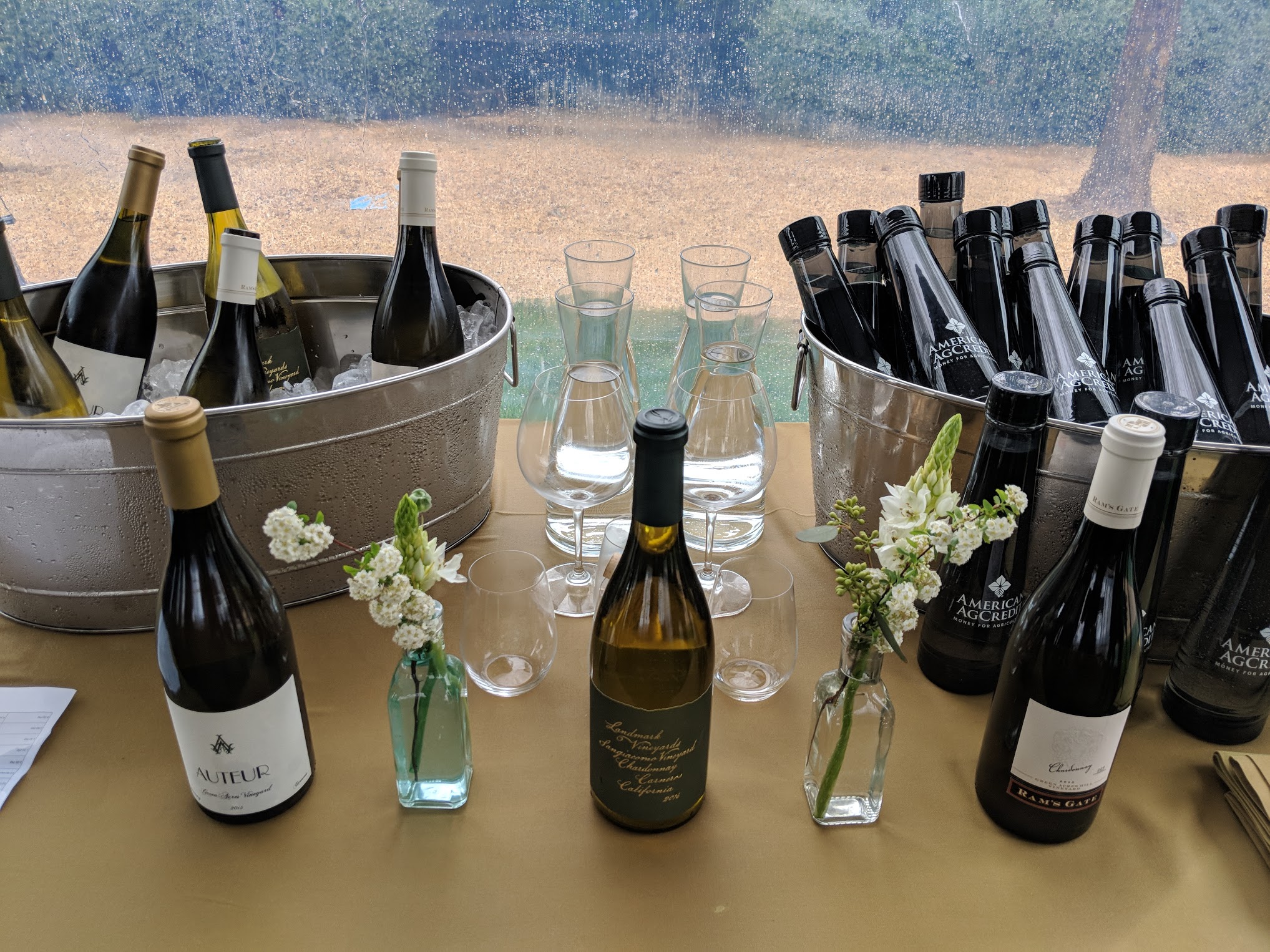
Bright and early, we ventured over to Sangiacomo Vineyards for a moderated tasting and lunch. The Sangiacomo brothers have been managing their family's vineyards for decades, selling grapes to Sonoma's best. Here, we were able to taste 3 producer's (Auteur, Landmark and Ram's Gate) own rendition of 2015 Chardonnay, from Sangiacomo's Green Acre Vineyard. While made in several different styles, each were brilliant in this tasting, moderated by Master Sommelier David Yoshida.
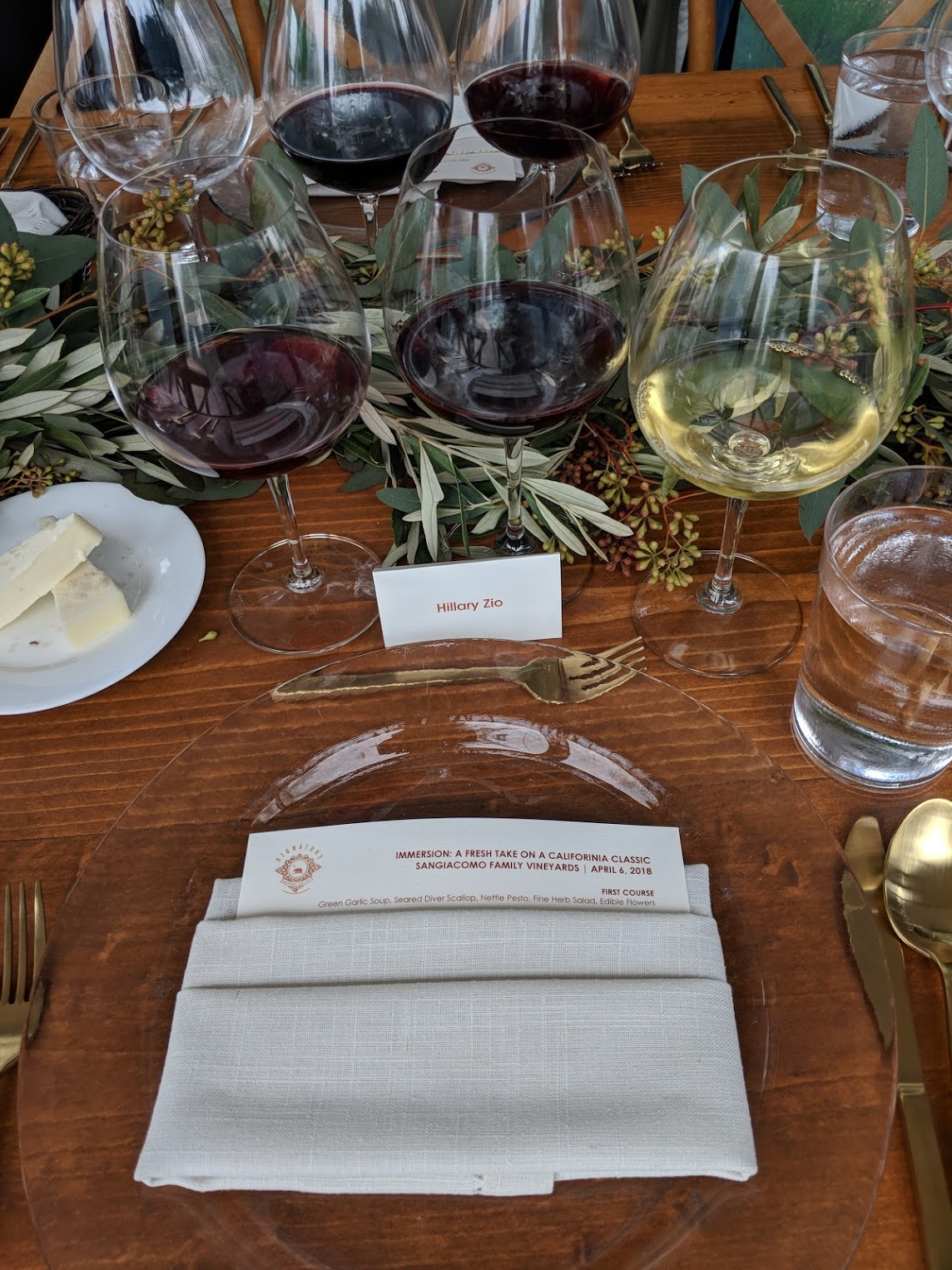
Lunch by Ramekin was almost as delicious as the wines, with a Green Garlic Soup and Seared Diver Scallop and an Herb Crusted Lamb Ribeye with a Fava Bean Puree and Spring Vegetables.
Then, we hopped over to the Renaissance Hotel for Immersion: The Birthplace of CA Wine Seminar. A few of the standout wines for me included: Ordaz Family Wines, Buena Vista Winery, St Francis Winery, and Kenwood Vineyards. Kenwood brought their 2013 Cabernet from Jack London Vineyard, which had a slightly licorice, cola, and musk on the nose, finishing quite floral. This was probably my favorite, but the 2014 Ordaz Zinfandel from Montecillo Vineyard came in right behind. This one had green bell peppers and pitted cherries on the nose with a hint of coconut on the finish.
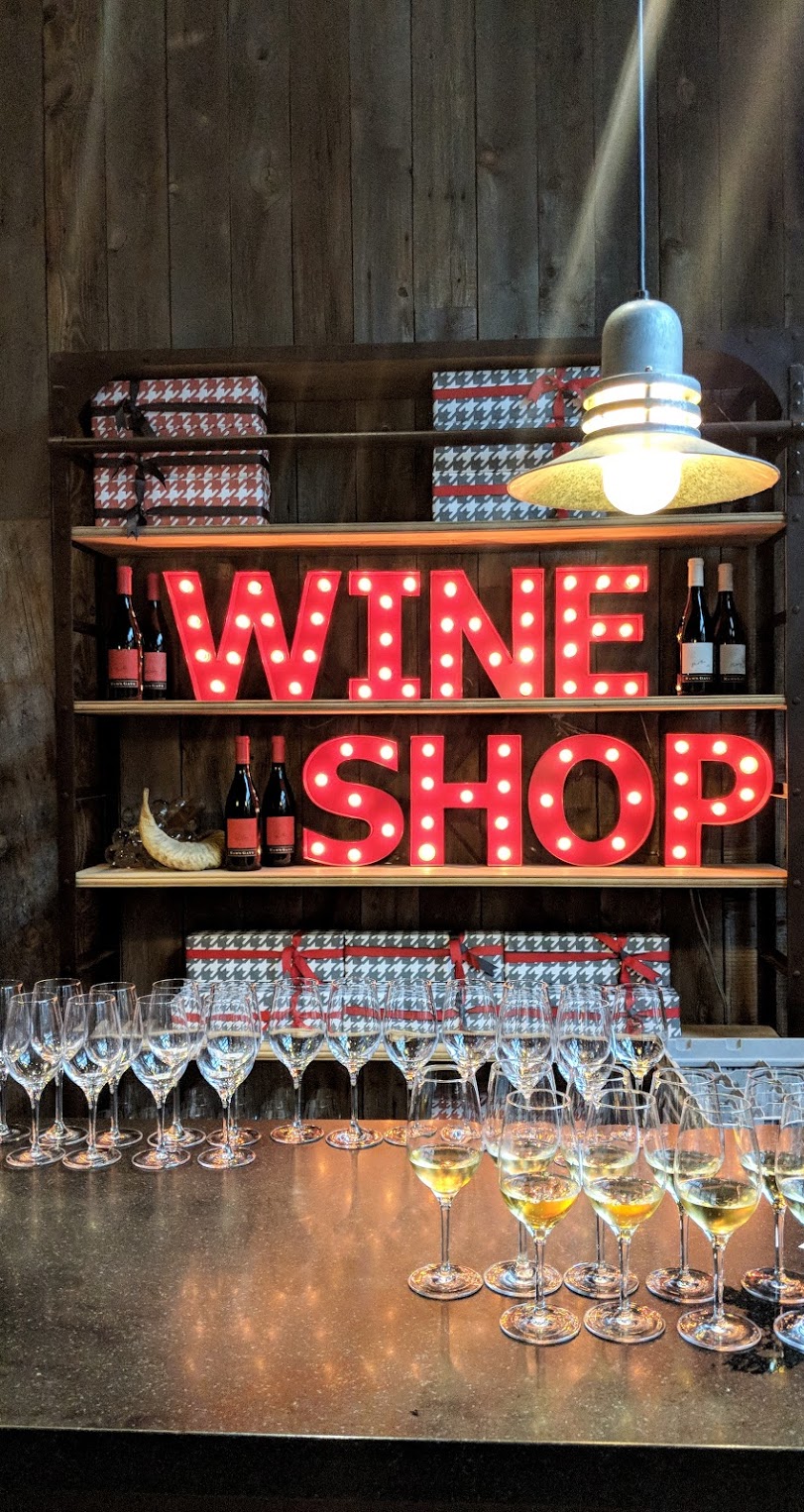
Around 4:30 we left for dinner and a walk-around tasting at Ram's Gate Winery. To say that this winery is stunning is a complete understatement. Open and airy with a massive entrance and hugely tall ceilings make walking inside an experience in itself. Some of the most memorable wines tasted during the walk-around were: Jacuzzi's 2014 Bordeaux Blend, with a clear nod to the old world and a hint of wet soil and clay-like texture, GlenLyon's 2015 Estate Syrah with ripe plums, vanilla bean and a hint of sage on the nose, and Belden Barns' Gruner Veltliner, which tasted like a ripe grapefruit with hints of pine and broccoli.
Day 3
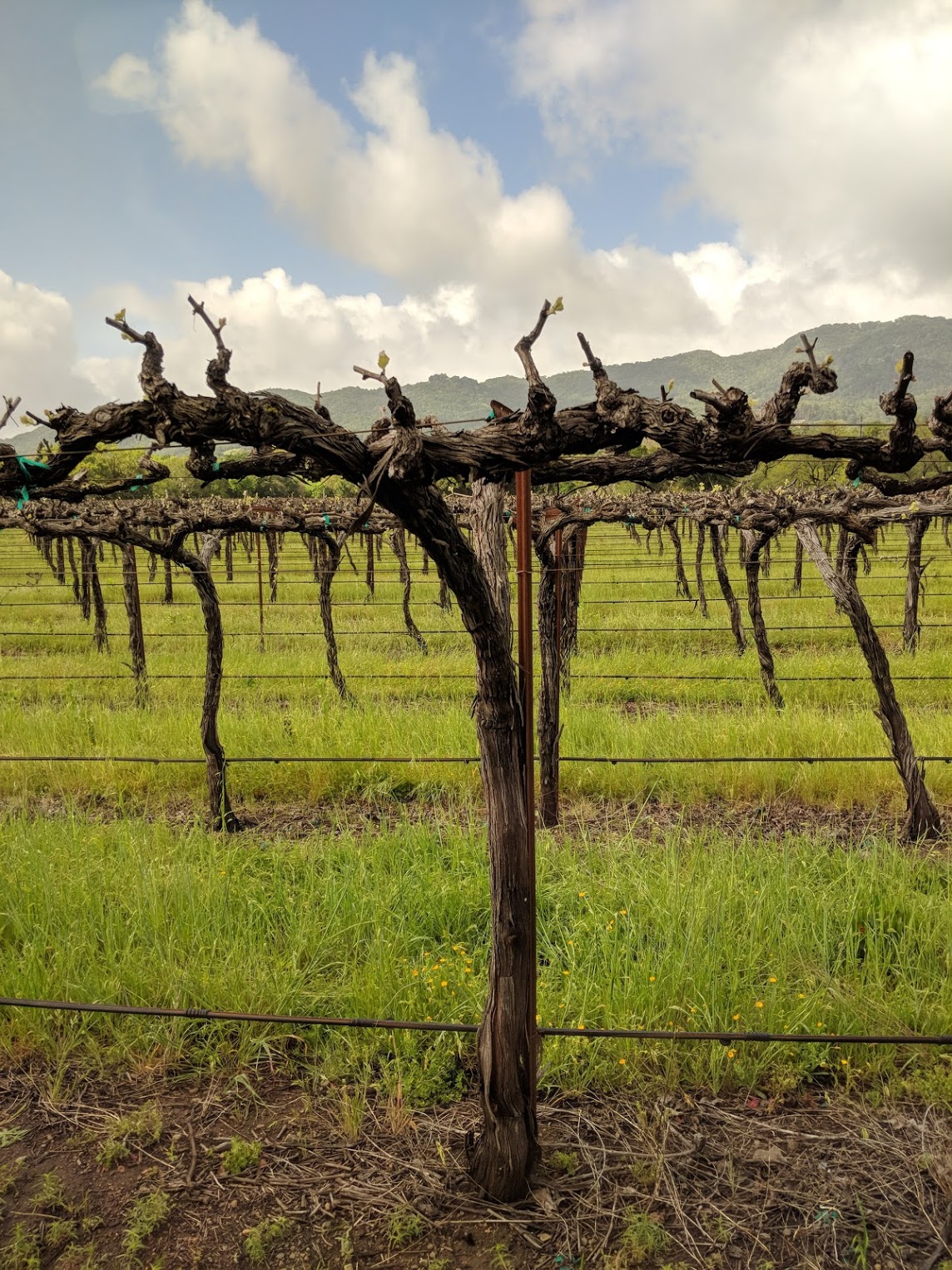
The day started with a vineyard walk, led by founding vintner of Ravenswood winery, Joel Peterson. We were thoroughly amazed by the 120+ year old Bedrock Vineyard. Before Joel purchased the vineyard in the 60s, the previous owner was prepared to rip everything up and plant Cabernet Sauvignon. Today, he and his staff (including son Morgan-Twain Peterson, a Master of Wine), have discovered dozens of unique varietals on the property. Some of these include Mondeuse, Peloursin, Serine, Grand Noir de la Calmette and Negrette. This is now one of the most historically and qualitatively gilded plots in Sonoma Valley.
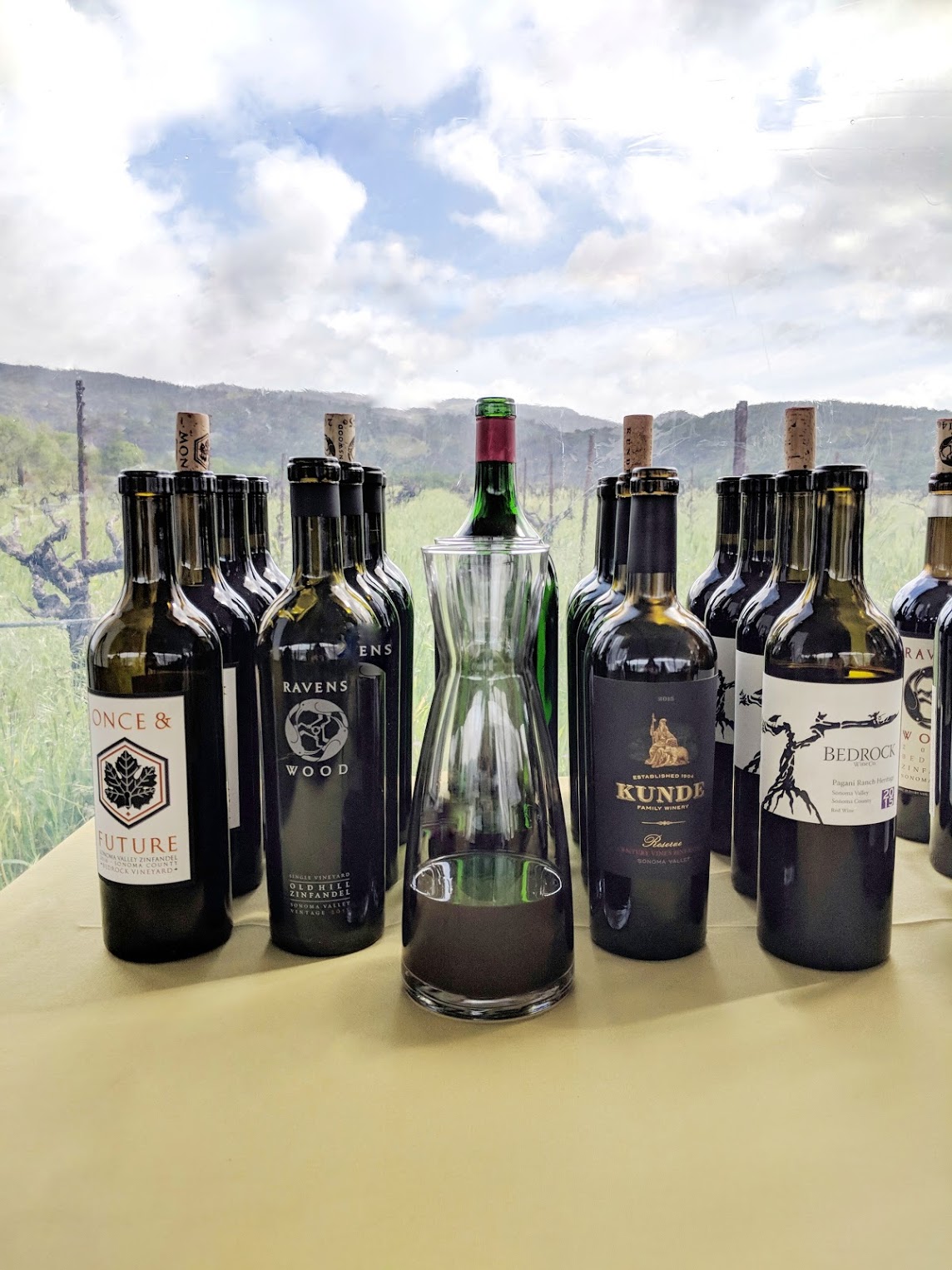
The tasting followed, with an impressive panel that included Will Bucklin, Diane Kenworthy, Joel Peterson, and Moderator Dr. Liz Thach, MW. We started by tasting Joel's new label, Once and Future. This 2016 Zinfandel was fresh and complex, and entirely sourced at Bedrock Vineyard. Next was a side-by-side tasting of 2015 and 1993 Ravenswood Zin from Old Hill Ranch. Joel described the vintages as quite similar, and it was clear the the 2015 will likely turn into the 1993 over time. They were both slightly earth-driven, with notes of dried salami and raspberries. The 4th wine was from Kunde Family Winery, 2015 Zinfandel sourced from Bedrock. This wine had a bit more vanilla and hints of coconut, as they're using around 10% of American oak. Joel described not using it himself, as he found it left a dill characteristic, which wasn't ideal for his style of Zinfandel. To each their own.
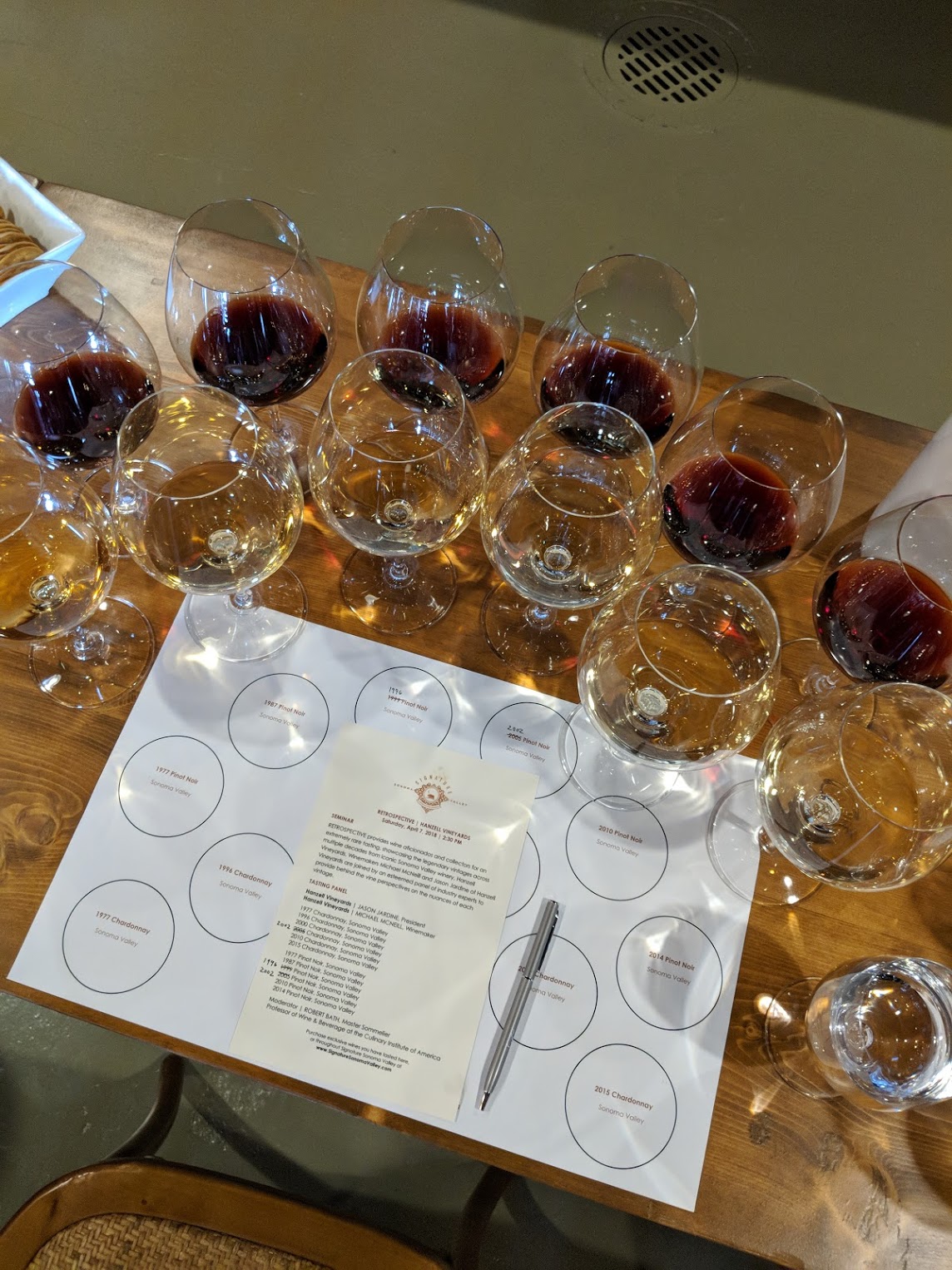
Next stop: A retrospective tasting at Hanzell Vineyards with President Jason Jardine and Winemaker Michael Mcneil. moderated by Master Sommelier Robert Bath. This impressive tasting was half Chardonnay and half Pinot Noir, dating back to 1977! We were encouraged to taste old to new, Chardonnay, then Pinot, so it looked like the below (with my notes in parenthesis).
1977 Chardonnay (almonds, pear, quince) and 1977 Pinot Noir (black licorice, leather, currant)
1996 Chardonnay (tropical, pineapple, yellow flower) and 1987 Pinot Noir (tart blueberries, high tannin)
2000 Chardonnay (light, yellow apple, mandarin) and 1996 Pinot Noir (mineral, fresh raspberry, rose)
2002 Chardonnay (candle wax, blood, moss, marijuana) and 2002 Pinot Noir (cranberry, red licorice)
2010 Chardonnay (mineral, green apple, subdued) and 2010 Pinot Noir (leather, strawberry, tart plum)
2015 Chardonnay (medium body, squash, corn) and 2014 Pinot Noir (medium on all, cherry, blueberry)
Above being one of the most memorable tastings of my life, I was also able to figure a few thing out about my palate as well. I usually put a circled star next to my favorites at the end of any tasting. That's AFTER I've tasted everything, I'll re-taste those with a "star," and turn it into a circled star. I know, sounds pretty neurotic.. I "circle starred" the 2002 Chardonnay, 2002 Pinot Noir and 1996 Pinot Noir. You might consider it odd that my favorite wine tasted like "wax, blood and marijuana" and it obviously had so much more in terms of fruit and floral notes, but the complexity was outstanding. In general, I was drawn to the 15-ish year old wines, and thought they were drinking perfectly. The Winemaker, Michael Mcneil has a totally different preference, with the very old and very young being his favorite. Some of the other participants thought that my favorite wines were rather difficult to understand, with the most muted flavors. As a New Yorker who probably drinks more Old World wine, this actually makes sense to me.
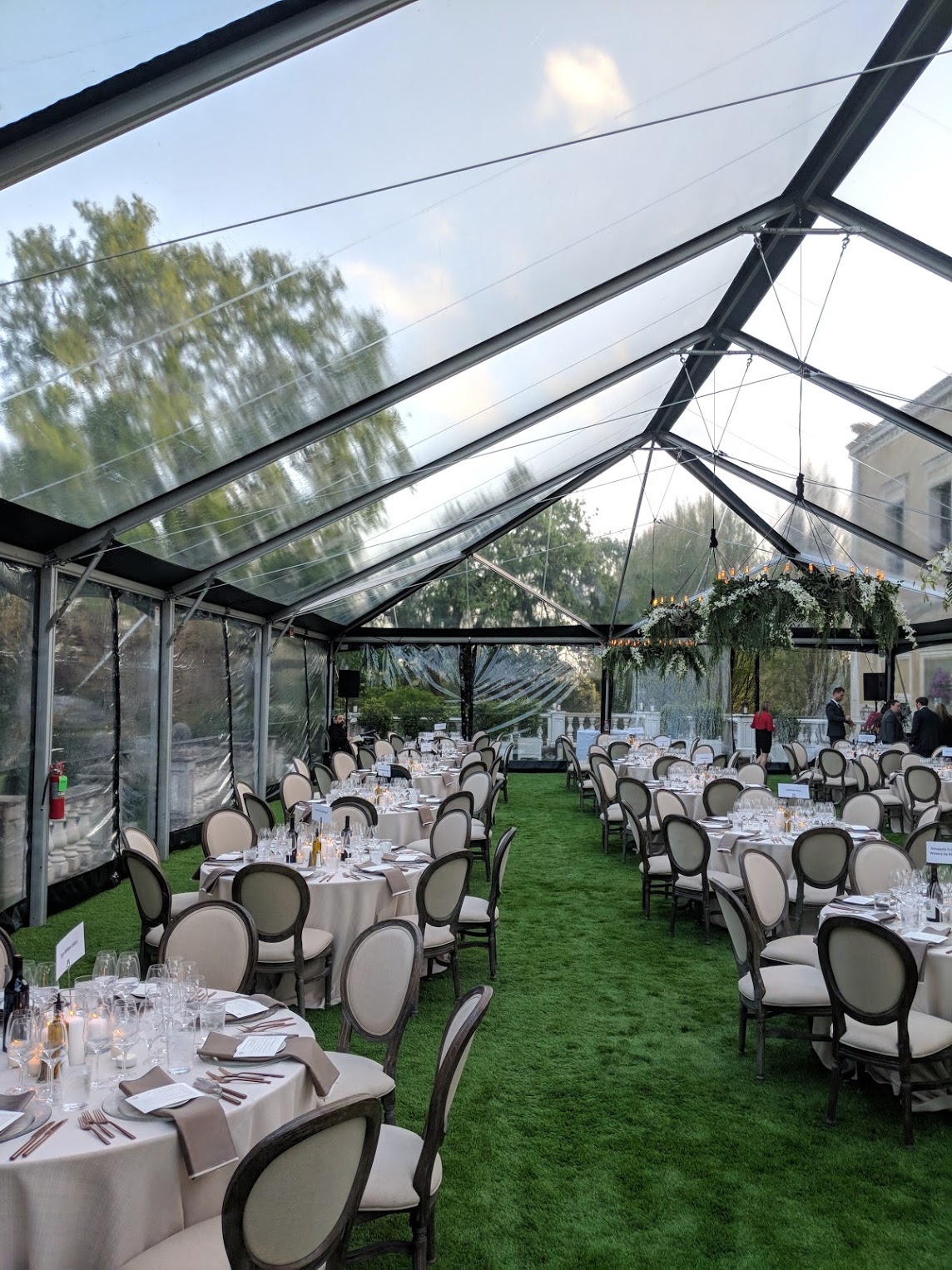
Dinner followed, at Don and Nancy Sebastiani's private residence. The grandest staircase, Italian-esque fountains and pool set the stag for Chef Ari Weiswasser's 5 course dinner. The Glen Ellen Star crew began with a Marin French Triple Cream Tart, which tasted like the best cheese quiche I've ever had. The Morel Conserva and Shaved Radish, followed and paired perfectly with the 2016 Sojourn Pinot Noir floating around.
Next, was the Pacific Halibut Over Fava Puree, too many great Chardonnay's for this one to choose. The Sonoma Mountain Beef New York Strip and Potato-cauliflower Puree followed, pairing best with Arrowood's 1997 Cabernet. The cheese course included Valley Ford Estero Gold and Nicasio Valley Locarno, followed by a very impressive dessert bar. Some sweets at the table included Meyer-lemon Riesling Tartlettes, and a Chocolate Coup with Coffee-molasses Ganache. What an evening!
Sommelier in NOLA
As a first timer, I was completely blown away by New Orleans. If you followed me on IG, you already know that I basically ate my way through the neighborhoods..
While spirits tend to be the focus, I found a plethora of wine shops, bars, and amazing lists throughout the city.
The food was spectacular and I'm thankful I was able to consume 5 days of meals in this magical city. Read on..
WHERE I STAYED
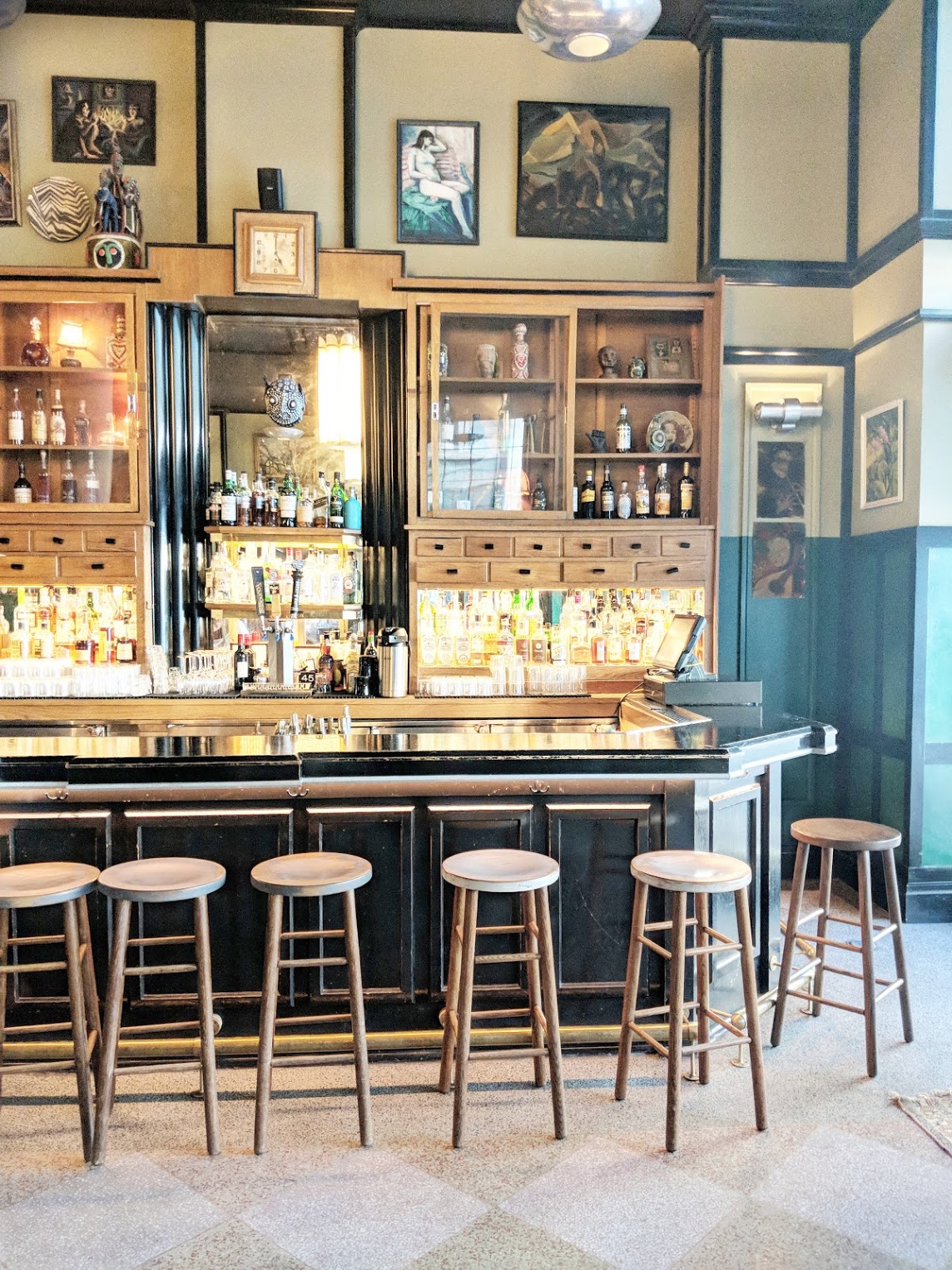
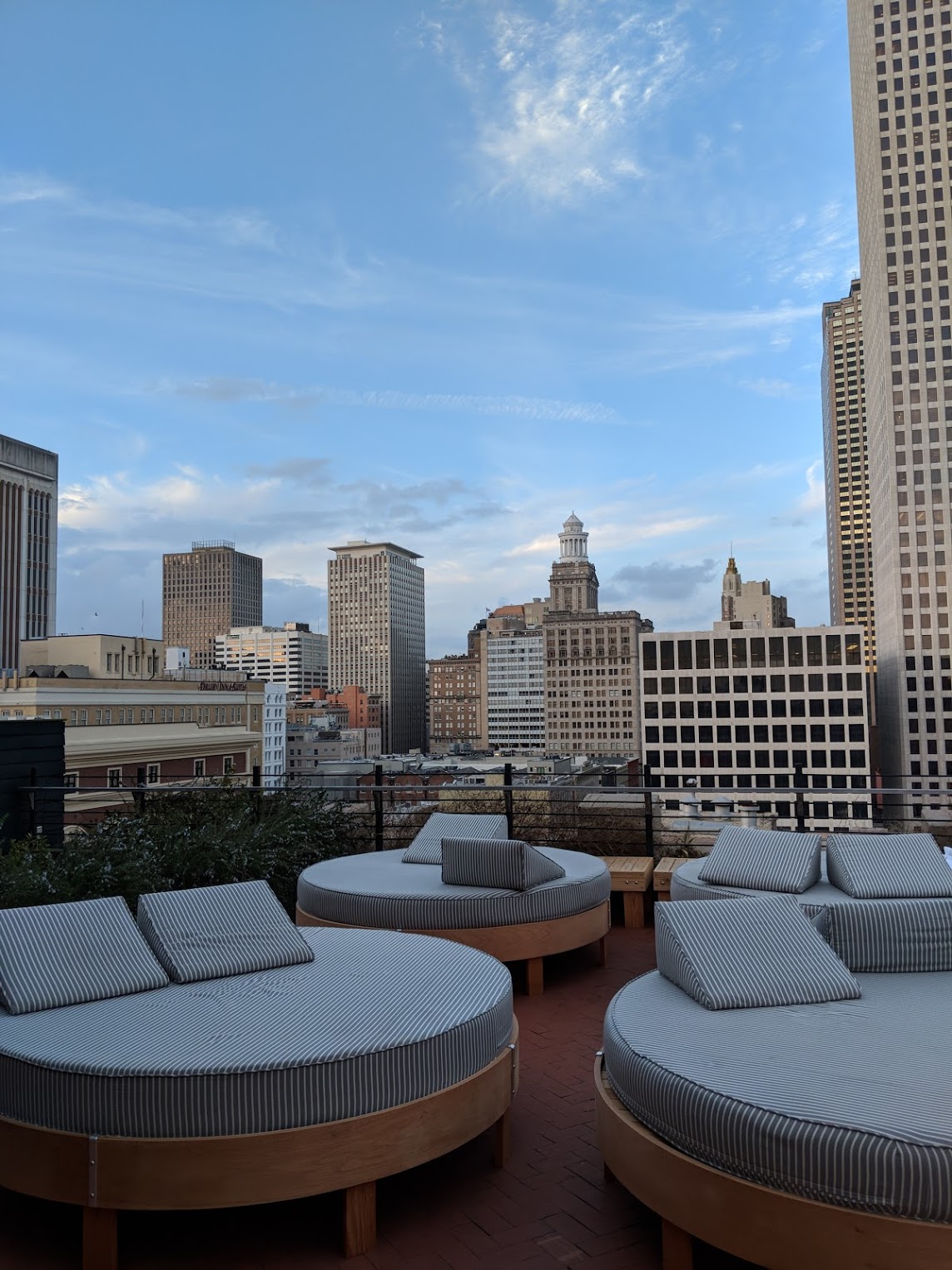
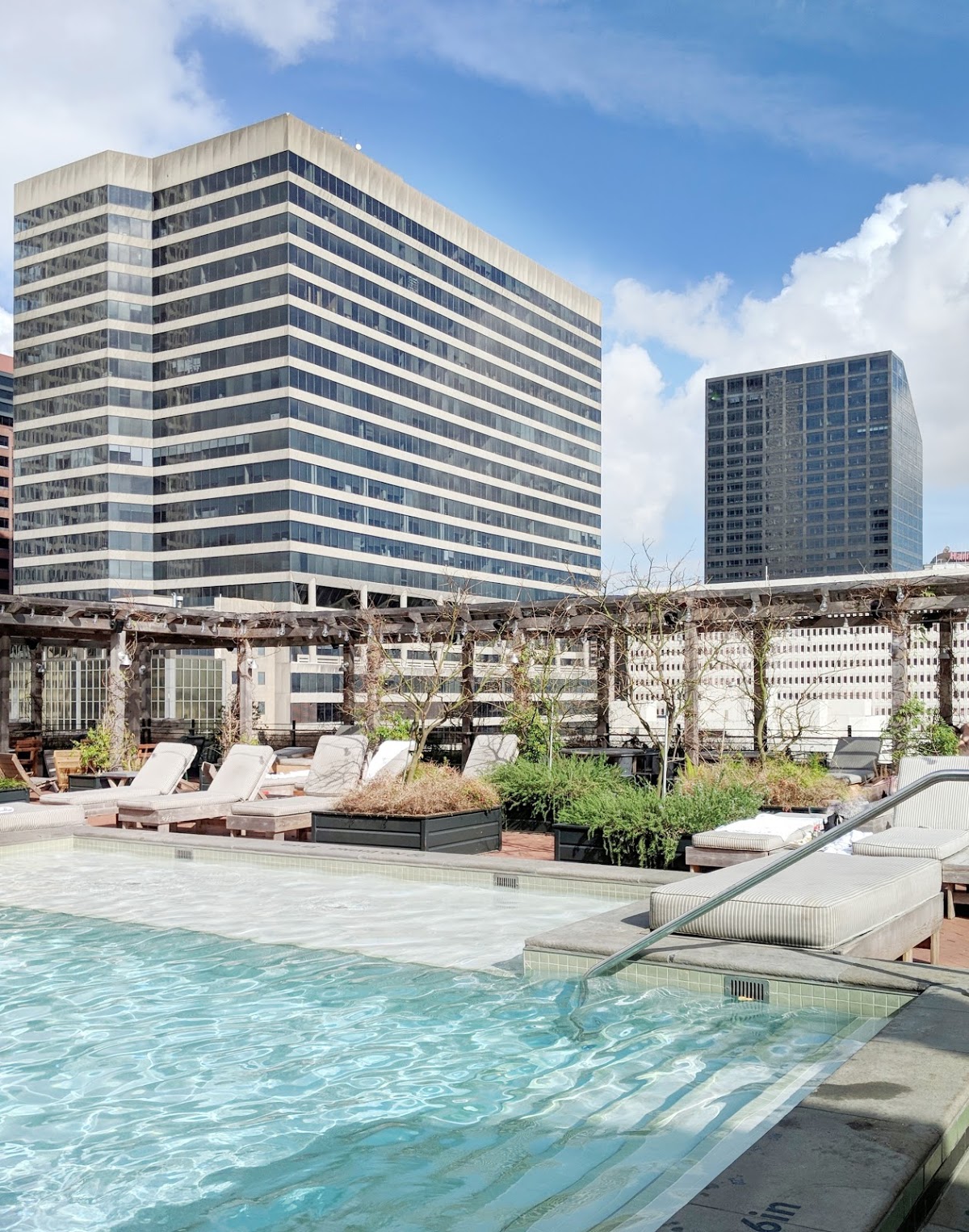
The Ace Hotel New Orleans was perfect for my sister and I. Whether we were rooftop-poolside chillin or downstairs listening to live reggae in the intimate lobby venue, our stay was simply amazing. The rooms are spacious, comfortable, and offer a super cool vibe. With a cocktail shaker in the room, (accompanied by a mixing guide), a sweet sound system and an extra-large bath, it's clear this place caters to a fun, young-ish crowd. Great staff, food, drinks, and restaurants, I literally have zero complaints. Come to think of it, I can't complain about any of the 4 Ace Hotels I've had the pleasure of staying at. Killing the game, guys.
RESTAURANTS and WINE BARS
There's so much great food in New Orleans, it's easy to feel a little overwhelmed. I'm so lucky that a few of my friends sent me recommendations and I didn't steer far from their lists. Here are my personal favorites, most out of the French Quarter.
Bacchanal (wine shop/bar) Located a bit out, in an area I'd consider the Brooklyn of NOLA, this combo joint is perfect for any wine lover. Buy a bottle, drink it on the patio while you order up some snacks and listen to live music, OR take a few to go. I did both.
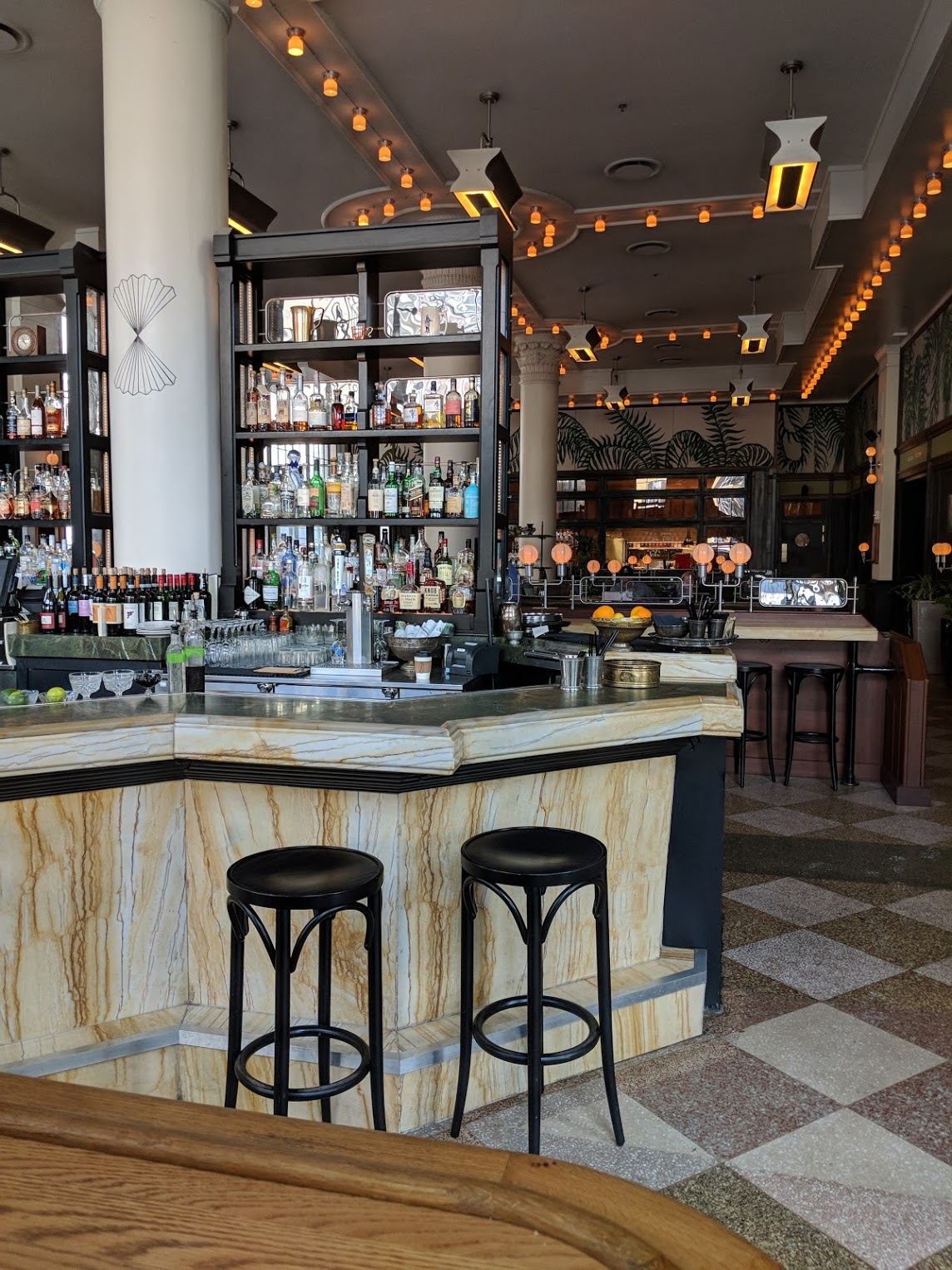
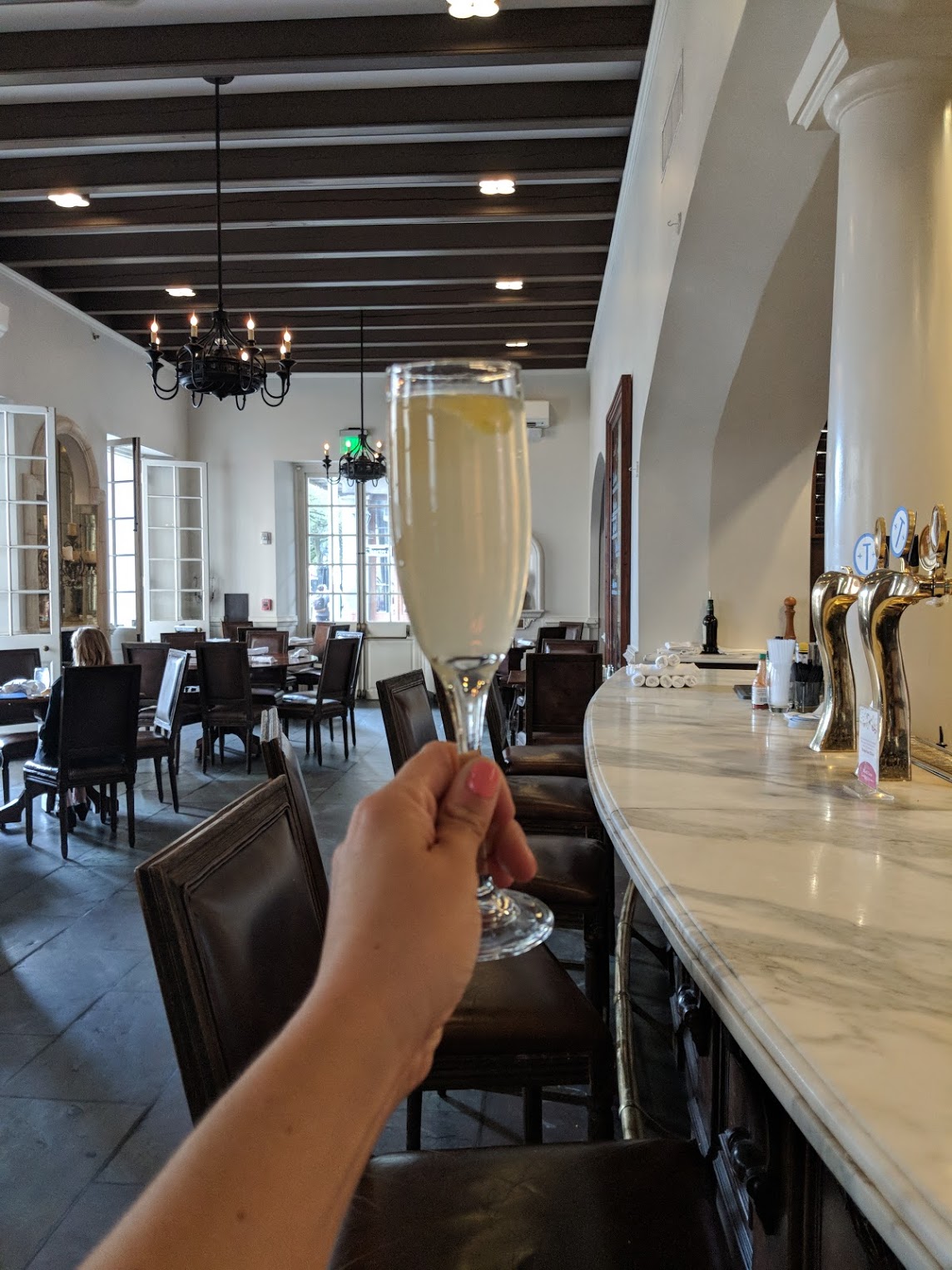
Tableau is an upscale joint with phenomenal seafood gumbo and a creative take on a French 75.
Peche Seafood was the perfect spot to split a whole fish with 2 others. Very cool vibes.
Willa Jean for a mimosa filled brunch, in this bright, large space that's also great for to-go, fresh juices and coffee. I had the avocado toast and salmon tartine, both were great.
Toups Meatery is a meat-lovers dream. We enjoyed a fantastic elk, duck, chicken liver mousse, by this seriously talented chef in a quiet part of town.
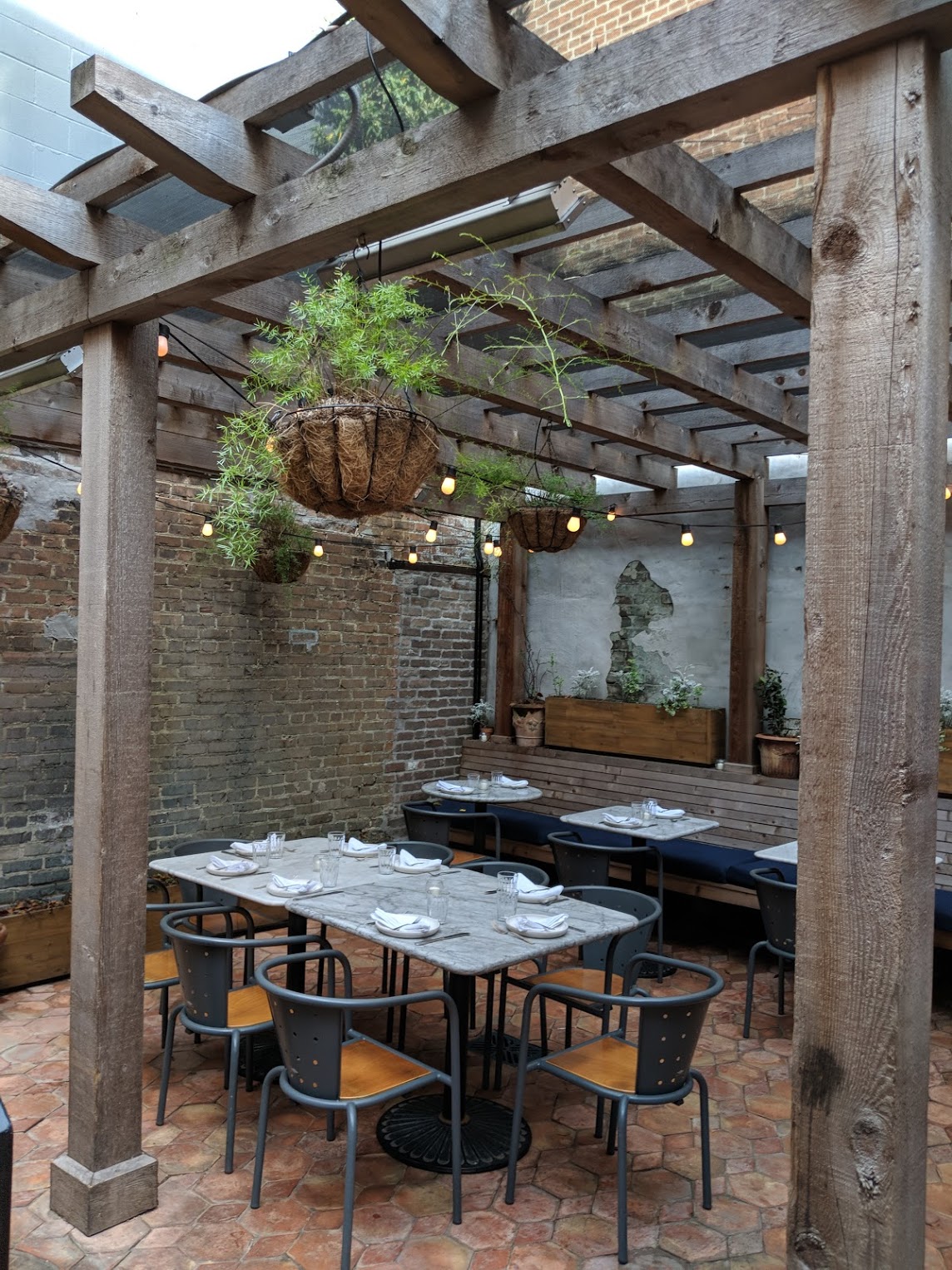
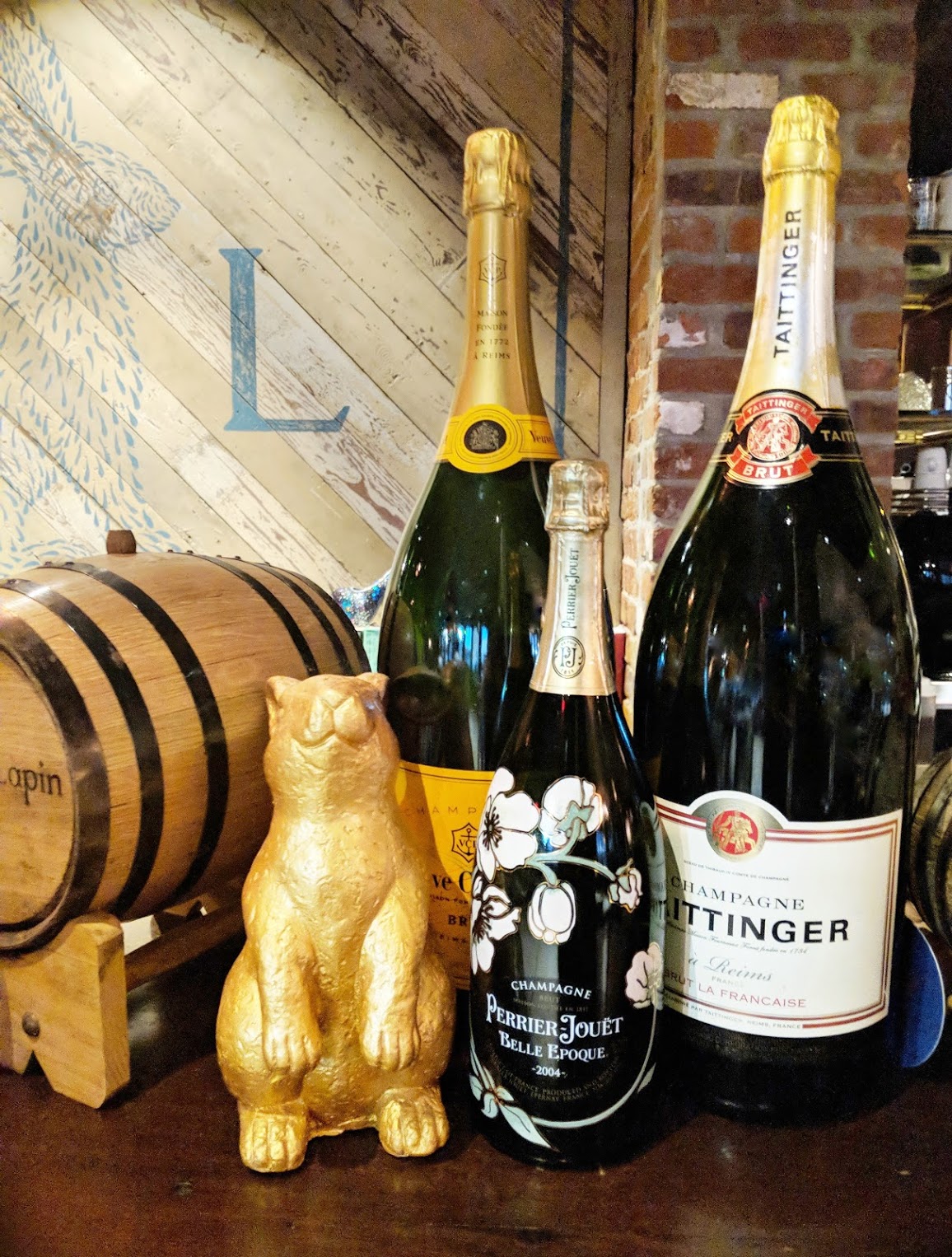
Compere Lapin is located inside the lovely No 77 hotel. This dreamy Caribbean spot is known for their curried goat and jerk fish. Both were great, along with the ambiance and cocktails.
Lula restaurant and distillery is the laid-back spot for American-eque plates in a very fun part of town, just across from the Casino if you're feelin lucky.. I thought I was.
Shaya is a fantastic lunch/brunch spot with Israeli fare like lamb ragout hummus and chicken schnitzel. This place is family friendly and majorly award winning, rightfully so.
Bayou Wine Garden was the perfect place to spend a Sunday Funday. The international wine and cheese selection was most impressive. The Crawfish guy pulled up around noon and the line was around the block until we left at 4pm. It's also connected to the Bayou Beer Garden, so there's literally something for everyone. Venture out for this one, you won't be disappointed.
MUSIC
Everywhere! But we found the best on Frenchman's street
SHOPPING
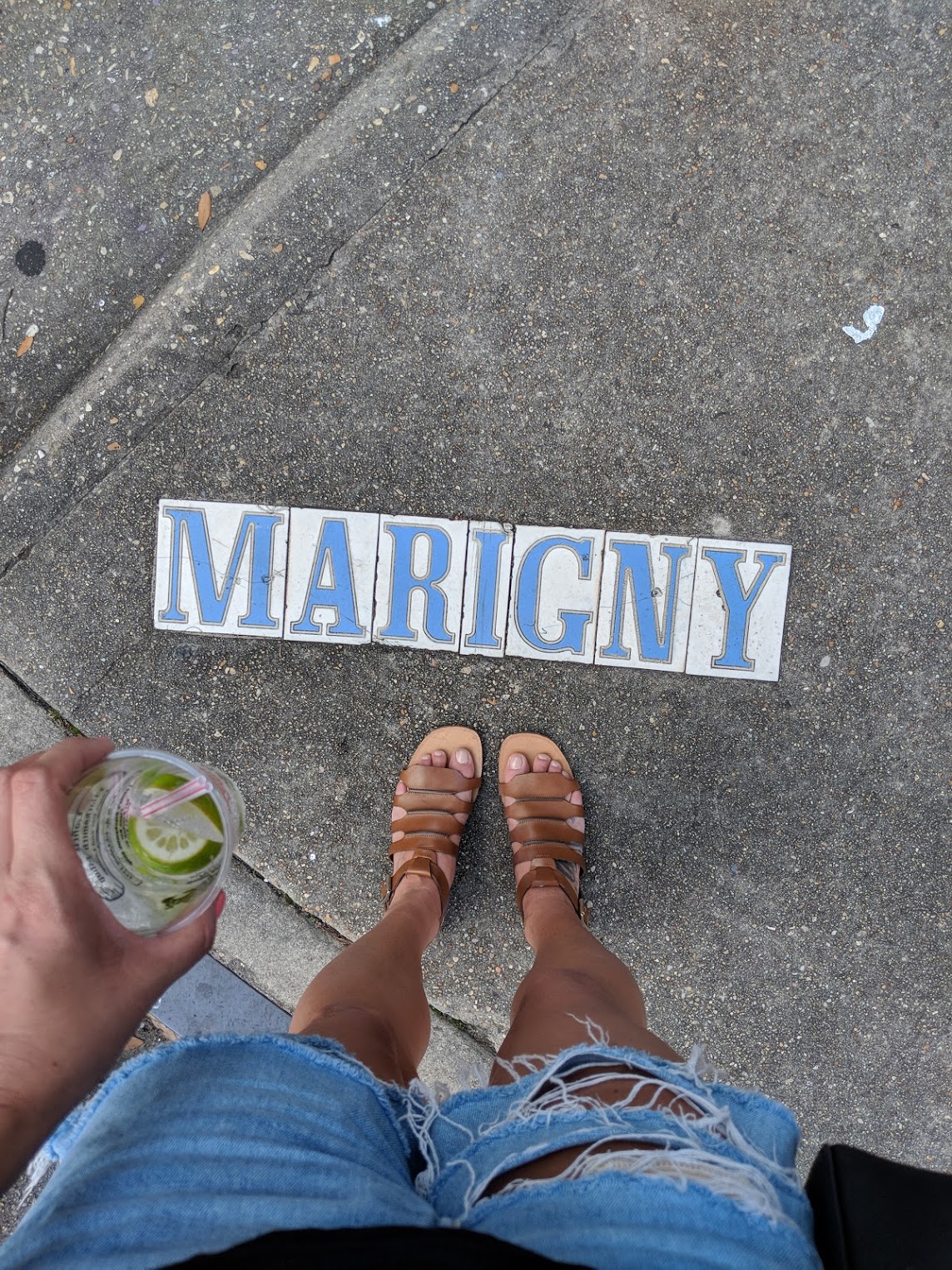
Don't miss Magazine Street (around 7 miles long, you can pop in and out of stores with a drink in hand, as there are several bars as well)
Sommelier in Savannah
Every winter, my husband and I venture down to our favorite, historic town of the South.
You simply cannot have a bad time in Savannah. The food, drink, hospitality and architecture is bound to leave a smile on your face.
RESTAURANTS
After sampling the newly opened spots over the first few days, I hopped back over to my staples toward the end of our stay. Among them all, my favorites for lunch and dinner below.
LUNCH
1.) Little Duck Diner: A design-lover's dreamy, 50's-inspired brunchery. The options are practically countless, but duck is usually the main ingredient. From duck tacos to duck egg rolls and duck quesadillas to duck grilled cheese, you can't help but dig their theme, with a splash of high acid white of course.
2.) Collins Quarter: The hip, Brunch and Mimosa drop in. Always packed, very reliable, the perfect place to cure your hangover.
3.) Debi’s Fried Chicken: the no- frills, cafeteria-meets-diner with all the fixin’s. The locals like to keep this one a secret, but if you’ve seen the movie Forrest Gump, this is the diner where Jenny worked. Huge portions, super cheap, why am I telling you about it, again?
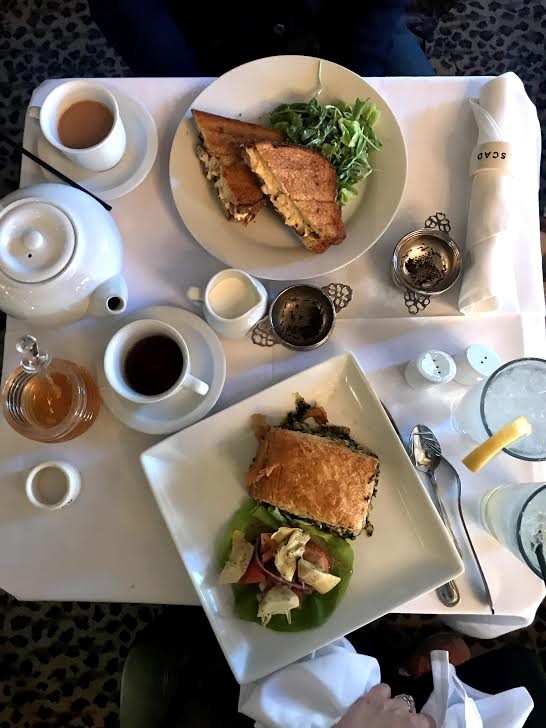
4.) The Gryphon: For high tea and sandwiches in this historic building now owned by SCAD. The décor and hospitality just makes you feel fancy, while the prices remain reasonable.
DINNER
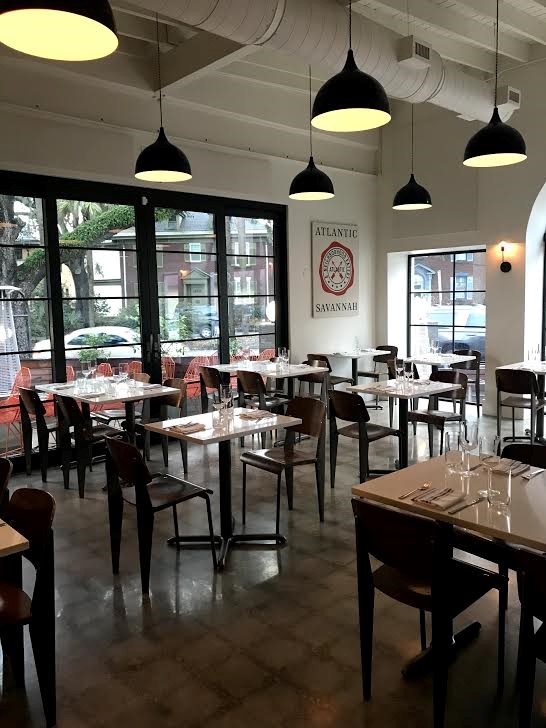
1.) The Atlantic: The newly opened, nautical cool kid off the beaten path. Expect an inventive, American-fusion, shared-plate experience and about 20 wines-by-the-Coravin in this bright and chic spot.
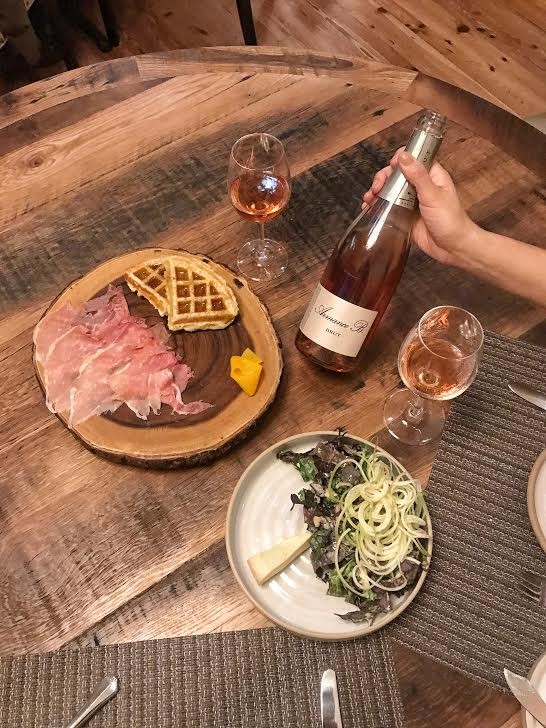
2.) Hitch: 3rd location, top quality service with a creative menu. The rice waffle (Gluten free!) is served with house cured-ham and is an absolute must!
3.) Olde Pink House: One of the city's oldest gems, featuring 3 floors (plus a basement "cellar room") of dining space. Expect hearty Southern dishes, with a twist. We simply cannot skip the whole fish, no matter what it is. Fresh food, friendly staff, in the dreamiest pink mansion.
BARS
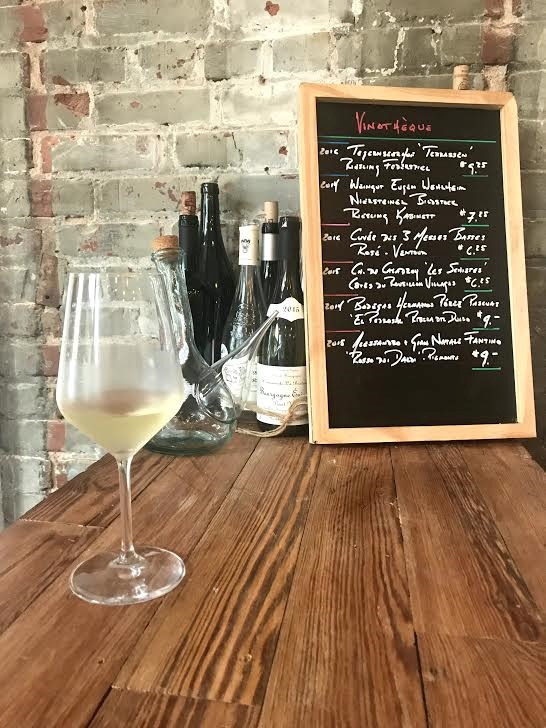
In Vino Veritas: While Savannah’s libations clearly revolve around beer and traditional cocktails, this wine bar is perfect for your vino craving. With 24 wines on tap, flights are encouraged, and the selection is equally New and Old World.
Circa 1875: This French restaurant and neighboring cocktail bar makes you feel as if you've stepped back in time. Traditional Parisian cocktails with a France-heavy wine list, we ventured over here for pre-dinner drinks more than once.
Alley Cat: This underground, 25 and up speakeasy-style watering hole has one of the largest cocktail menus I've ever seen. Get this, it's printed on newspaper, with articles on Prohibition, Hunter Thompson, and how their drinks got their names back in the day.
Artillery: The hippest hipster in town. Creative cocktails, beautiful decor and natural wine. Artillery is located where the Georgia Hussars’ armory once housed the cavalry's artillery. Very cool.
THINGS TO DO
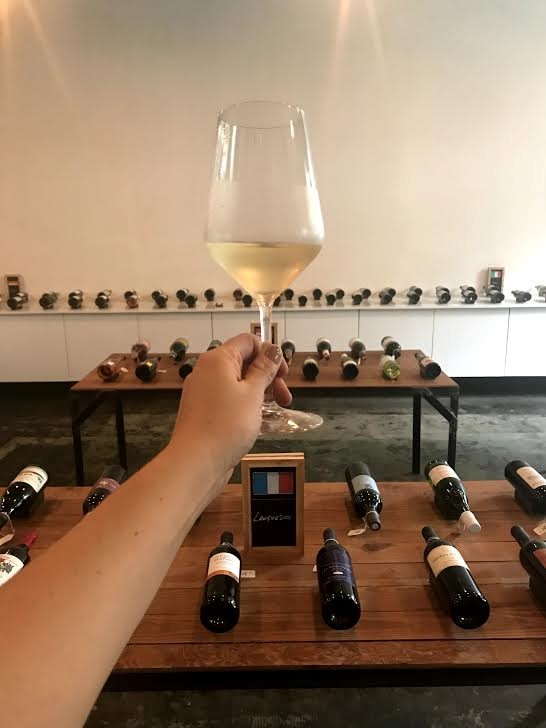
There’s plenty to do in Savannah, from Ghost Tours to Food Crawls, even a bar on wheels for touring the city’s popular pubs. Ghost Coast Distillery gives a fantastic tour of the facility, as well as an interesting film about the history of making spirits in Savannah. There are several spas in Savannah, but my favorite for a manicure and a facial is Polished Spa. If shopping is more your speed, Broughton street is full of chains and one-offs alike, including my favorite home store to this day, Paris Market and café. Wine lovers cannot miss Le Chai Gallerie du Vin, Savannah’s all old-world shop with unique rarities in their bright, industrial-chic shop. They also have a tasting bar, so you can try before you buy!
Sommelier in Scottsdale: A Desert Escape

We partnered with The Feed Feed and The Luxury Collection on a weekend excursion, as we toured the newly remodeled Phoenician Resort in Scottsdale Arizona. Between the unique restaurants, massive golf course, luxurious rooms and swimming pools, we would have stayed a whole week if we could. Read on for some of our favorite activities while at the breathtaking property.
Flatbread making - One of our favorite activities at the property was making flat-breads at the newly opened, Cotton and Rye. We selected our favorite toppings and popped them in the oven while sampling the restaurants staple appetizers and cocktails. They're also home to one of the best brunches in Scottsdale, with views overlooking the pools.
A Hike up Camelback - Is any trip to the Phoenix area complete without a hike? We don't think so, which is why we made sure to wake up early and experience the 360 degree desert views from the top -well, close. The hike entrance was directly behind the resort, just a 10 minute walk!
Cocktail Class - After our hike, we were clearly deserving of one of the Phoenician’s famous drinks. The resort took it a step a further and let us learn from the pro behind the bar. Award winning bartender, Robert Porter is in charge of the cocktail program at The Phoenician's upstairs bar, The Thirsty Camel. He showed us how to make a magnificent, red pepper infused mescal drink, as well as a fruity, gin cocktail.
The Many Pools - We had to test the water, and it was perfect. Our only struggle was deciding between the waterslide and the relaxing, adults only pool. Complete with Cabanas and hot tubs, you can enjoy this luxury in any weather.
A room with a view: The property's newly renovated interiors will have you never want to leave your room. With a private patio overlooking the desert landscape, a luxurious marble bath and separate shower, as well as the special perks you won't expect; like Italian linens and turn-down service with culinary treats.
The Millennial Wine Collector
How is the youngest generation of wine collectors changing the market? What are they buying and why? The open-mindedness of a young drinker won't come as a surprise, but what does that mean about the future of wine collecting? Read on for my research and a bit of personal experience (on both sides).
Say you're a 20 or 30-something with money to spend on enjoying fabulous wine. Due to your life experience, tech savvy nature and neutral mindset, your selections aren't probably going to look much like your father's. For one, you don't really care about what kind of scores a couple of old guys are handing out. You'd rather check out apps like Delectable, where several, unprejudiced wine drinkers are rating the same wine, and you can instantly view more of an overall average.
How about brand loyalty? I've found that Millennial drinkers, while likely to remember wine brands (due to technology), are much less likely to purchase the same wine repeatedly (compared to collectors in their 40s and 50s). The younger gen. can easily be sold on a wine they’ve never heard of, as long as it’s generally what they’re looking for in terms of style and price. Does this mean we'll see less Cult Napa Cab and Bordeaux? Big names will always sell, they’re recognizable and trusted. However, there is evidence of heightened curiosity about the wine world's unknown, especially in the last 10 years. I think that a lot of these, strictly cult followers are gonna die out. The young wine collectors will try everything once, but is that gonna be enough for these renowned names to keep profits where they are today?
The millennial sale and the baby boomer sale are completely different. While the younger generation rarely orders the same wine twice (even after telling me how much they like it), the older generation doesn't always seem too interested in a new producer, or exploring a lesser-known wine region. It’s as if many of them either don't like/want change or care more about impressing friends and family with big names and “top” vintages. In my experience, young collectors don’t really care about that. They would rather explore wines in every country, to attain knowledge. I’ve found that many young collectors are fascinated with understanding restaurants' wine lists. Who doesn’t want to sound smart at the dinner table? Or know how to make the best decision when the language barrier comes down on your vacation?
Statistics prove that millennials love wine, and they're drinking much more of it than older generations. Since they're exploring lesser-known wine regions and producers, the prices won't usually be as high as the sought-after staples. Therefore, you have a lot of young people buying several different types of wine and will probably need more storage than today. I predict that in the next 10 years, more wine shops in America will stock "unheard-of" options, and the purchase by professional scores will be a thing of the past. Cheers to that!
Sebastapol Sips
As of recent, Sebastopol is one of my favorite little Northern California towns. Expect renowned wineries, stunning vineyards, and an abundance of great restaurants and breweries.
Read on for an in-depth look into two of my favorite wineries visited earlier this month, plus a few of my favorite places to snag a bite or a beer.
Littorai
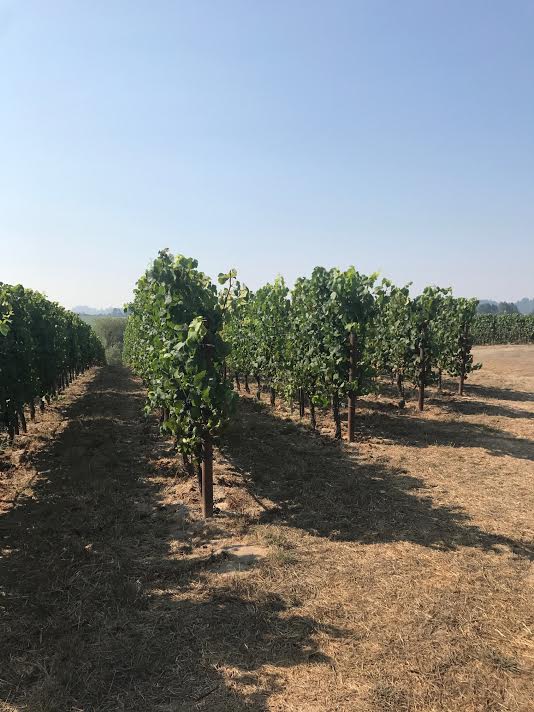
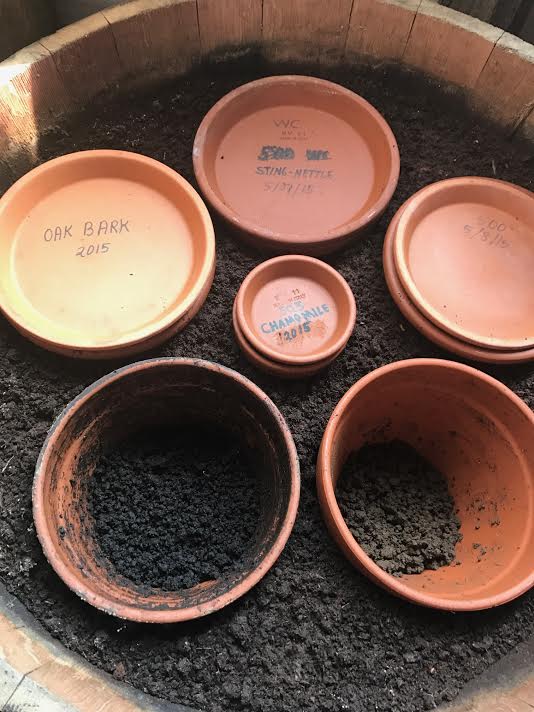
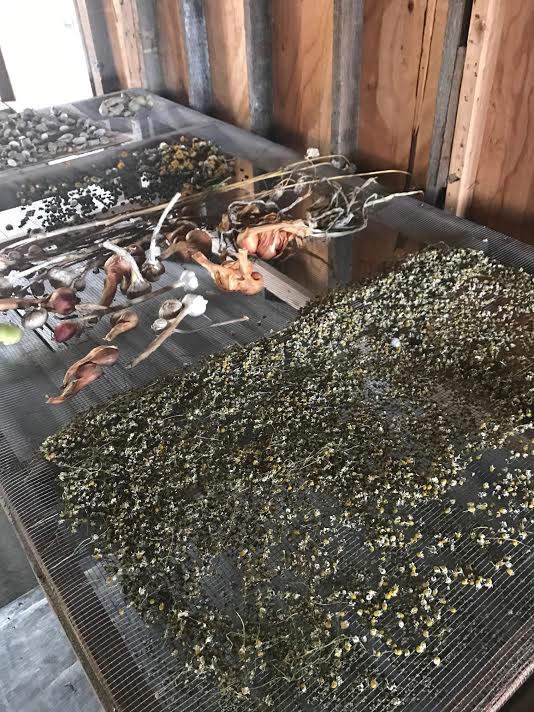
The two hour vineyard and winery tour at Biodynamic estate, Littorai will absolutely blow you away. From the rams, chickens and beehives surrounding the property to the tea-steeping and manure preparations, you will come out feeling like you've worked there for years. Our guide was insanely knowledgeable while remaining approachable, even for a few of my Bio-D newbie friends.
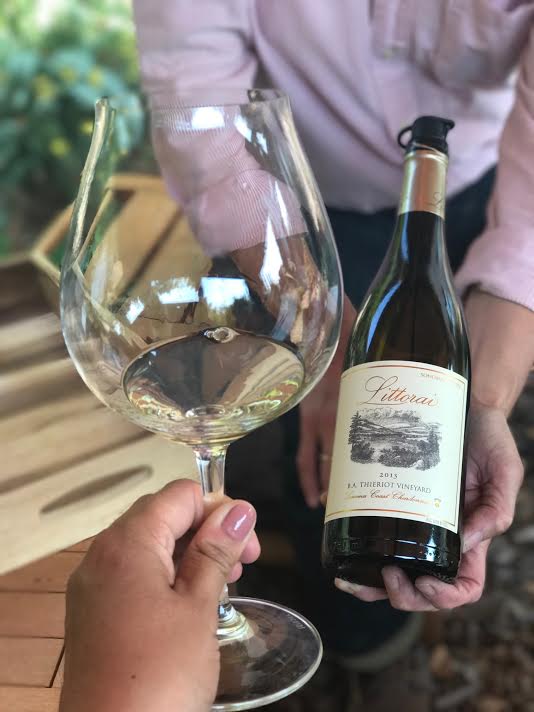
The estate specializes in Pinot Noir and Chardonnay, picked rather early for preferred ripeness and optimal freshness. They were about finished with picking during our visit on 9/1. The consensus: Seriously complex while remaining highly gulpable. Personal favorite from the Chardonnay side: Theriot Vineyard, packed with exotic fruit and chamomile. Pinot side: Cerise Vineyard, a perfect example of an old-world style that screams "Age me!" Mushrooms, crab-apple and dusty hooves were my tasting notes here.
Paul Hobbs
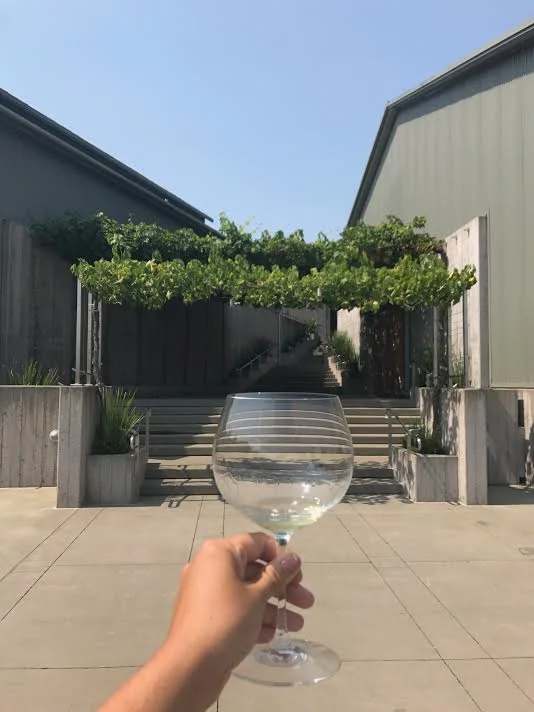
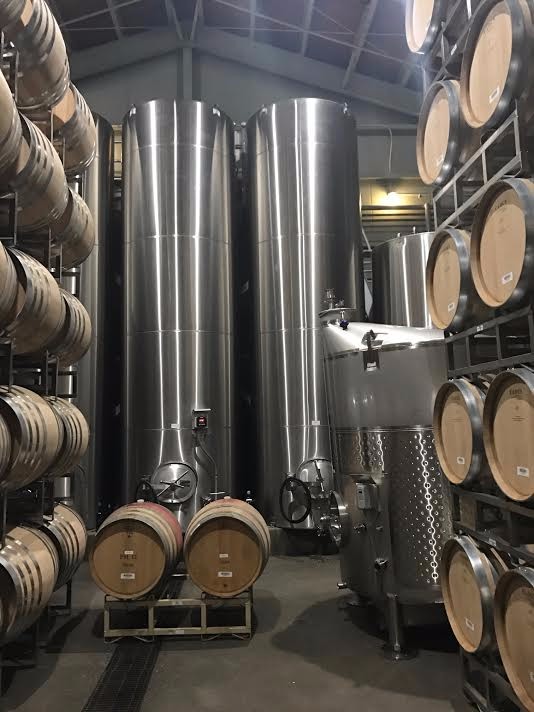
Visiting ultra-premium winery, Paul Hobbs was nothing short of outstanding. The vineyards on the property were seemingly infinite and the facility was extraordinarily grand. Innovative technology, a well versed team, and focus on discovering all of the many differences between their single vineyards has clearly been their recipe for success.
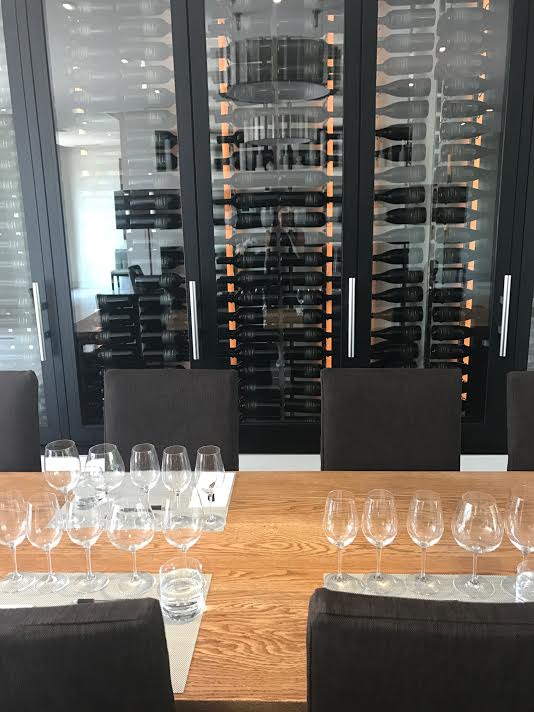
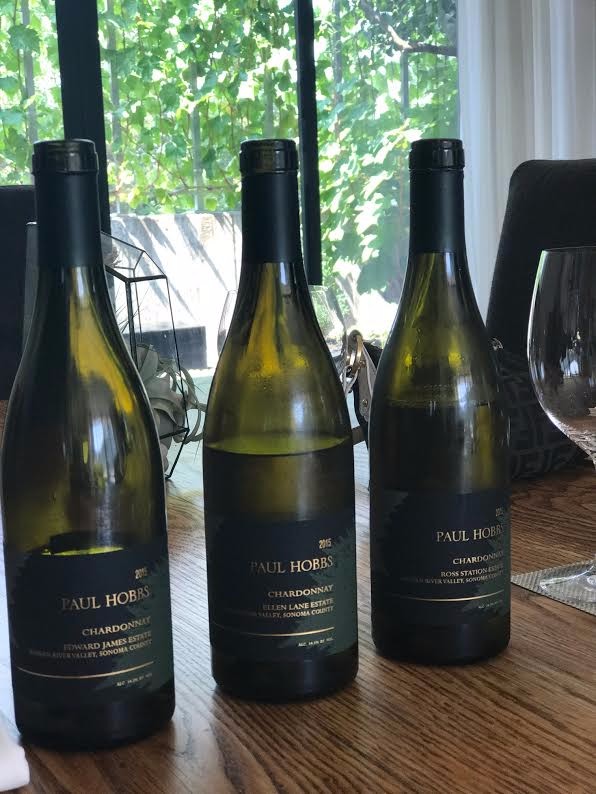
Unlike Littorai, Paul Hobbs hadn't even started the picking process. Interesting when you consider the fact that these wineries are less than 10 minutes apart, by car. That just goes to show that winemaking styles can differ so greatly, regardless of location. However, both wineries have clearly established that their vineyards are best suited for Pinot Noir and Chardonnay. One piece I found interesting at Hobbs was that all of their single vineyard wines are basically made in the same way; type of oak used, time in barrel, etc. This is ultimately to showcase the differences in soil and climate without the wine-making and aging components getting in the way. Makes sense! The private, seated tasting (and cheese pairing) obviously impressed and gave us a chance to taste through each of the single vineyard wines and ask questions.
Ellen Lane was my favorite of the 2015 Chardonnay lineup, as it was a bit more earth and mineral driven, go figure. The The Katherine Lindsay Pinot Noir stood out to me for an intense structure and ripe huckleberry notes. I got a few bottles of that one, which I won't be opening for at least 8 years.
Food and Brew
- The Micro Brewery: Woodfour Brewing Company
- This home-brewed spacious brewery also offers an abundance of California-style eats like their Bacon Chicken Sandwich with Harissa Aioli.
- The Oyster joint: Handline Coastal California
- This upscale, roadside eatery was made for visiting between tasting appointments. From dozen oysters to pizza and sandwiches, you'll take care of everybody's fix.
- The Package Deal: The Barlow
- This is your one-stop shop for all things wine, beer and food. Check out the always popular, Wind Gap tasting room (don't leave without tasting their Chenin Blanc) and then mosey on over to Crooked Goat Brewery to see what's on tap. Ramen Gaijin offers a ton of Japanese plates and noodle dishes, while Zazu Kitchen impresses with farm-to-table eats in an industrial-style space. Enjoy it all!
Do You Need a Coravin?
Essentially, the Coravin (Wine Preservation Opener) allows you to taste wine (or have two glasses) without pulling the cork. After initial use, you have around 7-10 days to drink the rest of the bottle and can expect the wine to taste practically the same as it did on that first day.
No, not everyone needs or will use the Coravin, and the new models are around $350, so not cheap. Mine, however, can be found on the kitchen table when it's not in my purse. Also, I've saved several precious wine dollars since owning the tool. Take this 5 question quiz to decide if the Coravin is right for you too.
1.) Assuming you drink wine most nights, about how much do you drink in one evening?
2 glasses? Consider a Coravin. 4 glasses? Maybe not. If you're a wine lover and your husband's a whiskey lover... consider a Coravin. If you and your spouse or roommate can easily finish a bottle with dinner in one evening, still consider a Coravin because it sounds like you two could be serious wine lovers.
2.) What does your cellar look like? Anything good?
I'm sure all of your wine is fantastic, but how much of it is age-worthy? Let's say you have a case of 1990 First Growth Bordeaux, and your sources are telling you it's time to drink, but time for whom? Everyone's palates are completely different, and what I consider perfectly aged, you might consider dirty. Perhaps your taste is a bit more fruit-forward. Use your Coravin on one bottle to determine what to do with the rest of a case. Then, spend the next 10 days showing your friends how the wine is aging by pouring them all a 2 oz. tastes. Hey, this stuff's expensive!
3.) Do you work in wine?
Restaurants all over the world have found that the only way to put that $100 bottle on their BTG (By the Glass) list is to use a Coravin. I don't know about you, but when I see a $30 or $50 glass, I feel a little fancy.. It also makes me think that the restaurant or bar cares about wine education and the well-being of their staff. Ok, maybe that's a little presumptuous, but it definitely adds to the cool factor.
In a wine store, you can easily up-sell by offering your client a 2 oz pour of something great. Again, my feels are strong for a shop offering "tastes" of a $75 bottle, or anything over $20 that is.
Distributor? A Coravin is an absolute must. I don't even need to explain this one, but imagine what it can do for reps with a strict sample budget. Also, show your client you care by showing them the good stuff whenever you can. They don't need to know you've poured it for a dozen others that week.
4.) How often do you entertain?
By far the best way to check out what the wine you're considering pouring for your guests tastes like. Is it going to work with that lamb chop? Is this good enough for my uncle? Is this bottle in good condition for Saturday night, ie. not corked or too young?
5.) Is it worth it?
Decide this for yourself by considering the price of the bottles you're opening by corkscrew. Also, calculate the amount of wine that ends up going down the drain.
Some of the older Coravin Models are closer to $200. You can also finance one for $18/month! Check out all the options and have the rest of your questions answered here: CORAVIN

Tasting Tips and Techniques
Of course we all taste and learn differently, but I've listed 6 tips that have majorly helped me out over the years.
- You have completely different life experiences than the person next to you. So, stop trying to get what you’re supposed to get in particular wines and focus on what YOU get. The best way of doing this is to keep a “wine journal” and write down everything you taste and smell. Instead of trying to taste Canary Island Malvasia, start with the basic 6 whites and 6 reds from regions of where these grapes are known. For example, Napa Cabernet. Ask your wine shop to sell you only textbook examples of wine when you come in, because you’re trying to grasp these classic styles first.
- When blind tasting for an exam or just personal development, don’t assume that you know what the wine is, immediately. Step back, asses the alcohol, acidity, tannin, and flavor components, you may be surprised. On first sniff, you might go “ Oh, that’s Riesling,” but after tasting it a few times, the alcohol or acidity might not be in line with a classic Riesling at all. So, remember to take your time and think of all the possibilities.
- Take my “Champagne Challenge.” Identifying Champagne vs. any non-Champagne Sparkling Wine can be very difficult for beginners and even intermeeds. I suggest buying 3 different bottles of Prosecco and tasting them over 3 days. Then, buy 3 different Champagnes and do the same (I never said this was going to be cheap). Finally, go back to the same Proseccos for the last 3 days. Make sure to only purchase classic styles of each and journal all tasting notes. Hint: baked bread on your Champagne notes? That’s the yeast talking.
- GO SHOPPING! Go to the flower market, I doubt you know what every flower in the current season smells like. You might just pick up a daffodil and think,"this smells just like Viognier!" Grab a basket and collect a few for a wine tasting "show and tell" to see if anyone can identify similarities There are dozens of floral aromas in every common and/or testable wine, so the comparisons will surely shock you.
- Do the same at the Farmer's Market! Gather several different fruits that are clearly under-ripe. Tasting them at this stage will undoubtedly remind you of either a young wine, a cool (perhaps Old World) region. Compare them with a few over-ripe, stewed or cooked fruits. For example: make cranberry sauce. Your wine brain will likely take you to a warm or hot (probably New World) region, or possibly a wine that's spent some extra time on the vine.
- Partner up! Group tastings are a great way to make you feel like crap -just kidding.. However, if you are studying for an exam and you have a friend who has already taken it, they can give you some insight into what you should know, how close you are to the answer, etc..

What's the D with Bio-D?
After reading a few Steiner books, interviewing Biodynamic winemakers, and even getting lost in couple hate threads that claim the practice is all a big hoax, this is my personal opinion on BioD winemaking.
First of all, what is Biodynamic wine?
Essentially, Biodynamic winemaking incorporates astrology and utilizes the lunar cycle as a guide to planting and tending to grapevines. In addition to this holistic style of agriculture, it is crucial that a winery act in an organic fashion, without the addition of man-made substances.The ideals of organic winemaking stem from the notion that everything in nature survives without chemicals, therefore wine should be no different. Biodynamics, however, takes it a step further and views a vineyard as an entire ecosystem, allowing plants and animals to take the place of chemical additions.
Is Biodynamic wine weird?
Sure, Biodynamics is often described as weird or bizarre and can come with some incredibly dubious techniques. For example, fertilization involves burying a cow horn filled with the manure of a lactating cow, unearthing it in the spring, adding water, and then spraying it around your vineyard. While this hasn’t been proven effective, it hasn’t been proven ineffective either.
Who started it?
Biodynamics was founded by Austrian Philosopher, Rudolph Steiner in 1924. With a strong interest in all things agriculture, Mr. Steiner conducted extensive research and identified several commonalities among viticulturists who seemed quite connected to their environments. He took their practices and formulated them into a set of rules and even a calendar for Biodynamic vineyard management. Most of his findings have not been proven legitimate, in fact, several have been discovered as incorrect. What has been recognized effective, however, are his claims on naturally produced pesticides, as well as his instruction for picking grapes late at night. This is when temperatures are coolest, and grapes have the lowest chance of bursting before arriving to the winery intact. If you look into most Biodynamic preparations, they are basically homeopathic in nature and used to heal the earth.
Mr. Steiner had a unique mind, attributing intuition as the source behind several of his principles. Whether his findings are completely valid or merely the result his extensive acid trips, many of my favorite wineries are practicing Biodynamic viticulture today. In fact, thousands of winemakers are following his concepts, leading me to the conclusion that Biodynamics isn’t one big hoax. Regardless of the many eccentric practices, the intense attention it forces growers to pay in the vineyard can't be anything but beneficial to the final product.
Side note, and perhaps unrelated: Rudolph Steiner also founded the Waldorf Schools. After attending one for 8 years, I can tell you first-hand that, while art projects far surpassed math equations, the 9 other middle school grads in my class went on to be extremely successful in life. Food for thought.
Ok, so any favorites?
The list below contains a few of my favorite Biodynamic wines, available now from Convive Wine and Spirits (NYC and online): http://www.convivewines.com/
White Wines:
1.) Knauss 2016 Weiss Blend, Germany @ $17
2.) Pedralonga 2015 Albarino, Spain @ $29
3.) Domaine de la Taille aux Loups 2014 Vouvray. Loire, France @ $40
Red Wines:
1.) Montinore Estate 2015 Pinot Noir Willamette Valley, USA @ $19
2.) Dettori 2011 Cannonau Sardinia, Italy @ $30
3.) Bedrock 2014 Old Vines Zinfandel, California @ $24
Where can I taste one in NYC?
You’ll surely find more than a few Biodynamic wines at one of these NYC bars and restaurants.
1.) Ten Bells
2.) The Four Horsemen
3.) Anfora
4.) Racines
5.) Jadis

Hudson Valley Vino
As a Hudson newbie, I've been quite curious about the wines produced between Long Island and the Finger Lakes.. Over the past year, I've tasted through about 20 different producers' wines, which was actually more than I assumed were even here. In a nutshell, while there are way too many sweet wines for my taste, (and blueberry wine, and apple wine -no, I'm not talking about cider), I have come across a few little gems. Two producers (both of whom I've visited) made an appearance at the Rip Van Winkle Wine, Brew and Beverage Festival last weekend and clearly stood out among the others.
Hudson-Chatham Winery
Check out their Seyval Blanc, which is light and kind of like Muscadet to me, as well as their Baco Noir, which tastes something like a blend of Gamay and Grenache. These two grapes are planted and produced throughout the valley, and I do think (when made properly), they have a chance to really shine. The winemaker is extremely experimental, playing with blends and planting new varietals regularly. They even have an Orange Wine (pictured below), called "Heirloom White" which is a lightly skin-contacted blend of their heirloom grapes. The "Hudson Valley Red" (also pictured below) is a blend of local grapes DeChaunac, Leon Millot, Baco Noir, and Chambourcin. This one tastes a bit like a Beaujolais to me: fruit-forward and perfect for the summer with a slight chill.
Tousey Winery
Unlike Hudson-Chatham, this winery is focusing on Frenchies like Riesling, Chardonnay, Pinot Noir and Cabernet Franc. The acidity on the whites is in line with an Alsacian Riesling or Burgundian Chardonnay, and the "Rebellion Rosé" (pictured below) has Provence written all over it. This easy drinking Rosé tastes like ripe strawberries, wild basil, with a touch of green apple. Their Cab Franc (also pictured), is not shy on the earthiness, with a round body and a hint of dried meat and bell pepper on the nose. Both are perfect BBQ pair-ers and I'm very excited to see where this winery goes. They're doing Pinot Noir for gosh sakes, not an easy task in general, much less Catskill, NY.
Know another great wine up here? Comment below, I'm all ears and always on the hunt!

Beautiful Bulgaria
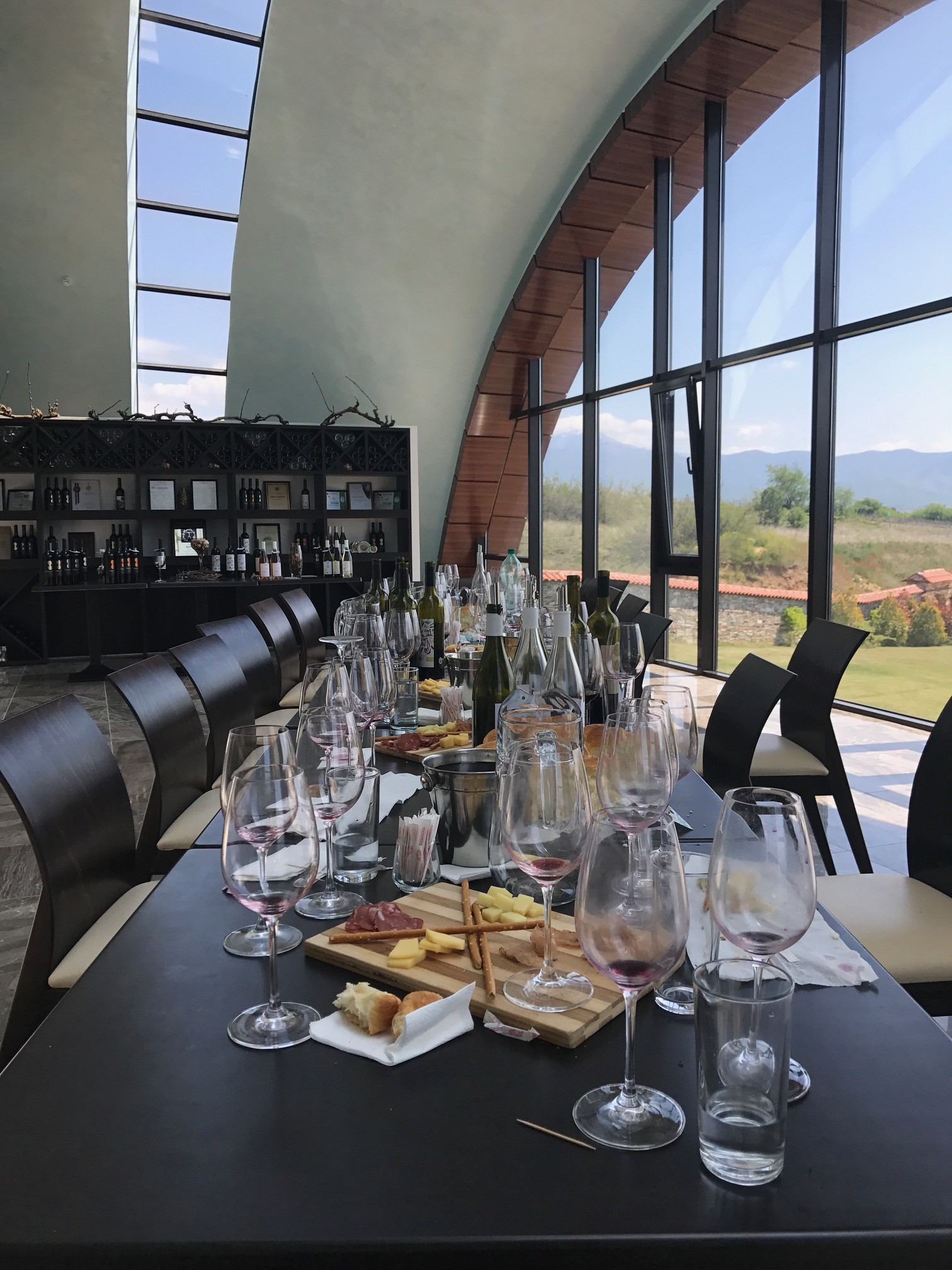
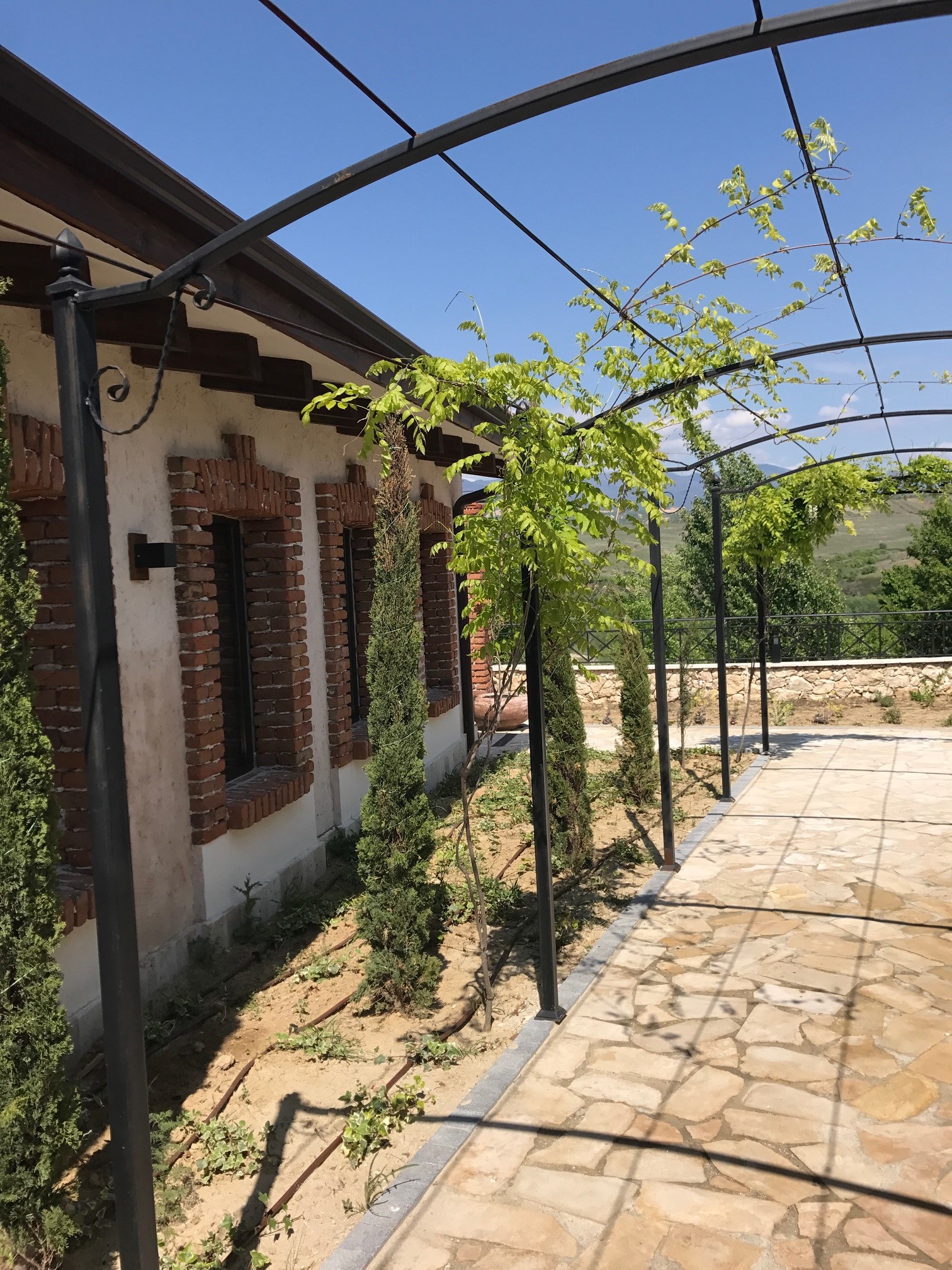
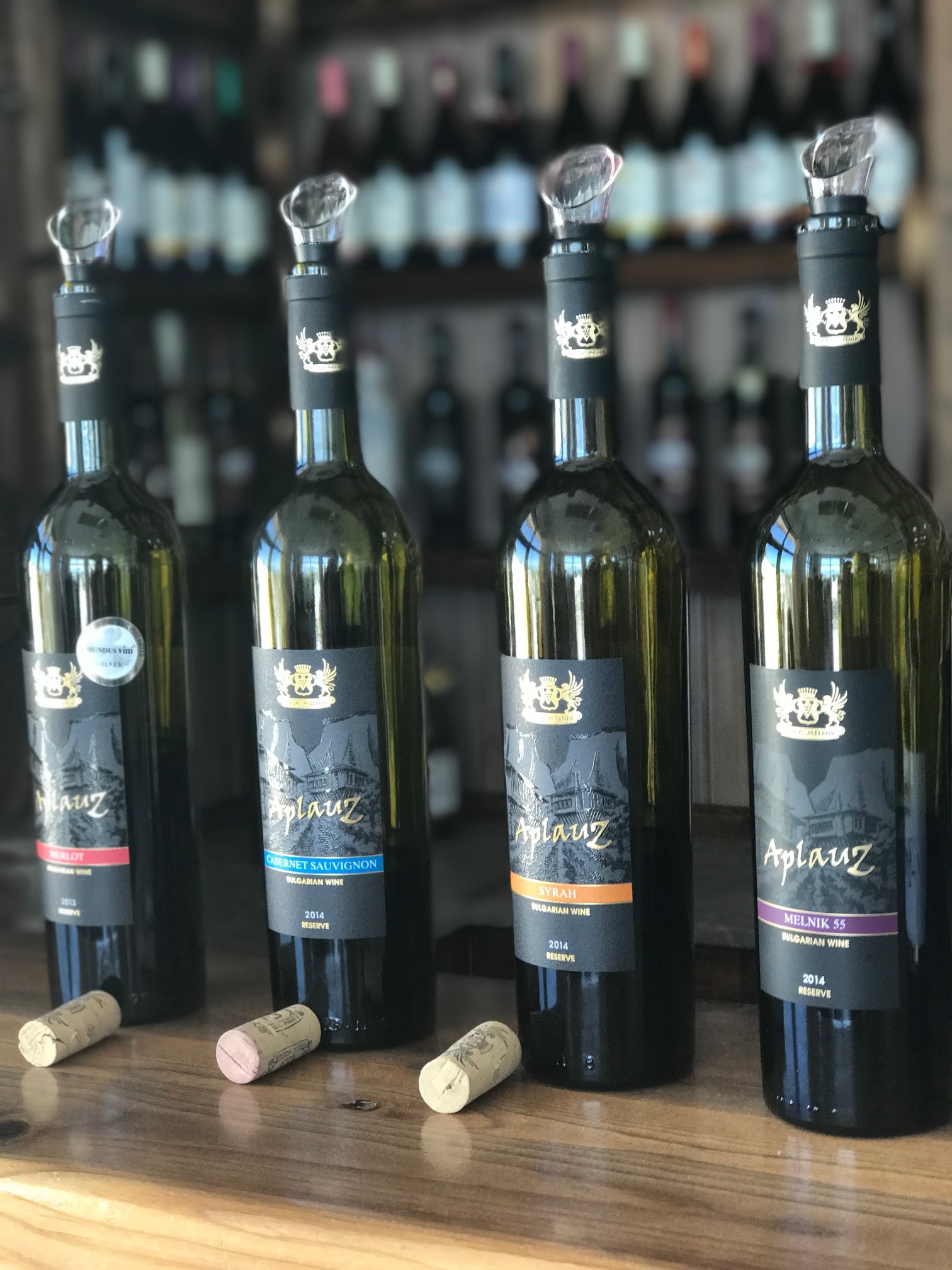
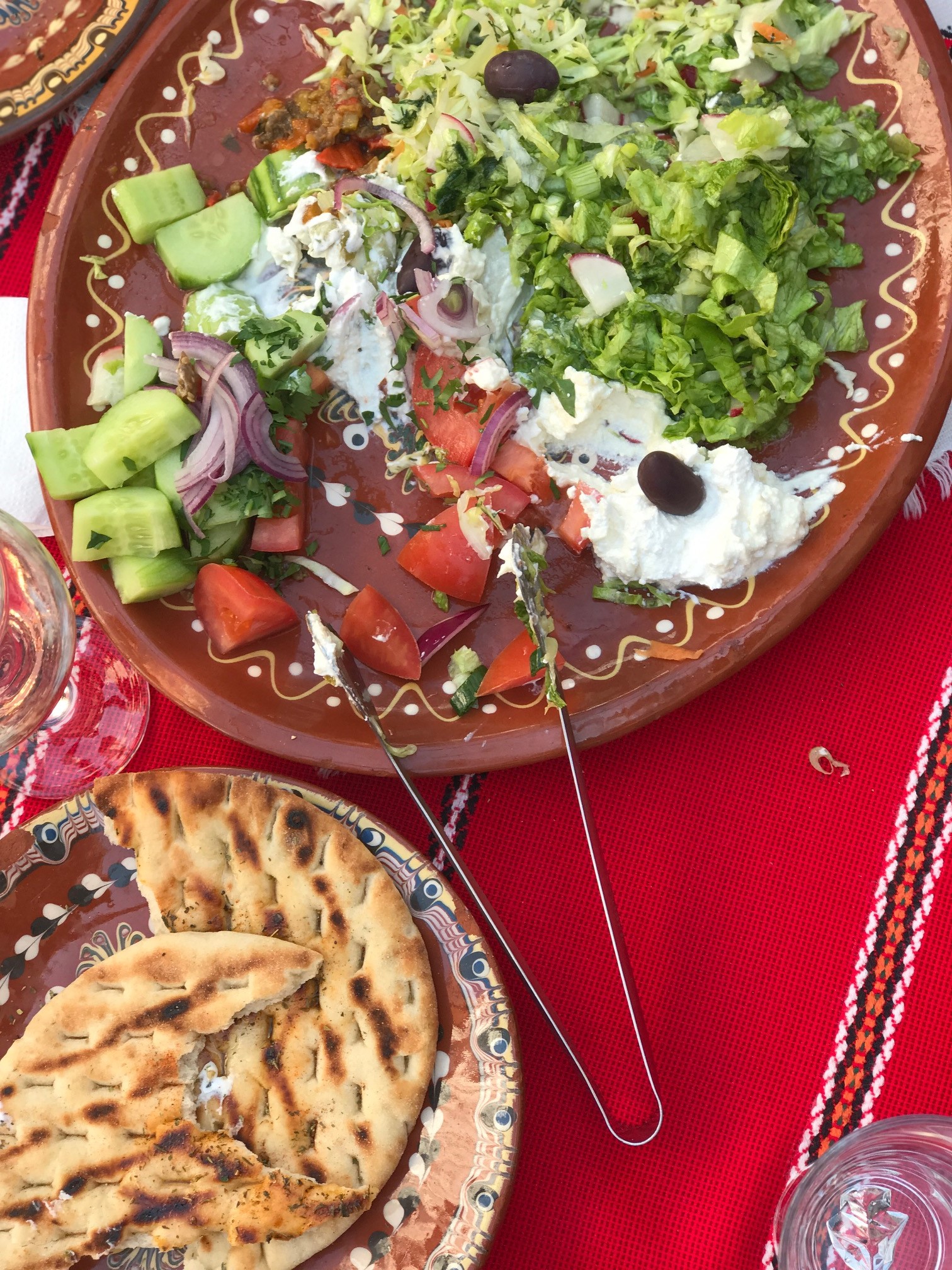
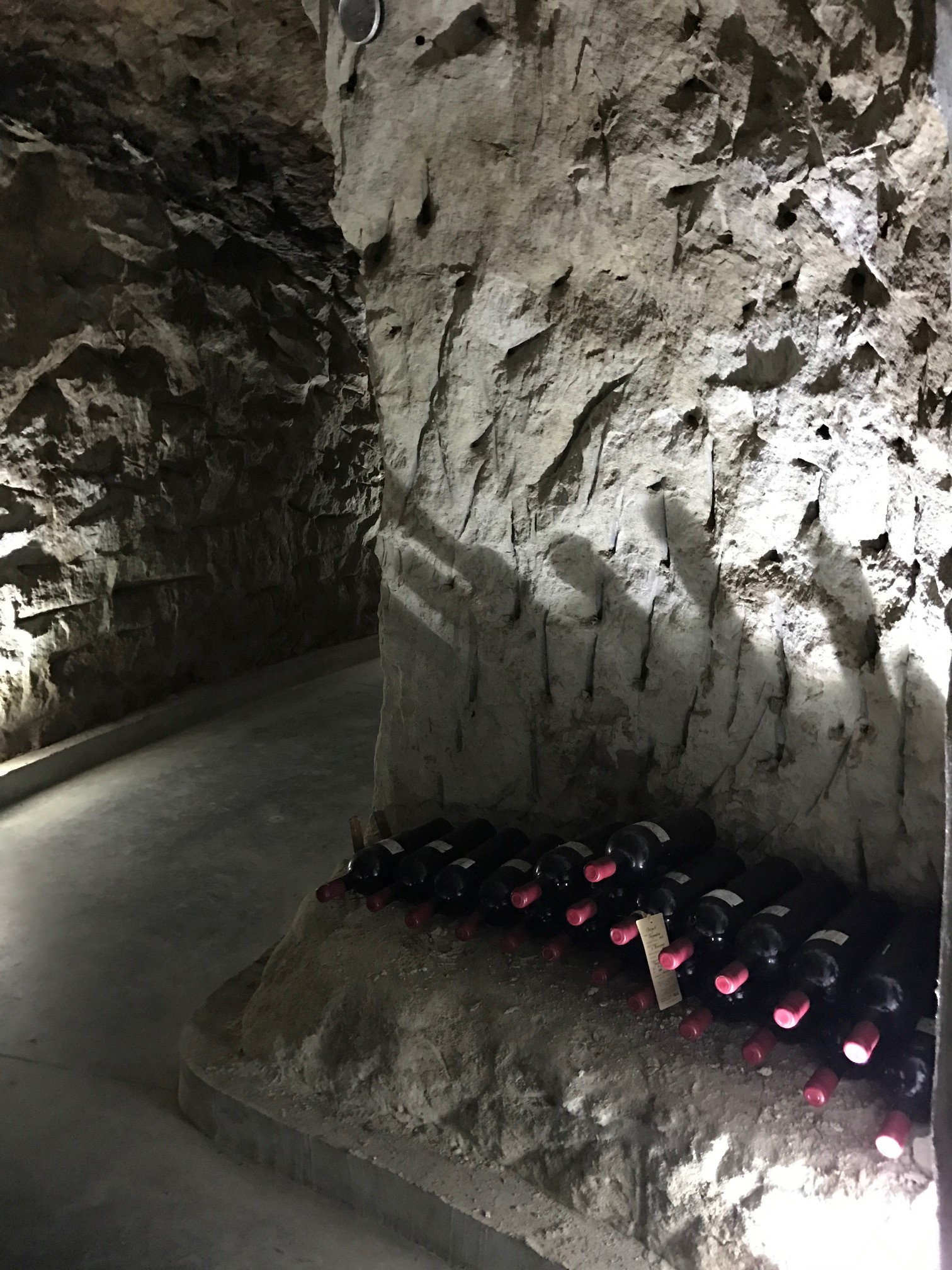
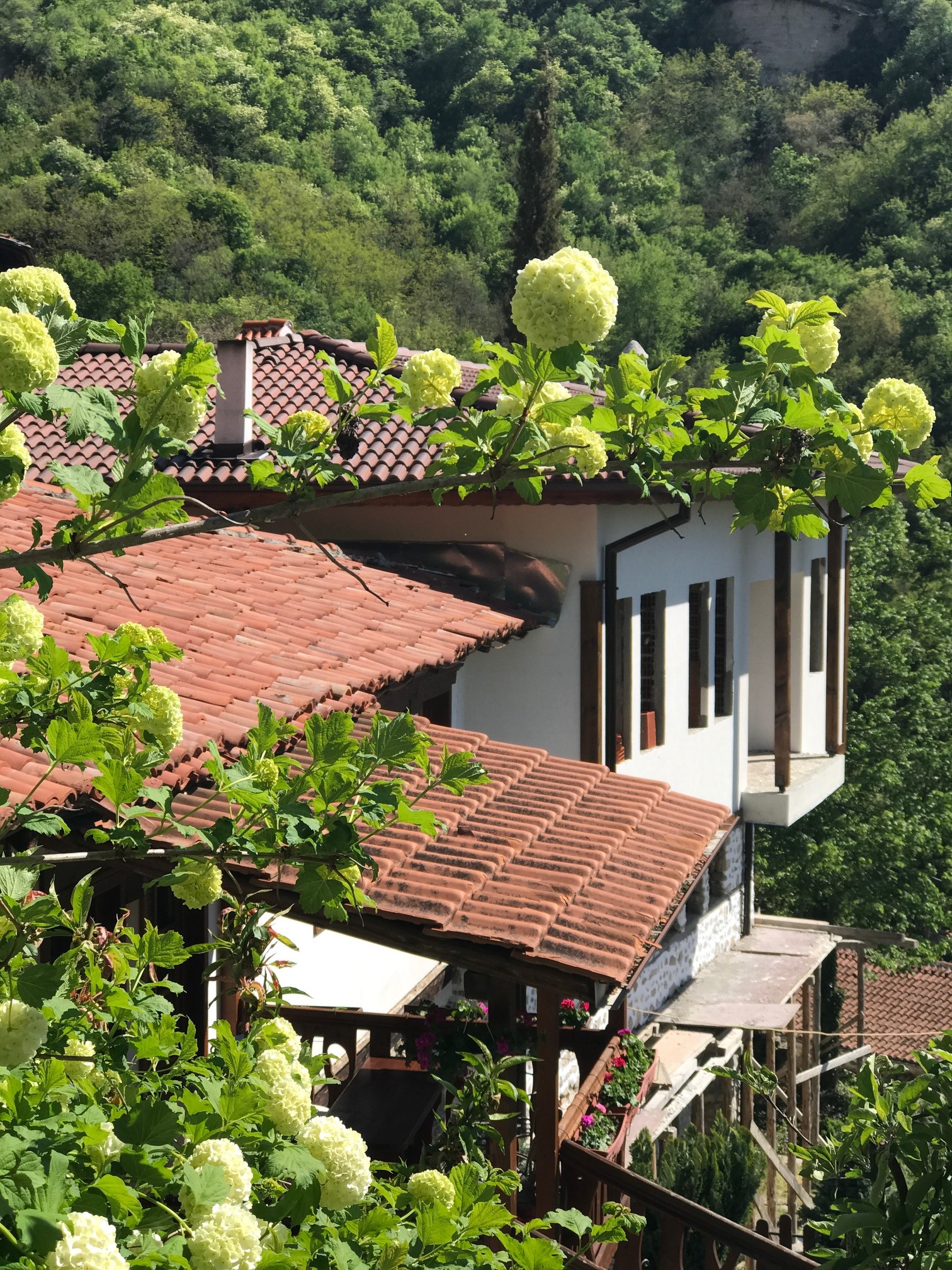
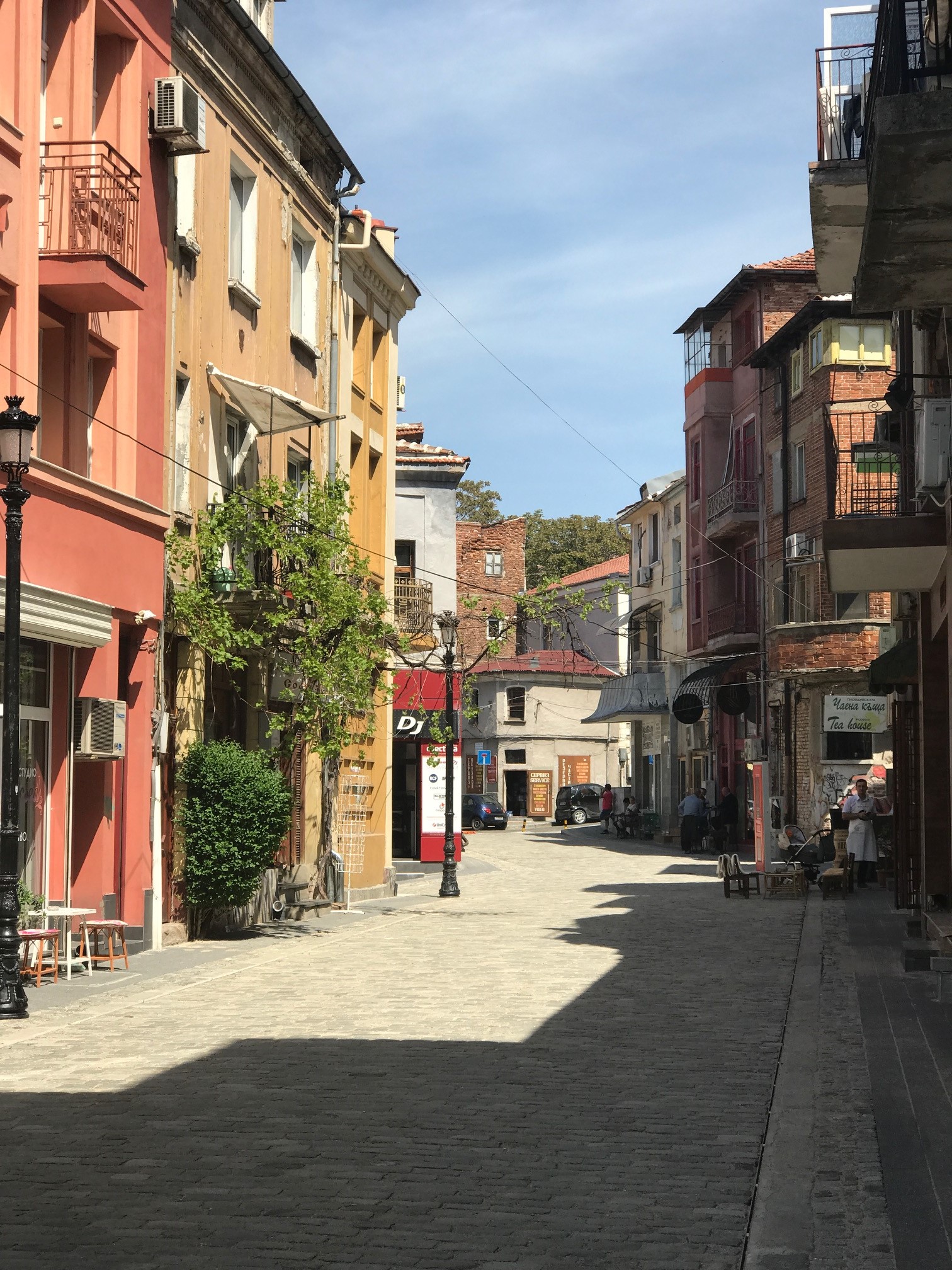
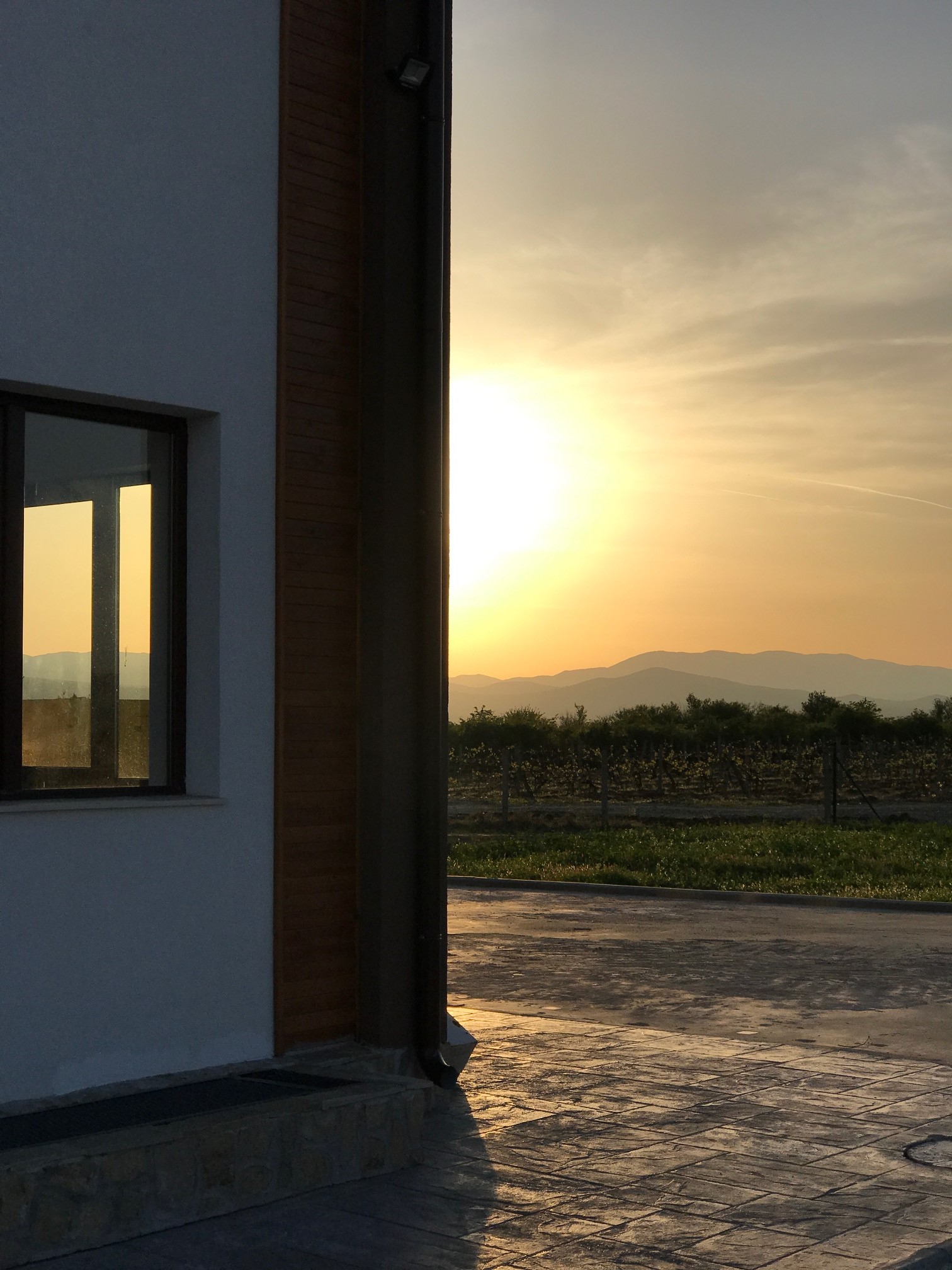
Why Bulgaria, you ask? Earlier this year, I was approached by Brand Marketing Organization World Wines, (a professional organization representing the Wines of Bulgaria), about my thoughts on Bulgarian wine. I thought about where I may have tasted one or two in NYC, but couldn’t say what or when. After they graciously gifted me a mixed case, I kept noticing the word “impressed” coming up on my tasting notes. Three months later, I had an invite to Bulgaria from the Wines of Bulgaria team sitting in my inbox. These kinds of things don't happen to me often, but I’m extremely grateful when they do. ;) Needless to say, I agreed immediately.
A LITTLE HISTORY
Bulgaria is said to be one of the first countries to produce wine (we’re talking 4,000 B.C.!) In the '80s, Bulgaria was the fourth largest wine-producing country in the world. That changed drastically after a few interruptions, especially the collapse of Communism. Today, Bulgaria's wineries are working hard to produce high-quality wine from local and international varietals. I visited 5 wineries, in 4 different towns, and tasted the wines of at least 25 more producers over meals and bar-hops. Read on for my favorites.
FAVORITE TOWNS
Sofia
Upon landing in Bulgaria's capital, Sofia, the old architecture and cathedrals were first to blow me away.The blossoming spring flowers didn't hurt either. After a friend’s recommendation, I had lunch at
Grape Central. This wine bar has a phenomenal local and international list, as well as a seriously inventive young chef. Go there, you will not be disappointed. When asked about Bulgarian food, all I can attempt to compare it to is Greece without the olive oil and Turkey without the spices. It can be quite simple, and pork is definitely popular, along with potatoes, tomatoes, grape leaves and eggplant.
Melnik
The super small, southern town of Melnik is literally ancient. Pictured above, you can see the sandy mountains where groups go to hike and walk through the wine caves. These old caves within the mountains are large enough to get lost in, and the view from the top is breathtaking. Melnik has several traditional restaurants, serving up local tomatoes and “white cheese” (their version of feta but way better) with every meal. It has actually been named “The Smallest City in the World.”
Plovdiv
Plovdiv is the 2nd largest city in Bulgaria, yet still much smaller than #1, Sofia. The words “cool, hip, and trendy” come to mind when I think of Plovdiv. There are young people everywhere, with several great shops and restaurants along the cobblestone streets. Wine bars are also generously scattered. I compared it to a mix between Munich, Germany and Interlaken, Switzerland.
Wineries Visited: The team at "Wines of Bulgaria" did an excellent job sending us to (what I assume to be) the best wineries in the country. Being said, all 5 were fabulous but vary greatly by varietals planted, winemaking styles and overall vision or concept. However, there were several obvious commonalities to me. First, each winery had an extremely modern facility, complete with impressive Bulgarian-made steel tanks and barrels. Touch screens, auto-bottling and labeling machines were commonplace. I expected some very dated technology after google-image showed me that even the best hotels have a late 80s décor. Side note: This was definitely the case, and reminded me much of Cuba. No surprise that the previously Communist rule is the reason for that comparison. I thought it was pretty cool, actually..
I also noticed that our conversations with each winemaker tended to take the organic wine making route. They all clearly knew that the more natural they could be, the more the 10 of us Americans would be inclined to drink (or place an order for) their wines. They’re smart to understand and accept that this trend isn’t going anywhere.
Orbelus: This is the winery that’s shaped like a barrel (which you may have seen on my IG). Talk about modern, their unique architectural decision fit perfectly among their vineyards. Orbelus was also the only “Certified” Organic winery we visited, as well as the first to gain the certificate in Bulgaria. They, like many of the others listed below, produce wine from local and international varietals.The Chardonnay and Viognier blend stood out majorly for me.
Rupel: This small, relatively new, family-run estate is focusing on the local varietals, Tamianka (white) and Melnik (red). Their winery is just 5 minutes from their magnificent hillside vineyards, overlooking the mountain ranges that separate Bulgaria and Greece. P.S., the Mayor of the town greeted us here with home-baked "Pitka" bread. Adorable!
Villa Melnik: I said I didn’t want to pick any favorites but Villa Melnik is definitely up there. After tasting over 20 fantastic wines during our tasting, I still can't get the orange wine out of my mind. It's a subtle orange, (from Sauvignon Blanc grapes) and purposefully so, in that anyone can easily enjoy it. They have a few different lines of reds and whites, varying in price point, which is quite smart for their current (mainly Bulgarian) market.
Villa Yustina: This stunning facility sits within a small, yet very ethnically diverse town outside of Plovdiv. This estate also produces the tanks that many Bulgarian wineries are using today (including a few of the wineries I just mentioned). Their huge vineyards are just 10 minutes away and surrounded by a public park where locals and tourists gather for picnics, weddings and public events. The entire park is equipped with free wifi, just to give you an idea of the technological state.
Karabunar: Just outside the happenin’ town of Plovdiv, this winery is doing it all, from Orange to Rose, even the local spirit, Rakia. Their female winemaker is experimenting with unheard-of blends, aging in French and Bulgarian oak, and clearly knows what she's doing. These wines may have been the priciest of all, but for good reason.
DONT MISS!
Zornitza Family Estate: This hotel, restaurant and winery is something straight out of a travel mag. Complete with pool, wine cave and 10 separate villas, it reminded me of Tuscany, but everything was half the price.
Clearly, the market for Bulgarian wine is quite small, but I believe that New York is the perfect market for them. With trendy wine bars popping up all over the city, Brooklyn, upstate, etc.. it seems the younger generation has become quite fascinated with the unknown. So many of the wines I tasted on this trip reminded me of my favorites from the Rhone Valley or Languedoc. They’re interesting but they don’t taste weird. The acidity was in line, they every wine is very clearly Old World, the balance was evidently fought for, and almost everything tasted surpassed my price expectations. The group was always asking “how much” (as wine professionals tend to do) and then proceeded to look at each other in astonishment. The wines, hotels, and restaurants are all quite inexpensive and always managed to over-deliver. I would definitely visit Bulgaria again, and urge anyone else to, especially now and before this Balkan secret gets out.

My Episode on Lady Lovin Podcast
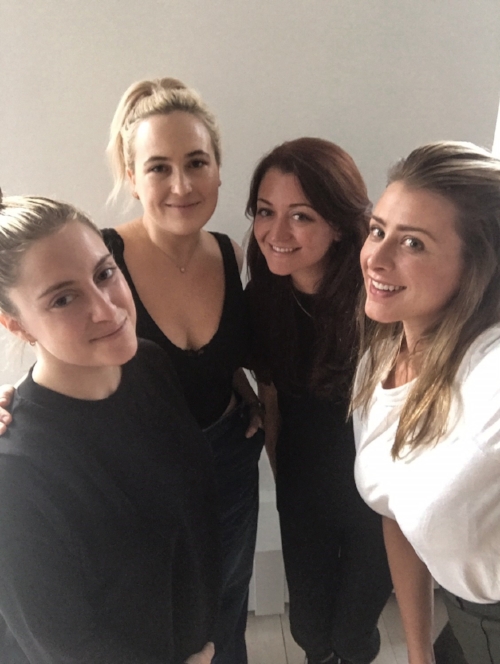
Listen to my episode on Lady Lovin Podcast with Lo Bosworth, Jilly Hendrix and Greta Titelman HERE
Glorious Gloria Ferrer Pairings

“Sparkling wine goes with everything,” a phrase we commonly hear when pairing bubbly with food. Technically speaking though, I have to disagree. Some sparkling wines are so light, that they rarely pair well with some of my favorite seasonal dishes. I’m always on board with comfort foods in the winter, and made it my mission to pair these rich, substantial side dishes with a sparkling wine. Why? Because I love my bubbly, duh. Luckily, I found Gloria Ferrer as proof that bubbles can in fact stand up to my winter go-tos. Perhaps this is due to their warmer climate and Carneros situation, which gives their sparkling wines a little more umpf.
Gloria Ferrer was founded and stilled owned by the Ferrer family of Spain. In fact, they were the first winery in the Carneros AVA over 30 years ago! Today, with 335 acres under vine, the vineyards produce some of the best Pinot Noir and Chardonnay, both of which are used for sparkling and still. Similar to the production in Spain, the family makes sparkling wine in the traditional method only. This isn't always the case for wineries in California. I can personally notice a heightened complexity and immensely longer-lasting bubbles, due to the secondary fermentation in the bottle.

GLORIA FERRER SONOMA BRUT: (91% Pinot Noir, 9% Chardonnay)
A delicate sparkling wine with a full-bodied palate. Hints of ripe raspberries and red roses complete the fruit-driven nose and toasted almonds on the palate. With effortless minerality, this sparkling wine can pair easily with slow-cooked seasonal vegetables, like my roasted carrots or charred Brussels sprouts.
GLORIA FERRER BLANC DE BLANC: (100% Chardonnay)
Brioche, orange blossoms and ripe pear graze the nose, while green apples and lemongrass complete the palate. Extremely well balanced, this highly textural sparkling wine can easily stand up to cream sauces, (even my rich risotto) as the acidity cuts right through the fat.


Don't believe me? Try these three recipes with Gloria Ferrer’s Blanc de Blanc and Sonoma Brut.
1.) Brussels sprouts with chorizo. Recipe by Saveur HERE or copy and paste: http://www.saveur.com/article/Recipes/Brussels-Sprouts-with-Chorizo
2.) Sesame roasted carrots and parsnips. Recipe by Big Girl Small Kitchen HERE or copy and paste: http://www.biggirlssmallkitchen.com/2015/12/roasted-carrots-and-parsnips-with-sesame-sauce.html
3.) Mushroom orzo risotto. Recipe by My Recipies HERE or copy and paste: http://www.myrecipes.com/recipe/mushroom-orzo-risotto
DID YOU KNOW… Gloria Ferrer wines have earned over 500 gold medals and 50 90+ scores in the last 5 years! Pick up yours and learn more here: http://clvr.li/1I2GxmY
I was selected for this opportunity as a member of CLEVER and the content and opinions expressed here are all my own.
Seasonal Stunners!
'Tis the season to start creating your Thanksgiving menu and wine list. Here are three wines that I've been ridiculously into and can't wait to see what they do with the traditional fixin's.
1.) 2015 Furst Elbling
Elbling is a ridiculously fun and interesting German grape, and this one hails from the steep slopes of the southern Mosel river valley. The soil type here is a shell-based limestone, which is shown off on the palate. Minerality is the motto here, with notes of river fish, brine-y oysters and sesame seeds. Complex, fresh as hell and completely dry, I'd pair with soft cheeses, arugula salads and squash.
2.) 2015 Domaine de la Pinte Poulsard de l'Amis Karl
From the always interesting Arbois region (Jura, France), the Poulsard grape is one of the thinnest-skinned in the world. The marl soil and biodynamic practices both shine through upon tasting. I knew the tannins would be rather low, but the body surprised me. This is quite mouth-coating while tart cranberries and raspberries are balanced between lilicorice and spice. It's basically cranberry sauce in a wine glass, and the powerful earthy tones make it perfect for light turkey and mushroom stuffing.
3.) 2013 Georges Lignier et Fils Marsonnay
I'm always on the hunt for Marsonnay, as the region consistently produces great red and white Burgundy at a major value. In a traditional style, this Pinot Noir is quite inviting with just a touch of new oak. Ripe dark cherries, raisins and balsamic grace the nose, while the palate is a bit more complex and mineral. Notes of white mushroom and salami are released on the long finish. Ready to drink now, and easy to pair with slightly heavier sides, including casseroles and gravy-glazed potatoes.
All wines available at Kingston Wine Co. in Kingston, NY
Bordeaux Dinner (98 Cheval, 03 Cos, 05 Pavie)
Last night, I was fortunate enough to pour (and sit) at a private Bordeaux tasting. The host urged me to select non-first growth, as he knew them well - the ones that were drinking anyway. So, below are three of my choices, none of which I'd had prior, and my tasting notes.
From Youngest to Oldest, the 2005 Chateau Pavie was immensely powerful, with surprisingly shocking texture with 11 years of age at this point. Notes included tobacco, blackberry jam, new oak, granular tannins, I'd give this 98/100 but not without food.
The 2003 Cos d'Estournel was quite complex and included notes of lavender incense, raspberry cassis, and several exotic spices and herbs which were difficult for me to pinpoint. While it was wonderful now, the tannins drove slightly, and I'd be interested in opening this again in 2019/2020.
Last, the 1998 Cheval Blanc. What can I say? This wine absolutely stood up to the hype and high scores. Leather, plums, raisins and menthol surround the nose and palate, and you're left with a clear balance of full body, polished tannin and ripely pure fruit. Entirely complex, I noticed smokey, campfire and milk chocolate throughout the hour I slowly enjoyed it.
Hillersden Tasting Notes
If you haven't tasted the phenomenal whites of New Zealand based winery, Hillersden, allow me to expand on their Sauvignon Blanc, Sparkling Sauvginon Blanc, and Pinot Gris. To start, the estate was created around sustainable practices and environmentally sound standards, in an effort to produce the highest quality, single estate wines possible. Located in the Upper Wairu Valley of Marlborough, the wines are grown in the valley beneath the Richmond Ranges, at the base of the mountains.
2014 Sauvignon Blanc
The nose is comprised of limeade and under-ripe pineapples. The fruit does not overwhelm or shock, as some vegetal hints can shine through. Green bell peppers and jalapeño grace the palate, as well as zesty lime juice and granny smith apple skin. The light body is only noticeable due to the acidity and a very long finish. The structure is perfectly in line, making this a surefire crowd-pleaser for any Sauv Blanc fan.
2015 Sparkling Sauvignon Blanc
Much like the 2014 still, this Sparklling Sauvignon Blanc leads with under-ripe and mild tropical fruits on the nose. The freshly cut grass, jalapeño and bell peppers match the fruit perfectly. This sparkling wine is effortlessly complex, while not completely dry, the high acidity is quite comfortable. There's a spicy kick to the finish, which makes me consider several pairing options, especially fried fish tacos.
2014 Pinot Gris
Unlike the Sauvignon Blancs, the pinot gris has mild fruit on the nose and a full, round body. Melons, white flowers, grapefruit, sweet pine needles and jasmine grace the nose and each descriptor is confirmed on the rich palate. This is exactly how Pinot Gris should feel and taste. While easy to drink all day without food, the striking acidity makes it a pair with mussels in cream sauces, or aged cheese.
"Old World Favorites" Private Tasting
6 greats from the old world, a private tasting by Hillary Zio, enjoy!
Wine 1.) 2014 Brundlmayer Gruner Veltliner, Kamptal
Gruner Veltliner is the signature grape of Austria, and lately you won’t find one of poor quality exported to America. Brundelmayer is located just west of Vienna, in the region of Kamptal. With stony soil, very high in elevation with cool terraces, this wine has bright and fresh acidity, with several unique floral notes, as well as grass, limeade and a hint of asparagus.
Wine 2.) 2014 Moreau-Nadet Chablis
Stephane Moreau was labeled the most exciting new producer of Chablis by Burghound in 2012 and his wines have only gotten better. Learning from Vincent Dauvissat, his wines are also deeply mineral, displaying the kimmeridgean soil seemingly effortlessly. He uses ancient barrels and just a touch, to express the racy terroir. Green apples, orange peel and a hint of clay from the soil are notes you can find across the palate. Biodynamic and only hand-harvests, these wines are under the radar – for now.
Wine 3.) 2014 Duroche Gevrey Chambertin “Champ”
Pierre Duroche is a 2nd generation winemaker and took over from his father in 2005. Their wines are all about elegance and finesse, not oak and power, which can be a bit rare to find in Gevrey Chambertin. They have 8 hectares of micro cuvees, encompassing 5 Grand Cru vineyards and 3 Premier Cru sites. This is the “champ” a lieu dit to the North of Gevrey Chambertin. The tannins are fine grained, and the nose is earth-driven and vegetal. Very well balanced with a long finish.
Wine 4.) 2010 CVNE Gran Reserva Rioja
One of the largest (500+ hectares) and oldest (est. 1878) producers in Rioja (Alta and Alavasea), offering a very traditional and consistent style year after year. CVNE’s Gran Reservas are aged 24 months in cask and 36 months in bottle, and these Tempranillo vines are at minimum, 20 years old. The family (5th Generation) and winemaking team are known for their low yields and American/French barrel combinations, both resulting in the classic style that sets them apart. Black cherries, fresh berries, toast, dill and balsamic come across on the nose and palate.
Wine 5.) 2010 Siro Pacente Brunello di Montalcino
Small and pristine, Giancarlo Pacenti is making beautiful wines in the heart of Montalcino. The Brunellos and Rossos have been highly rated and described as perfectly balanced and age-worthy. This has to do with the blend of 2 vineyards he owns to the North and South of Montalcino Hill. Pelagrilli is his vineyard to the north, offering elegance, fragrance, and a silky texture. The Southwest, warmer vineyard is located in Colle and known for full-bodied and dense tannins. By blending the two, he is able to create very unique wines with an abundance of power, fruit and finesse.
Wine 6.) 2008 Brane Cantenac
Located in Margaux, 2008 is considered one of the best vintages of Brane Cantenac EVER! This second growth Bordeaux is 75 hectares long, with history going back to 1833. Today, the estate is over 25% organically farmed, using sustainable techniques, this number goes up each year in an effort to preserve the region. The blend is 55% Cabernet, 40% Merlot, 4.5% Cabernet Franc and .5% Carmenere. The wine is blended and then aged 60% new French oak. The palate is complete with notes of tobacco, cassis, mushroom, and truffles with a dark cherry and blackberry finish. Clean and elegant, it’s easy to see why this vintage has been so prevalent for the chateau.